
Far below the ocean’s surface, where darkness reigns and extreme pressures could crush even the strongest submarine, scientists stumbled upon a rather unexpected treasure: a previously unknown species of mollusk, never seen before by any human. Found clinging to volcanic rock nearly 4 miles beneath the Pacific, this deep-sea limpet is more than just another oddball from the abyss — its discovery has unlocked a new branch on the tree of life, offering fresh clues about how marine creatures evolve, adapt, and flourish in the Earth’s most extreme and isolated environments.
A Rare Deep-Sea Discovery
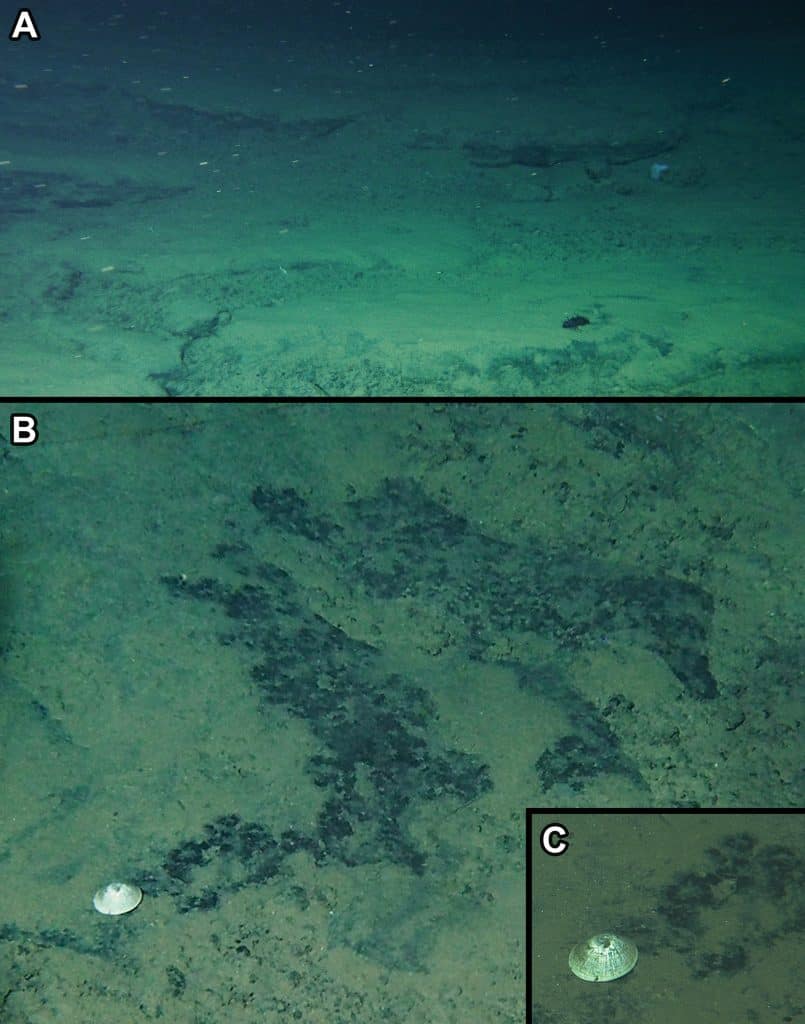
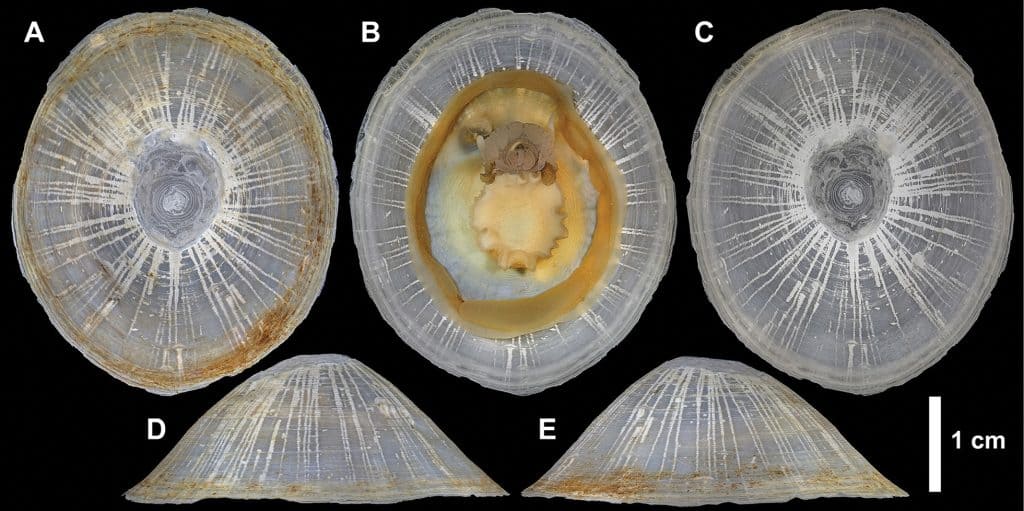
Researchers observed multiple individuals from the submersible, but only collected one specimen for study.
©Chong Chen, Miwako Tsuda, Yoshiyuki Ishitani / CC BY 4.0 / Wikimedia Commons – Original / License
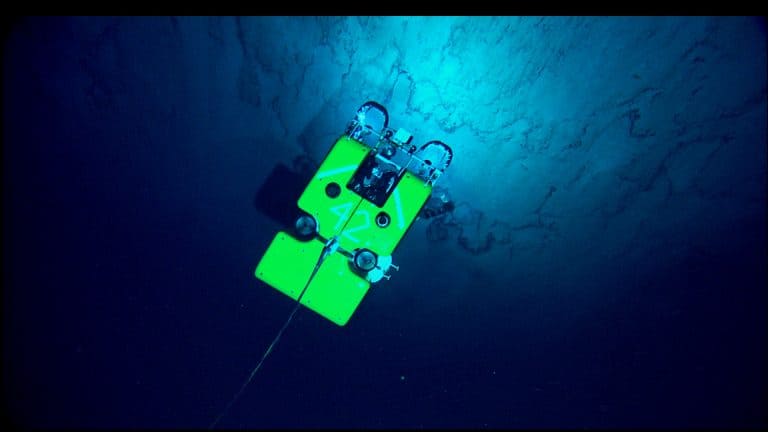
Named after Watatsumi, the Japanese sea god of the ocean and a character from the anime One Piece, Bathylepeta wadatsumi was first spotted by researchers from the Japan Agency for Marine-Earth Science and Technology (JAMSTEC) in 2025. Nearly 19,500 feet beneath the waves and about 300 miles southeast of Tokyo, the tiny limpet wasn’t dredged up lifeless from the seafloor — as so many deep-sea creatures are — but was discovered alive, firmly attached to volcanic rock. At just under 1.6 inches long, it is the kind of delicate find that underwater robots or cameras might have overlooked. However, thanks to the keen eyes of those aboard the Shinkai 6500 submersible, the little mollusk was not missed.
Meet Bathylepeta wadatsumi
This new discovery suggests that there is greater deep-sea biodiversity in the ocean than originally believed.
©Chong Chen, Miwako Tsuda, Yoshiyuki Ishitani / CC BY 4.0 / Wikimedia Commons – Original / License
According to the JAMSTEC team, Bathylepeta wadatsumi is a reddish-brown mollusk with a bluish-gray shell streaked with white. By analyzing both its physical features and its DNA, scientists found that the new species belongs to the “true limpets,” a group we usually expect to see in tide pools clinging to rocks against crashing waves — not in the silent black of the deep sea. Like clams, octopuses, and snails, limpets are mollusks. More specifically, they are part of the scientific class Gastropoda — meaning “stomach-foot” — named for the strong muscular foot they use to hang on tight to various surfaces.
What makes Bathylepeta wadatsumi so extraordinary, however, is that it is the deepest true limpet ever recorded, living at a depth of about 3.7 miles below the ocean’s surface. Although it measures just under 1.6 inches long, that actually makes it the largest of its rare deep-sea relatives. Additionally, its family, Lepetidae, is the only true limpet lineage that inhabits the “normal seafloor,” rather than specialized environments like hydrothermal vents — making this discovery even more unusual.
In other words, the discovery of Bathylepeta wadatsumi “unlocked” a new branch on the tree of life. This gives researchers valuable clues about when and how deep-sea limpets adapt, diversify, and thrive in places we once thought were nearly lifeless.
A Surprising Habitat
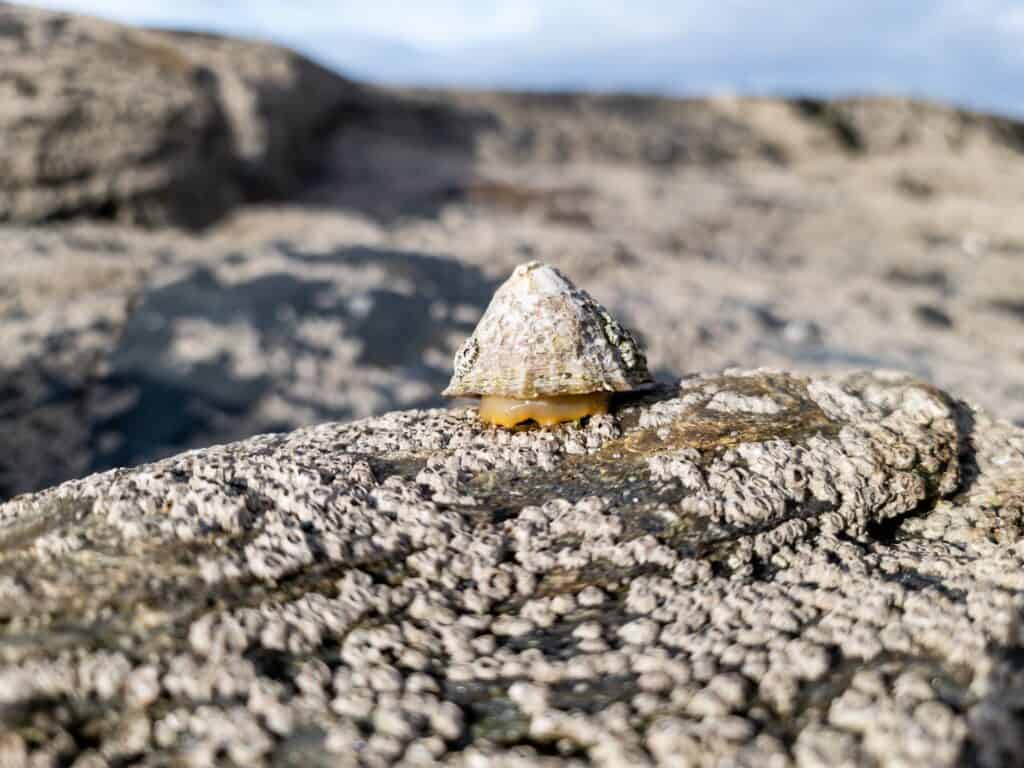
Like garden snails, limpets crawl by contracting the muscles of their large foot organ.
©Lukassek/Shutterstock.com
While people often imagine the deep seafloor as a flat, muddy desert, discoveries like this reveal a much fuller picture. There are rocky outcrops also scattered among the emptiness of the abyss — pockets of habitat with surprising organic communities.
These hidden landscapes are notoriously difficult to explore. The crushing pressure and icy temperatures of the deep sea make them nearly impossible for humans to reach, and while robots and nets are helpful, they often miss small, subtle creatures. The human crew aboard the Shinkai 6500 submersible, however, was able to follow a delicate feeding trail across the rock, leading the team straight to this special mollusk.
Like its limpet relatives, Bathylepeta wadatsumi scrapes up food using its muscular foot and rows of sharp, curved teeth — features perfectly designed to graze on the thin organic films and flakes that drift down and settle on rocks. With reinforced edges on its teeth, this mollusk can sweep up this fine “dusting” of food without scattering it into the water. Though small, limpets play a crucial role in the ocean’s ecosystems. Acting as little underwater gardeners, they recycle nutrients and keep rocky surfaces clear, helping to maintain balance in these fragile environments.
Unlocking a New Branch on the Tree of Life
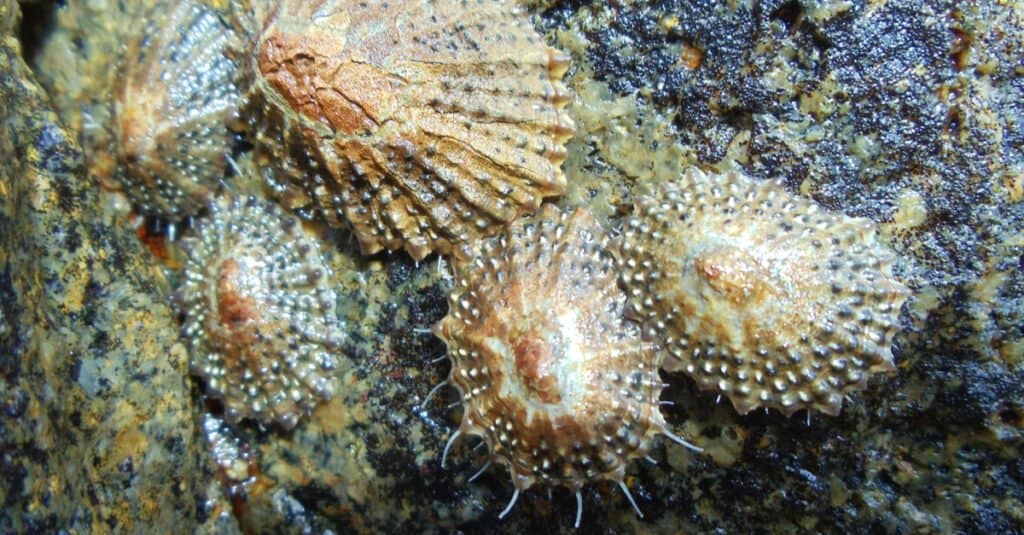
Limpets leave behind a curving path in the dusty sediment that shows exactly where they have grazed.
©A. Mertens/Shutterstock.com
What makes Bathylepeta wadatsumi truly remarkable is that it not only fills an ecological niche — it also fills an evolutionary gap. By thriving where no other true limpet has been seen before, this species reshapes our understanding of how mollusks adapt to the most extreme environments on Earth.
And because this special species lives on scattered rock outcrops rather than clustered around chemical hotspots like vents, its discovery also suggests there may be many more hidden mollusks may be waiting to be found across the expanse of the Pacific seafloor.