
Quick Take
- A new shrew species was discovered in the Ethiopian highlands.
- The 5-centimeter body length and 3-gram weight of Crocidura stanleyi create a significant detection failure for researchers.
- Maintaining a high metabolism at 3,597 meters is difficult for a tiny mammal, likely leading to this shrew needing more sustenance than previously believed.
- The pitfall trapping phase was essential to capture shrews that remain invisible to standard tools.
A mammal that weighs about as much as a sugar cube sounds like a myth, right? Well, it might’ve been one, until a tiny new shrew species was discovered in the Ethiopian highlands. Named after an evolutionary biologist, this new shrew is captivating scientists because of its diminutive frame.
How many species that small can still be hiding in plain sight, simply because they’re tough to catch, easy to misidentify, or living in rugged places that don’t get surveyed often? More importantly, how was this shrew discovered, and just how tiny is it?
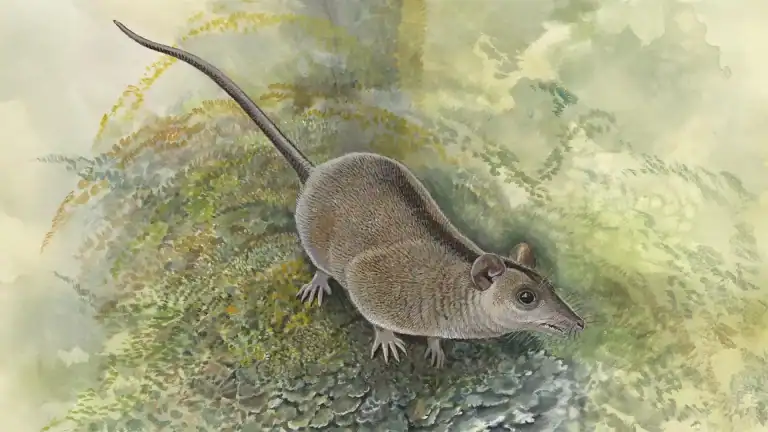
The Crocidura stanleyi is a newly described dwarf shrew. Here’s how it was found, what it means for future research, where it prefers to live, and its adorable measurements.
Meet Crocidura stanleyi, Ethiopia’s Newest and Tiniest Mammal
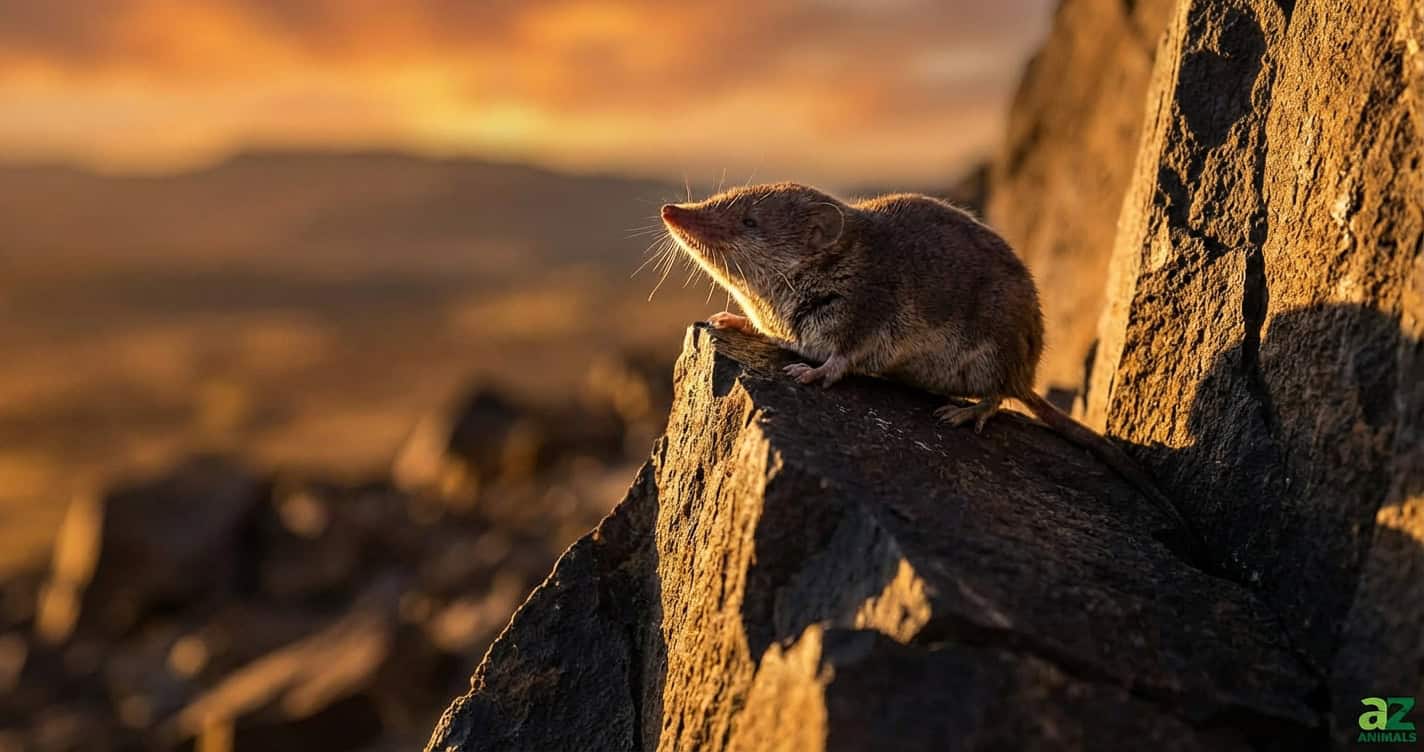
In a January 2026 report from Discover Wildlife, the Crocidura stanleyi shrew is described as weighing only 3 grams (hence its adorable sugar cube association) and measuring roughly 5 centimeters in body length, making it one of the smallest shrew species in the world, though the Etruscan shrew (Suncus etruscus) is slightly smaller.
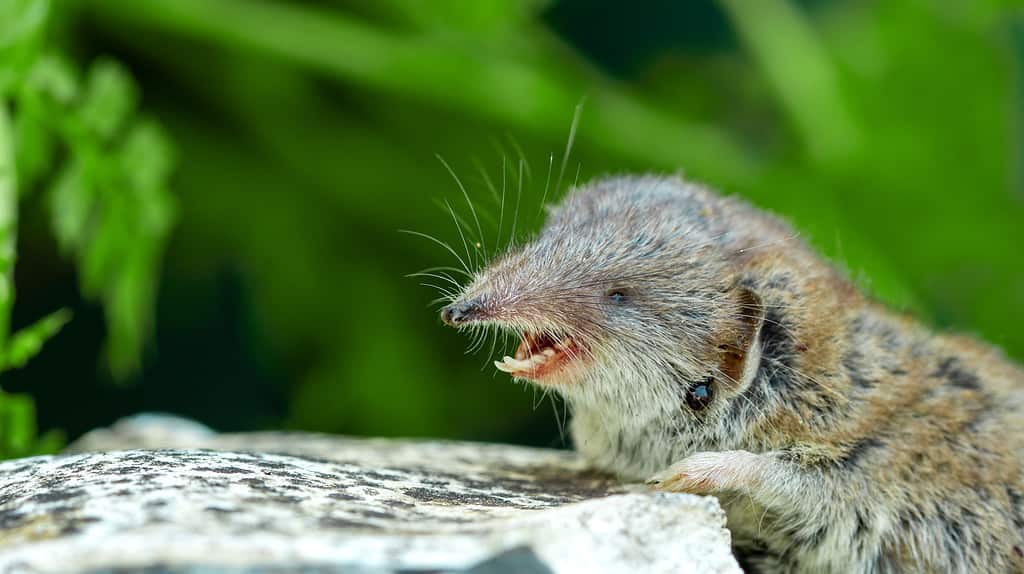
Shrews are generally small, but none appear to be as tiny as the one recently discovered in the Ethiopian highlands.
©iStock.com/Imagesines
The species name, Stanleyi, honors the late evolutionary biologist and mammalogist William “Bill” Stanley. His 2015 fieldwork produced the holotype specimen used to formally define the species. Although the species was confirmed over a decade later, scientists could not have identified this shrew without Stanley’s contribution, as they needed at least one additional wild specimen to compare to his original discovery.
How Scientists Found This Tiny Shrew
This discovery is an important one, given just how small the creature is. Shrews this small can be undersampled and avoid capture if standard traps designed for larger rodents are used, which is a problem noted by researchers of this species.
So, how did they manage to capture one? Using pitfall trapping, which essentially involves buckets sunk into the ground that small animals tumble into while moving through leaf litter and grass, this tiny shrew was caught. And yes, it was likely as adorable as it sounds.
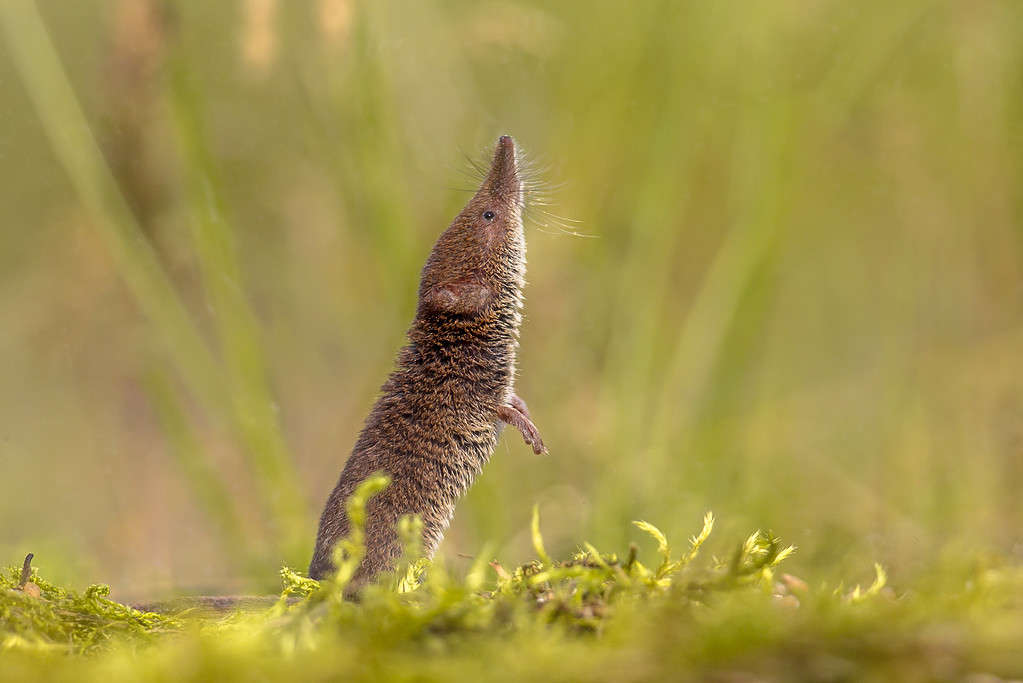
Pitfall trapping was used to finally capture Crocidura stanleyi.
©CreativeNature_nl/iStock via Getty Images
In a Swedish University of Agricultural Sciences (SLU) account, researchers described the moment a minuscule shrew finally appeared after days of catching the same common montane rodent. While collected years after Stanley’s find, it ultimately helped provide the comparison points needed to confirm this little shrew was truly new.
The Shrew’s Range, Habitat, and Population Numbers
Currently, scientists do not have a population estimate for this shrew as they might for larger, closely monitored mammals. However, they are building a growing map of confirmed records for this species over time.
In a paper from the Journal of Vertebrate Biology, the very first shrew of this species was collected near Chennek Camp in Simien Mountains National Park at about 3,597 meters above sea level. The authors report dozens of additional specimens collected along the western slope of the Simien Mountains in 2015, making this area an apparent hotspot for this tiny shrew species.

The habitat of this shrew holds many endemic species.
©WitR/Shutterstock.com
The species is also known from multiple Ethiopian Highland localities, including records from Mount Damota in southern Ethiopia, and it appears to tolerate a wide number of highland habitats. The breadth of this shrew’s preferred habitat is encouraging, as it suggests ecological flexibility. However, it also highlights how incomplete current surveys are, since many more individuals could be living undetected.
What Does a Shrew This Small Eat?
The currently available study on C. stanleyi doesn’t mention its standard diet. However, it is reasonable to infer, based on what’s known about Crocidura shrews in general, that it is an invertebrate hunter, targeting arthropods, larvae, worms, and other small prey it can overpower. Emphasis on small.
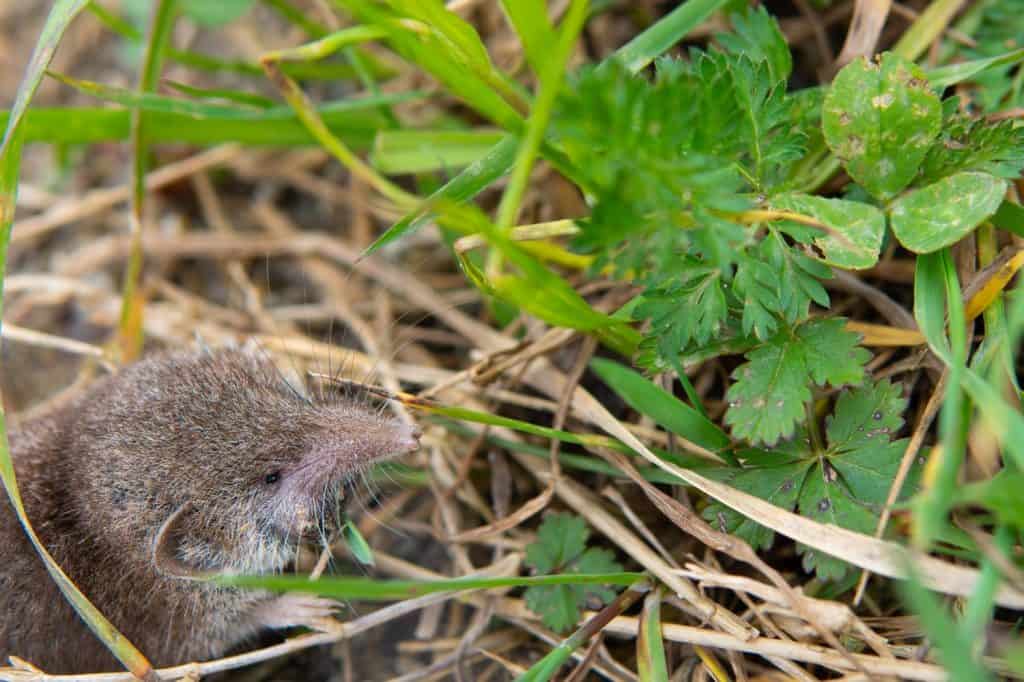
No matter what they eat, most shrews have incredibly high metabolic needs.
©photosoria/Shutterstock.com
Shrews of all subspecies have high metabolic demands, and even a few hours without food can be dangerous for some. A tiny predator like this may require more food than we realize, despite its small size.
Why This Species Discovery Matters
The Ethiopian Highlands, where this shrew was discovered, sit within the broader Eastern Afromontane biodiversity hotspot, a region with high endemism. This means that Ethiopia has 104 rodent species, and 43 are endemic to the Ethiopian Highlands. In fact, dozens of shrew species in Ethiopia represent a substantial endemic subset, making them unique to this area.

Ethiopia has many rare and endemic species, including this new shrew discovery.
©Radek Borovka/Shutterstock.com
Whenever scientists formally describe a new species, it’s only the first step toward being able to track their distribution and argue for habitat protection with clearer evidence. Small, overlooked mammals like this shrew can face real extinction risks before they are even recognized as distinct species, which is why identifying their habitat is crucial for their long-term protection.
Ethiopia’s Tiniest Shrew Is a Special Discovery
This new discovery is special for a number of reasons. It means that new species are still being found, even in places people have studied for generations. Plus, a three-gram shrew doesn’t survive by luck alone; it survives because the habitat still works well enough to support a whole chain of small lives yet to be discovered.
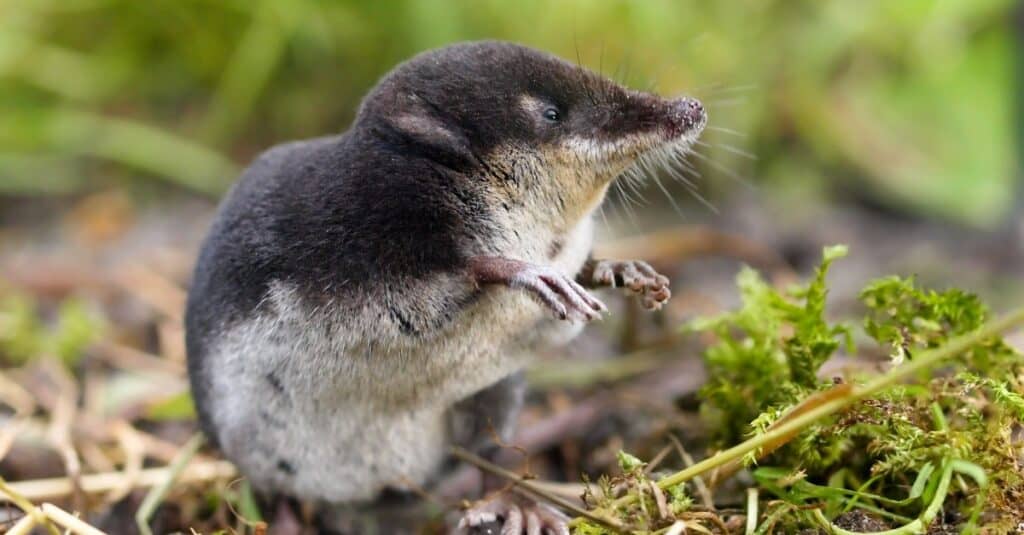
Will we ever discover a shrew smaller than this one? Time will tell!
©iStock.com/CreativeNature_nl
Here’s to the discovery of the adorable Crocidura stanleyi, another of the Ethiopian highlands’ rarest residents. May many more tiny mammals join its ranks and thrive in their endemic environment!