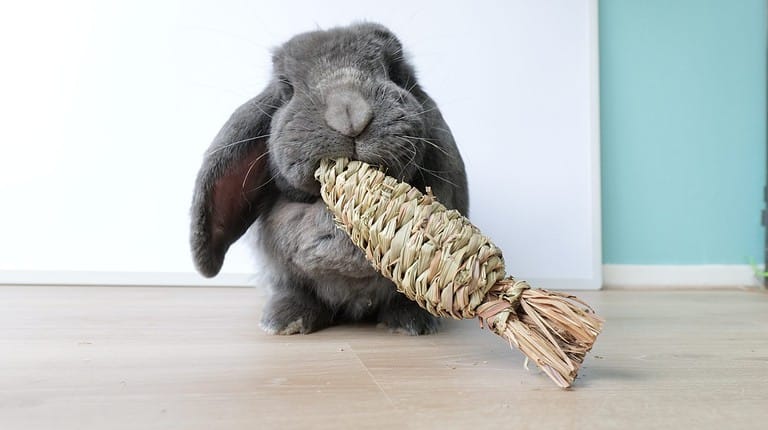

This Instagram post showing a close-up view of a bunny munching on a dandelion is super cute. There is no doubt that this rabbit is enjoying the meal, but is this typical food for a rabbit? What do they eat, and how much food do they need? Read on to find out all about rabbit nutrition and digestion.
What Do Rabbits Usually Eat?
There are 29 species of rabbits around the world living in the wild. Also, there are 52 rabbit breeds recognized by the American Rabbit Breeders Association. So, when it comes to bunnies, there is plenty of variety. The Flemish Giant is one of the largest breeds in the world and can reach 25 pounds. Continental giants are also large and can reach 16 pounds.
No matter their size, species, or breed, all rabbits are herbivores. They are opportunistic feeders and will eat a wide range of vegetation. Typically, their diet is made up of grasses and clovers with some cruciferous plants such as broccoli. However, they will also feed on fruits, seeds, bark, roots, and buds.
Complex Rabbit Digestion
Rabbits have a complex digestive system that can go wrong! Their stomach is made up of two regions. It basically acts as a storage organ and gradually releases its contents into the digestive tract. Most digestion takes place in the small intestine. Cellulose passes through the small intestine, while fructose, most starches, and proteins are absorbed at this stage. Larger fiber particles are eliminated via the proximal colon. The smaller particles go to the cecum for further digestion. Here, bacteria break down the cellulose, and it eventually passes back into the colon to leave the body.
Feeding Pet Bunnies
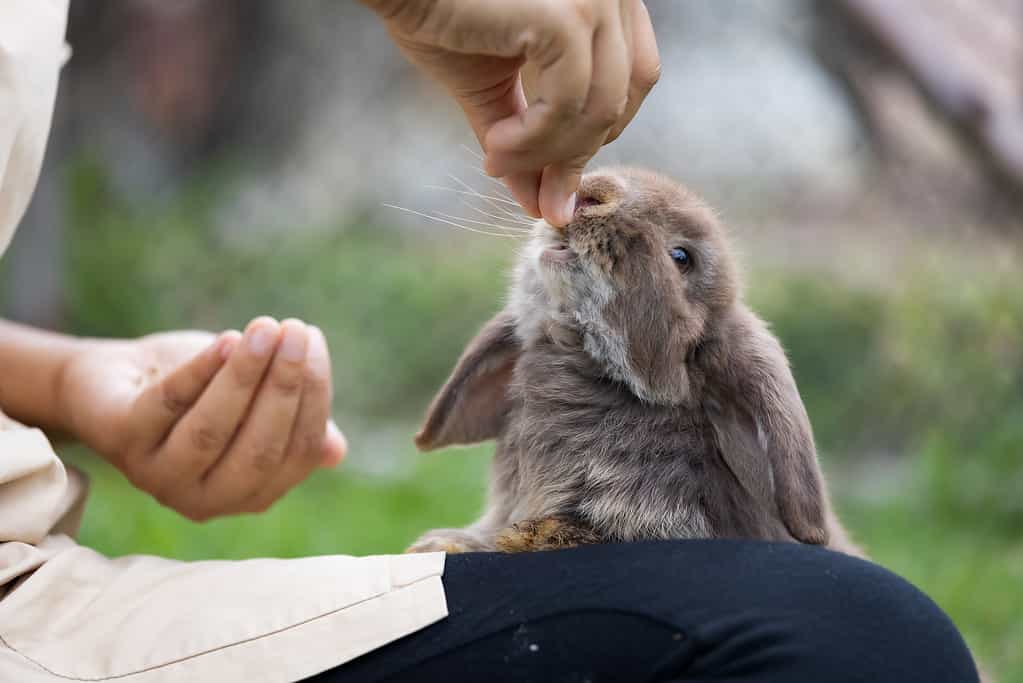
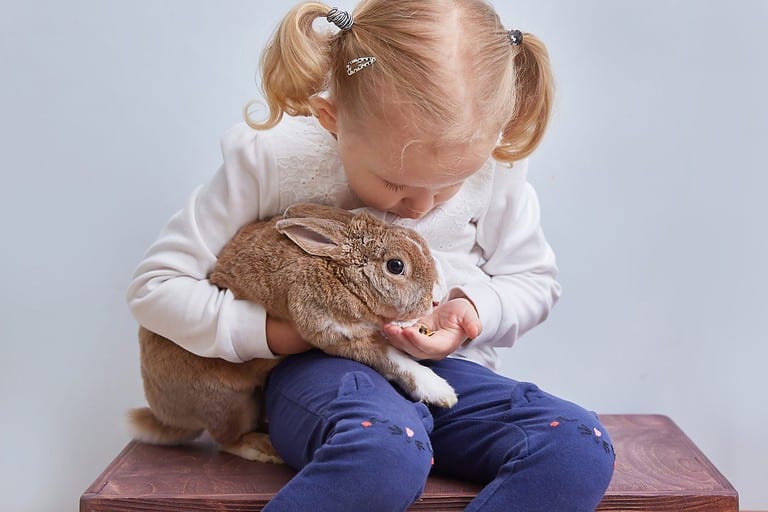
Rabbits can enjoy some treats.
© Sasiistock/ via Getty Images
A balanced diet for a pet rabbit contains protein, starch, carbohydrates, vitamins, and minerals. However, these need to be provided in material that will move slowly through their gut so that they can be absorbed. In addition to this, they need large amounts of fast-moving indigestible organic material to keep their complex digestive systems healthy.
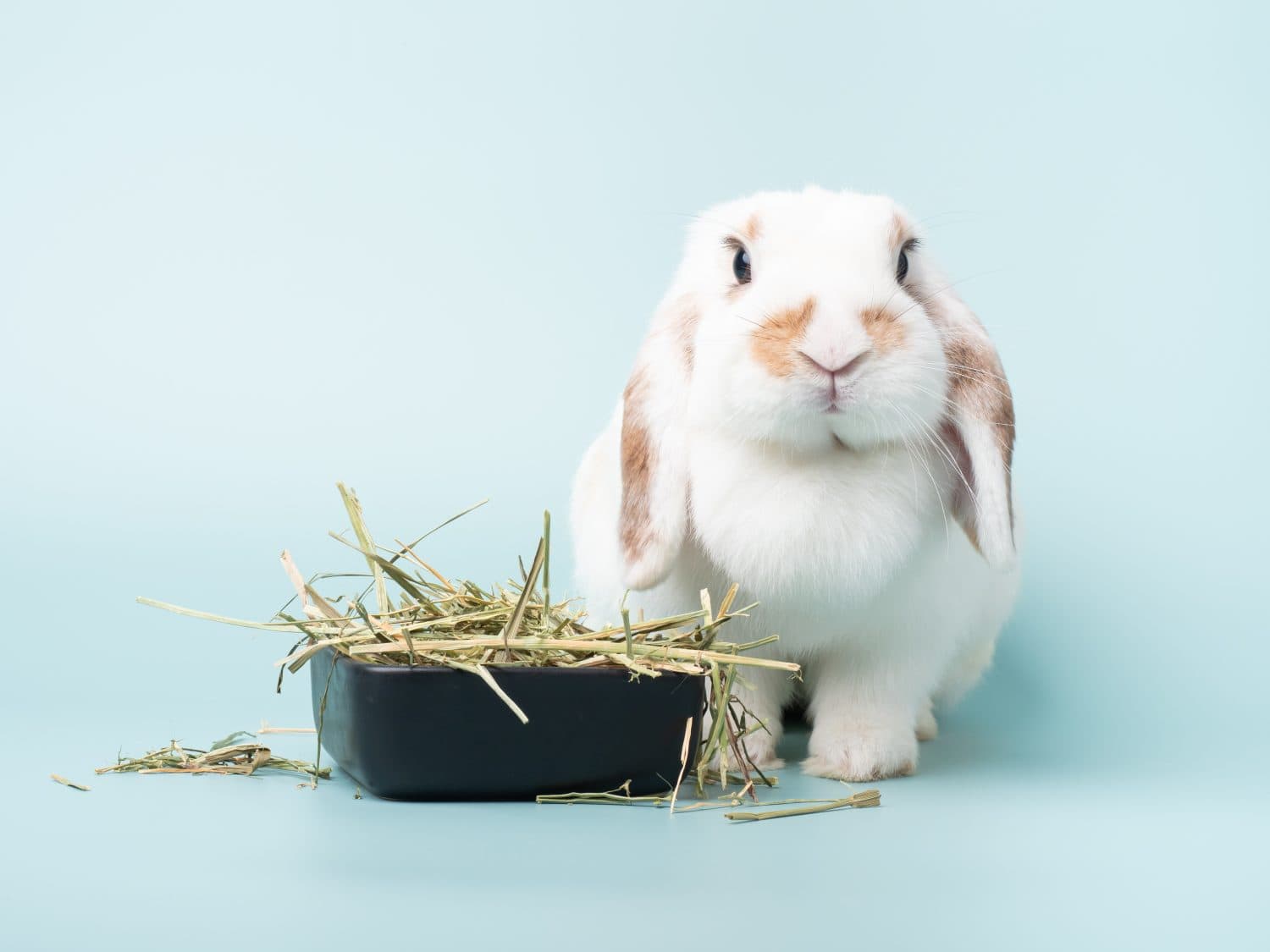
This means that 85 percent of their diet should be made up of hay. You should provide your bunny with unlimited amounts of fresh hay. A further 10 percent should be made up of leafy greens. As a guide, you should give 1-2 cups of vegetables for every four pounds of body weight. Additionally, 5 percent of their diet can consist of rabbit pellets, but treats such as carrots should only be given in small amounts. These foods can be spread throughout the day, as bunnies spend a lot of their time eating!