
Quick Take
- The Wondiwoi achieved a 90-year survival record by avoiding all scientific contact.
- Living at 6,000 feet caused a 9-decade verification failure for Dendrolagus mayri.
- The rediscovery of the Wondiwoi overturned 90 years of extinction data.
- The 2018 expedition by Michael Smith was mandatory to bridge the 90-year observation gap.
Each year, species are going extinct at an accelerating rate that is alarming conservationists. This fear has increased conservation efforts and research, even for rarely seen animals. One such example is the wondiwoi, a species of tree kangaroo so rare that it was not seen for 90 years. This Instagram post by @theinformly discusses the kangaroo and explains how 90 years without photos or descriptions led many scientists to believe it had gone extinct. Read here to learn more about the Wondiwoi.
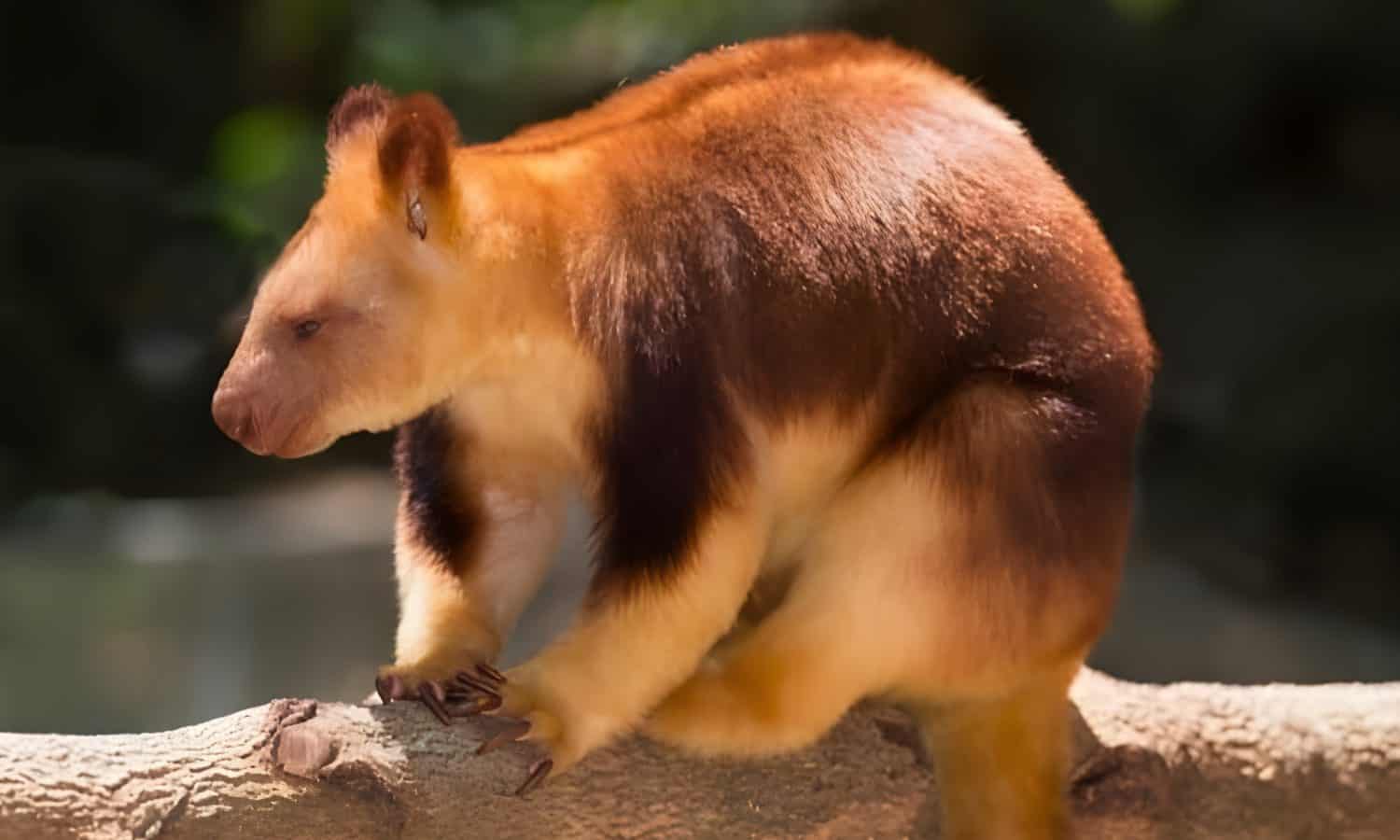
A Wondiwoi tree-kangaroo sits on a branch with its golden fur shining in the sun.
©Harsha_Madusanka/Shutterstock.com
Back From Extinction
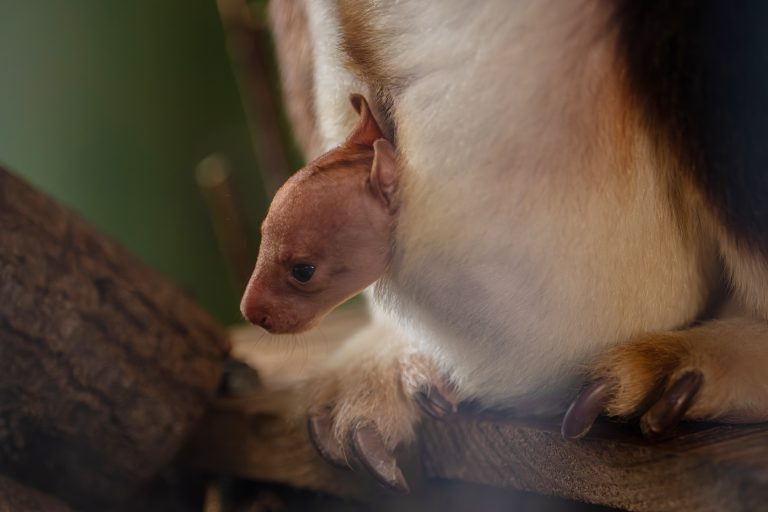
“Wondiwoi” is the term used to refer to the Wondiwoi tree-kangaroo, or Dendrolagus mayri. They get their name from the Wondiwoi mountains that they inhabit. These remote mountains are in West Papua, Indonesia, and are home to these extremely rare tree-dwellers. These tree-kangaroos are endemic to tropical montane rainforests at elevations of about 5,000 to 6,000 feet above sea level. This limited range and difficult-to-navigate habitat are why they went unobserved for 90 years, leading many to think they were extinct.
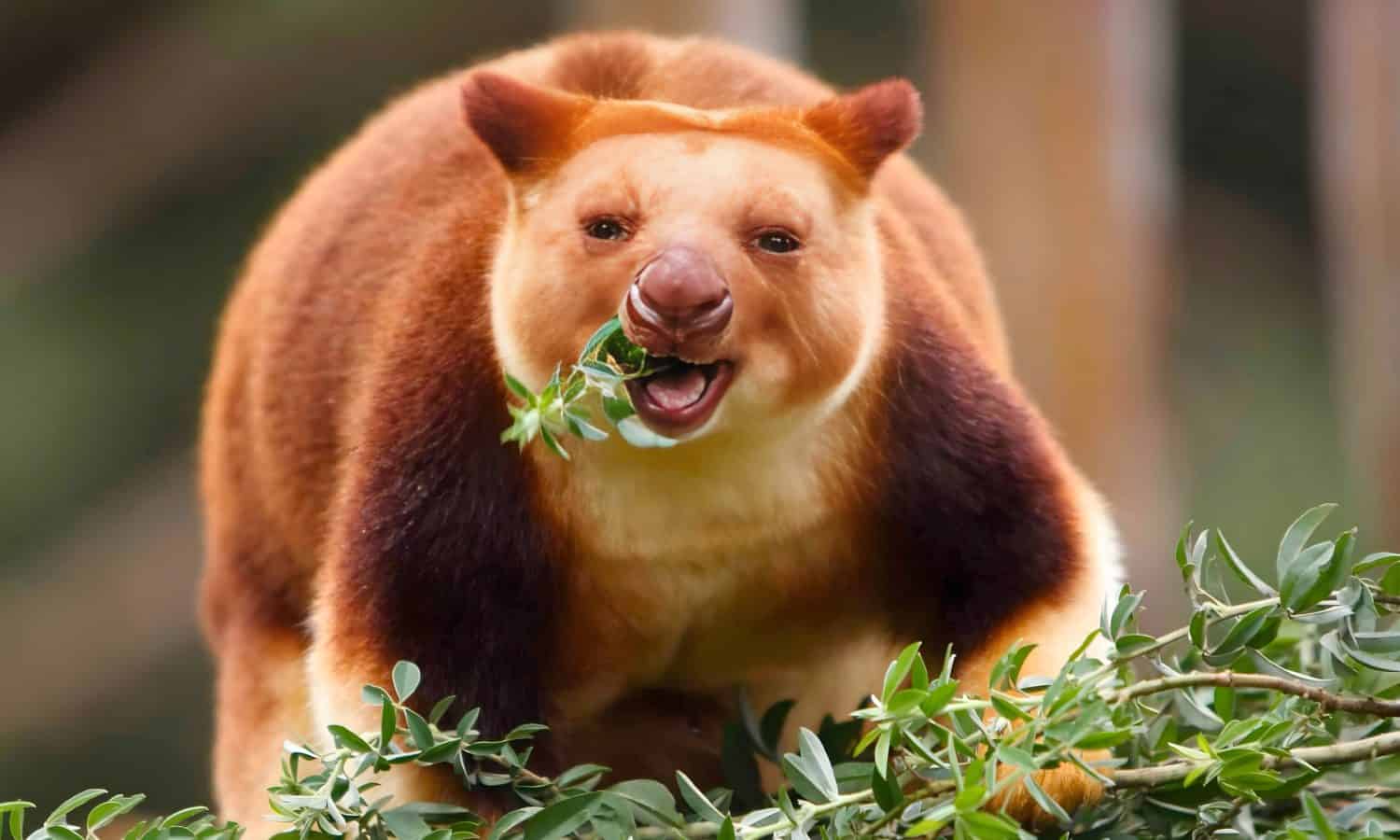
From the limited observations we have, these kangaroos are stocky and bear-like in appearance. They have strong forelimbs, curved claws, and a long tail, all of which are perfect for surviving in the trees. As arboreal animals, they feed on leaves, fruit, and other vegetation. Due to the lack of observation opportunities, their population size is unknown. They are listed as Critically Endangered on the IUCN Red List, making them a priority for conservationists.
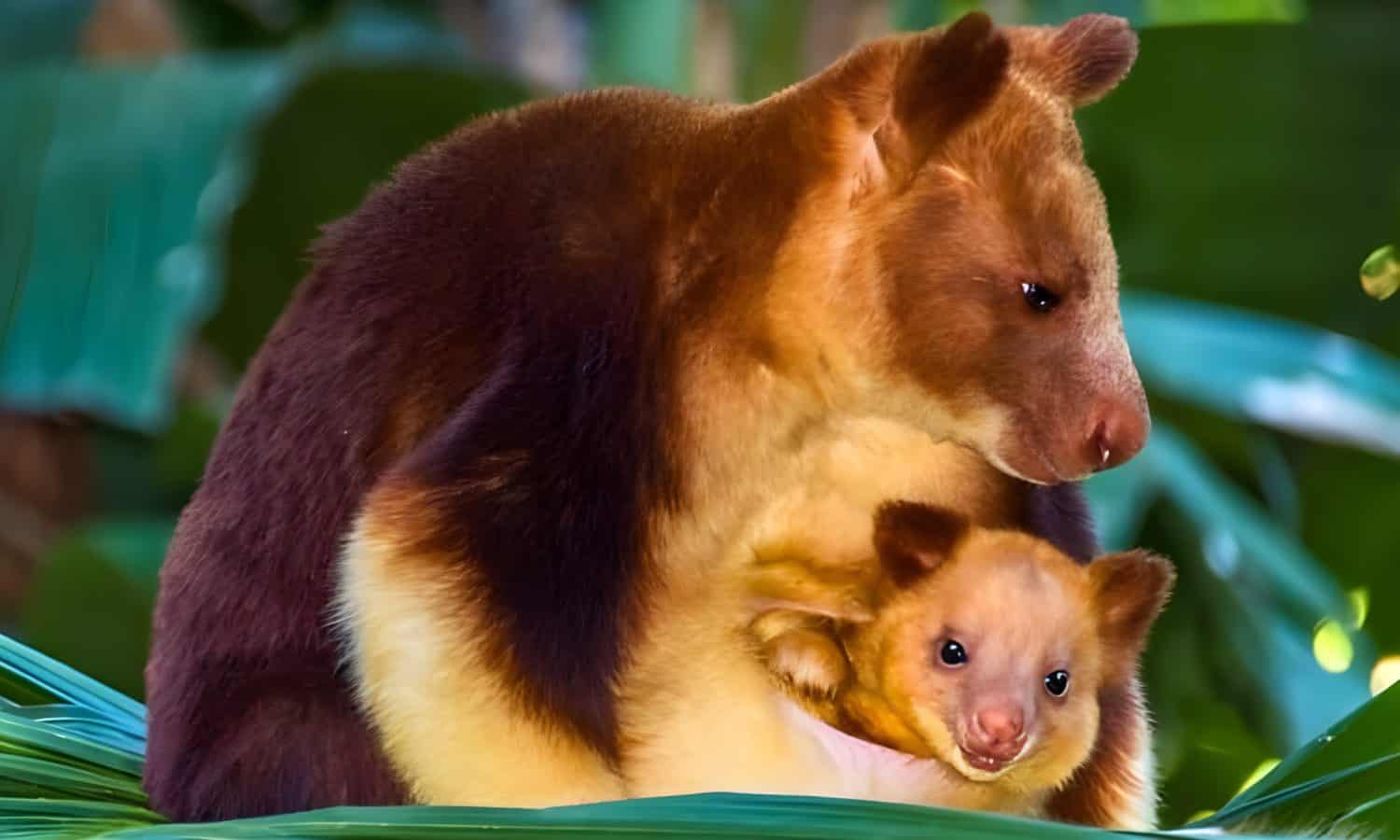
Wondiwoi tree-kangaroos look like a mix between a traditional kangaroo and a bear.
©Harsha_Madusanka/Shutterstock.com
How Did They “Go Extinct”?
In hindsight, we now know that these tree-kangaroos are not extinct. This was not always the case, however. Given the difficult terrain and isolation of these kangaroos, observing them is extremely challenging. They were first observed in 1928 by biologist Ernst Mayr. He collected the only known physical specimen, which was later sent to the Natural History Museum in London. By 1933, scientists formally described the species.
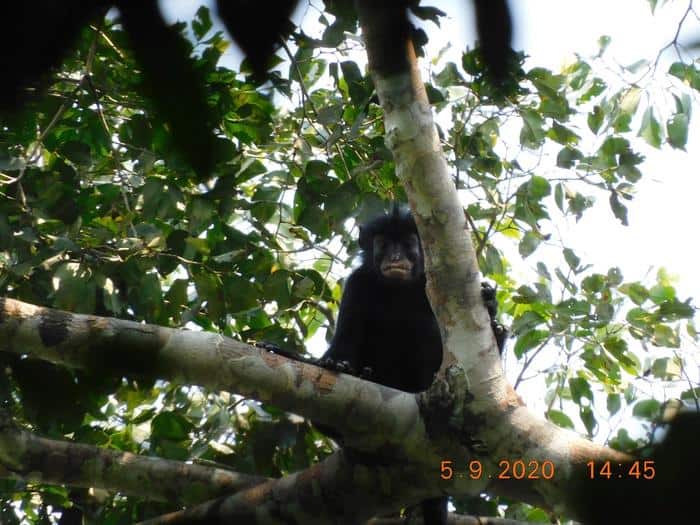
After this, there were no confirmed sightings by biologists for 90 years. This absence included a lack of videos, photographs, or descriptions. The lack of research led to the belief that they were either extremely rare or, worse, extinct. However, in 2018, a British naturalist named Michael Smith took the first photograph of the living Wondiwoi tree-kangaroo. This discovery has provided new opportunities to study the species and confirmed that they are not extinct.