
Quick Take
- Three billion animals were killed or displaced as a result of the Black Summer fires.
- Many species of flora and fauna went extinct in Australia during the country’s Black Summer.
- Animals like koalas and wallabies are still struggling to recover, but reptiles were hardest hit during the fires.
- Climate change is to blame for higher temperatures, drought, and hotter, more severe fires during Australia’s devastating Black Summer.
The planet has seen a number of devastating fires in recent years. From California to Canada, Thailand, and Algeria, no part of the world is immune to massive fires. As less rain and hotter temperatures become the norm, landscapes become drier. Vegetation builds, and when the perfect storm of events takes place, landscapes burn so fiercely that it is nearly impossible to put out the infernos.
The worst of these fires to strike in modern history was in Australia. Australia’s “Black Summer” killed or displaced three billion animals to the extent that some species may never fully recover. Many people want to believe nothing like this could even happen again. But it will. The question is whether people will be prepared to save themselves and the wildlife around them when that time comes.
Australia’s Black Summer Fires Became the Worst in Modern History
Australia’s Black Summer fires were the most devastating in modern times. Between June 2019 and March 2020, bushfires broke out across the country. By the time the fires were put out, 59 million acres had been burned. Dozens of people were killed directly by the fires, and hundreds more would ultimately lose their lives to smoke inhalation.
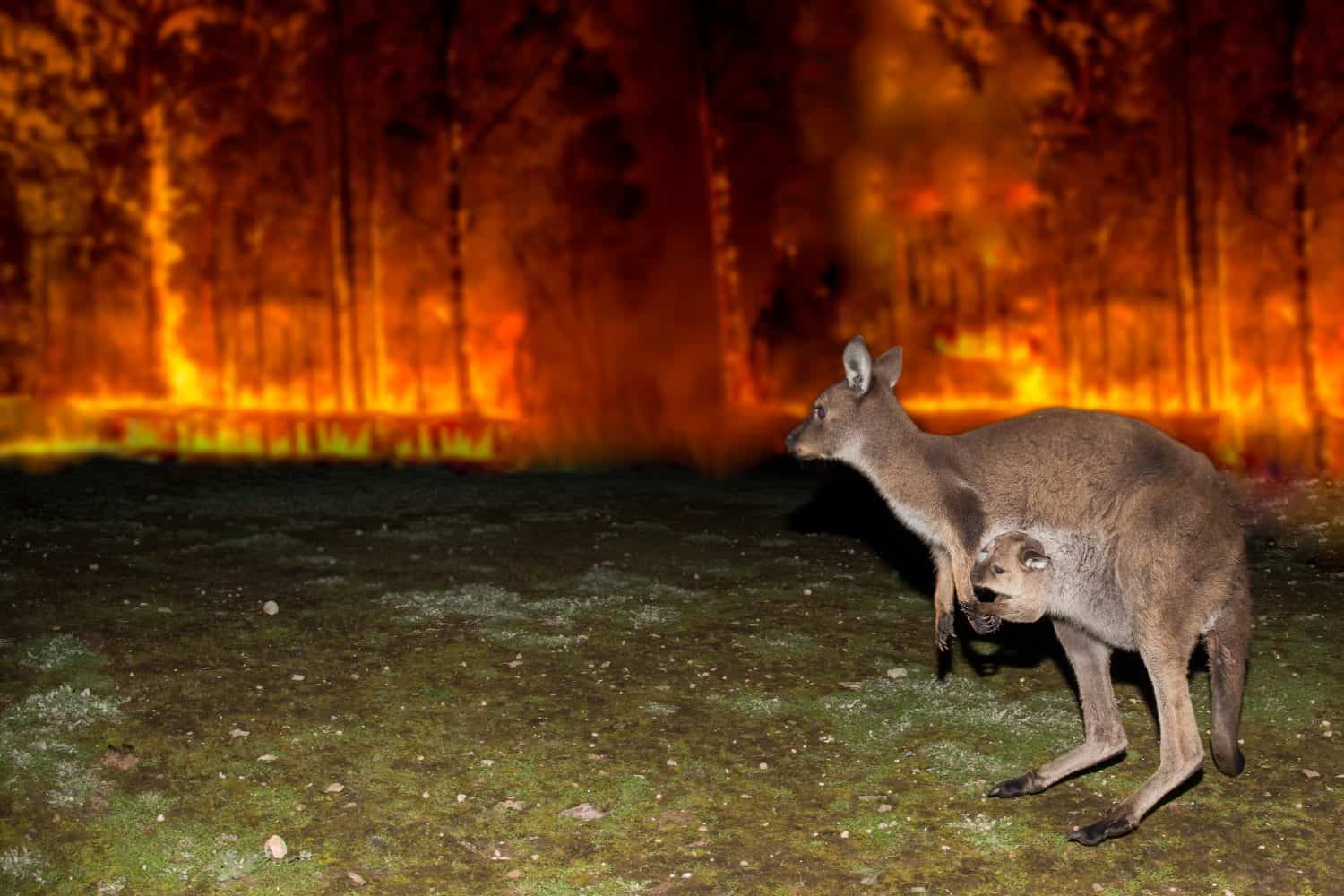
Billions of animals were killed or displaced during Australia’s Black Summer.
©Andrea Izzotti/Shutterstock.com
The fires were the result of decades of accumulated vegetation, coupled with high temperatures and drought. All it took was a spark from both dry lightning and human activities, and a fire of epic proportions took over the whole of Australia.
While the loss of human life was tragic, the loss of wildlife was even more significant. In total, three billion animals were displaced or died as a result of the fires. Some of these animals may have been lost forever, while others are still struggling to survive after their habitats were completely lost during Black Summer.
How Did Officials Arrive at Three Billion Species Being Killed or Displaced?
To determine just how many species were killed or displaced as a result of the Black Summer fires, the World Wildlife Fund for Nature commissioned 10 scientists from five institutions. Early estimates put the losses around one billion. This figure was staggering to comprehend. But when scientists looked beyond the devastation in New South Wales, they were shocked by the extent of the losses.
In total, three billion species were either lost or displaced by the fires. This figure came as the flora and fauna were largely absent in places like New South Wales, Kangaroo Island, northeast Victoria, and East Gippsland. What is even more startling about this figure is that it is seen as conservative. Species such as turtles and fish could not be included in the study because there was no baseline for their numbers. Therefore, the losses could be exceedingly higher.
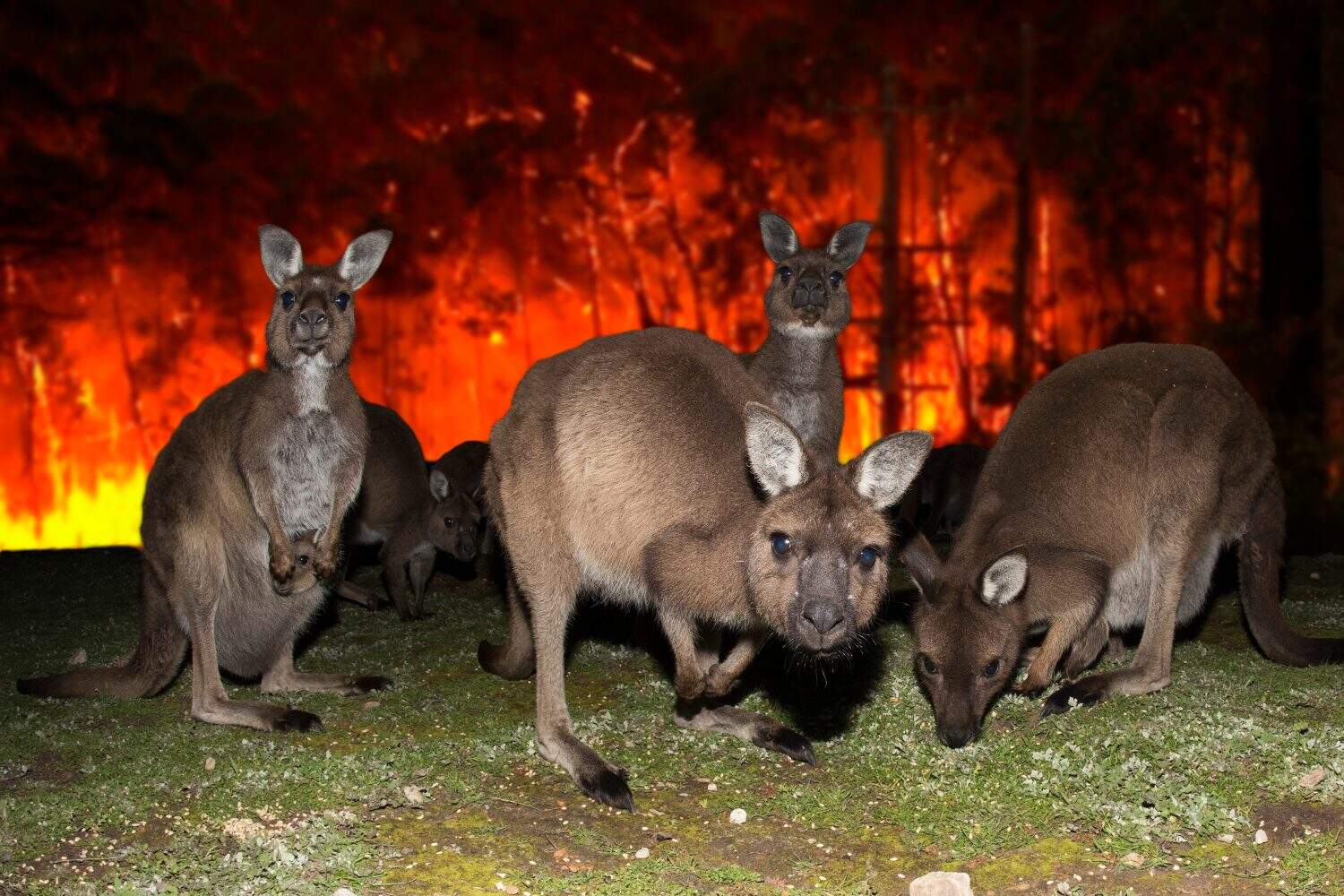
It is believed that 90% of the animals that lived in regions burned by the Black Summer fires perished.
©Andrea Izzotti/Shutterstock.com
Of the animals hardest hit, reptiles topped the list. The loss of life or displacement of life includes:
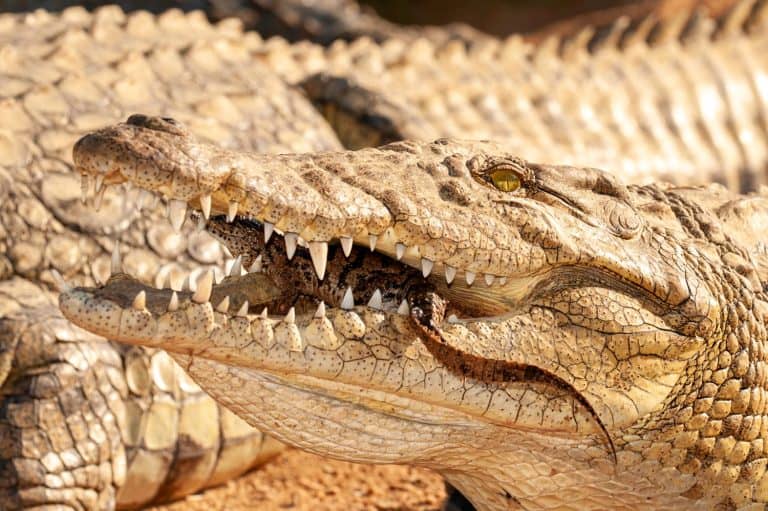
- 2.46 billion reptiles
- 180 million birds
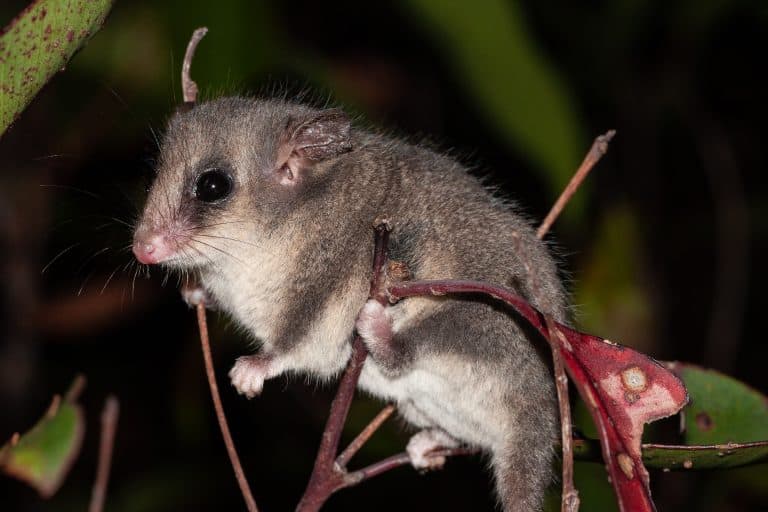
- 143 million mammals
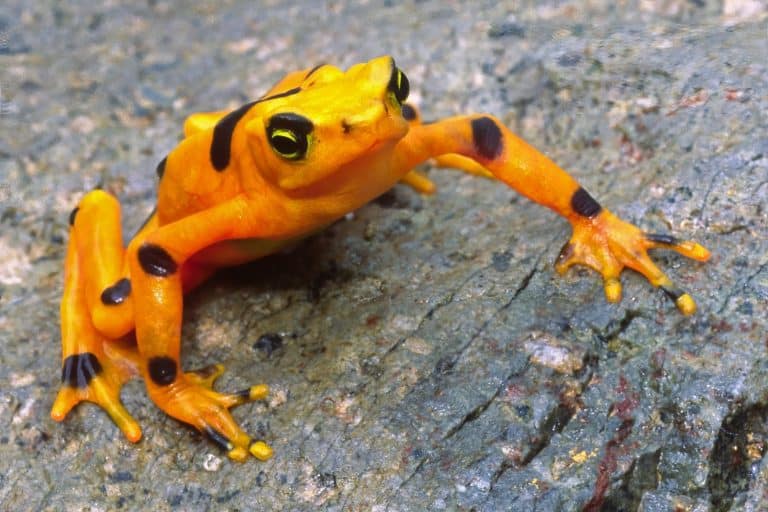
- 51 million frogs
According to the report, Australia’s 2019-2020 Bushfires: The Wildlife Toll, these figures were estimated based on the density of animals in a region, which was then multiplied by the acreage burned.
Unfortunately, it was too difficult to distinguish between displaced animals and those who perished. However, it is very possible that up to 90% of the animals in the burned regions died. Worse still, many species likely went extinct.
Short-Term Factors Impacting Wildlife in the Aftermath of the Black Summer Fires
The devastating fires that occurred from 2019 to 2020 will forever be something that will be scorched in the memory of those who lived through them. With nearly three dozen people killed directly from the fires, approximately 450 killed indirectly from things like smoke inhalation, and hundreds more displaced, the Black Summer fires were fires of epic proportions never before seen.
It was not only people affected by the Black Summer fires. Wildlife was impacted equally as hard. In some instances, experts believe harder. With the inability to flee or being severely injured, wildlife suffered in ways that experts are still working to understand.
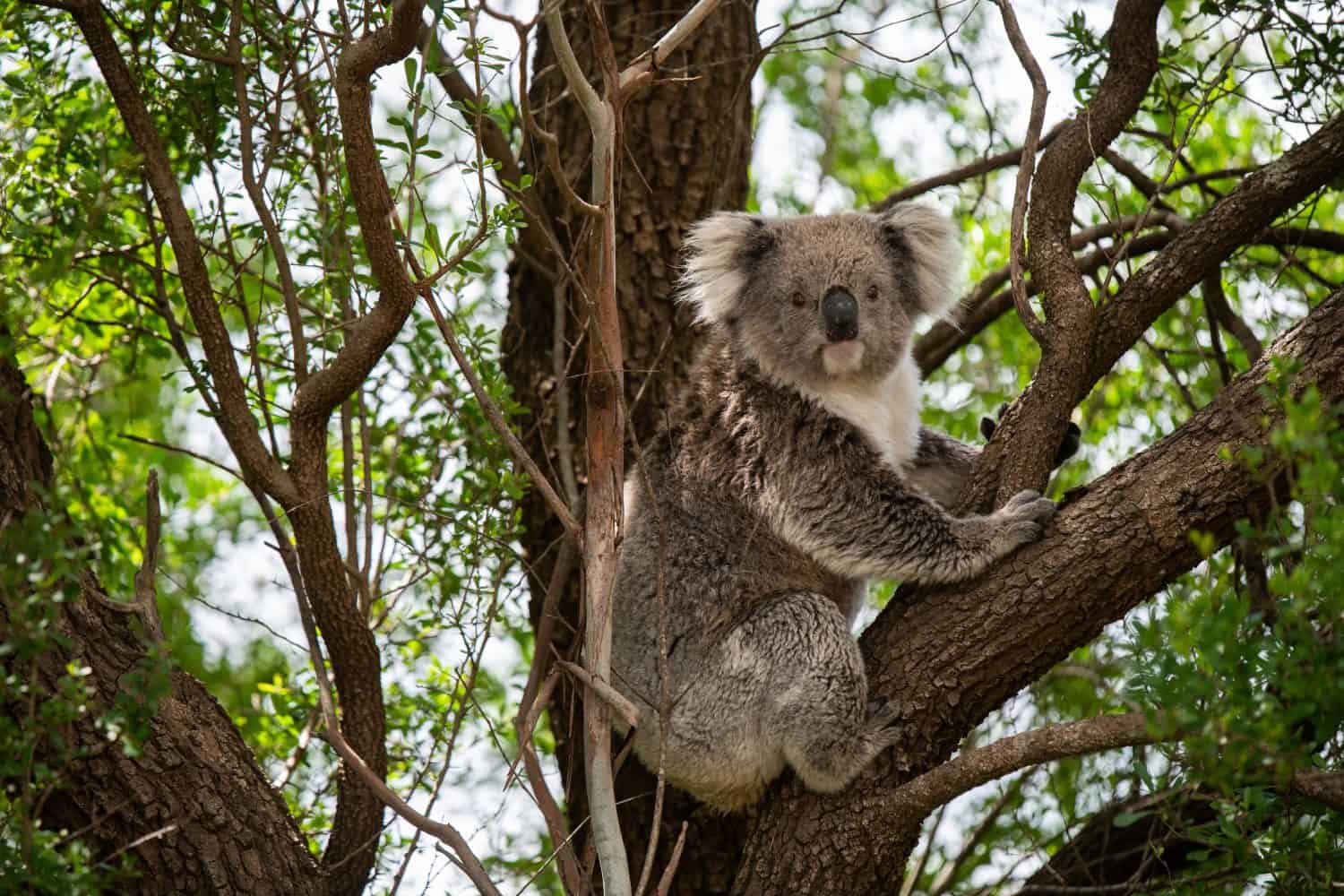
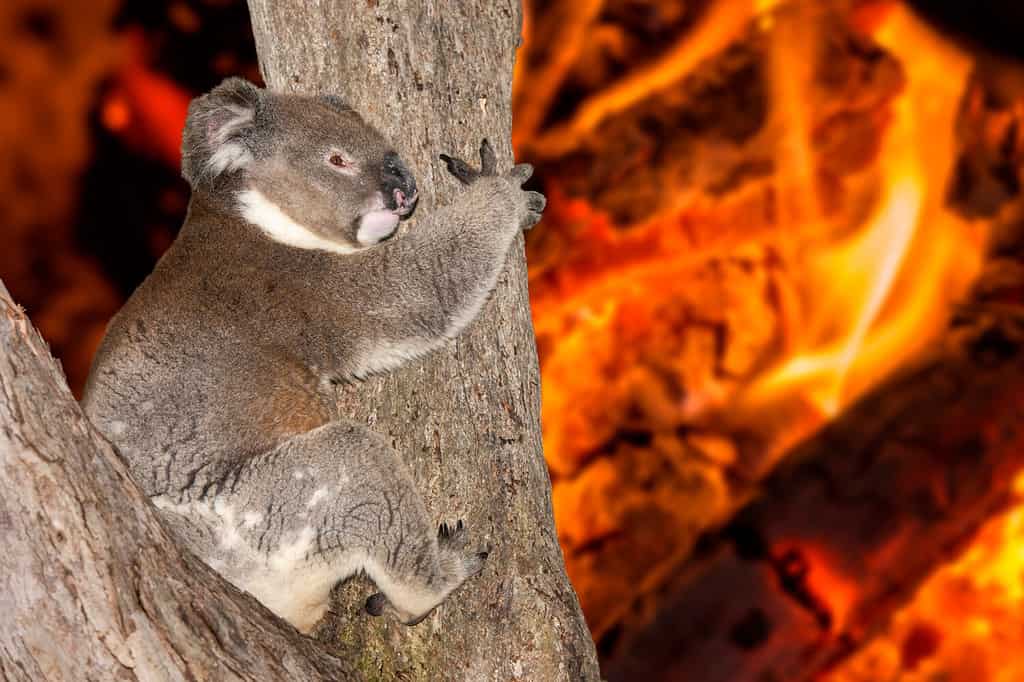
Many koalas fell victim to the Black Summer fires.
©William Edge/Shutterstock.com
As the fires burned, the short-term factors that impacted wildlife were abundantly clear. Those factors that affected wildlife most included:
- Inability to flee from the fires
- Being unable to shelter from the fires
- Being unable to find unburned shelter after fire devastated a region
- Suffering from heat stress
- Suffering smoke inhalation
- Suffering from dehydration
- Burned sediment being washed into waterways
- Resources competition in devastated areas
For the wildlife that survived the fires, there were still plenty of struggles to overcome. Some fared better than others, with extraordinary recovery rates. Others were not as lucky, and despite a harrowing attempt to exist in a post-Black Summer environment, species were lost entirely.
Long-Term Ecological Effects of the Black Summer Fires
Wildlife experts and conservationists are still coming to terms with the losses suffered during Black Summer. Flora and fauna species are attempting to recover in badly burned regions to this day. To help those on the brink, it is believed that $16 billion is needed annually to prevent an extinction snowball. Consequently, there are sure to be some species that are incapable of recovery and some that may already have gone extinct that will not be discovered for years to come.
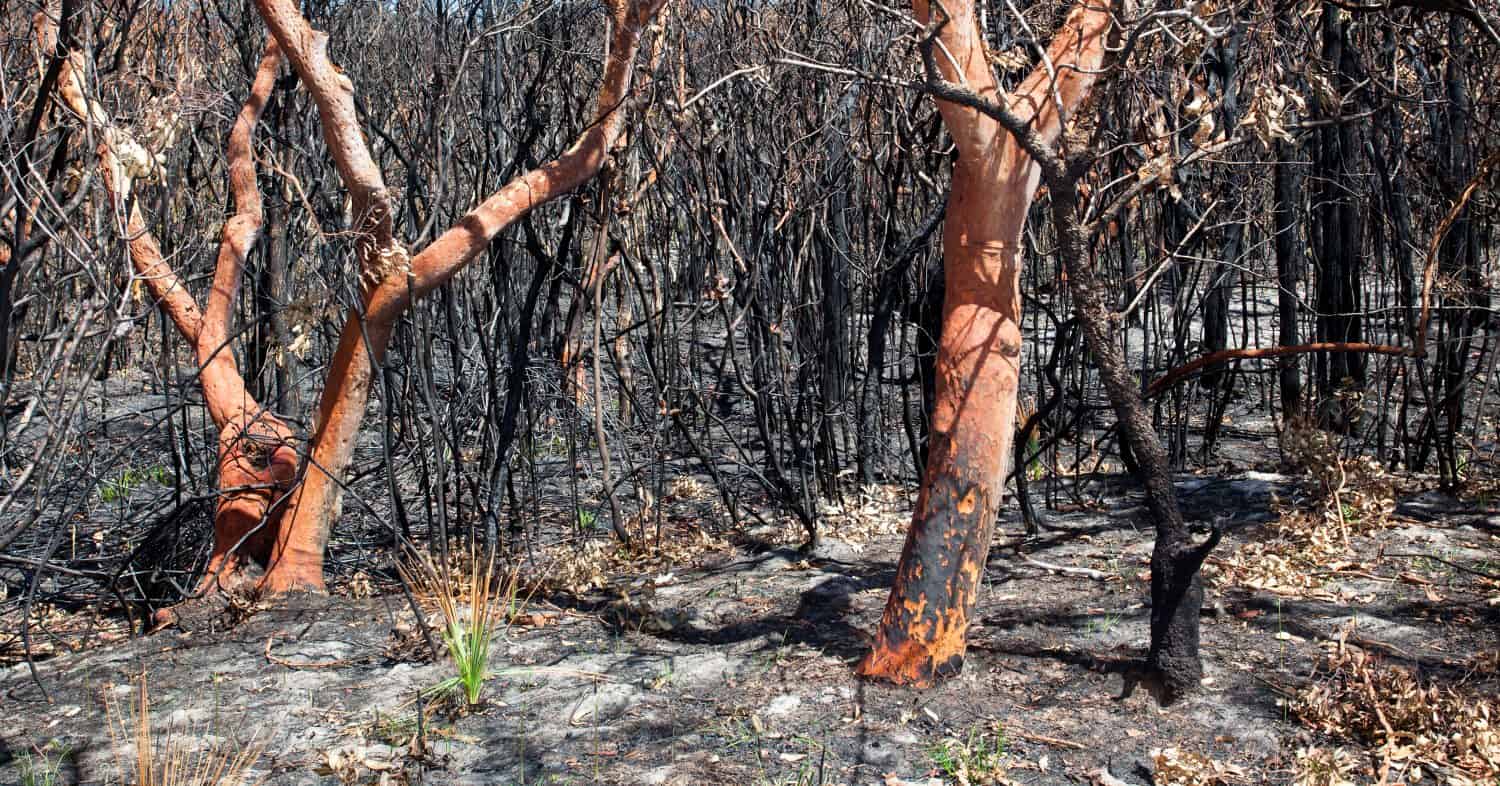
Regions that experienced “low to high severity” fires had a better chance of recovery than those that faced “extreme severity.”
©mark higgins/Shutterstock.com
According to a 2023 study published in Global Change Biology, areas that experienced “low to high severity” fires recovered within 18 months of the fires’ end. However, the areas that faced “extreme severity,” meaning the canopies were completely burned, did not fare as well. Wildlife have not returned to these areas in any meaningful manner, meaning they have found new habitats or, worse case, no longer exist.
It will take some time to see exactly what the long-term effects of the Black Summer fires are on both the landscape and the animals that lived there. With so much wildlife and plant life being lost, however, the burned areas will likely never be the same.
Black Summer Fires Recovery Efforts
Recovery efforts have been underway in Australia since the Black Summer fires ended. While some progress has been made, there is still much to do to get habitats back to being healthy and thriving for the wildlife that managed to survive the most devastating fire in modern history.
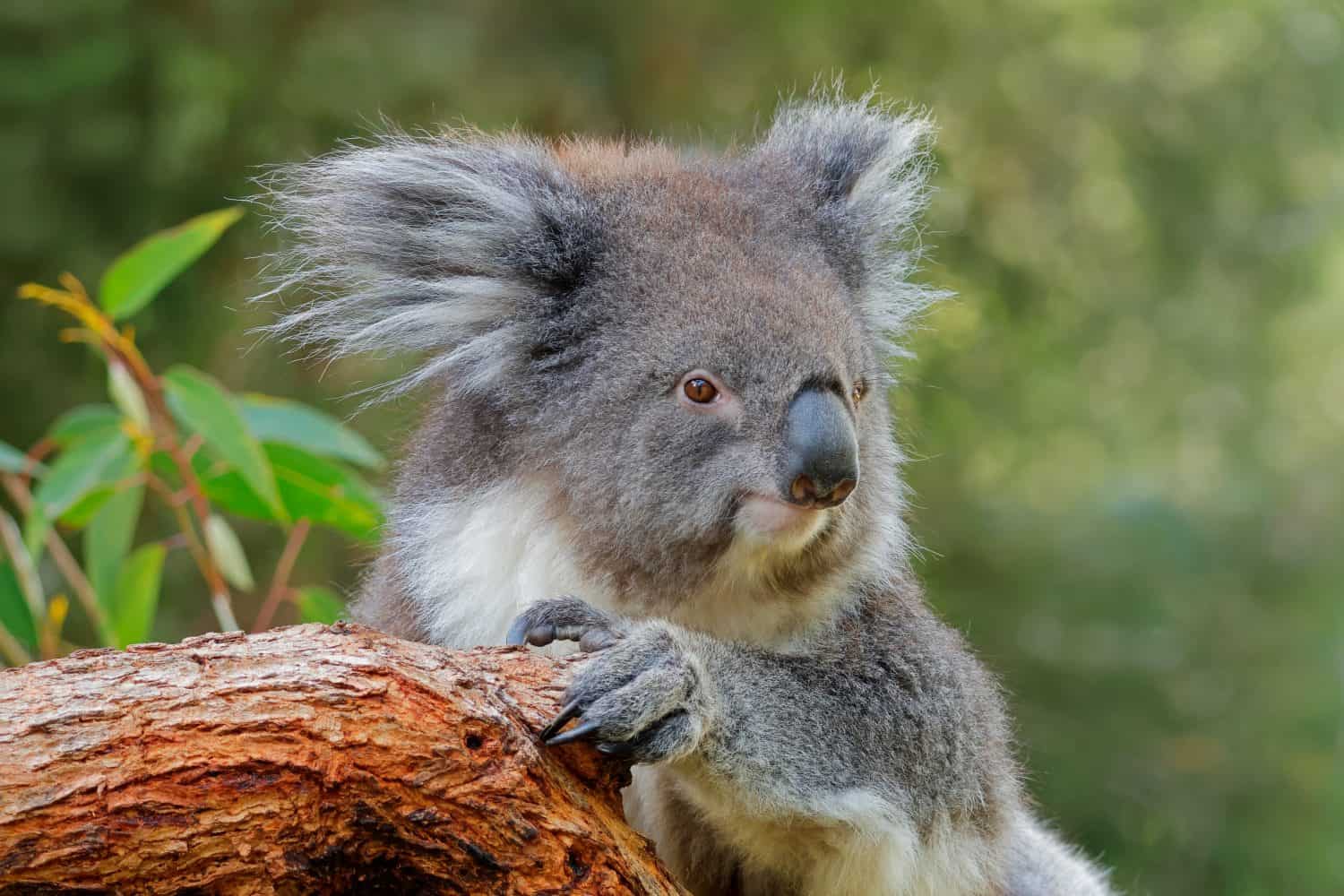
Trees have been replanted to help koalas return to their native habitats.
©EcoPrint/Shutterstock.com
Some of the recovery efforts that have taken place since the Black Summer fires destroyed so much of Australia include:
- Over 100,000 trees have been planted in devastated areas in hopes of bringing back wildlife, including koalas
- Nearly 150 acres of new habitats have been created, specifically to monitor for wildlife recovery
- Using camera traps and AI technology to monitor how wildlife is recovering
- Discussion of the use of controlled burns, given that biodiversity is greater after fires occur
- Wildlife corridors are being constructed, complete with water drinkers and nest boxes
There is no telling how long it will take for the areas in Australia burned during the Black Summer fires to recover. In fact, the regions may never recover fully. But with steps being taken to help flora and fauna return to their native habitats, species that were forced to evacuate can and have returned. Just how many more will in the upcoming years, remains to be seen.
What Did the Black Summer Fires Reveal About Climate Change?
The Black Summer fires were of an intensity never seen in modern history. With only 40% of the normal annual rainfall and higher-than-normal temperatures, Australia became a tinderbox. Then, the unthinkable happened, and from June 2019 to March 2020, Australia was on fire.
According to a 2021 study published in Nature Communications, climate change is causing fire seasons to not only burn longer but also burn more acreage than in the past. Where there used to be a fire season that occurred only in spring and summer, it is now a year-round event.
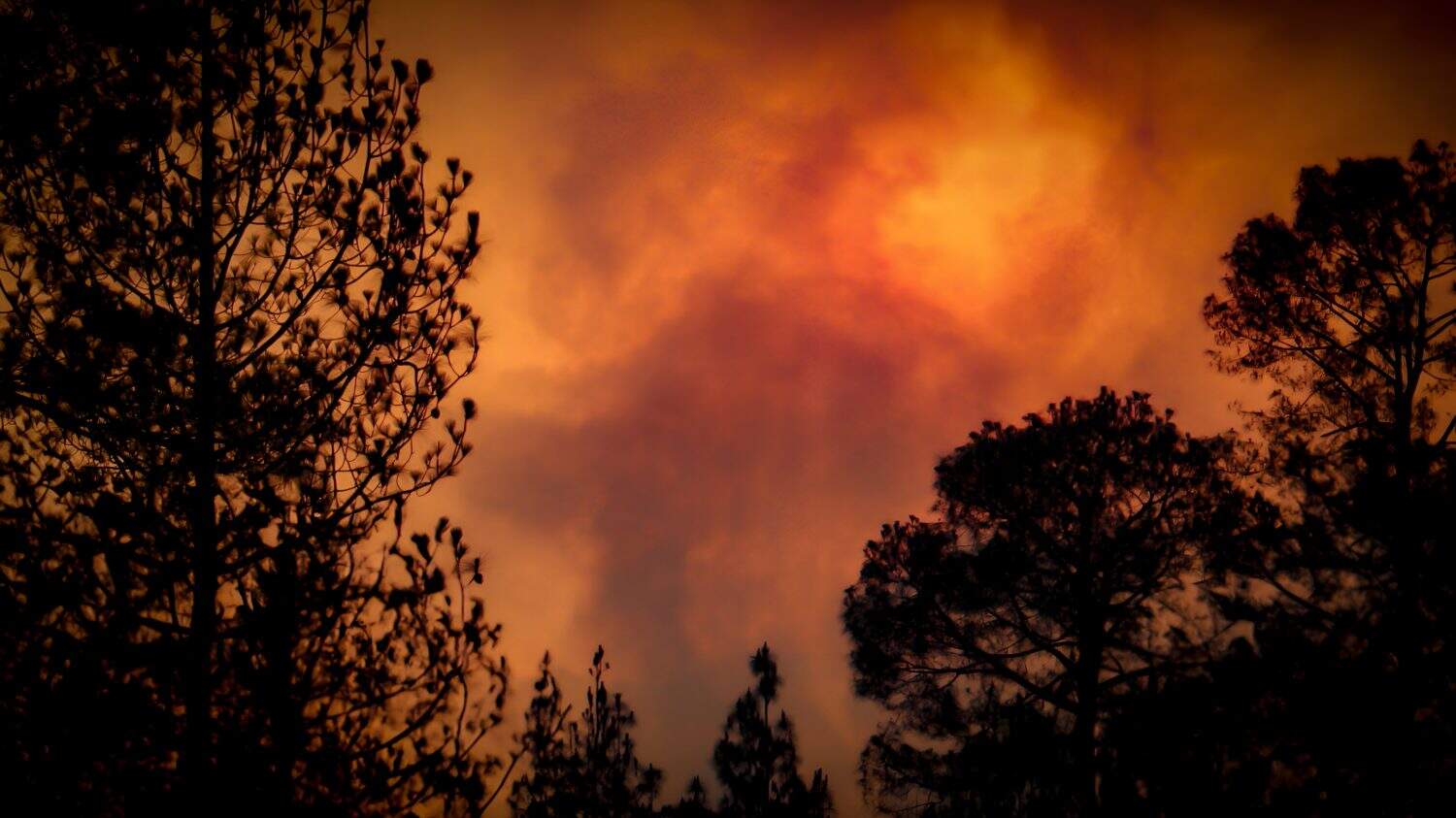
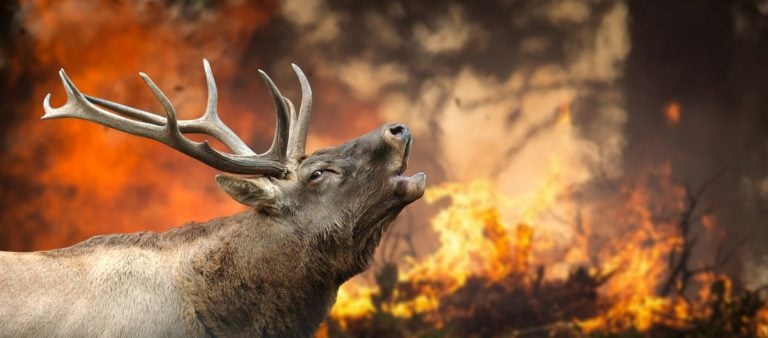
Climate change has made temperatures rise, increased drought, and made wildfires burn hotter than at any other time in modern history.
©Holly Cheese/Shutterstock.com
In addition to the lack of an end to the fire season, there is an increase in dry lightning strikes. With increased dry vegetation that has not burned in several seasons, a dry lightning strike is all it takes to send a region up in flames. But that is not where the atmospheric danger ends. Once fires are burning, more fire-generated thunderstorms occur. These thunderstorms quickly move embers from one area to the next, spreading fires at rates that strike teams cannot keep up with.
All of these factors that cause mega fires can be attributed to climate change. Unfortunately, despite past efforts to reduce greenhouse gas emissions and keep Earth’s temperature from increasing, the goals set forth in the Paris Agreement are unlikely to be met. With the goal year of 2030 right around the corner and countries far from the goals set, climate change is only going to continue to intensify things like wildfires. This is why new policies and procedures for battling wildfires are being developed so that incidents like the Black Summer fires remain the exception rather than the norm.
Animals That Are Recovering and Those Whose Future is Uncertain
The Black Summer fires have long ago burned out, but many species continue to struggle in the years since the devastation. With habitats, breeding grounds, and waterways destroyed in the fires, a variety of animals were displaced. As ecosystems recover, some species have remarkable comeback stories. The flip side, however, is that some are still on the brink of extinction.
The species that are still very vulnerable in the years after the Black Summer fires include:
- Kangaroo Island dunnart
- Hastings River mouse
- Long-footed potoroo
- Kangaroo Island echidna
- Koalas
- Wallabies
- Yellow-bellied glider
- Multiple cockatoos
- Regent honeyeater
- Western ground parrots
- Superb lyrebird
- Multiple species of fish
- Multiple species of crayfish
- Multiple species of frogs
- Multiple species of reptiles
In addition to these animals, insects, spiders, trees, shrubs, and grasses are alive after the fires but are struggling. Experts believe there are 119 species in total that may eventually go extinct as a result of the Black Summer fires without extreme intervention.
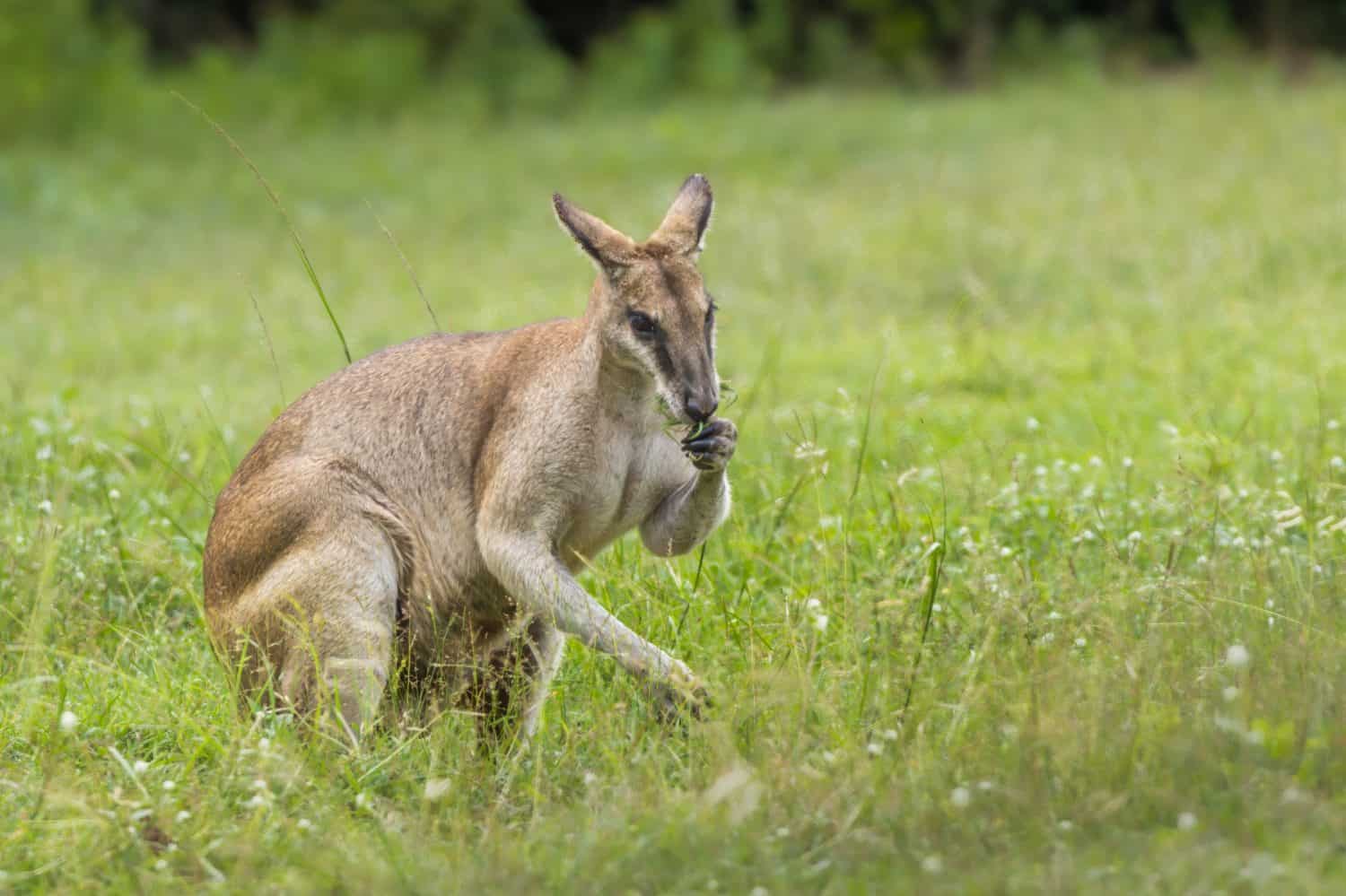
Wallabies are still recovering from the Black Summer fires.
©Gawanbag/Shutterstock.com
To say Black Summer was devastating is an understatement. The fires changed the landscape of Australia. Animal populations declined dramatically, with some species being driven to extinction. Others are on the brink, with their futures now uncertain.
The unfortunate truth is that as climate change continues to alter weather patterns that have shaped a region for hundreds, if not thousands of years, massive fires have now become a reality. Despite talk over the last few decades of how to make global changes that will slow climate change, no real action has come to fruition. Now, the consequences of those inactions are being felt. Without change, animals and people alike will continue to suffer as fires destroy landscapes. Yes, there is recovery after devastation, but at some point, recovery may not be possible. Australia learned this all too well with Black Summer, which should serve as a warning of what is to come without significant change.