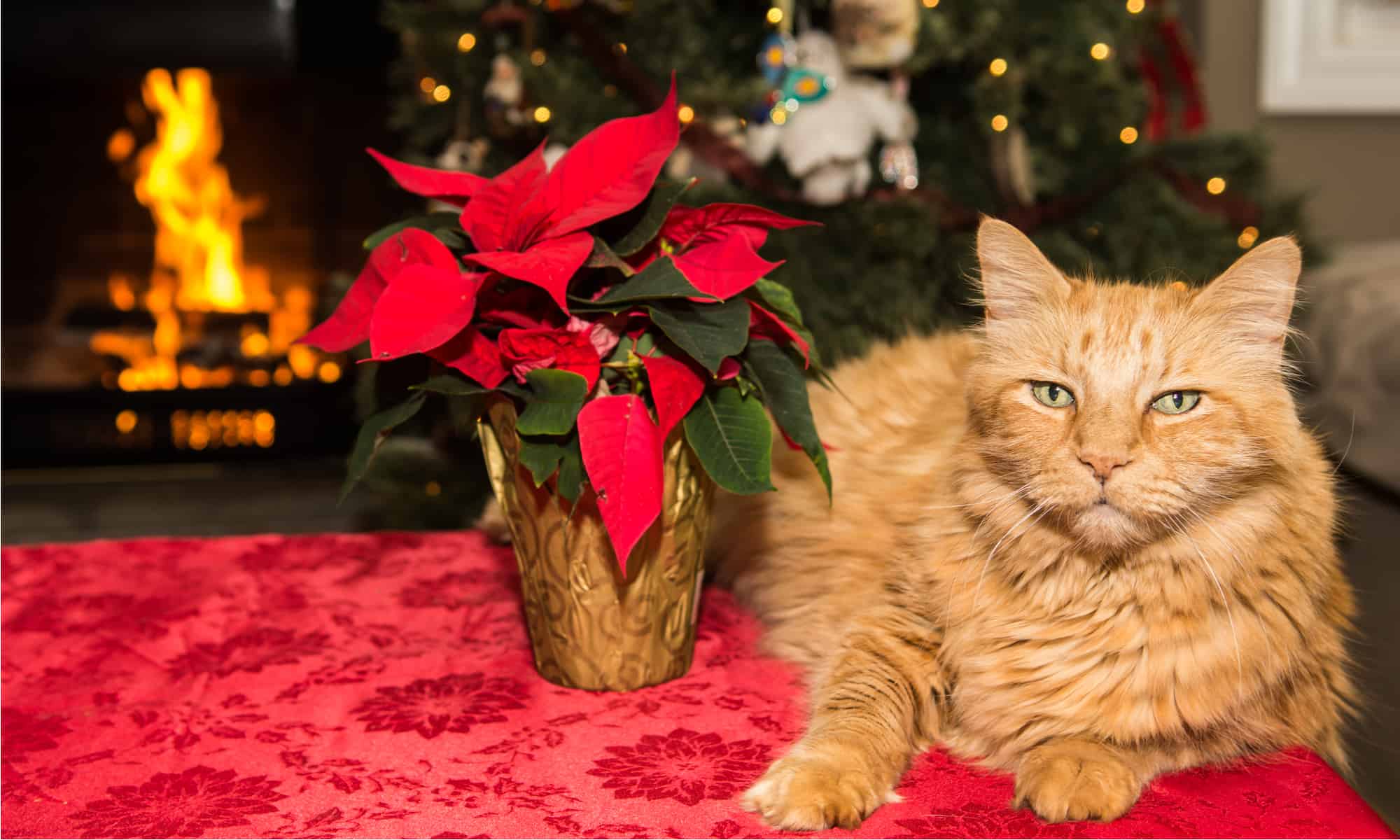

Poinsettias are the most beautiful Christmas flower, with their bright red leaves that instantly put you in a holly jolly mood. However, these plants always come with a warning: they are toxic if ingested by pets. Is that actually true, though, or is it more nuanced than that?
Dr. Nathaniel Rakestraw, DVM, shares some insights into what pet owners need to know if their dog or cat eats poinsettias this winter — and what he has to say might surprise you.
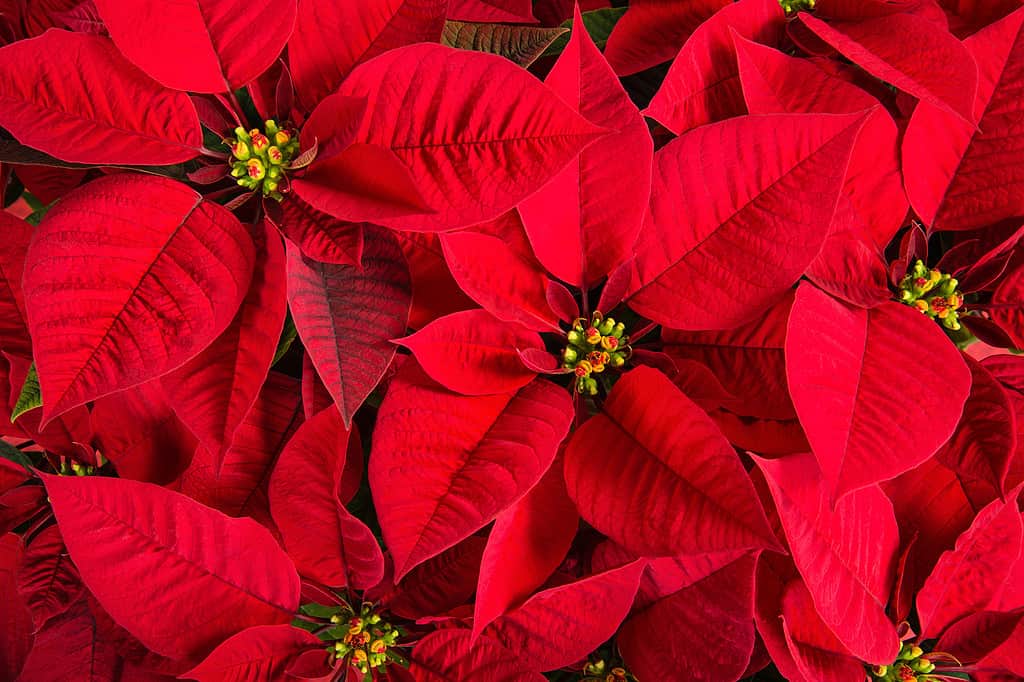
Poinsettias aren’t as toxic to pets as people believe.
©leekris/iStock via Getty Images
Poinsettias have a reputation for being dangerous, but in reality, they usually only cause minor irritation,” Dr. Rakestraw tells A-Z Animals. “When a dog or cat chews on the plant, the sap can cause mild stomach upset. Most pets will drool, vomit once or twice, or have soft stools, but then return to normal.
“It is more of a nuisance plant than a true poison,” he adds.
As a dog owner who loves poinsettias during the holidays, that’s a relief! Of course, I still don’t want my dog to have an upset stomach or vomit, but it’s reassuring to know it’s not as dangerous as we’ve always heard. I don’t have to avoid having one in my home, especially since my dog doesn’t usually eat my plants.
It is more of a nuisance plant than a true poison.
Dr. Nathaniel Rakestraw, DVM
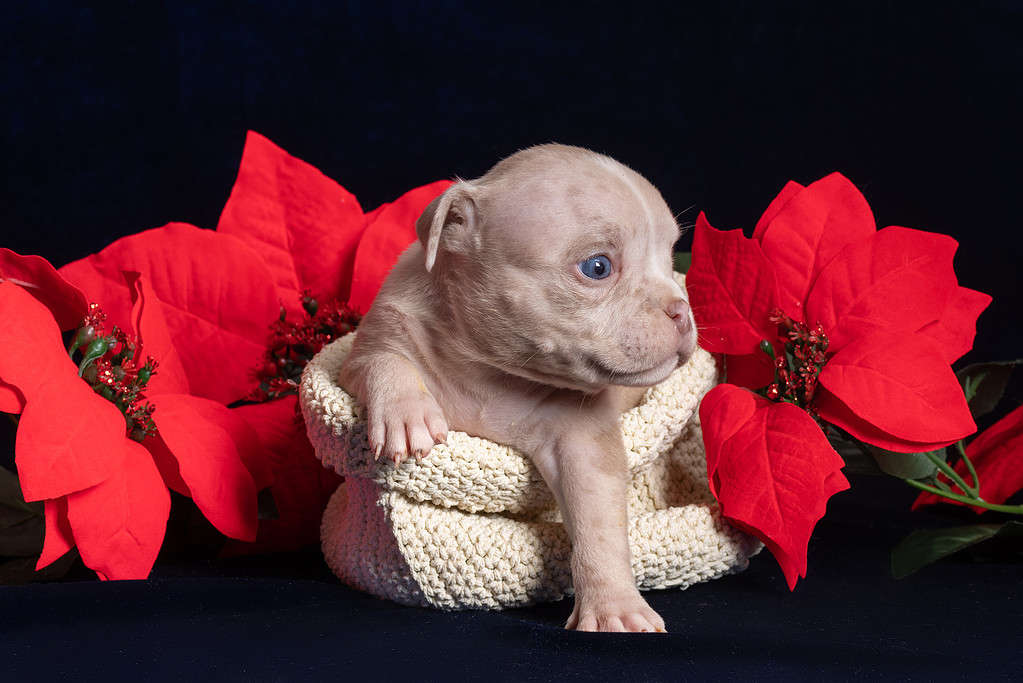
Unless your pet eats copious amounts of poinsettia, they will likely not have more than a mild irritation.
©Alena Ivochkina/iStock via Getty Images
The idea that poinsettias are toxic to pets (and children) has been spread for years, but it’s not actually true.
“Poinsettias are not the deadly holiday plant many people believe they are,” says Dr. Rakestraw. “The myth goes back more than a century to a story about a child who was said to have died after eating poinsettia leaves. That incident was never confirmed, but the story spread widely, and the plant carried that reputation for decades.”
Unless your pet eats large amounts of poinsettia instead of their regular food, they will probably be fine. “We now know a pet would have to eat an extremely large amount of poinsettia to experience more than mild irritation,” he explains.
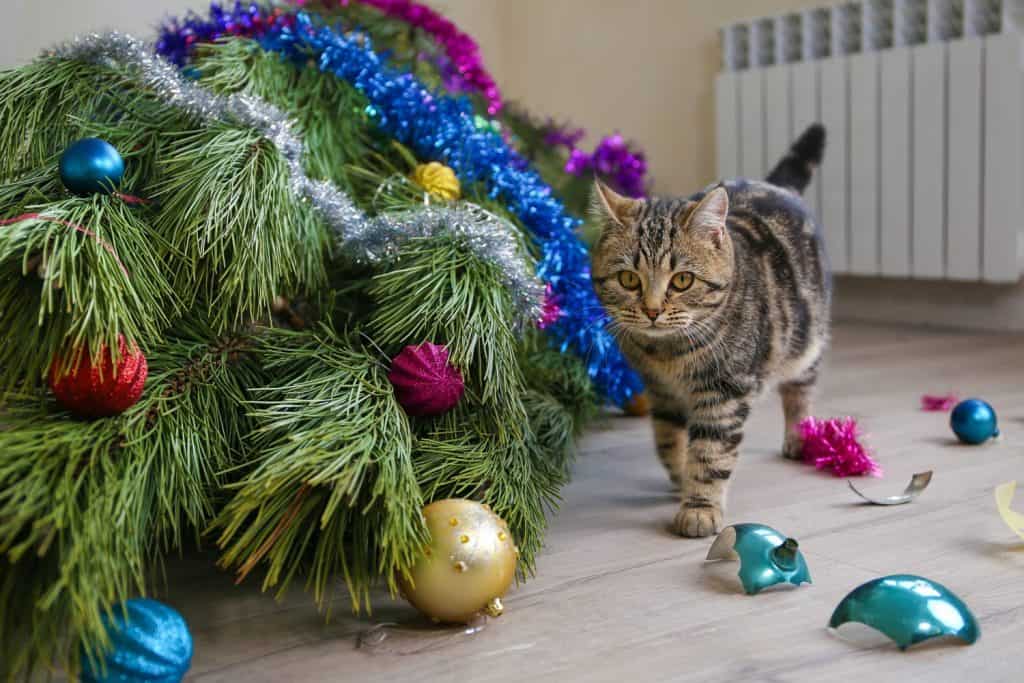
Live Christmas trees and other plants could be more dangerous to pets than poinsettias are.
©Victoria 1/Shutterstock.com
Although poinsettias aren’t seriously harmful for your furry friend, there are other holiday plants that can be dangerous.
“Popular holiday plants can cause real harm, and it is important for pet owners to know which ones to avoid,” Dr. Rakestraw says. These include true lilies, holly, mistletoe, and amaryllis, which are toxic to pets. Live Christmas trees are less toxic but can still cause irritation or digestive upset. He explains below why each of these plants is harmful:
- True lilies are the biggest concern for cats, because even a small amount of pollen or a nibble on a leaf can lead to life-threatening kidney failure.
- Holly and mistletoe can cause significant vomiting and diarrhea and, in some cases, heart or neurologic issues.
- Amaryllis can trigger vomiting, drooling, and tremors.
- Live Christmas trees come with risks because the needles can irritate the digestive tract, and the tree water often contains bacteria or fertilizer.
Even if you avoid all the dangerous plants, your dog or cat could still get into something harmful, especially during the busy holiday season when there are more people and unfamiliar foods around. Pay attention to your pet’s behavior, and if you notice any of the following signs or symptoms, take them to an emergency vet.
“Most pets show symptoms quickly when they ingest something they should not,” Dr. Rakestraw says. “Common signs include vomiting, diarrhea, drooling, pawing at the mouth, or refusing food. Some pets suddenly become very quiet or start hiding. In more serious situations you may see tremors, weakness, or wobbliness. Any sudden change in behavior paired with chewed leaves or soil nearby should raise concern.”
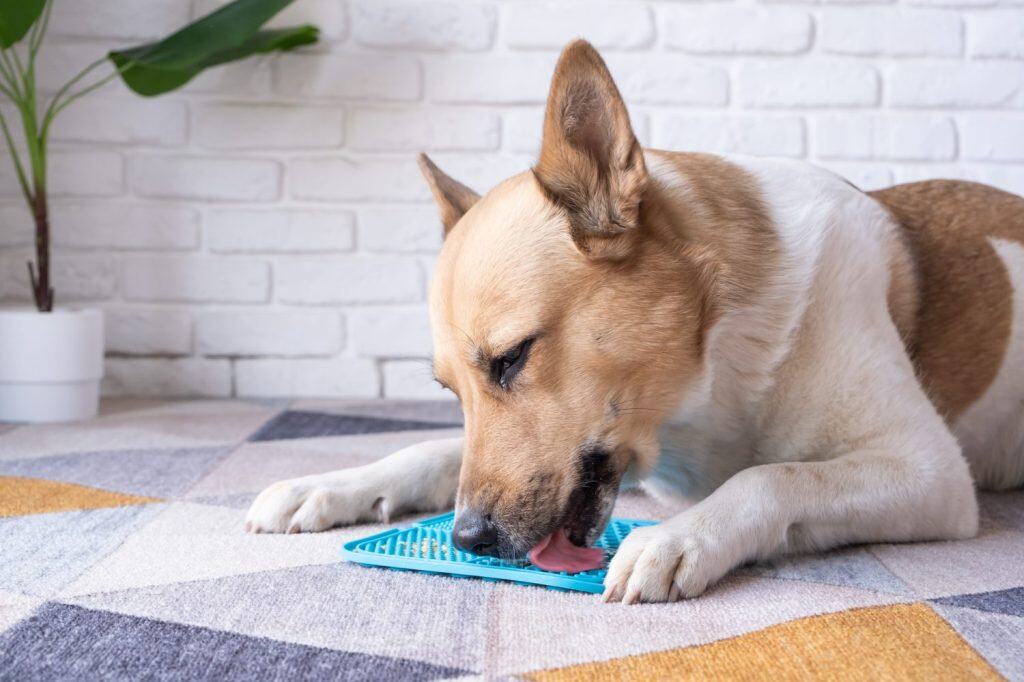
Depending on what your pet eats, they may be fine with monitoring at home.
©ilona.shorokhova/Shutterstock.com
“If a pet eats a poinsettia, monitoring at home is usually enough,” says Dr. Rakestraw. He recommends, “Wipe any sap off their face or paws, offer water, and expect some mild stomach upset that should resolve.”
However, if your pet ingests something toxic, they may need immediate veterinary attention.
“If a pet eats a truly toxic plant, especially lilies with cats, seek veterinary care right away,” he adds. “Bringing a photo of the plant or the plant itself can help with fast identification, and early treatment can make a major difference in the outcome.”