
Quick Take
- One dietary tweak separates a butterfly that lives two weeks from one that survives nearly a year, and most people would never guess what it is.
- Scientists built a tiny device nicknamed 'The Pullinator' to test whether these butterflies were actually aging slower, and the results were hard to believe.
- Even when denied their longevity-boosting diet, these butterflies still outlive their relatives, a fact that points to something far more fundamental than food.
- These butterflies evolved to resist memory loss and muscle decline, but there's one inescapable aspect of aging that no genetic trick can fix.
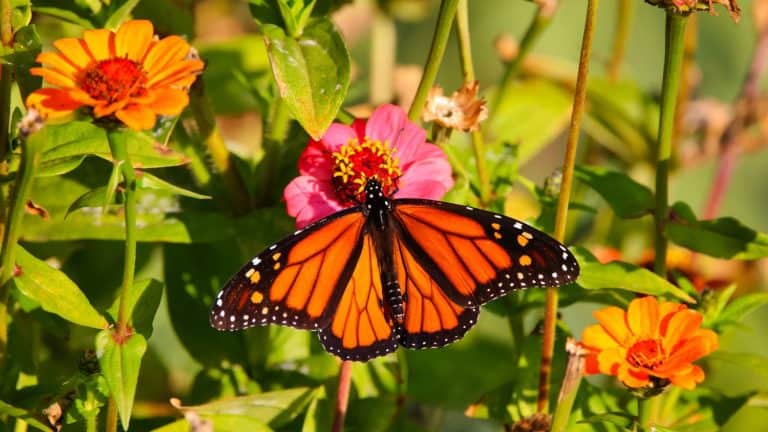
A butterfly emerges from its chrysalis, entering its beautiful winged adulthood; the markings on its drying wings and its pheromones announce its species. In its final stage of life, it will no longer grow; instead, it will fly from flower to flower to collect energy-rich nectar and seek opportunities for sex. After a few weeks, it will die, representing the beauty and brevity of life. Nearly all butterflies follow this path as adults, but a recent study on butterflies in the Heliconius genus helps explain how some butterflies have tweaked their diet to live as much as 25 times longer than their relatives—all while apparently immune to the deleterious effects of ageing.
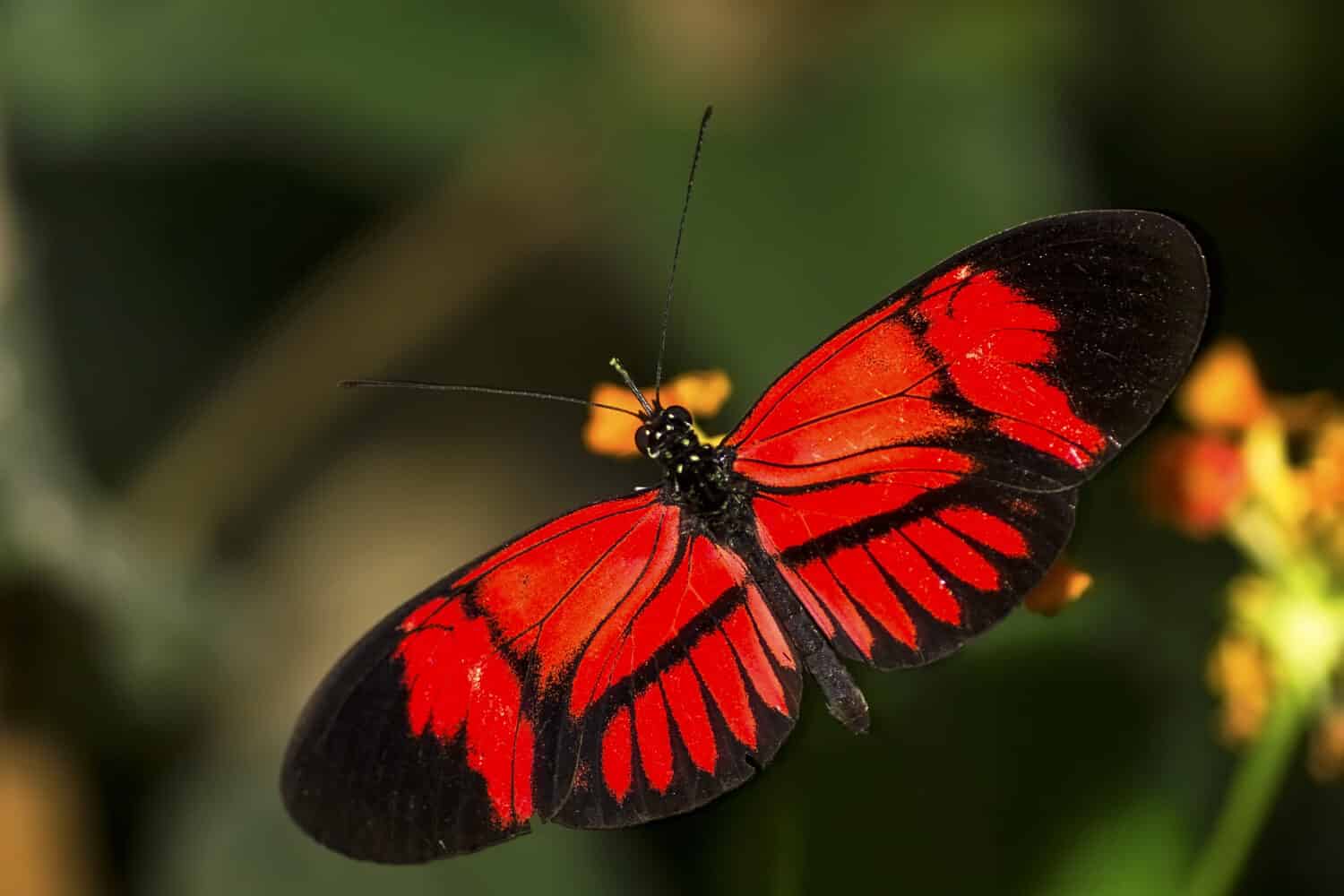
Butterflies in the Heliconius genus are as widespread as they are broadly adored; they are common in tropical and subtropical North, Central, and South America, and they are a favorite in butterfly houses. Easy to breed and handle, they also make for excellent research subjects, and studies into them have helped reveal how mimicry evolves and speciation occurs. The study published in Nature Communications investigates the mechanism that Heliconius butterflies use for their remarkable lifespans.
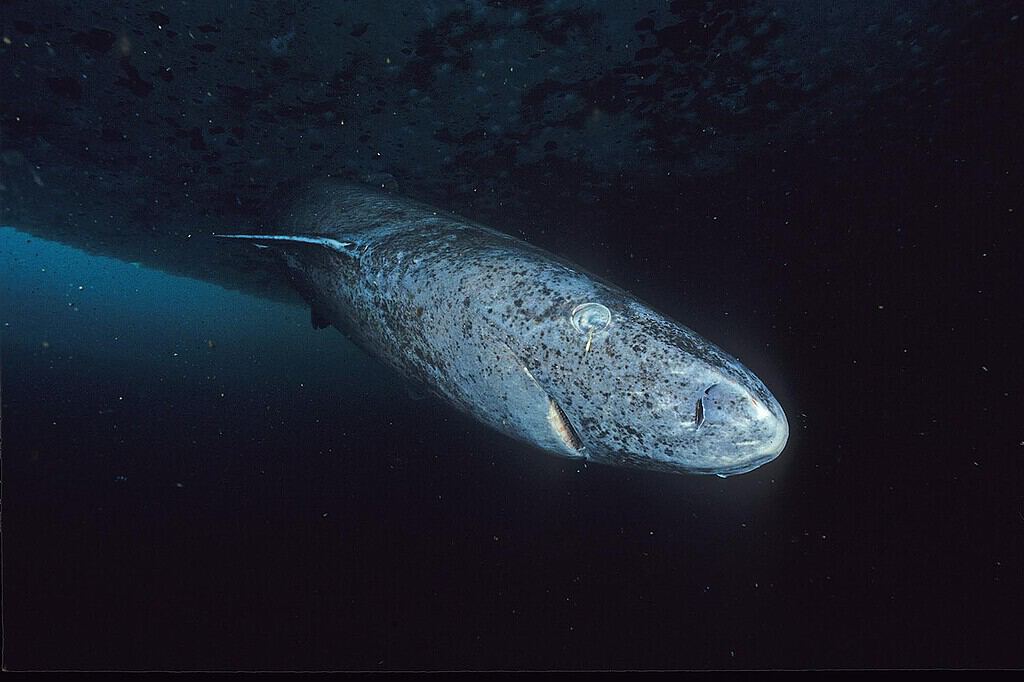
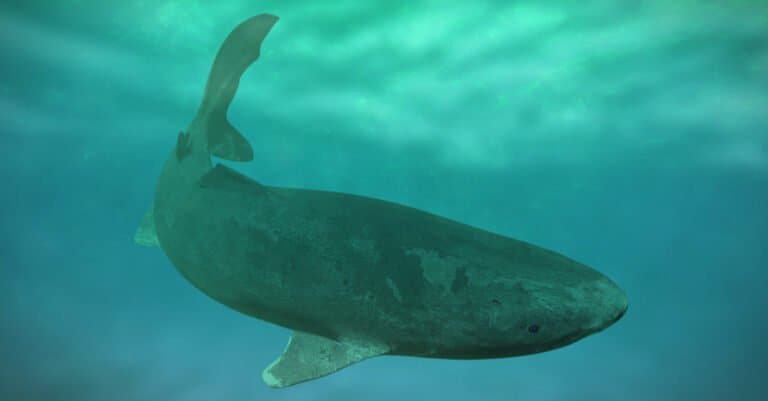
Greenland sharks live in near-freezing water and have a sluggish lifestyle.
Naked mole rats live 5 times longer than comparable rodents; they are functionally immune to cancer. Bowhead whales cruise the Arctic Ocean for up to 200 years, benefiting from a cold-activated protein that corrects damage to an organism’s DNA that accumulates over time and is thought to contribute to aging and age-related diseases. Greenland sharks hold the record for the longest-living vertebrates, with lifespans of at least 250 years and possibly up to 500 years. Their low growth rate and slow metabolism are thought to contribute to this long lifespan, as well as similar DNA-repairing proteins, as observed in mammals.
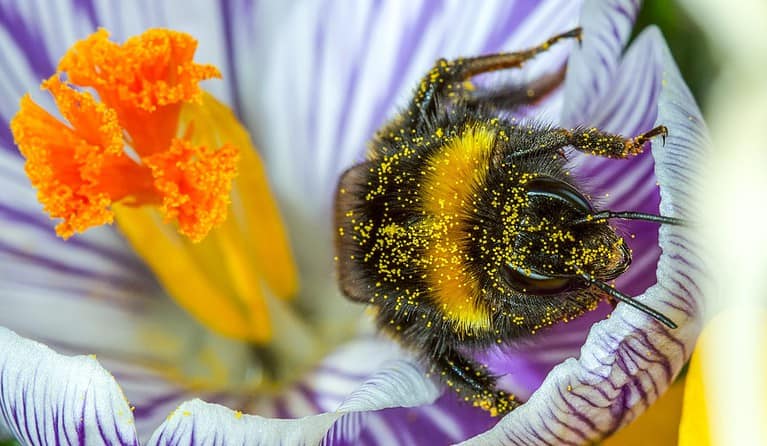
Alternatively, invertebrates usually live fast and die young: the most extreme example, the mayfly, only spends one day in its adult stage before expiring. Most butterflies spend just 2-4 weeks on the wing before their life cycle ends. As caterpillars, they forage broadly on their host plants, consuming carbohydrates, lipids, and amino acids that give them the energy and materials to grow and reproduce. Once they become adults, they rely only on nectar to fuel their mating and laying of eggs. But several species in the genus Heliconius have evolved to eat pollen, developing longer lifespans in the process.
While their close relatives die after about 6 weeks, pollen-eating Heliconius butterflies have been observed living for almost a year: an almost 9-fold increase in lifespan. Eating pollen gives the butterflies access to amino acids and lipids, which are used in muscle maintenance and immune function. Researchers discovered that Heliconius butterflies that ate pollen not only lived longer but also resisted many of the symptoms associated with aging, including weight loss, memory deterioration, and muscular weakness. To gather this data, researchers used clever tools to test the butterflies’ memory and strength.
Sequestering toxins in their tissues, Heliconius butterflies resist predation and can live and reproduce for longer
©iStock.com/ktreffinger
Butterflies were taught that purple (plastic) flowers contained sugar water, while yellow flowers contained nutritionless, distasteful quinine, and then all the flowers were replaced by white flowers for 12 days. Next, researchers reintroduced the colored flowers and noted which individual butterflies remembered that the purple flowers were desirable. Pollen-fed Heliconius butterflies not only performed better on this test than their non-pollen-feeding relatives, but also had more developed neural structures that support learning and memory.
Researchers tested the muscle strength of the butterflies at various points in their lifespan by holding their wings and having them grasp a small metal bar before pulling them away. The bar measured the maximum amount of force the butterfly could exert (researchers dubbed this device “The Pullinator”). Pollen-fed Heliconius stayed stronger than their counterparts, even right up to the end of their lifespans.
Yet even when deprived of pollen, Heliconius butterflies still had long lifespans, suggesting that they have evolved ways to delay aging, even without the nutritional help provided by pollen. Organisms typically decline physiologically once they have passed the age of reproduction; natural selection does not promote longevity unless it can somehow promote reproductive success. This is a core concept in the study of ageing, referred to as the “selection shadow.” But pollen-feeding Heliconius butterflies take a different route than their kin; their ability to gather lipids and proteins as adults means they can use the amino acid and lipid reserves gathered as larvae for body maintenance and other factors that promote longevity. Access to these nutrients as adults greatly extends their reproductive lifespan—and natural selection appears to have helped them develop ways to resist aging.
At this point, researchers aren’t sure exactly what genetic changes have occurred that allow some Heliconius butterflies to maintain their health and vitality for many months of life. A close and comparative analysis of the genetic code of these butterflies would be required to determine which genetic changes promote long lifespans.
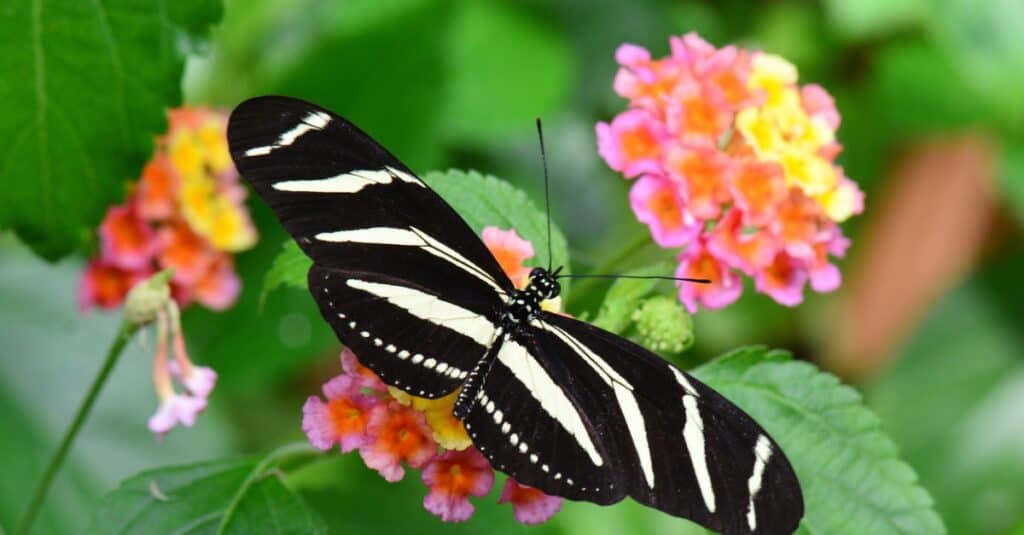
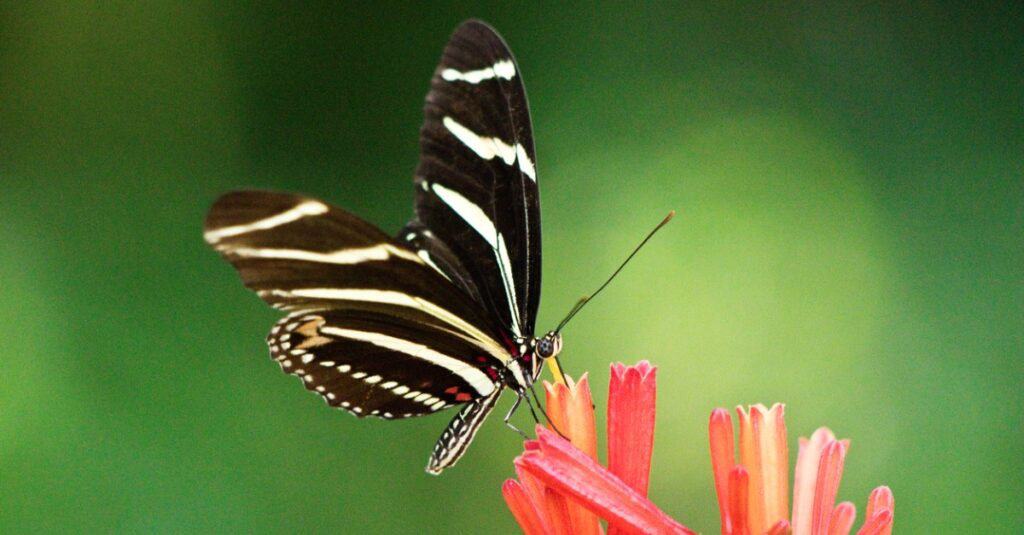
The zebra longwing (Heliconius charithonia) visits specific flowers to gather their pollen, which it synthesizes into toxic cyanogenic compounds using enzymes in its saliva.
©iStock.com/SHAWSHANK61
Heliconius butterflies have the ability to sequester dangerous and distasteful compounds in their bodies derived from the plants that they eat as caterpillars, but this effort is wasted unless predators are warned about the danger. Many species in this genus resemble one another, and they have become model organisms for the study of Müllerian mimicry, when species share similar warning signs. These striking patterns also make them popular for insectariums and among collectors. Because many predators learn to avoid Heliconius butterflies, it makes evolutionary sense for these butterflies to invest in longevity. Invertebrates that are highly vulnerable to predation tend to reproduce very quickly.
These butterflies discovered that by repeatedly moving their long, tubular proboscis over pollen grains, they could grind down the protective coating and access additional nutrients. This adaptation has driven more evolutionary changes; female Heliconius lay fewer eggs a day than close relatives, but may be more careful about their placement, and they can lay eggs until the very end of their extended lives. These novel adaptations drive speciation, and researchers noted that these changes occurred relatively recently—within the last 18 million years.
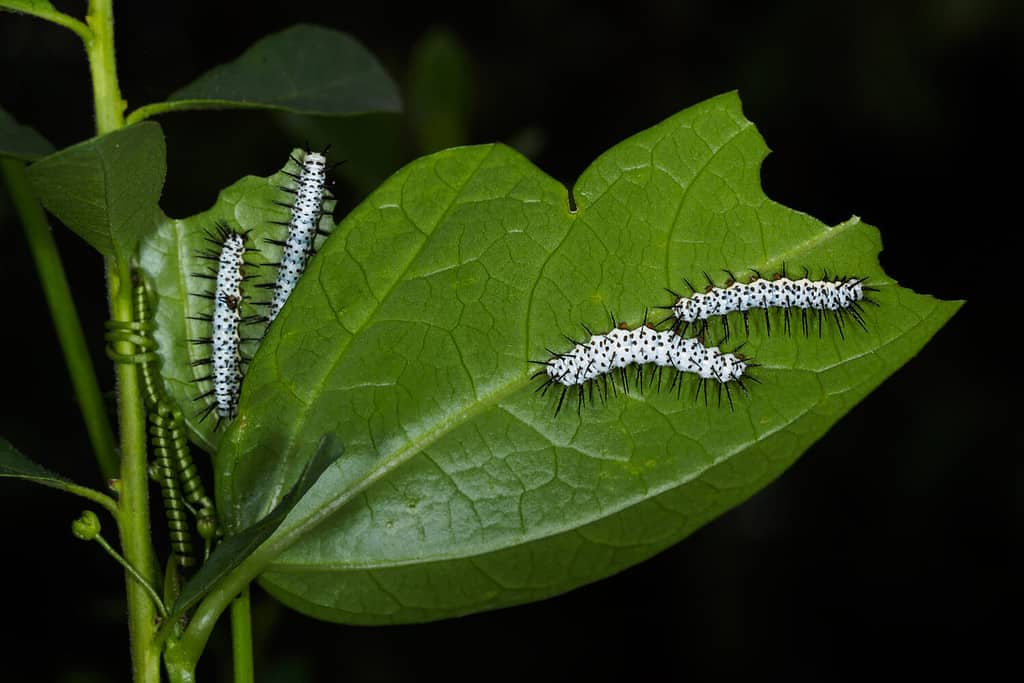
Heliconius larvae feed on a host plant.
©Francisco Herrera/Shutterstock.com
Longevity has been a source of human fascination for millennia, and studying long-lived animals is sure to captivate the attention of those who wish to prolong their lives. From studying vertebrates, we’ve learned that DNA repair can be protective, a discovery that could influence the development of therapies. As for Heliconius, well, these insects are too different to provide a lesson for human longevity. Humans consume lipids, amino acids, and carbohydrates as part of our normal diets throughout our lifespans, unlike (most) butterflies.
Though Heliconius butterflies might maintain their strength and body mass for impressive durations, they are not immune to aging; butterflies have no way to repair damage to their wings. As they age, their wings begin to lose scales, and eventually larger pieces break off, which inhibits their ability to fly. There are some realities of aging that neither behavioral adaptations nor genetic changes can prevent.