
Quick Take
- One species getting protection in these new zones exists nowhere else on the planet, and it is not what you would expect. See the protected species →
- Protecting ocean areas from fishing sounds like bad news for fishermen, yet coastal communities are the ones pushing hardest for these restrictions. See why communities support this →
- Nine governments made pledges, but one country's announcement could permanently change the fate of over 230,000 people along its coast. Read each country's pledges →
- Africa is now being called a global leader in ocean conservation, and the reason why might surprise you. See Africa's conservation leadership →
In June, ocean conservation achieved one of its biggest success stories in recent history. Leaders from several East African countries gathered in Mombasa, Kenya, at the 11th Our Ocean Conference and pledged to protect vast stretches of sea in the West Indian Ocean.
The goal? To move closer to achieving the “30 by 30” global pledge to protect 30 percent of the world’s oceans by 2030. The agreements were announced in a press release outlining the details.
What Happened in Mombasa?
The new initiatives include protected areas enshrined in law, national conservation strategies, new planning frameworks, and commitments to create marine protected areas (MPAs). These announcements signal a shift toward better marine conservation across the continent.
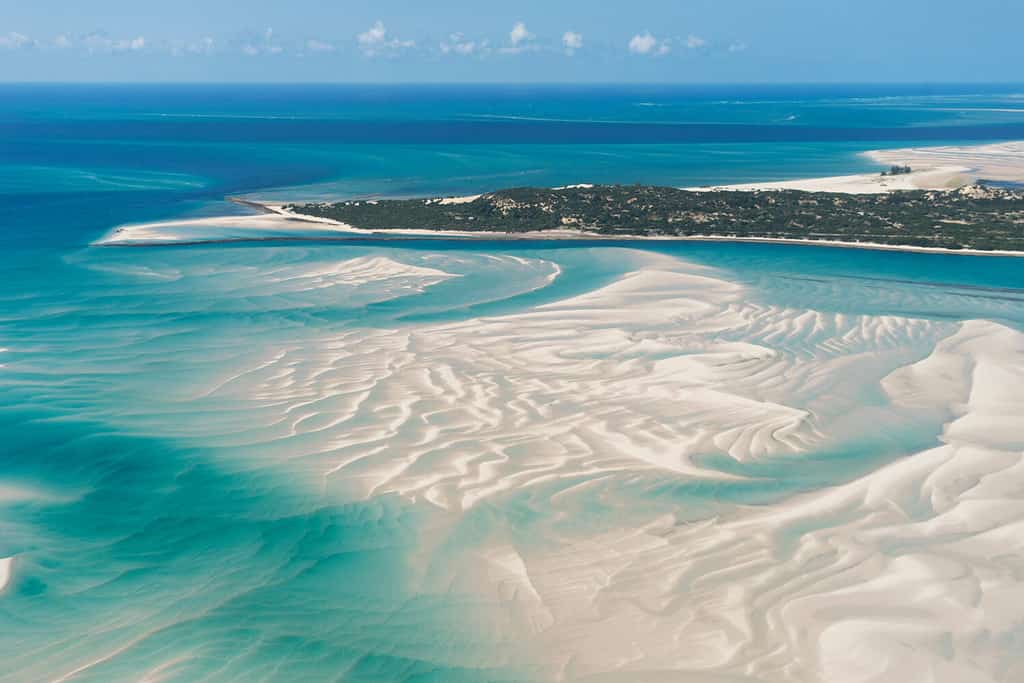
The efforts are focused on conservation in the West Indian Ocean.
©Maddy Settle/Shutterstock.com
“WCS works across Africa as a partner, convener, and technical advisor for many of the countries that presented commitments this week at Our Ocean. What we presented is the result of years of work by governments and communities to translate ambition into action. It’s a celebration of these efforts and an opportunity to build momentum and learn from the many positive examples from the continent,” said Dr. Jean Mensa, Marine Program Director at WCS Tanzania, in the press release.
“Each of these announcements reflects a different stage of the conservation process, and together they demonstrate what sustained, collaborative effort can achieve.”
A Country-by-Country Breakdown
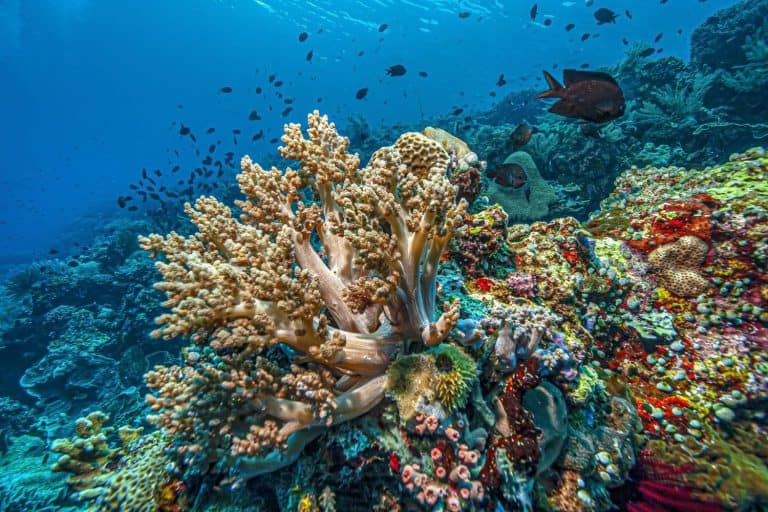
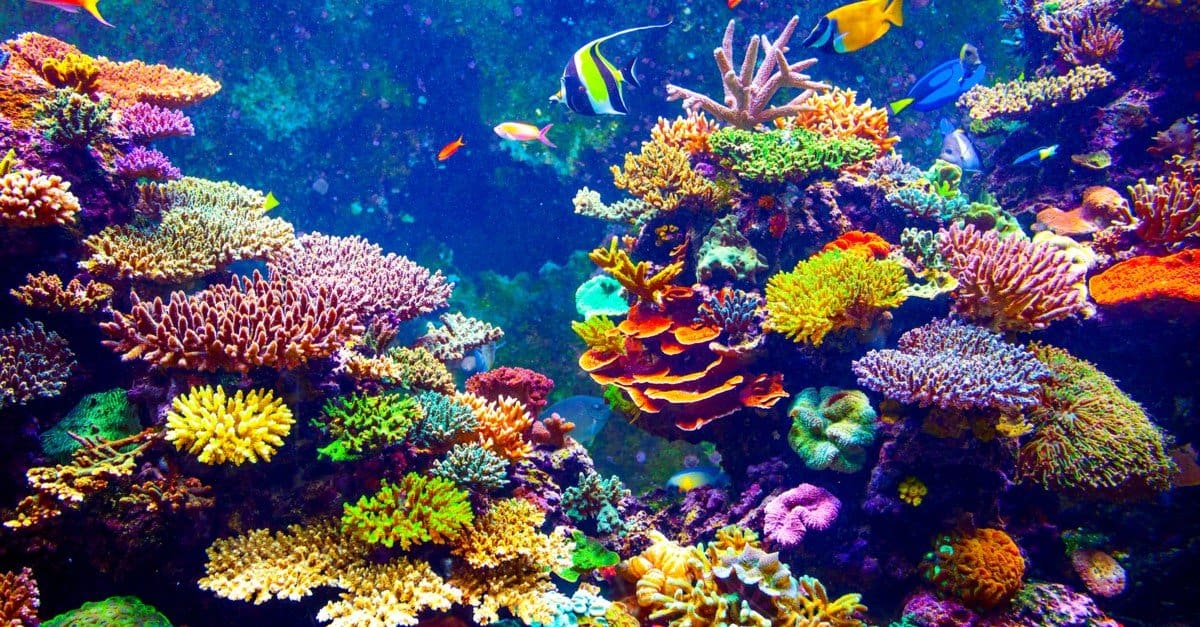
Tanzania formalized two new marine conservation areas off Pemba, Zanzibar, including the North-East and South-East Marine Conservation Areas. The country had committed to this at last year’s UN Ocean Conference. This year, they formalized the commitment into law. The new areas together span 1,300 km2 (500 square miles) of mixed-use zones that include coral reefs and an area designated as an Important Sharks and Rays area.
Tanzania also began the process of designating a new stretch of ocean as the Kilwa Marine Park Area. This designation would encompass between 1,000 km2 (386 square miles) and 2,500 km2 (965 square miles) of coral reefs, as well as areas identified as Important Shark and Ray Areas and Important Marine Mammal Areas. When finalized, it is estimated that the newly designated MPA would benefit up to 150,000 people across 30 communities, including those near the Kilwa Kisiwani UNESCO World Heritage Site.
Mozambique introduced its own plans to create a National Marine Conservation Strategy, a long-term framework focused on area-based protections. The country pledged to fast-track the strategy through a final review and move swiftly toward implementation.
Madagascar committed to converting five existing MPAs from temporary to permanent status. These include Sokaray, Tandavandriva (Nosy Be), Ria i Androy (Atsimo Vato), Baie de Diego, and Mer d’Émeraude. The government anticipates that the legal change will be completed by 2028. The combined area encompasses 13,890 km2 (5,363 square miles) and includes coral reefs, two Important Marine Mammal Areas, and two Important Shark and Ray Areas. They expect the change to benefit more than 230,000 people in the region.
Kenya promised to finalize its draft regulations on marine conservation, restoration, and governance. Once complete, the new rules will also include provisions to support and recognize community-led Other Effective Area-Based Conservation Measures (OECMs).
Gabon announced it would begin a marine spatial planning process, which will be supported by a blue bond financing mechanism.
A Focus on Sharks and Rays
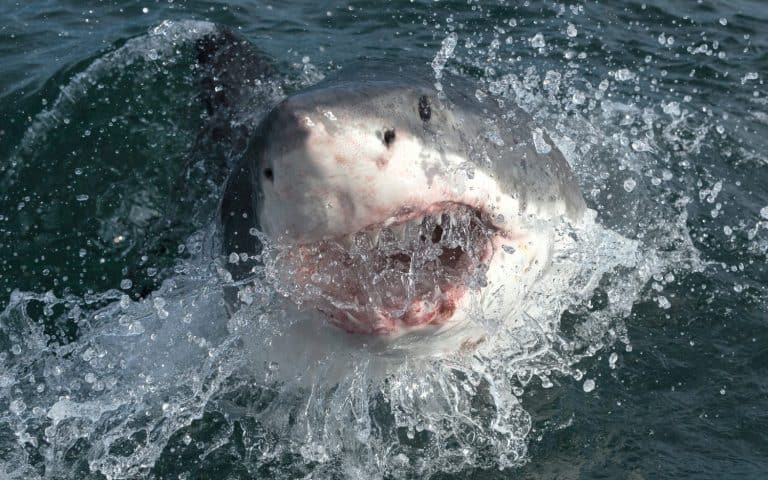
Worldwide, more than 37 percent of all shark and ray species are at risk of dying out due to overfishing and unregulated trade. In a separate press release, it was announced that Madagascar will now fully protect 14 species, including the critically endangered oceanic whitetip shark, whale sharks, and manta rays.
Around the island of Zanzibar, 34 species will be protected, including hammerhead sharks, thresher sharks, and the Zanzibar guitarfish – a fish found nowhere else on the planet. Both announcements were part of side meetings held during the larger event.
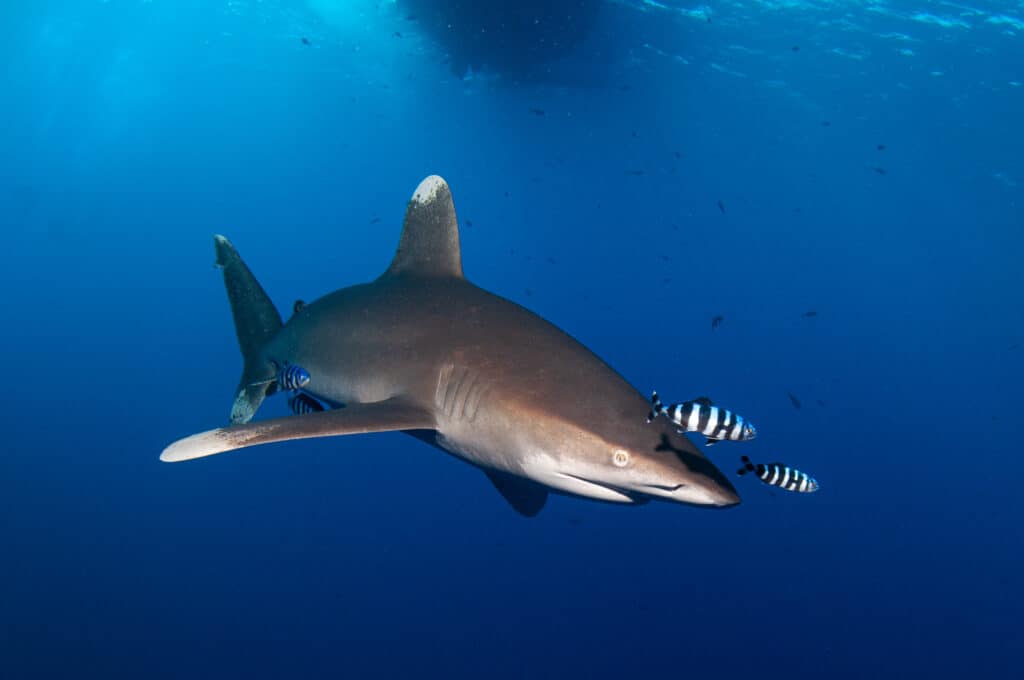
The oceanic whitetip shark is one of the targeted species for protection.
©MartinRejzek/Shutterstock.com
“The actions taken by the Madagascar government to protect these species, among other positive actions, come at a time when sharks and rays need conservation efforts more than ever,” said Ravaka Ranaivoson, Partnership and Program Development Director for WCS Madagascar, in the press release. “This milestone highlights Madagascar’s commitment to the conservation and sustainable management of its marine resources.”
The focus on sharks and rays follows a CITES CoP20 global meeting in November 2025, where countries agreed to protect more than 70 shark and ray species. In total, 180 species are now listed under CITES, with 33 species subject to a full commercial trade ban on meat and fins.
Why All This Matters
Protected marine areas give fish, coral, and other marine life a safe place to grow and live. About 10% of the world’s oceans are officially protected, though only a portion of these areas are considered strongly protected. New steps like those taken by the African nations set the tone for future conservation efforts around the world.
However, protecting marine life is only part of the equation. Protected areas help boost fish populations, which in turn support local people who rely on fishing for their livelihoods. Many of the protected areas coming out of the meetings are the result of coordinated efforts between the governments and coastal communities. Together, they are working toward the “30 x 30” goal.
Many conservation organizations view these commitments as evidence that African nations are taking an increasingly prominent leadership role in marine conservation.