Quick Take
- A popular tourist attraction inside a national park is an active hotspot for one of the world's deadliest viruses, yet visitors keep going anyway. See the deadly details →
- You can feel perfectly fine and still be spreading this virus to everyone around you, which makes it so hard to contain. See how it spreads →
- A single bat species is quietly driving outbreaks across multiple continents, and its range is wider than most people realize.
Ebola is one of the world’s deadliest viruses, and Marburg is its cousin. This hemorrhagic virus shares many symptoms with Ebola, and there is no known cure or treatment. It spreads quickly and quietly, able to infect humans and wildlife on a mass scale. In short, it’s a nightmare virus, one that persists in environments people frequently visit.
Uganda’s Python Cave is a known location of the Marburg virus. Despite warnings from officials and the disease’s severity, tourists continue to disregard safety protocols. While humans constantly enter and exit the cave, wildlife also become carriers—specifically the bats that coexist with visitors. Now, it serves as a prime example of how quickly a deadly virus can originate and spread when warnings are ignored.
What Is the Marburg virus, and Who Does It Affect?
The Marburg virus doesn’t discriminate between species. It was first identified in 1967, when human outbreaks occurred in Germany and what was then known as Yugoslavia. The virus was traced back to Ugandan African green monkeys, which became vectors before it jumped to humans. A total of 31 laboratory workers fell ill after being exposed to infected tissue. Of these 31 patients, seven died, making it clear just how dangerous Marburg can be. The typical fatality rate ranges from 23% to 90%, depending on a person’s overall health and underlying conditions. But even if someone is healthy, it doesn’t always guarantee a full recovery.
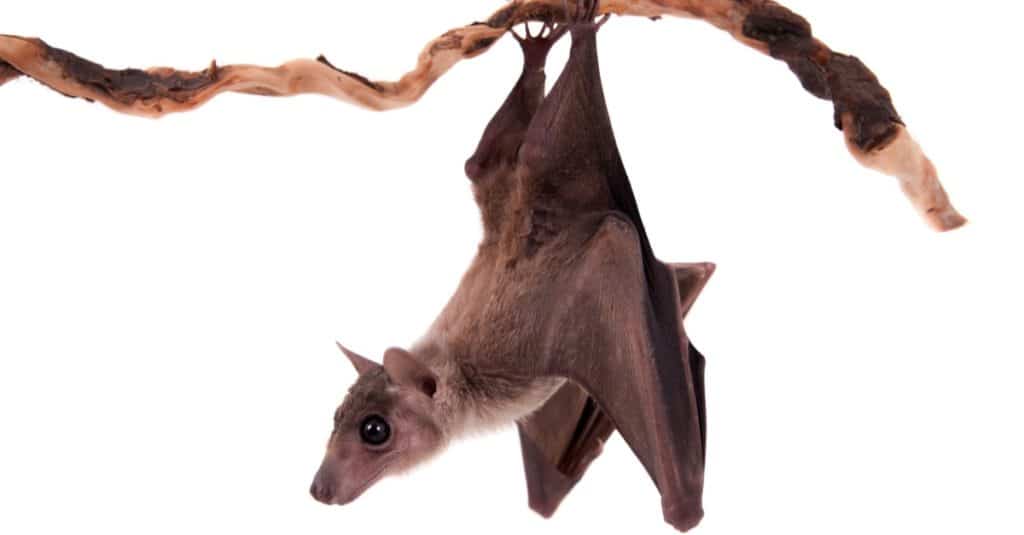
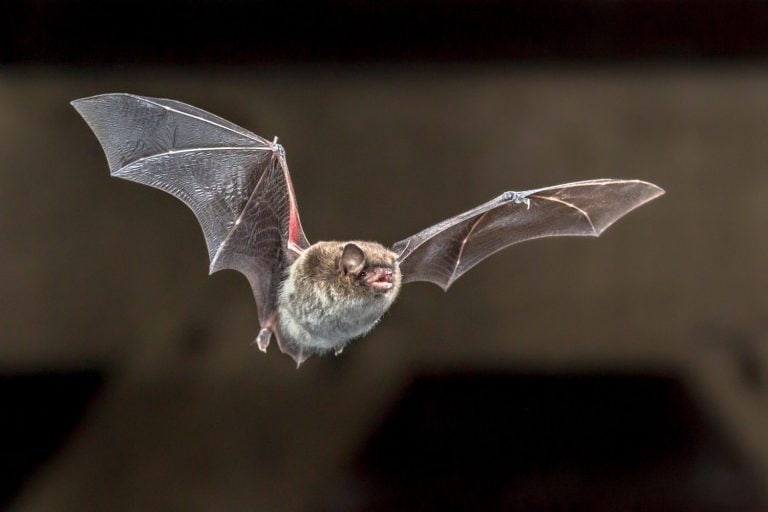
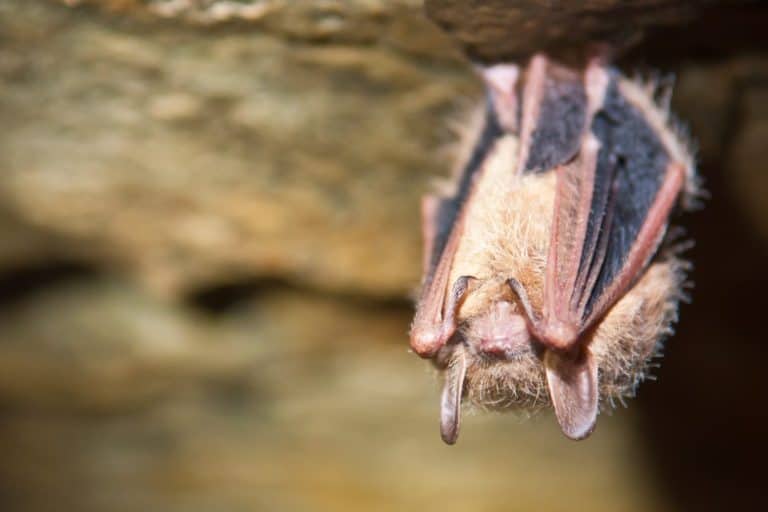
Egyptian rousette bats are native to the caves in Uganda and carry the Marburg virus.
©Rosa Jay/Shutterstock.com
Further tests were conducted on the virus, and scientists discovered that Marburg is part of the Filoviridae family. This includes Ebola, a very serious and highly contagious hemorrhagic virus. Outbreaks are rare, which is why it’s not often on anyone’s radar. However, this doesn’t mean the virus doesn’t lie dormant, awaiting a potential host. Uganda’s Python Cave offers ideal conditions and hosts for the virus to spread.
Python Cave Trespassers Risk Getting Infected
Marburg virus disease (MVD) occurs in several regions. Most are in sub-Saharan Africa, including Uganda and the Democratic Republic of the Congo. Cases were also reported in Guinea in 2021 and Ghana in 2022, with subsequent outbreaks occurring in Equatorial Guinea and Tanzania in 2023 and 2025. One thing these areas share in common is a native species: the Egyptian rousette bat (Rousettus aegyptiacus). Wherever this bat is found, there is a risk of MVD being transmitted to humans. In Python Cave, where entire colonies of Egyptian rousette bats live, that risk is particularly high.
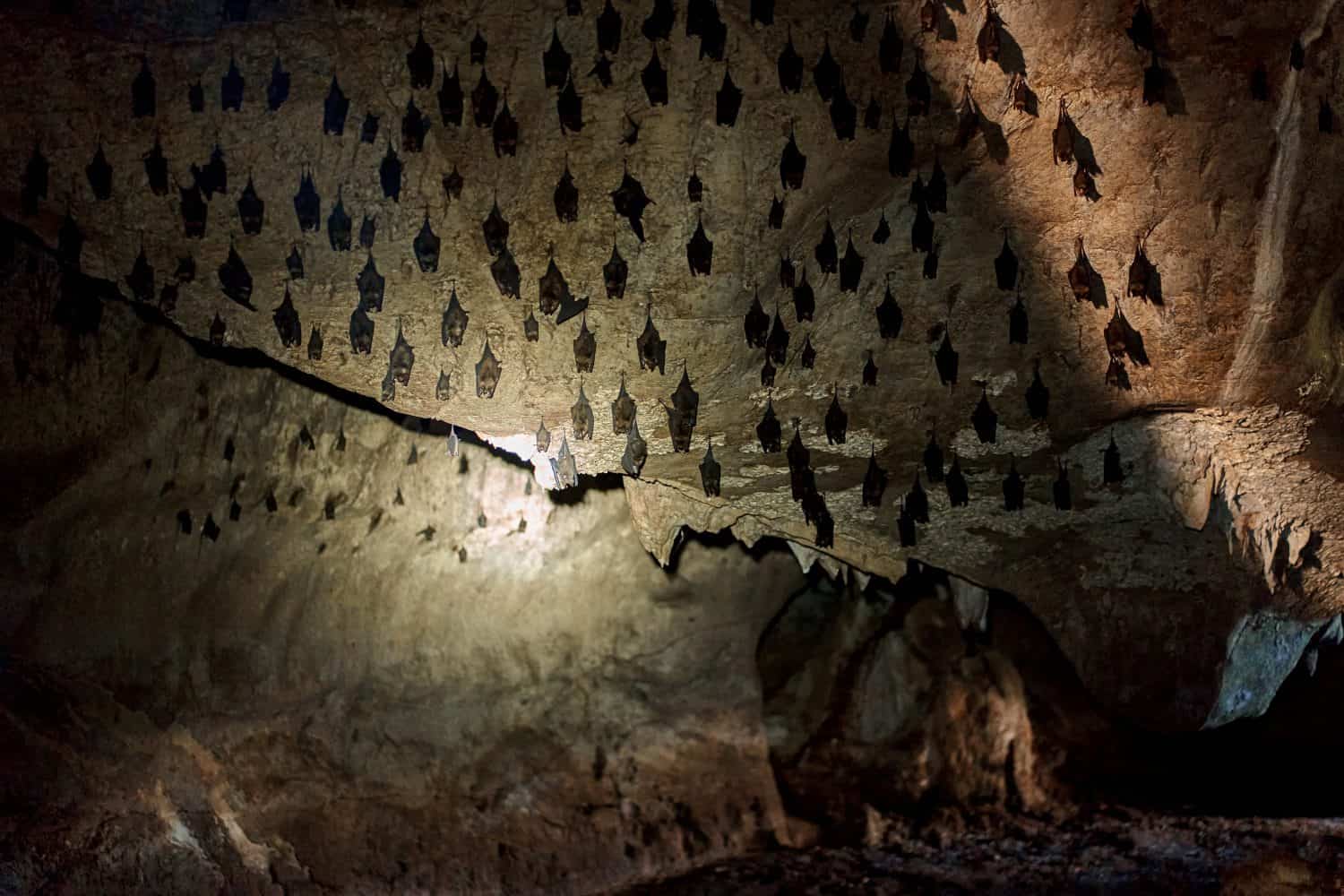
Bats can fly away if spooked, increasing the chances of human-bat encounters in close quarters.
©Try_my_best/Shutterstock.com
Located inside Queen Elizabeth National Park, Python Cave is a popular tourist attraction. However, it’s also deadly. Despite the tireless work of epidemiologists to identify this as an MVD hotspot, a recent 2026 study confirms that Python Cave remains a reservoir for Marburg virus. Not only is Python Cave still home to MVD, but tourists are consistently ignoring the warnings of its existence.
During the study, scientists set up cameras to monitor foot traffic in and out of Python Cave. As a known roost for Egyptian rousette bats, it was expected these would come and go at dawn and dusk. However, the footage revealed something even more concerning. A total of 14 additional species were recorded entering the cave. These animals visited the cave time and time again, making at least 321 trips. Humans were also among the various wildlife visitors. A total of 214 people blatantly ignored the “No Trespassing” signs and entered the cave anyway.
A Potentially Fatal Mistake
The study not only details these visits but also makes extremely clear how dangerous they are. It takes only one person to become patient zero with a highly contagious virus. According to the World Health Organization, MVD is a highly dangerous infection with a case fatality rate ranging from 24% to 88% in past outbreaks. The virus spreads via bodily fluids—including feces, saliva, and urine—from infected bats. Once the infection has spread to a human, others can be infected through contact with broken skin or mucous membranes, or by touching objects handled by an infected person.

The only treatment for Marburg is experimental and has not been approved for human use.
©Asian Isolated/Shutterstock.com
Symptoms typically take anywhere from 2 to 21 days to appear after initial infection. This is partially what makes the disease so difficult to track. Symptoms include fever, headache, chills, rash, muscle aches, sore throat, chest pain, nausea, vomiting, and diarrhea. This is only the start, as symptoms progress to include bleeding (hemorrhages), liver failure, delirium, shock, and multi-organ dysfunction. To be considered recovered, a person must test negative for the virus. Even without symptoms, they can still spread it to others. There is currently no specific cure or licensed antiviral treatment for MVD. Supportive care and symptom management can improve survival rates, and experimental therapies are under development.