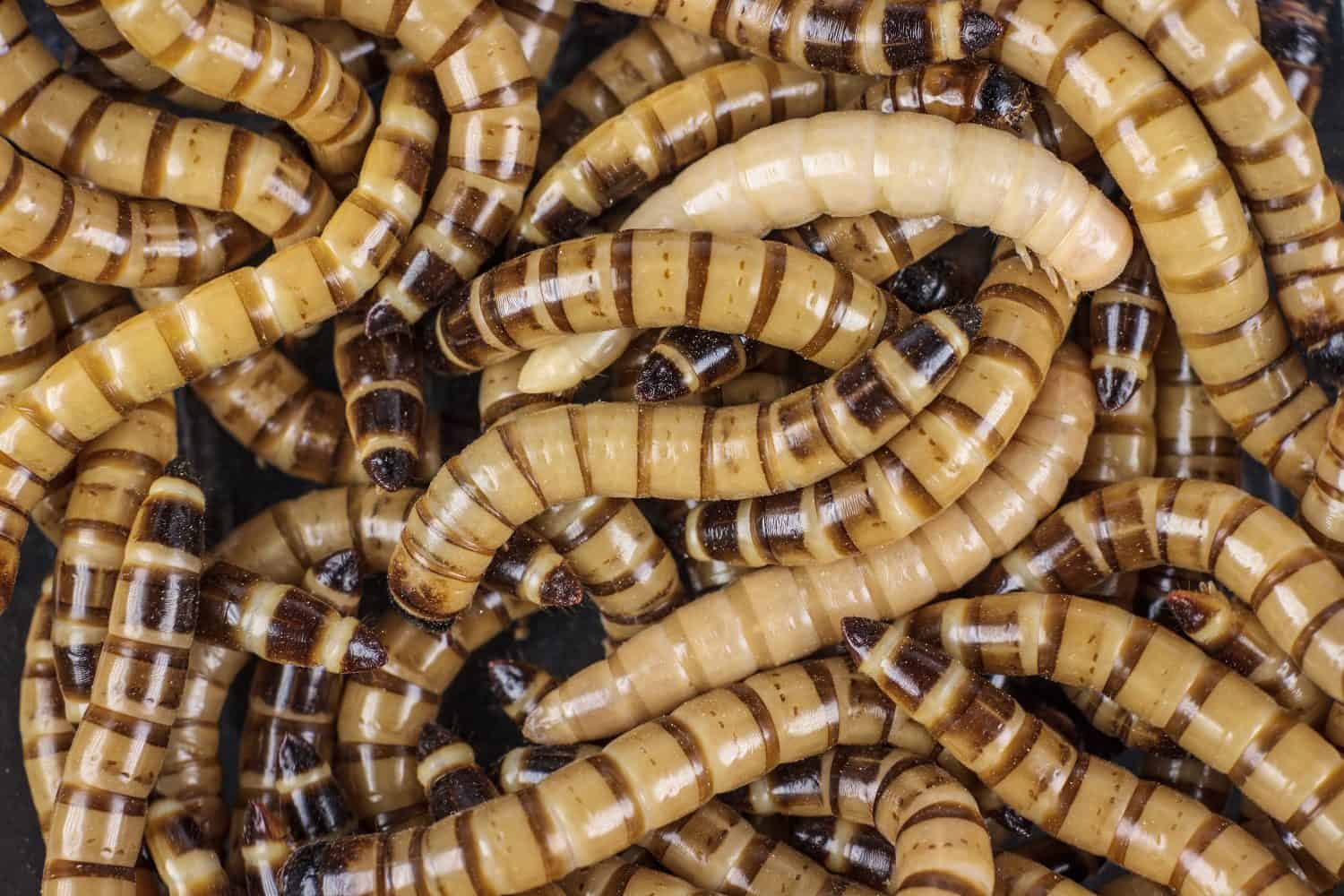

There are some strange diseases that affect animals in the wild that humans don’t normally have to deal with. One of these diseases is the black wasting disease, which harms superworm larvae. Superworms, which are the larvae of a species of darkling beetle, are affected by this disease, leading to the death of entire colonies. This video by @KC Exotics shows their own superworms that have been infected by this disease. Read on to learn more.
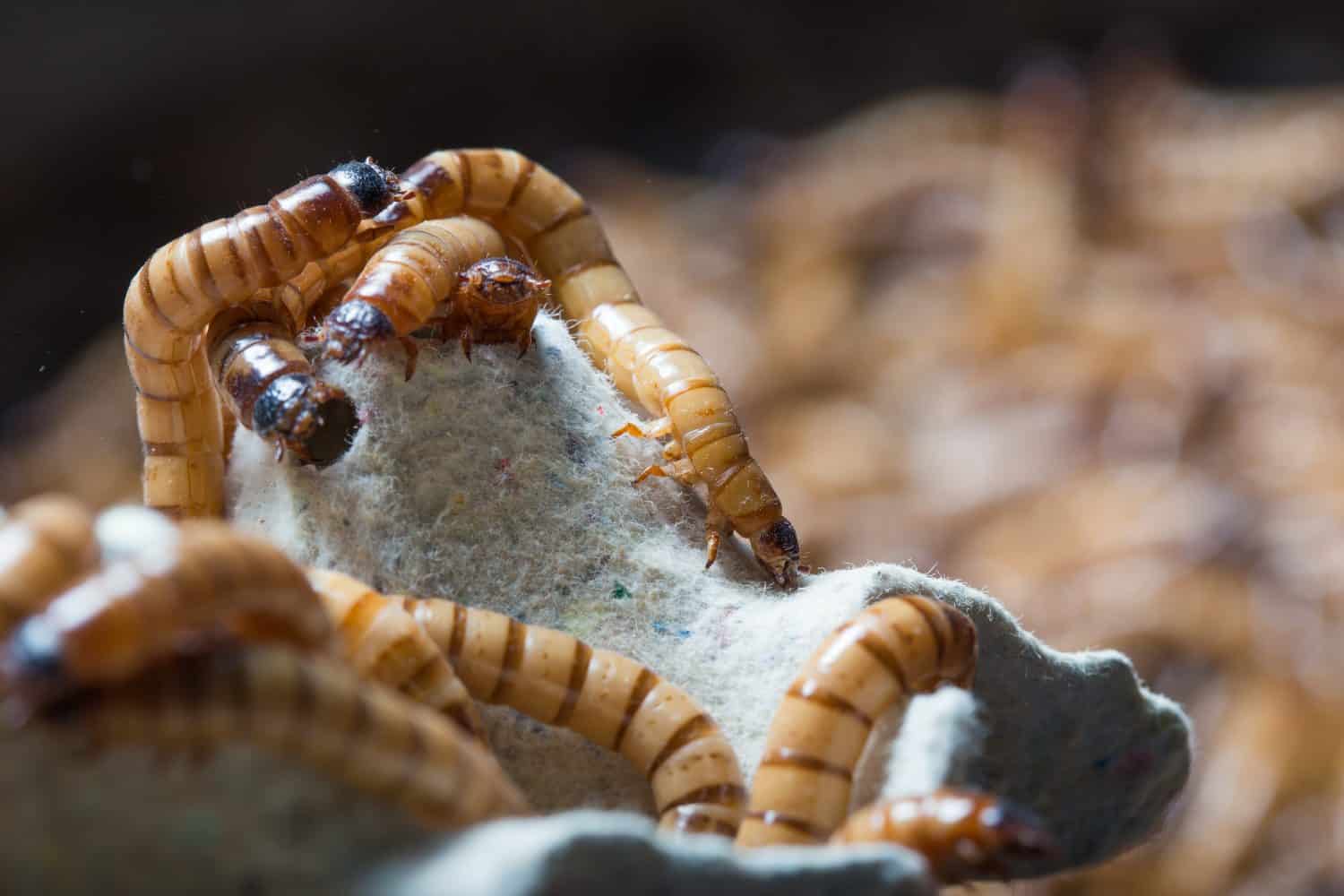
The spread of this disease can lead to colony collapse.
©Ph.wittaya/Shutterstock.com
Black Wasting Disease
Superworms are often used as a source of protein as a feeder insect. This makes their cultivation extremely important as they help feed larger insects, reptiles, birds, and other pets. Both commercial-scale industries and individuals, such as those shown in the video above, cultivate superworms. Given that these worms are used to feed other pets, threats such as black wasting disease can be terrifying to deal with, as it often wipes out populations. Black wasting disease gets its name due to the “blackening” of the larvae, leading to the collapse of entire populations. The disease is caused by a virus now known as Zophobas morio black wasting virus (ZmBWV), which was identified and named in 2024 after outbreaks were observed in previous years.
There are multiple stages and symptoms of the virus. In the early stages, larvae will begin to darken in color. This darkening is also accompanied by unusual behavior, such as more aggressive and active wriggling. As time progresses, the larvae will stiffen and become rigid, unable to move. The worm’s tissue will begin to break down, leading to its death. As the disease is infectious, it spreads quickly to other worms, leading to colony collapse. All of this occurs within a few months and can greatly disrupt the producer’s work.
What Can Be Done?
There are still many unknowns about the virus and disease, including how long an environment remains infectious. However, there have been a few responses and attempts to control it. Because of these unknowns, the best practice is to completely remove the infected environment and start fresh. This includes removing the dead larvae, keeping the environment clean, and ensuring strong ventilation. Without these precautions, significant economic losses can occur as a result of a colony collapse.