
Quick Take
- A 2026 cruise ship outbreak has put a little-known rodent-borne virus on the global radar. See the cruise outbreak →
- Most people vastly underestimate how many rodent-associated viruses can infect humans. The real number is staggering. See the staggering numbers →
- Climate change isn't just warming the planet. It's also quietly redrawing the map of where dangerous rodent-borne diseases can reach you. See how ranges are shifting →
- Predictive models have identified specific countries currently outside the danger zone that could face serious rodent-borne virus outbreaks within decades, and the timeline is closer than most people realize. See the at-risk countries →
The May 2026 outbreak of a type of hantavirus, called Andes virus, among passengers of a cruise ship has brought rodent-borne viral disease into the headlines. The public is quite rightly concerned about the implications for the wider population. Diseases spread by rats are nothing new.
However, this may be something that we need to become increasingly aware of as the effects of climate change become apparent. The specific reservoir and vector of the virus in this outbreak have not yet been definitively identified. The wider issue of the threat posed by rodent-borne viruses, on the other hand, is based on scientific evidence. A recent study has indicated that warming temperatures and shifts in rainfall patterns could be associated with a rise in rodent-associated viral diseases.
What Are Rodent-Borne Diseases?
There are more than 2,200 species of rodents on the planet. They are a major reservoir for zoonotic pathogens. These are viruses, bacteria, protozoa, and fungi that can spread from animals to humans. In some cases, the animal does not suffer any symptoms, but humans do.
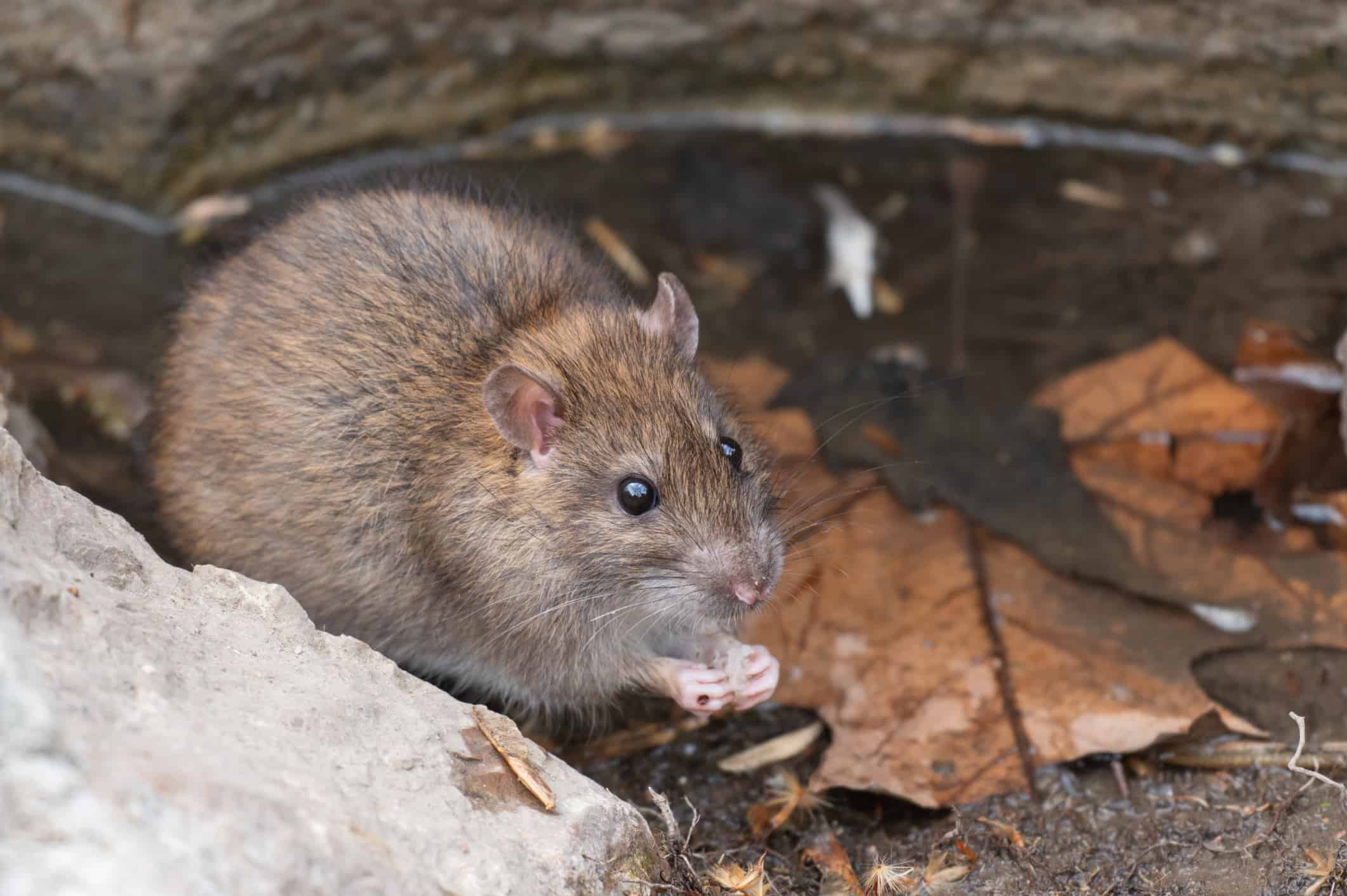
Rodents are particularly effective at spreading diseases to humans, especially species that have adapted to live near people. Rats are a prime example. Rodent-associated viruses are particularly prevalent. There are currently over 15,000 known rodent-associated viruses.
Rodent-Borne Diseases in the Headlines
The May 2026 outbreak of the Andes virus affected passengers of a cruise that began its voyage in Argentina (the port in Ushuaia). The vector (the animal that spreads the disease) in that area is the long-tailed pygmy rice rat.
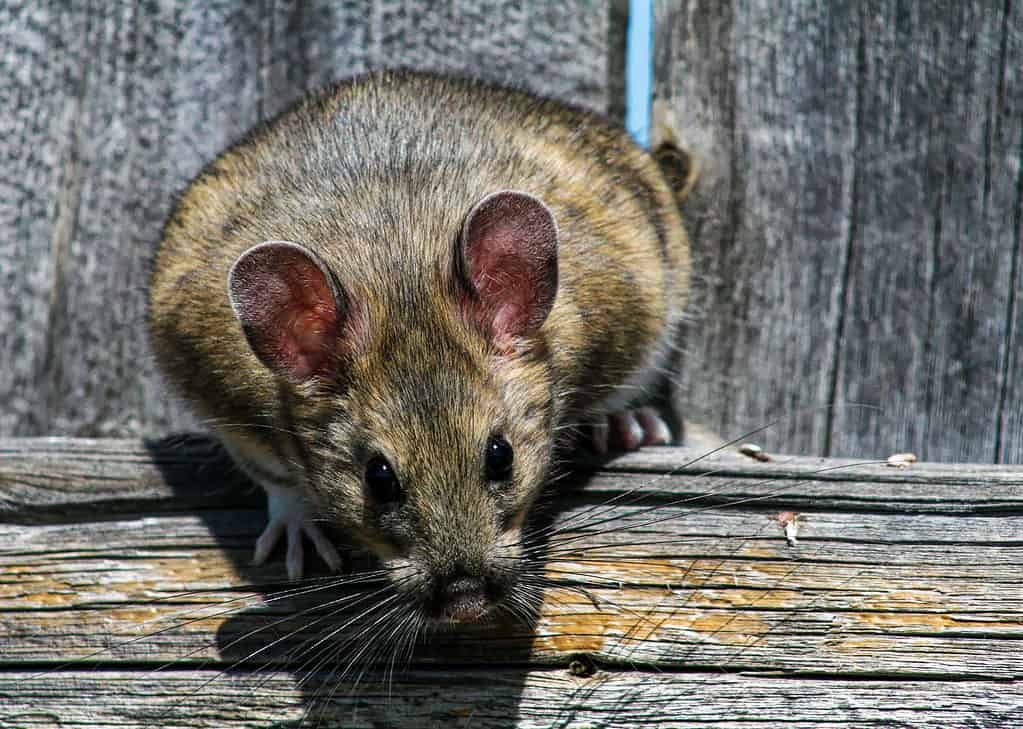
Rodents that live close to humans can transmit infections.
©M. Leonard Photography/Shutterstock.com
We know that hantaviruses can be present in rodent droppings and urine. They can cause anything from a mild flu-like illness to severe respiratory distress and death. Other organs can also be affected. There is no vaccine or specific treatment for hantaviruses right now.
Further sporadic viral disease outbreaks have been reported across South America, including those caused by Guanarito virus, Junin virus, and Machupo virus.
Climate Change, Rodents, and Disease
The primary driver of evolution is change. When a species’ environment changes, or they find themselves in a new environment, they either adapt to survive there or they perish. Those species that can evolve to exploit a new ecological niche often thrive. This includes extending their range if the opportunity arises. New territories often bring fresh opportunities and less competition, so why not make the move? Climate change is creating just that opportunity for rodents.
A new study has applied mathematical modeling to predict how rodents in South America could spread to new areas. More concerning is that these rodents may carry viruses with them as they expand into new areas.
How Will Climate Change Affect Rodents?
Both climate change and extreme weather events influence the spread of rodent-borne disease. This is significant because over 3,000 mammalian species, including many rodents, are projected to shift their distributions by 2070. Potentially, this exposes far more people to the risk of rodent-borne disease. These movements are likely to be caused by climatic shifts and changes in land use.

Climate change could alter the distribution of rodents.
©Piyaset/Shutterstock.com
A recent study focused on South American New World Arenaviruses (NWAs), including Guanarito virus (GTOV) in Venezuela and Colombia, Machupo virus (MACV) in Bolivia and Paraguay, and JUNV in Argentina. This focus is due to the limited understanding of how climate change affects arenavirus spillover from rodents to humans.
In particular, increased wildfire frequency, changes in temperature and rainfall, and changes in land use are of concern. Climate change could allow the rodents to spread to previously non-endemic regions.
Projecting the Risk of New World Arenaviruses
Researchers used a robust predictive modeling framework (computer simulations) that incorporated habitat suitability for six rodent species known to carry viral diseases. Future climate projections and population density were inserted into the simulations.
The models predicted that the viruses could expand into currently non-endemic areas and that this presents a risk of infecting humans. Changing weather patterns could cause South American rodents to expand their range into new regions. At the same time, changes to human settlements and agriculture bring people in closer contact with rodents. Public health organizations in these areas may not be familiar with these diseases and may not initially be equipped to deal with them.
Putting New Populations at Risk
Farmworkers in areas with infected rodents are likely to be the most exposed members of their communities. Computer modeling showed that the risk goes up over the next 20 years, and that includes parts of South America that are not currently at risk.
Let’s take the Guanarito virus as an example. It is endemic to Venezuela’s western region, and it causes ‘Venezuelan hemorrhagic fever’. Symptoms can include a fever, headache, cough, and sore throat. Hemorrhaging is a typical feature, and it can be fatal. It’s carried by several rodents, including Alston’s cotton rats (Sigmodon alstoni) and the short-tailed cane mouse (Zygodontomys brevicauda). This study showed that by 2060, the virus could spread to parts of Colombia, Guyana, Suriname, and Brazil. Another virus, the Junin virus, could spread from grasslands in Argentina to other parts of the country as well as Paraguay and Bolivia by 2060.
Of course, these findings are based on simulations, but they suggest that surveys are now needed to monitor changing rodent distributions and human exposure in areas where these rodents were not previously found. Just as importantly, it highlights the link between climate change and infectious diseases.