
Bats are feared by many because they are animals that are often found with rabies. In fact, they are the animals that cause the majority of cases of rabies in the United States. While bats may be carriers of rabies, they are still an important part of the ecosystems in which they live. However, many bats’ lives are being cut short because they are being infected by a fungus that is, more often than not, fatal.
White-nose syndrome is a disease that affects bats. Unlike rabies, white-nose syndrome is not known to be spread to humans. Therefore, there should be no concern for human health. However, in places with outbreaks, such as there currently is in San Juan Island National Historic Park, there should be great concern for bats, which will likely not survive once they are victims of white-nose syndrome.
What White-Nose Syndrome Is

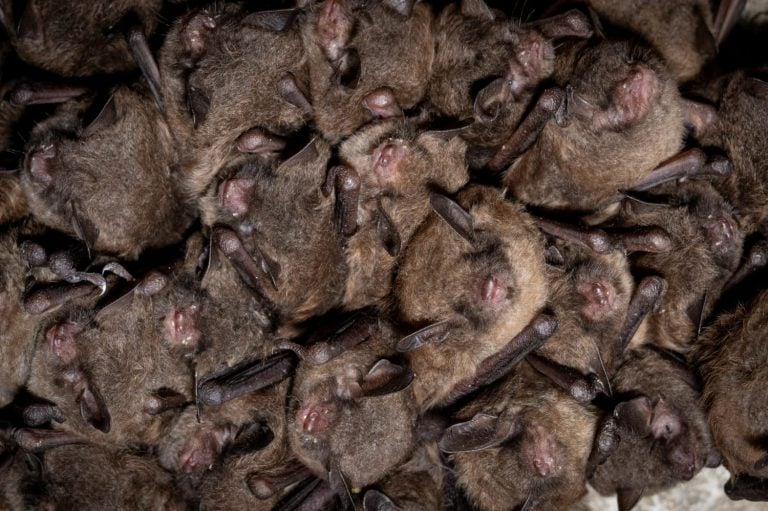
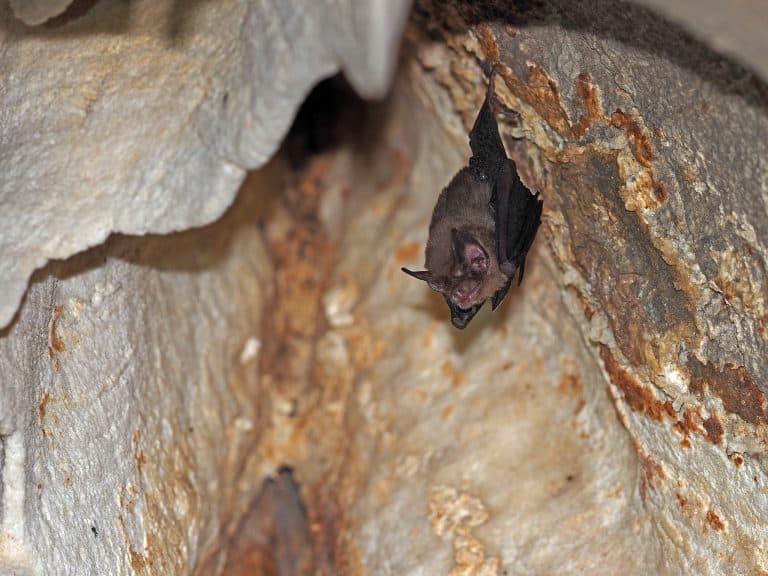
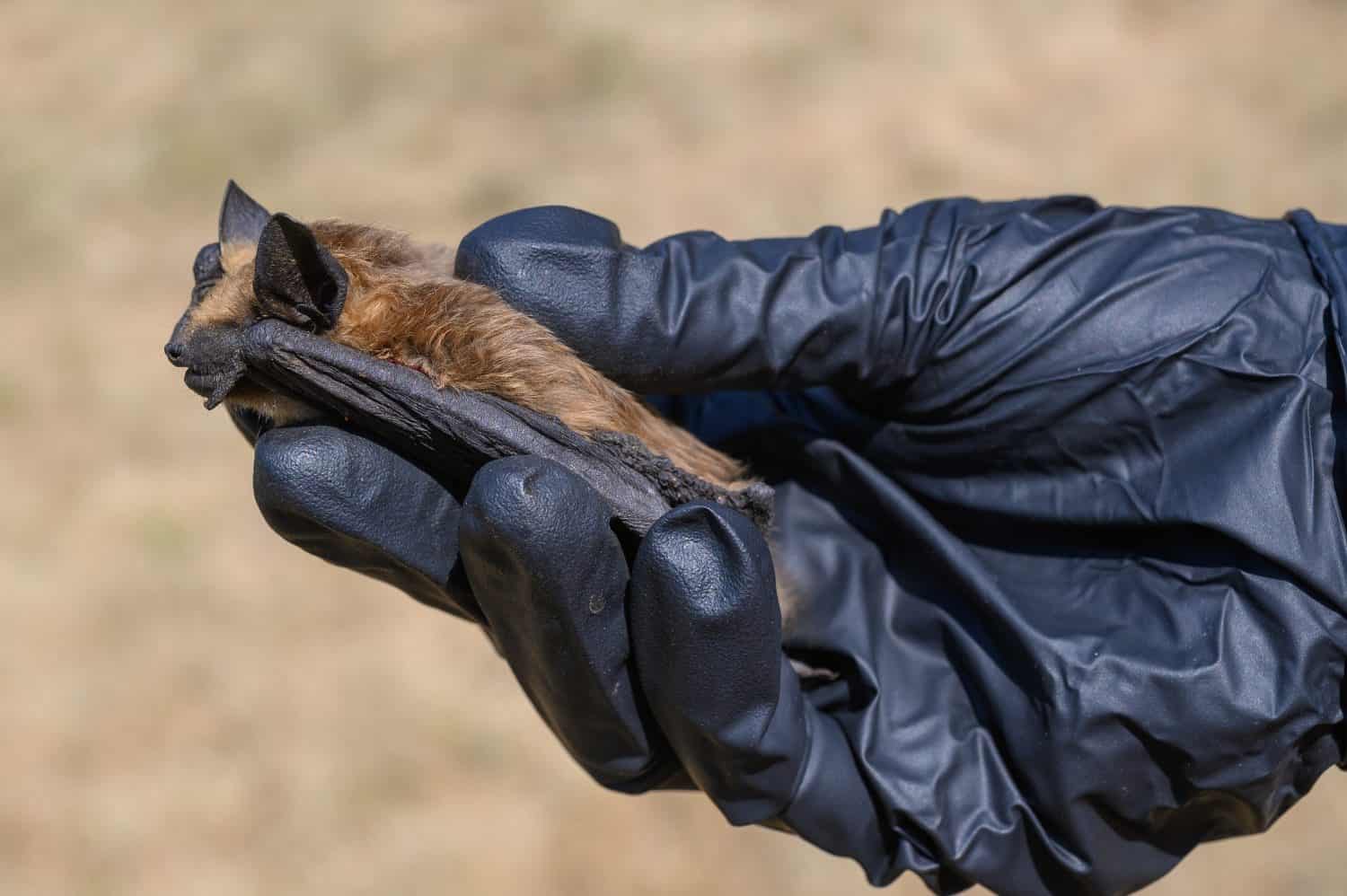
Bats in colonies prone to white-nose syndrome are often checked for signs of outbreaks.
©Jay Ondreicka/Shutterstock.com
White-nose syndrome is an illness that affects bats while they hibernate. The condition is caused by the fungus Pseudogymnoascus destructans, which grows in caves where temperatures are cool and humid.
When the fungus infects a bat, it will have tell-tale signs. These signs include:
- White fuzz on the nose
- White spots on the wings
- White fuzz on the ears
- White fuzz on the tail
White-nose syndrome was first discovered in 2006, when a colony of little brown bats in New York presented with white fuzz on their bodies. Since that time, at least 12 North American bat species, including several that are endangered or threatened, have contracted white-nose syndrome. The bats that have tested positive for white-nose syndrome include:
- Big brown bat
- Little brown bat
- Eastern small-footed bat
- Northern long-eared bat
- Tri-colored bat
- Cave bat
- Fringed bat
- Long-legged bat
- Western long-eared bat
- Yuma bat
- Gray bat
- Indiana bat
The most common way that white-nose syndrome spreads is from bat to bat, and under the right conditions, the fungal spores can survive in caves, waiting to infect bats.
Bats that are infected with white-nose syndrome have a mortality rate of 90% to 100%. Currently, while there are ways to slow the spread of white-nose syndrome, there is no cure to completely stop the fungus.
Why White-Nose Syndrome Is Fatal To Bats
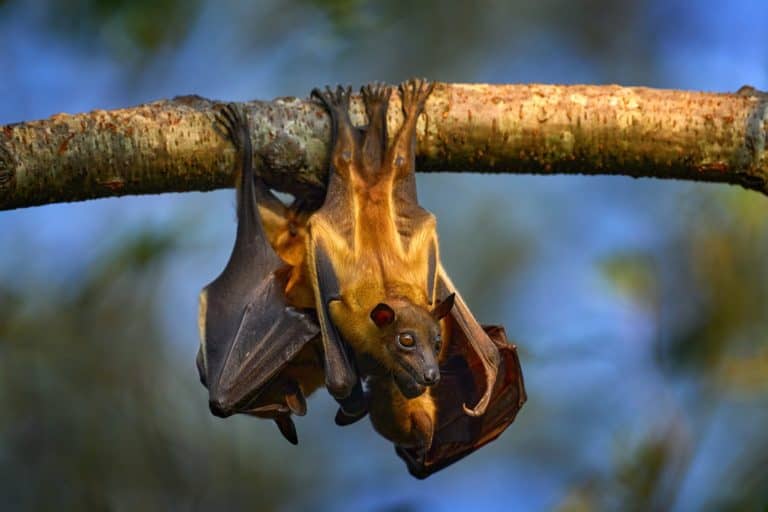
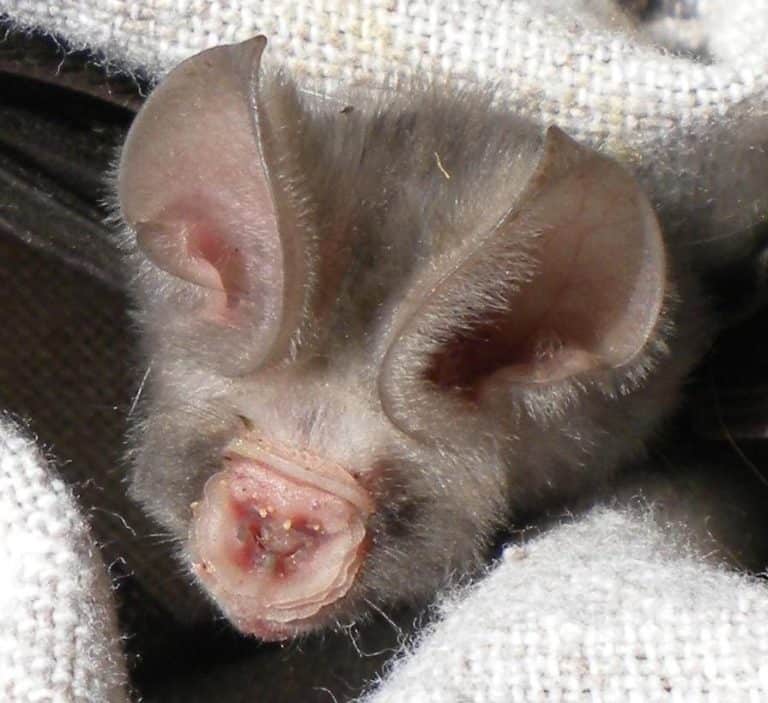
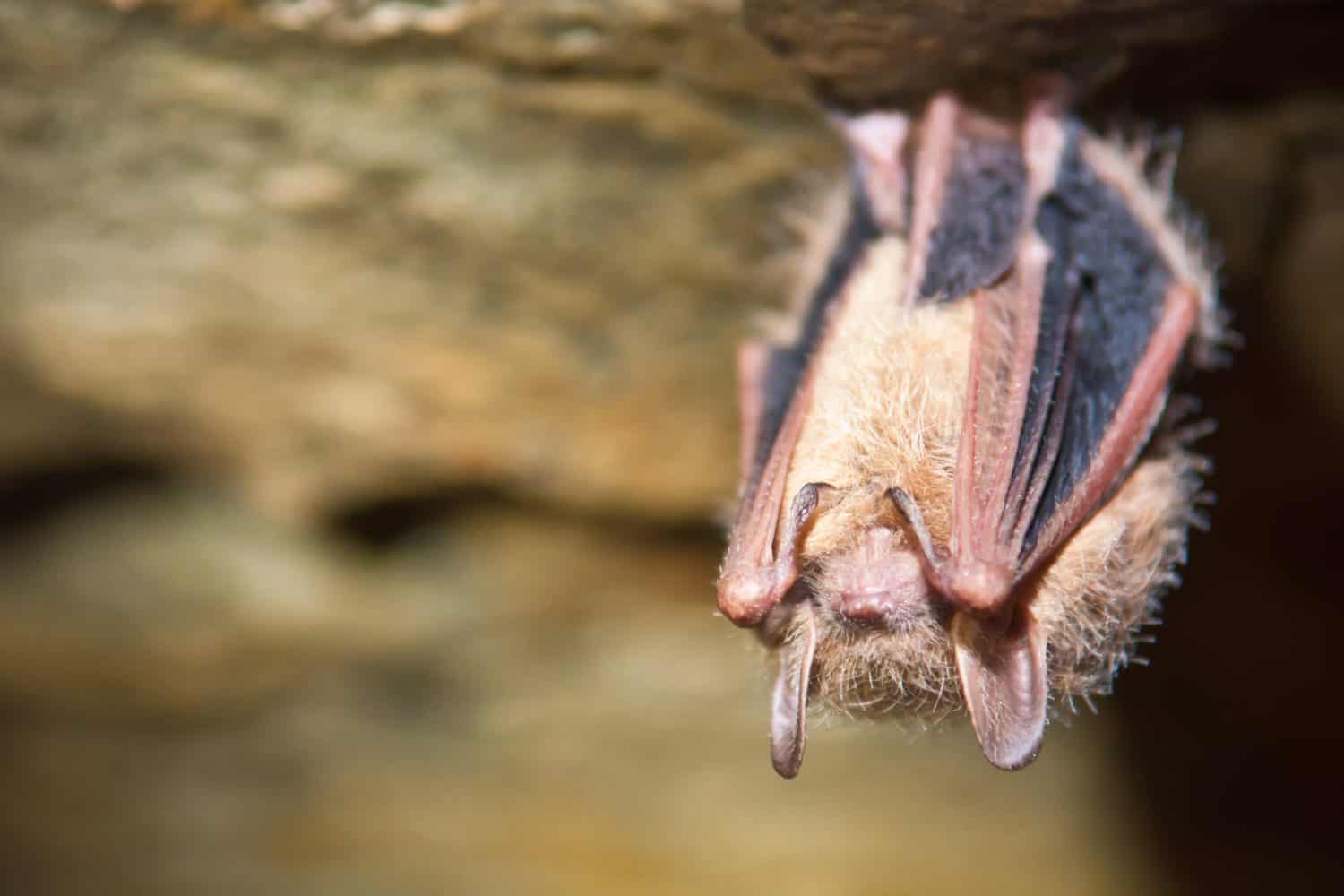
Bats infected with white-nose syndrome do not often survive.
©GGRIGOROV/Shutterstock.com
White-nose syndrome is an illness that should not be taken lightly. This is because millions of bats have died to date after being infected, causing some bat species to become endangered in the process.
The reason that white-nose syndrome is fatal to bats is that the fungus interrupts their hibernation process. Instead of sleeping through the colder months, bats are awakened from their slumber. When the bats wake up, they go in search of food. But, because it is wintertime, their usual food sources are scarce to nonexistent. This causes the bats to use their fat reserves excessively, leaving insufficient reserves to survive the winter. Ultimately, the bats will starve to death before making it to spring.
In addition to causing bats to use their fat reserves prematurely, the fungus can also cause massive damage to the wings. The damage can be so bad that bats are no longer able to fly. If this occurs, bats are unable to seek out adequate nutrition and will die as a result of white-nose syndrome.
White-Nose Syndrome Has No Effect On People
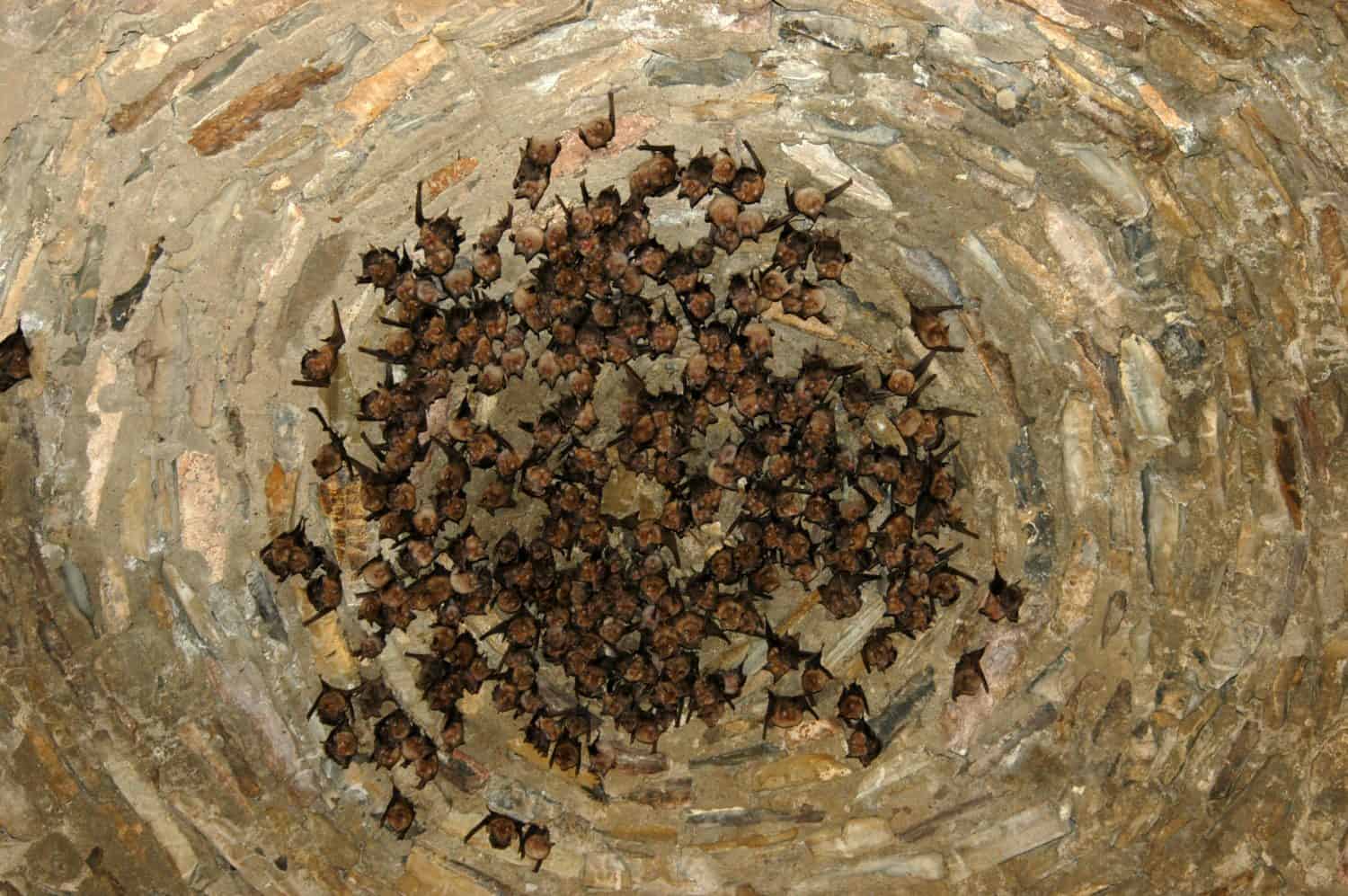
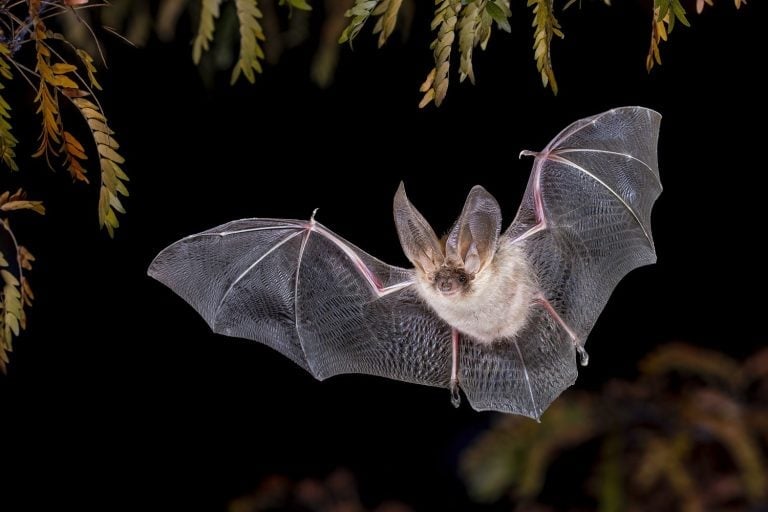
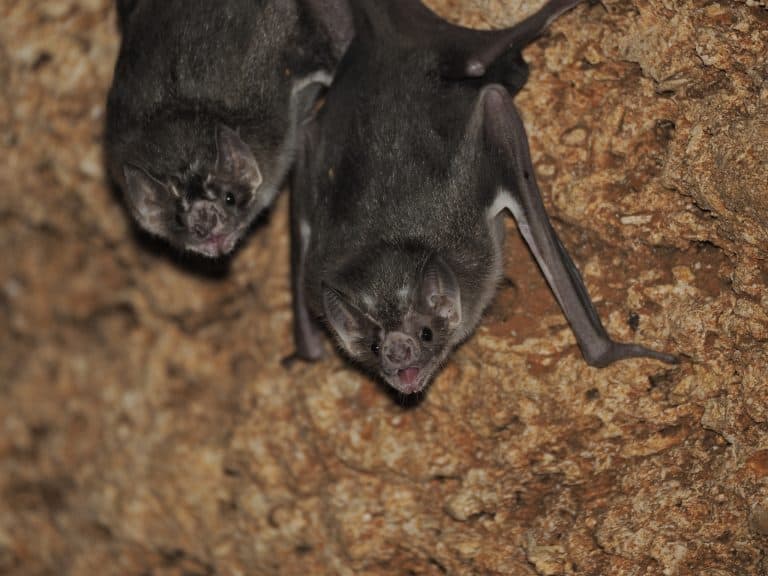
Colonies of bats with white-nose syndrome have not been known to infect people.
©salajean/Shutterstock.com
Since white-nose syndrome was first discovered, there have been no reported ill effects from exposure to the fungus. However, because there is still much to be learned about the syndrome, those who are exposed to it take precautions.
When scientists venture into caves to observe bats, there are times when white-nose syndrome will present itself. Additionally, scientists will knowingly enter caves where white-nose syndrome is affecting bats in order to treat them. In these situations, individuals spending time in the caves will wear special suits and/or protective clothing to minimize the risk of spreading the fungus and exposing themselves to white-nose syndrome. By removing this clothing immediately after leaving the cave, scientists help ensure they do not inadvertently spread white-nose syndrome to bats.
People Can Spread White-Nose Syndrome To Bats

Bats may not infect people with white-nose syndrome, but hikers can infect bats by introducing the fungus to cave environments.
©CW Pix/Shutterstock.com
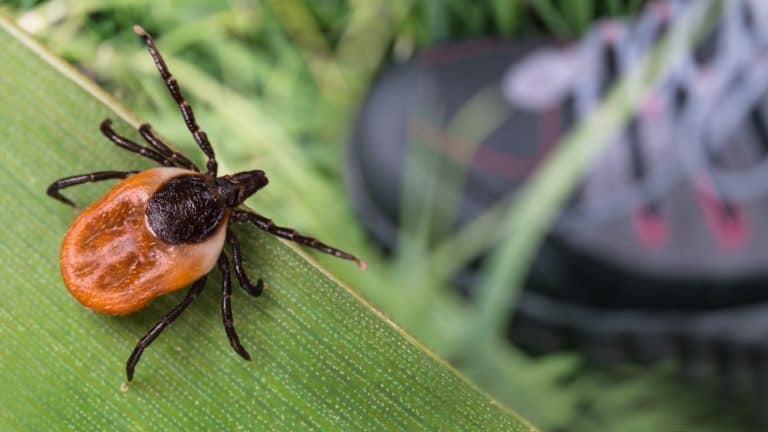
White-nose syndrome poses no risk to people. However, it is because of people that white-nose syndrome can spread rapidly across bat colonies in a short period of time. As people explore national parks with caves, they have a good chance of spreading white-nose syndrome. The fungus can stick to the bottoms of shoes or to equipment and be easily transferred from one cave to the next. Once the fungus has been introduced to a cave environment, it is nearly impossible to eradicate, making it essential that people follow park officials’ instructions on how to prevent white-nose syndrome from spreading to bat colonies.
When visiting a cave at a national park, officials advise against entering another cave without changing clothes and decontaminating equipment. Unfortunately, simply shaking out clothing does not eliminate the fungus. Instead, the clothing will need to be washed in water that is at least 131°F for a minimum of five minutes. This can be done using the sanitation cycle of a washing machine.
Several chemicals can be applied to equipment that cannot be washed to eliminate the fungus effectively. This includes isopropyl wipes, hydrogen peroxide wipes, Clorox wipes, and similar products.
The best way to avoid spreading white-nose syndrome is to wear different clothing and shoes in each cave that is explored. This will prevent most of the fungus from entering the cave and may help save bat lives in the process.
Stopping The Spread Of White-Nose Syndrome
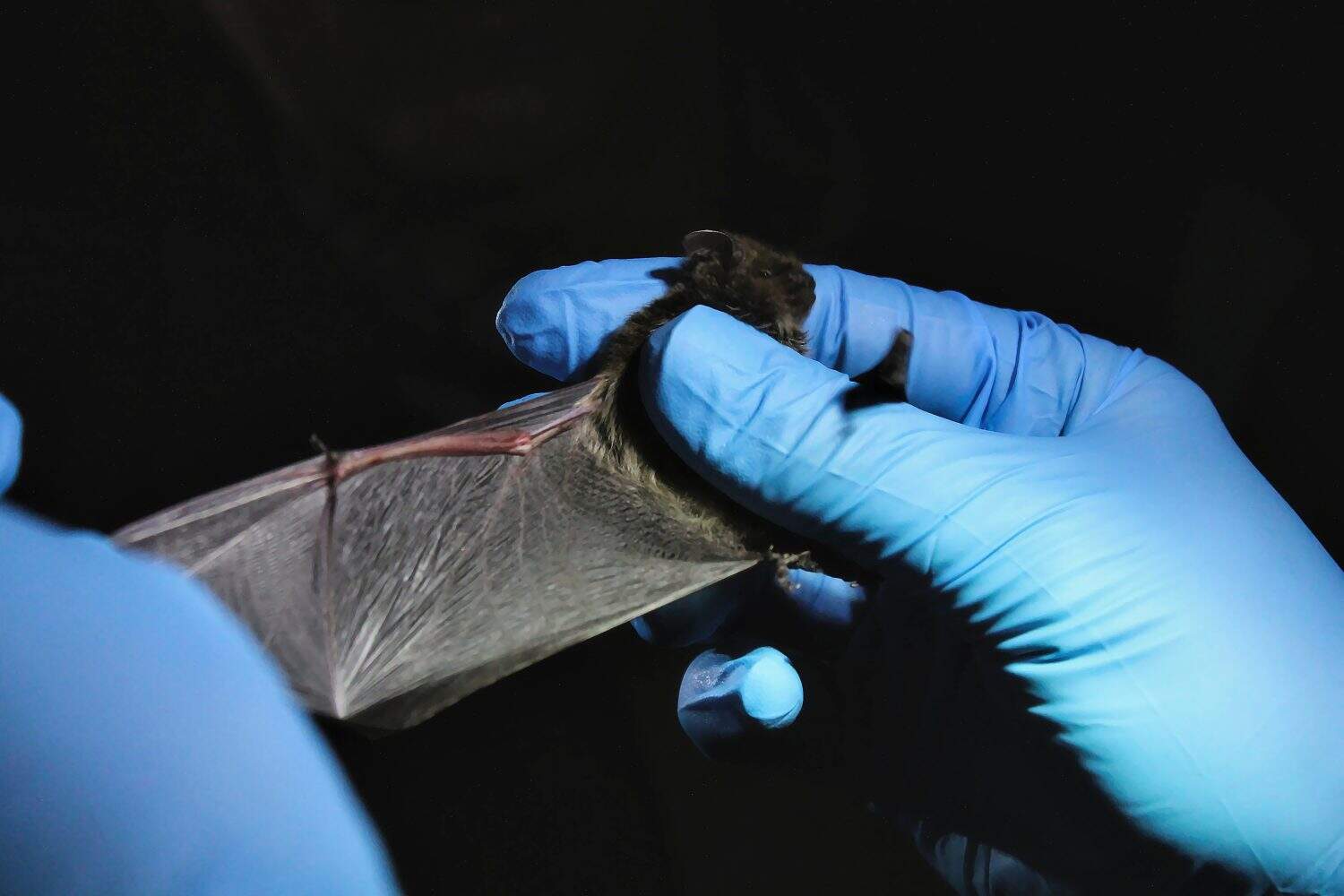
Inspecting, vaccinating, and other approaches have been taken to try to stop the spread of white-nose syndrome.
©Kaylee Richter/Shutterstock.com
Since the first cases of white-nose syndrome were discovered in 2006, scientists have been working to stop the fungal disease from attacking bat colonies. Without intervention, the survival rate of bats infected with white-nose syndrome is low.
Several promising approaches have been taken to stop the spread of white-nose syndrome. Of these, the most effective to date include:
| Prevention and/or Treatment Method | How The Prevention and/or Treatment Method Works |
| Bat Vaccination | Oral vaccine is given to bats in the summer or fall before hibernation occurs. Has been proven to decrease the number of bats infected with white fungal growth. |
| UVC Light | UVC lights sterilize the cave where bats hibernate, decreasing the chances of white-nose syndrome from occurring. |
| Skin Probiotic | Freeze-dried bacteria beneficial for combating white fungus are mixed with clay and then shot into the cave while bats are out hunting, to rain down on their skin when they return. The survival rate using this technique has gone from 8.4% in caves infected with white-nose syndrome to a 46.2% survival rate. |
| B-23 | B-23 is a compound that has antimicrobial properties to combat the white fungus. It is spread through caves using a fogger, while bats hibernate a few times during the winter to slow the white fungus growth. |
| Decreasing Cave Temperature | Scientists discovered white fungus grows best between 53.6°F and 60.44°F. By cooling the temperature to at least 2.4°F below the optimal temperature for the white fungus, the growth was slowed. More interestingly still, bats flocked to areas that were cooler in the cave rather than warmer, seemingly instinctually understanding that cooler areas slow the growth of white fungus. |
While white-nose syndrome continues to affect bats across the U.S., including most recently in San Juan Island National Historical Park, there is hope that a method will be developed soon to stop white fungus from attacking bats in hibernation. All 12 bat species currently affected by white-nose syndrome need to be protected from the fungus. However, the northern long-eared bat is currently listed as endangered, while the little brown bat and tri-colored bat are proposed for endangered status due to the impact of white-nose syndrome. With 90% of these populations being wiped out by white-nose syndrome, if a cure is not found soon, the chances of these bat species surviving for decades into the future are slim.