
If your dog curls up at your feet every night, you’re not alone. Many pups pick this exact spot to snooze, and while it might seem like a simple comfort choice, the behavior is rooted in instinct and emotion. Here’s why so many dogs choose their humans’ feet as their favorite bedtime real estate.
1. They Feel Safer Near You
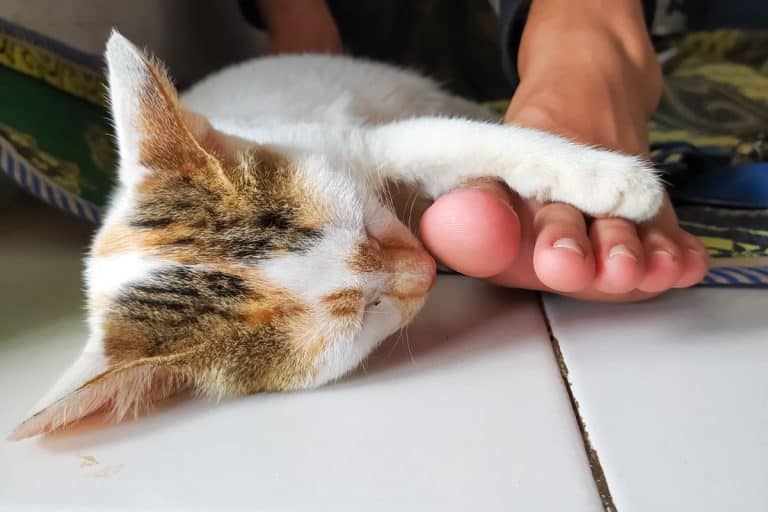
Long before dogs became our companions, their wild ancestors chose sleeping spots with safety in mind. Today’s dogs still hold onto that instinct — and for most of them, you are the safest thing in the room. By settling near your feet, your dog is choosing a protected place where they can truly relax.
2. It’s a Sign of Deep Trust
A dog that naps beside you isn’t just getting comfortable — they’re expressing confidence in you. Resting at your feet is a vulnerable position, and choosing it shows they trust you completely and view you as a reliable source of comfort and security.

Dog-friendly hotels make travel easier!
©Ирина Мещерякова/iStock via Getty Images
3. The Pack Instinct Lives On
Dogs are social animals, and closeness matters. Sleeping near you is your dog’s way of staying connected to their “pack.” It signals belonging and acknowledges your role as their leader. Even in a cozy home instead of the wild, that instinct remains strong.
4. Your Feet Are Warm — and Dogs Love Warmth
Dogs naturally seek out warm, soft spots when they settle down, especially breeds that were originally developed for colder environments. Under blankets or at the foot of the bed, your feet provide a perfect pocket of warmth — a canine-approved heating system.
5. Their Protective Instincts Kick In
Many dogs remain slightly alert even when they sleep, especially breeds with strong guarding instincts. By laying close to you, they’re positioning themselves to notice anything unusual. In their minds, they’re watching over you — even if they’re snoring while doing it.
6. Sometimes It’s Just Habit
If your dog slept at your feet as a puppy, the behavior can follow them into adulthood. Dogs are creatures of routine, and once they decide on a favorite sleeping spot, they often stick with it.
7. They Want To Be Close — Emotionally and Physically
Dogs pick up on our moods, breathing patterns, and even stress levels. Being close isn’t just comforting for them — it helps them stay attuned to how you’re feeling. Many dogs feel better when they can monitor their humans, even through the night.
When This Behavior Is Good — And When You Might Want To Redirect It
Positive Signs
- It strengthens your bond: Resting together can reinforce trust and companionship.
- It soothes anxious dogs: Nervous pets often relax more easily near their favorite person.
- You enjoy it: If it doesn’t disrupt your sleep or bother you, there’s no harm at all.
Possible Concerns
- Your dog begins guarding the bed or growling when you move.
- You develop allergy symptoms.
- Your sleep becomes restless or interrupted.
If any of these start happening, it may be time to help your dog transition to their own sleeping area.
How To Gently Teach Your Dog a New Sleeping Routine
- Make an inviting sleep spot: Choose a warm, cozy location near your bed.
- Reward them for using it: Treats and praise help them associate the spot with good things.
- Teach the “place” command: Over time, phase out treats and rely on consistency.
- Limit access to the bed: Especially during training.
- Stick to the rules: Mixed signals confuse dogs and slow progress.
Patience is key. Most dogs adapt well to calm, steady guidance. And remember — wanting to sleep near you is simply your dog showing affection. Their desire to be close comes from love, loyalty, and a little leftover instinct from their wild past.