
Quick Take
- The one thing killing zoo elephants for decades had nothing to do with diet, disease, or stress. It was literally under their feet. See the flooring fix →
- Zoo elephants were historically kept in a way that violates one of their most fundamental survival needs. Fixing that changed everything. Explore the social changes →
- A decades-old assumption about wild vs. captive elephant lifespans just got flipped, and the data behind it is hard to argue with. See the lifespan data →
- Living longer isn't enough for zoo elephants. Researchers say the harder challenge is ensuring those extra years are healthy and fulfilling. Discover the harder problem →
For decades, it was widely believed that wild elephants lived longer than those in captivity. However, a new study published in Scientific Reports challenges that long-held belief.
Researchers from the Zoological Society of London and Species360 found that zoo elephants now live as long as — or even longer than — many well-studied wild populations. This shift comes after more than 30 years of continuous improvements in zookeeping, including better medical care, modern habitats, richer daily activities, and stronger social structures.
While these findings highlight massive progress in animal care over the last six decades, the researchers emphasize that longevity is only part of the goal. Extending an elephant’s lifespan must go hand-in-hand with ensuring a high quality of life — physically, socially, and mentally.
A Dramatic Turnaround for Zoo Elephants
To track how elephant survival has evolved, researchers analyzed data from the Species360 Zoological Information Management System (ZIMS). The study examined records for over 3,000 African and Asian elephants across 1,400 institutions worldwide, comparing animals cared for between 1960 and 1992 with those cared for from 1992 to 2024 — the era when modern zookeeping practices were introduced.
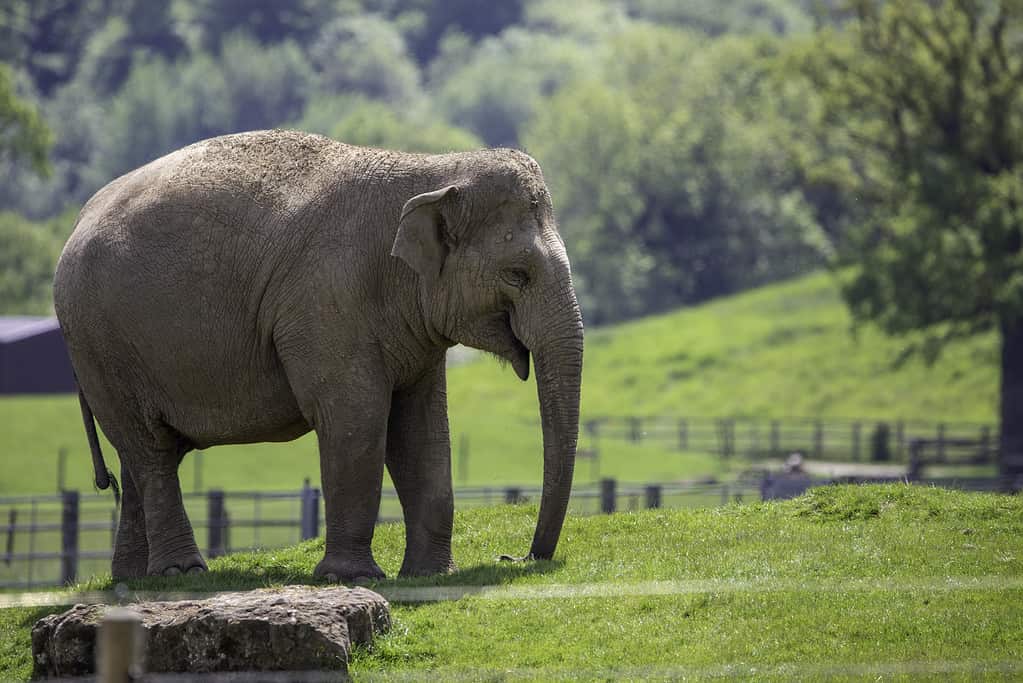
Many facilities are moving from traditional elephant exhibits to larger, open-space sanctuaries.
©Wirestock/iStock via Getty Images
The results were striking. Since 1960, life expectancy has jumped by up to 44 percent for males and 21 percent for females. Infant survival increased by up to 7 percent for African elephants, while juvenile survival in African elephants increased by up to 8 percent. Female Asian elephant infant survival also improved by 1 percent, and female juvenile survival by 4 percent. Overall, juvenile survival improved across the board. In addition, a larger percentage of zoo elephants are reaching old age rather than dying prematurely.
Most surprisingly, elephants in accredited zoos now survive at rates equal to — and in some cases higher than — well-studied wild populations in Kenya and semi-wild working populations in Myanmar.
What’s Behind the Longer Lives?
Researchers attribute these gains to decades of improvements in exhibit design, medical care, and daily elephant management.
Softer Ground, Healthier Feet
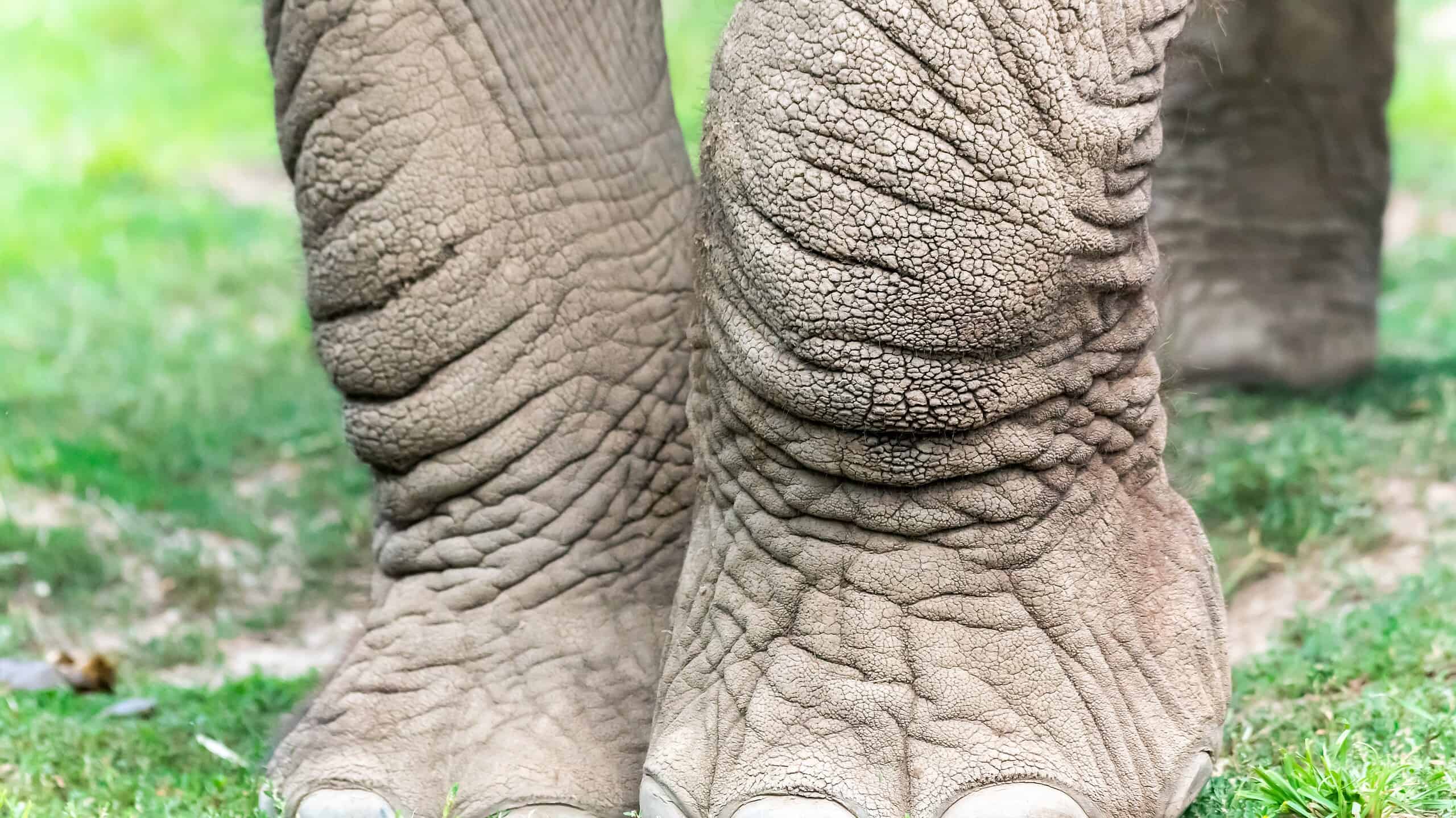
One of the biggest changes has literally been under elephants’ feet. Historically, hard concrete floors caused severe foot and joint diseases in captive elephants, which frequently led to euthanasia. Modern habitats replace concrete with deep sand, natural soil, and other soft surfaces that cushion joints and protect feet.
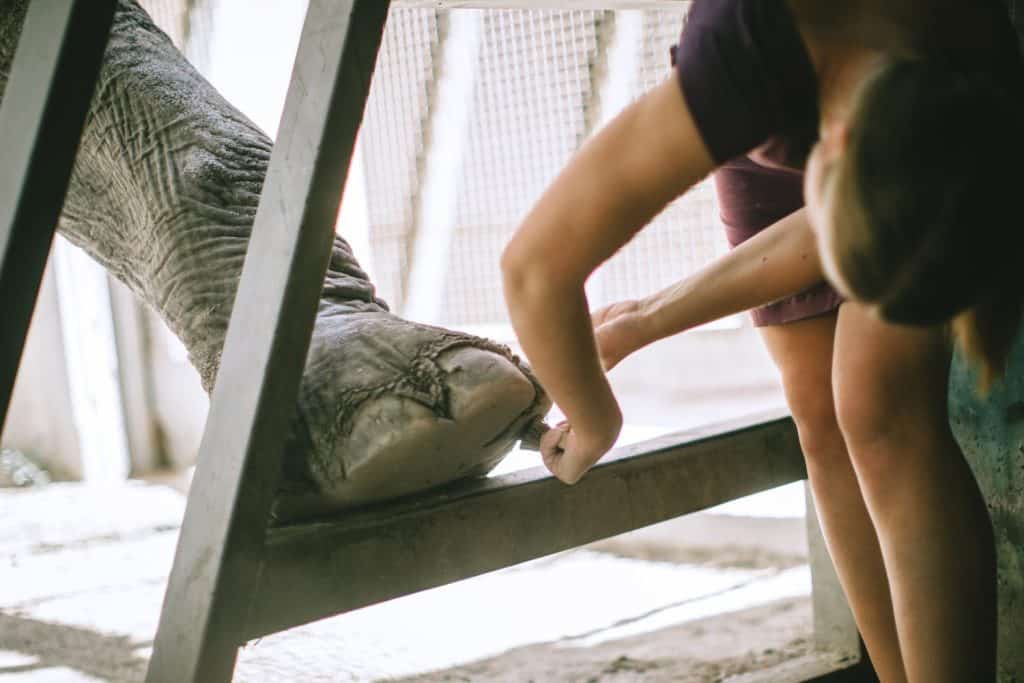
Elephants are trained to voluntarily participate in foot care.
©Rosa Jay/Shutterstock.com
Routine preventive foot care has also become standard practice. Zoos now use “Protected Contact,” a system where elephants voluntarily participate in daily foot inspections, trimming, and cleaning. Using positive reinforcement, keepers care for the animals safely behind a protective barrier, allowing teams to catch and treat minor issues before they become life-threatening.
More Natural Social Lives
Elephants are highly social animals, yet historically many zoos kept them alone or in unnaturally small groups. Today, management strategies focus heavily on restoring natural herd dynamics. Today’s accredited zoos work to keep elephants in multi-generational family groups, where females and calves live together with mothers, grandmothers, and other related females — much like they would in the wild. Facilities have also improved care for adult males by designing specialized habitats that safely accommodate the bulls during musth (periods of heightened aggression and testosterone) while providing them with natural social interactions throughout the rest of the year.
By supporting these complex relationships, zoos significantly reduce chronic stress and encourage natural behaviors vital to elephant well-being.
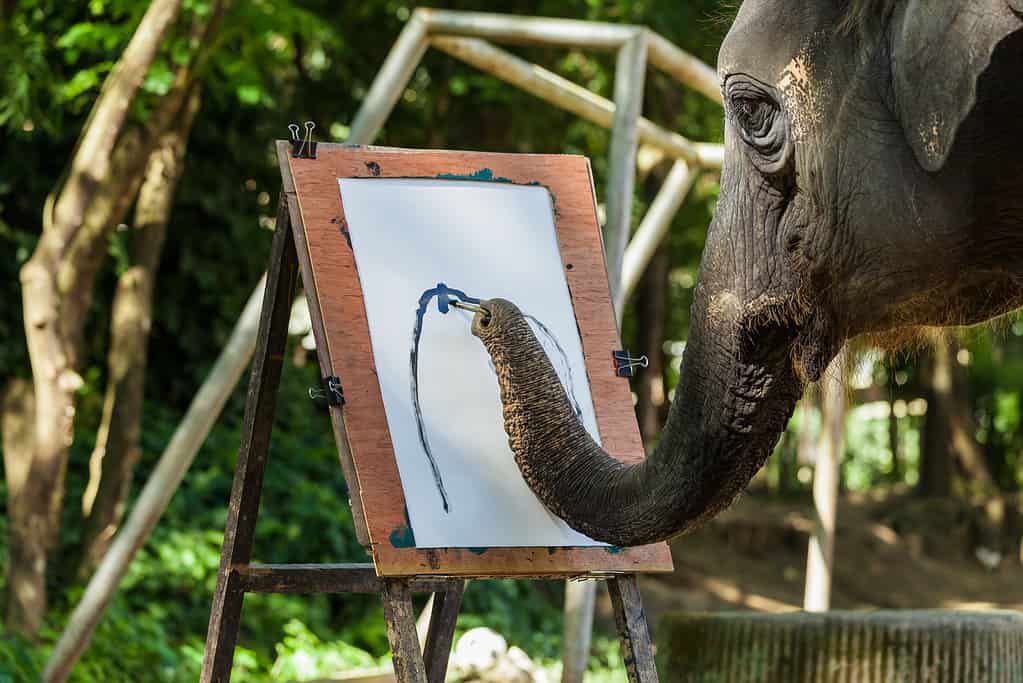
Elephants are given many different types of enrichment activities, such as food puzzles, foraging games, and in some cases, even painting.
©Jan-Schneckenhaus/iStock via Getty Images
Environments That Encourage Natural Behavior
Modern habitats do much more than simply give elephants more room to roam — they actively challenge and engage them. Many updated habitats now include mud wallows, pools, puzzle feeders, scattered foraging spots, and other forms of enrichment. Instead of eating from a single trough at set times, for example, the elephants spend hours foraging, exploring, and problem-solving throughout the day. These active environments reduce repetitive, stress-induced behaviors caused by boredom and encourage daily movement that more closely mimics life in the wild.
Living Longer Isn’t the Whole Story
While the study marks a major milestone for elephant management, researchers emphasize that success shouldn’t be measured by lifespan alone. A longer lifespan alone does not necessarily indicate good welfare. Ideally, an elephant should be able to express natural behaviors, build social bonds, stay active, and remain mentally engaged.
Future welfare evaluations must combine life expectancy data with behavioral and psychological health indicators to get a full picture of an elephant’s quality of life. Because elephants live so long, the full impact of management changes introduced in the 1990s and 2000s is still unfolding. As younger generations live their entire lives under modern care, researchers expect survival and well-being metrics to improve even further.
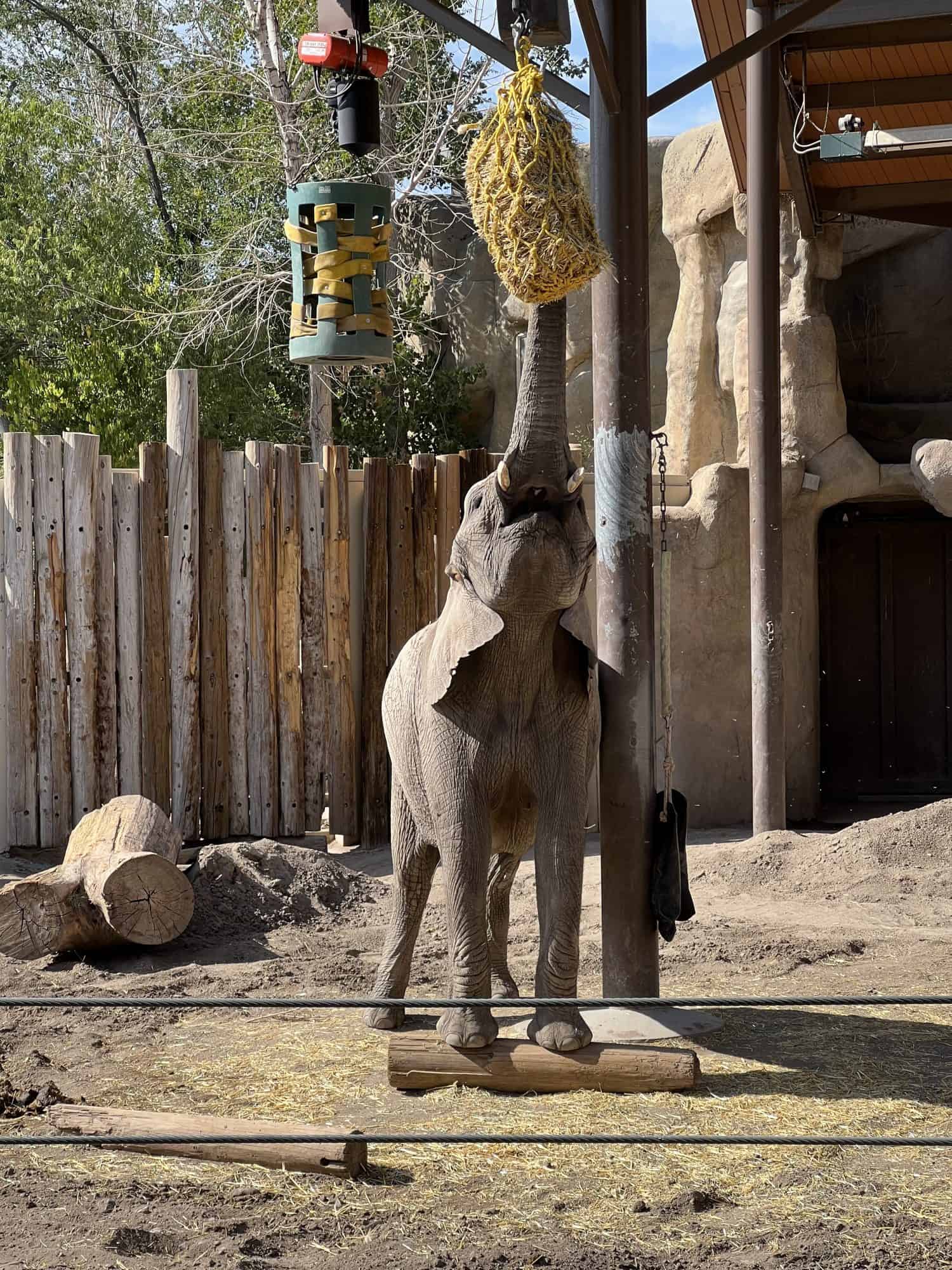
Elephants are some of the smartest animals on Earth.
©iBenlo/Shutterstock.com
A New Era of Elephant Care
This study highlights just how dramatically elephant care has changed over the past several decades. Improvements ranging from softer sand flooring and preventive veterinary care to more natural social groupings and enriched habitats have fundamentally reshaped the survival prospects of elephants living in accredited zoos.
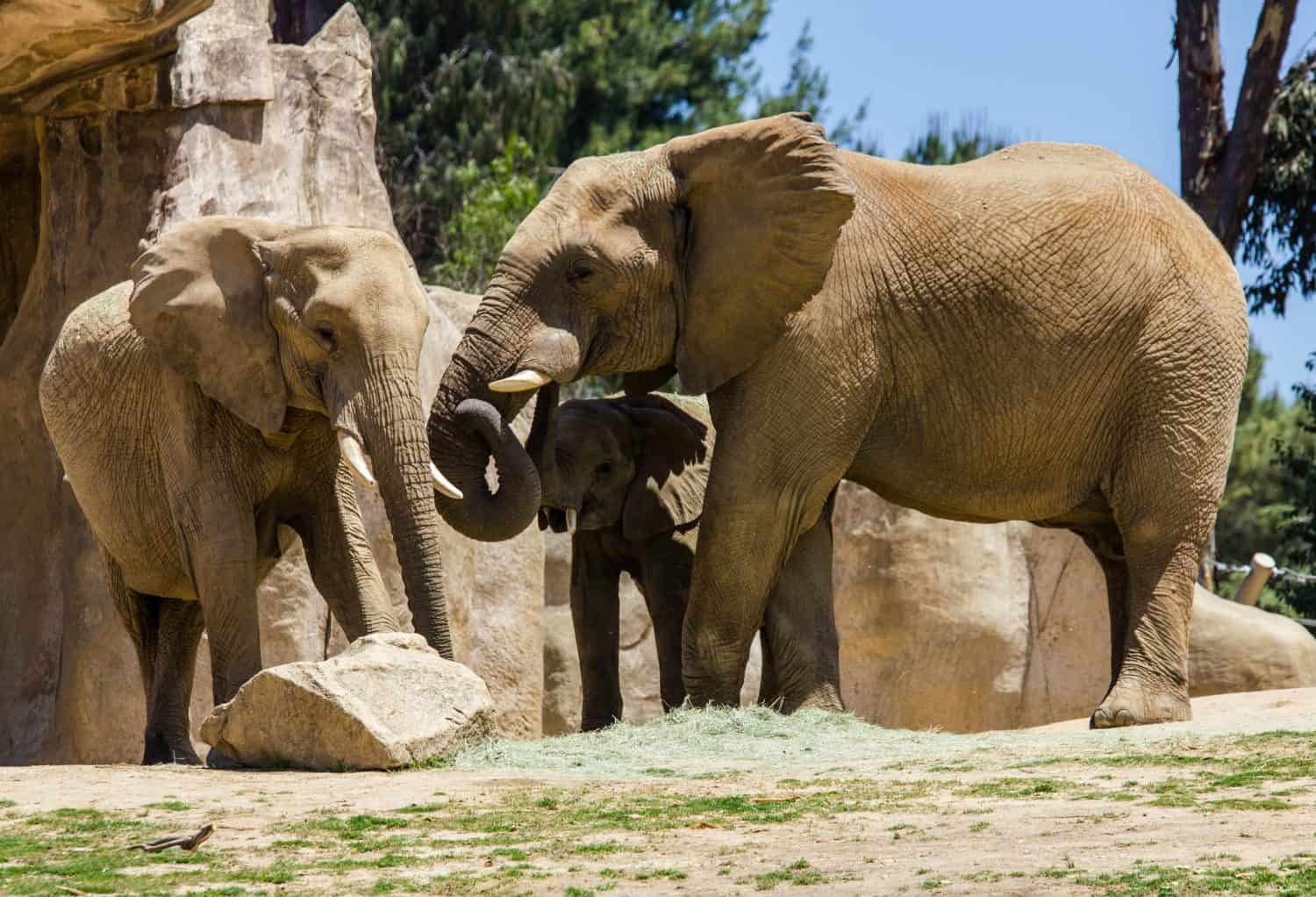
Elephants are extremely social and live in tight-knit family groups.
©Yana Ostanko/Shutterstock.com
The findings also offer compelling evidence that science-based management can substantially improve elephant welfare and survival. Zoo elephants are now living lifespans that rival, or even exceed, those of well-studied wild populations.
However, as the researchers make clear, helping elephants live longer is only part of the goal. Zoos must also ensure that the animals continue to thrive throughout their longer lives by supporting not only their physical health but also their behavioral and psychological well-being at every stage of life.