
Quick Take
- Mexico City achieved a March 2025 requirement ending lethal outcomes for all future bullfighting events.
- A 15-minute time restriction now poses a critical challenge for maintaining traditional match pacing.
- Bull actions traditionally seen as aggression are actually physiological responses to extreme distress.
- The Culture Without Torture group spearheaded a movement necessary to prioritize animal welfare over heritage.
Animal blood sports are a tradition in many different cultures and societies globally; however, their morality has been subject to much discussion in recent decades. Sports such as cockfighting and bullfighting are two prime examples that have raised questions about whether culture and tradition should continue at the expense of animals. Mexico City is one place where this question has been considered. This Instagram post by @maythesciencebewithyou discusses the recent Mexico City Supreme Court ruling that banned bullfighting. Continue reading here to learn more about this decision and how it benefits bulls.
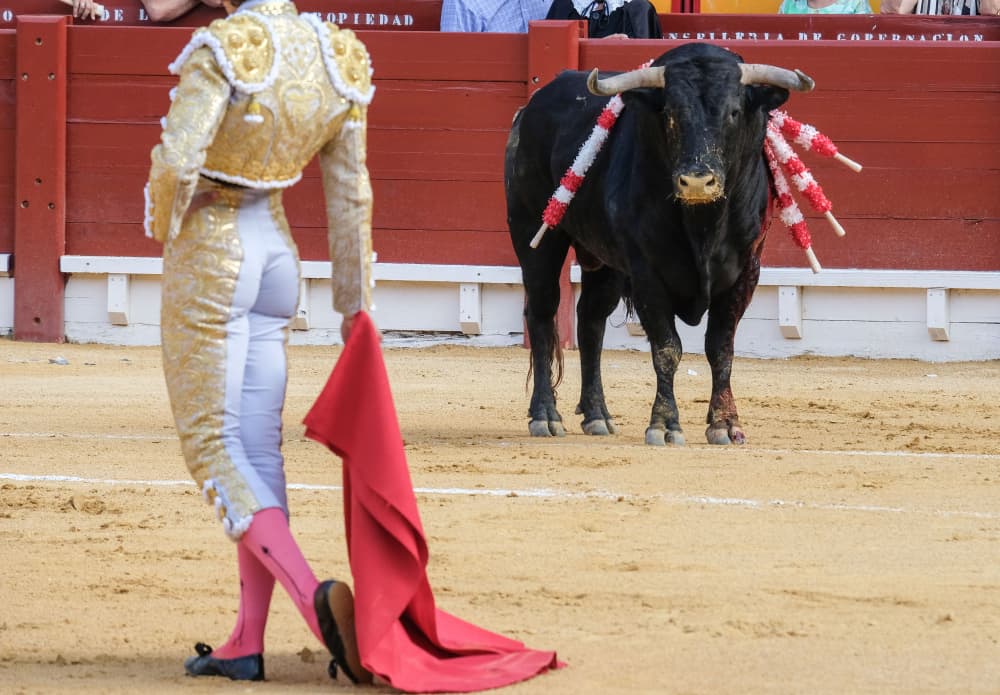
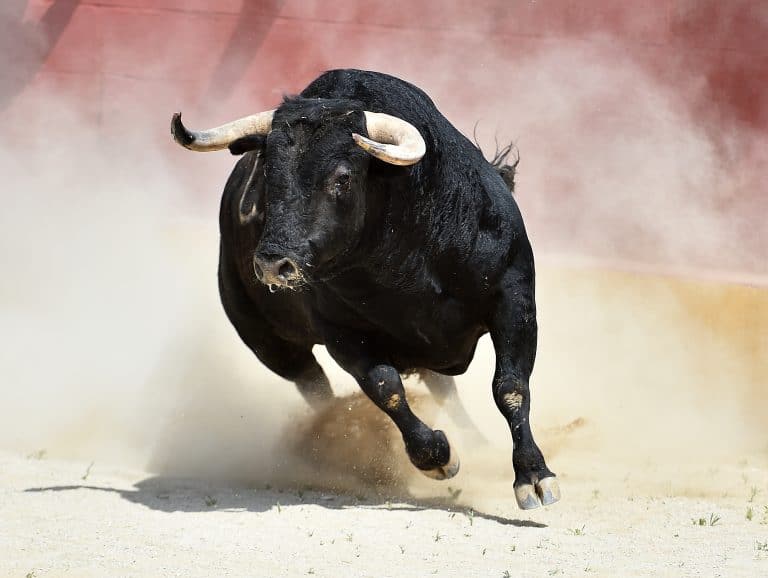
Bullfighting was introduced to Mexico by the Spanish.
©Axel Alvarez/Shutterstock.com
A Centuries-Old Tradition of Bullfighting
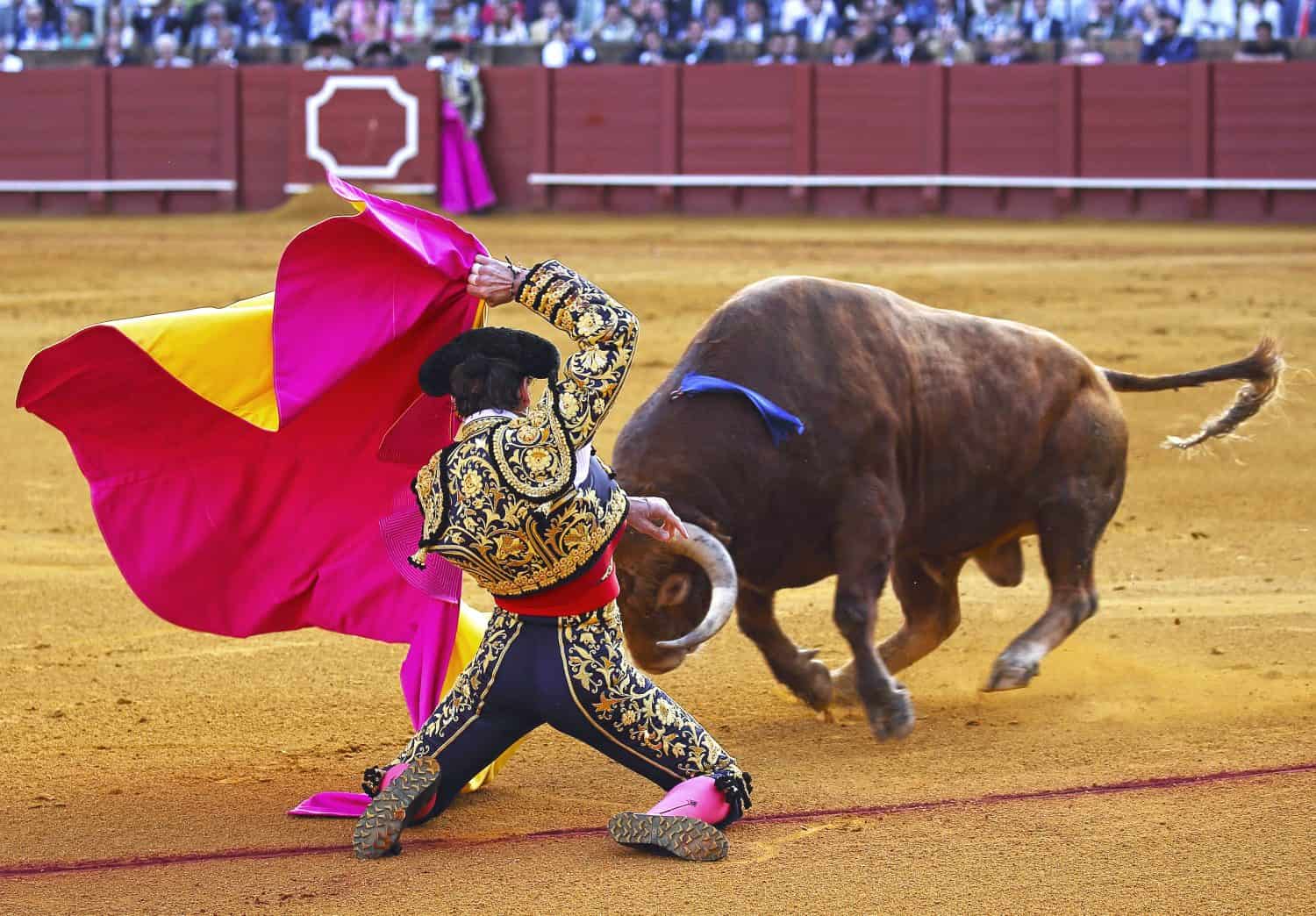
Bullfighting in Mexico City dates back to the 16th century, when it was introduced by Spanish conquistadors. The sport involves a matador and a bull engaging in a ritualistic fight. One of the main controversies of the sport is the harm done to the bulls. After provoking the bull with a cape or by other means, the animal is weakened before being killed by the matador at the end of the show. Although the bull’s actions may seem inherently aggressive, they are actually responses to distress. Many proponents of the sport claim cultural heritage and tradition, while opponents cite animal cruelty, a stance taken by the Mexico City Supreme Court.
The bullfighting ban was passed by lawmakers in March 2025, signifying a major first step for animal rights activists. The ban prohibits violence, injury, or killing of bulls in the ring. Additionally, the use of swords and other sharp objects that could injure the bulls was banned. As a compromise with bullfighting proponents, a 15-minute time limit was established for any events.
The movement has many supporters, including animal rights groups such as Culture Without Torture, politicians who led the legislation, and citizens who petitioned to build momentum. The successful passing of this ban highlights a significant shift in attitudes within Mexico City. As our understanding of animals’ emotions and experiences grows, questions about the impact of human actions on animals have become more prominent. This raises a broader question: should humans prioritize cultural traditions or animal welfare?