
Quick Take
- Colorado’s moose restoration numbers rose to about 3,500 across the Rockies, reshaping ecosystems where hunting is banned.
- In Kawuneeche Valley, tall willows declined anywhere from 77%-98% since 1999, undermining water storage, stream stability, and beaver habitat.
- Multiple species have experienced this type of too-successful restoration, and conservationists must now grapple with the consequences.
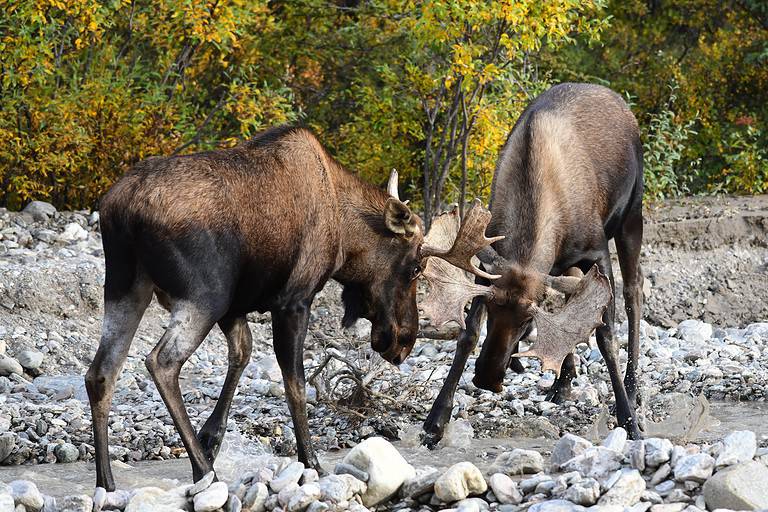
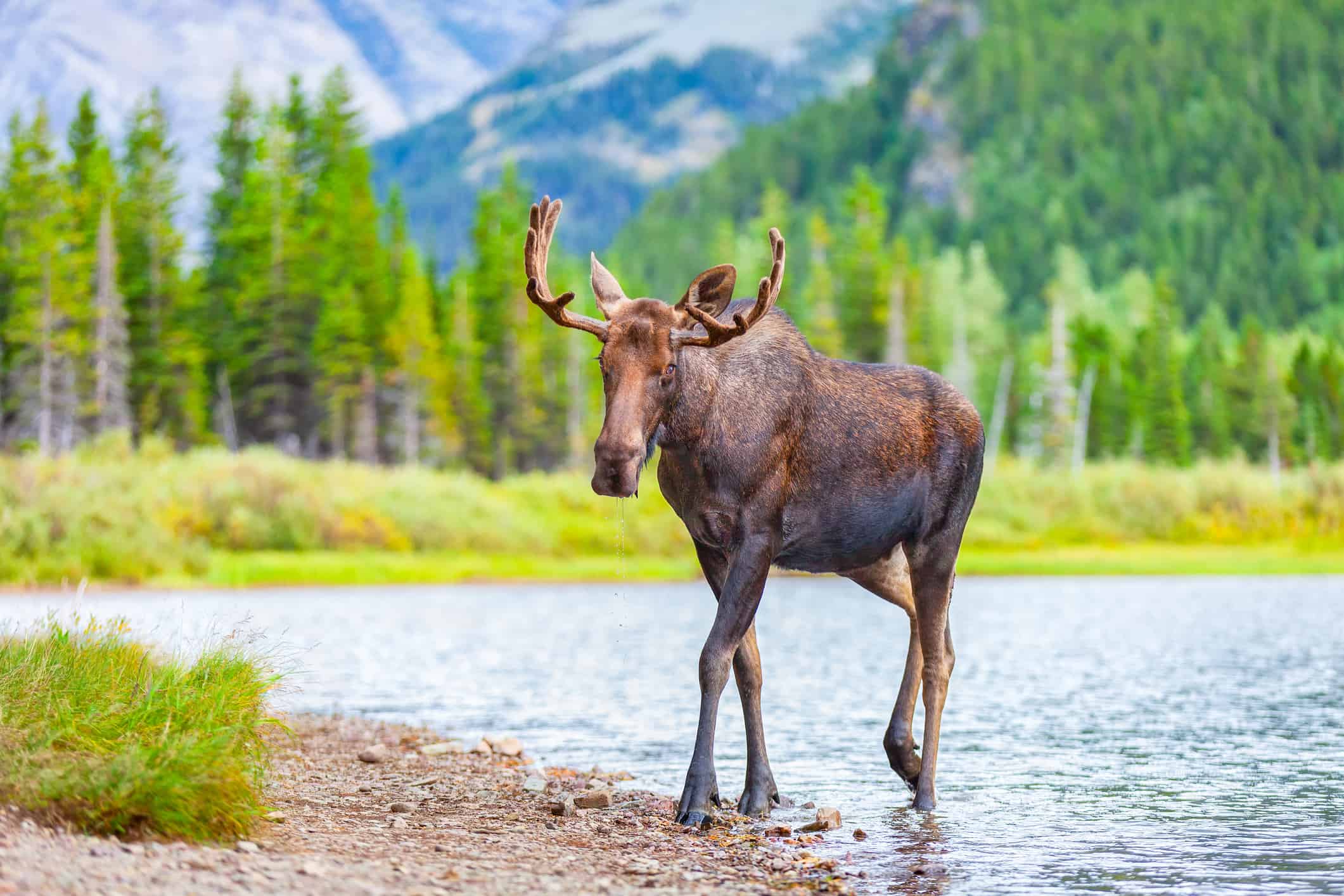
Moose in Colorado were once a rare sight, but that is no longer the case. Decades of reintroduction in this state have turned a once-missing species into a thriving population of roughly 3,500 animals across the Rockies, according to Colorado Parks and Wildlife’s own moose management and recent coverage of the program’s success. But is there such a thing as too much success?
There indeed may be. Reports are rolling in, indicating that reintroduced elk and moose herds are potentially causing more harm than good to certain ecosystems. In fact, areas within the Rockies are changing due to these restoration projects, and officials are unsure where to go from here.
This story is also not unique to Colorado. As conservation and wildlife laws proliferate and pass, recovered species can become far more abundant than we can anticipate, with their numbers growing so high that they cause far more harm than good. What is the situation of moose in Colorado, and what other areas have dealt with species restoration proving far too successful? Here’s the other side of conservation and what happens when restoring a species has the opposite effect that experts intended.
When Species Restoration Goes Too Far
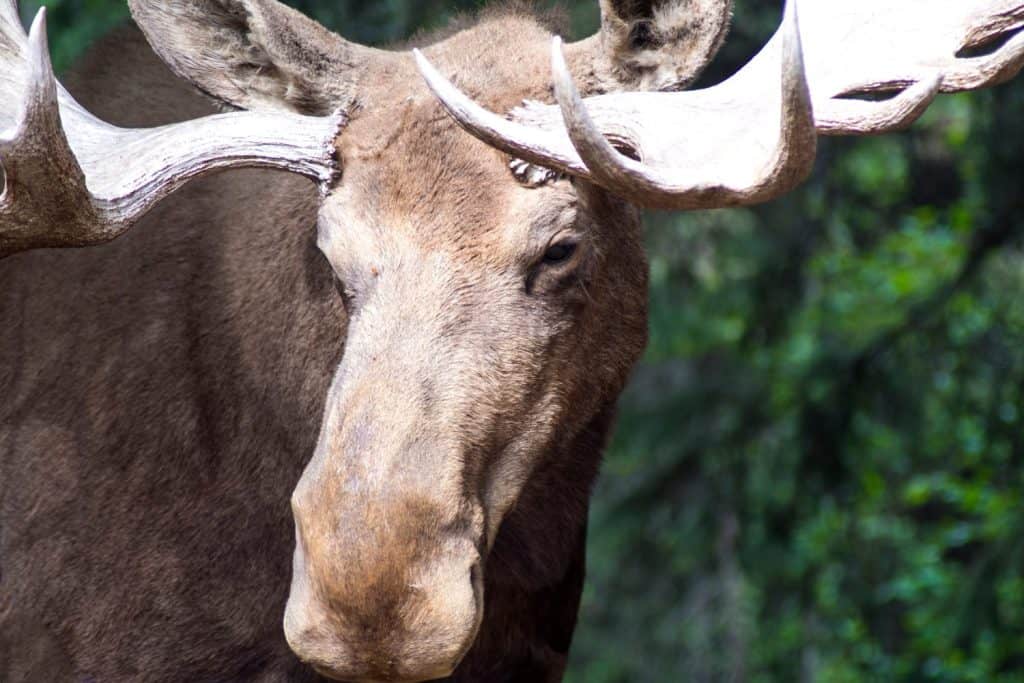
Colorado’s moose population grew into ecosystems that cannot sustain their numbers.
©Douglas E. Fechter/Shutterstock.com
Wildlife ecologists often define unhelpful species restoration as overabundance. This doesn’t involve a specific number of animals, but more so the point at which a species takes from other resources or disrupts valued ecosystem processes that have been in place for decades.
A review of deer impacts in temperate forests describes how growing deer populations are reducing plant diversity, altering the capacity for forest regeneration, increasing disease risk, and contributing to crop damage once these populations exceed their ecological thresholds. The same is being said about Colorado’s moose population.
Moose restoration within this state followed the typical ways in which species are restored: relocating a small founding population into a suitable habitat and protecting them from hunting or the majority of predators. State biologists moved 24 moose from Wyoming and Utah into Colorado in 1978, then added even more moose through 2010, aiming to restore a native species and eventually provide viewing and hunting opportunities, should the species prove stable.
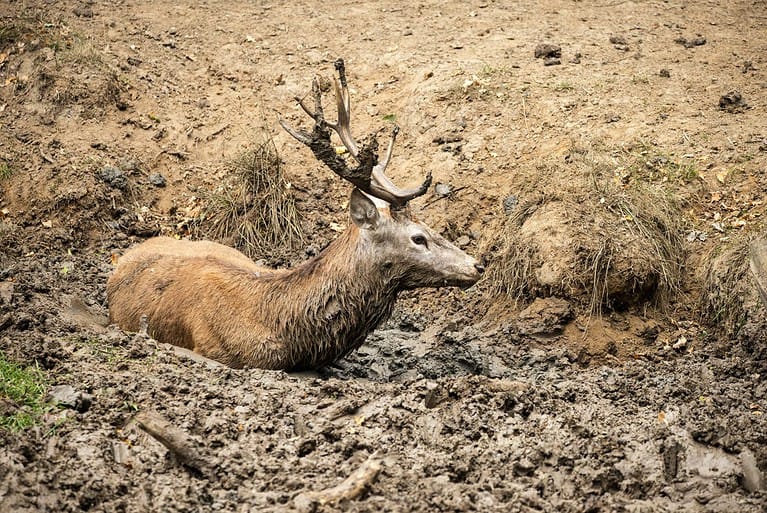
The species did indeed prove stable, which was a success for the state. Hunting permits are available for moose in Colorado, and you would assume this would keep moose impacts relatively contained and subdued. However, inside national parks where hunting is banned, moose numbers are climbing high enough to reshape valuable ecosystems where moose were historically rare or absent.
Colorado’s Damaged Ecosystems and Moose Overabundance
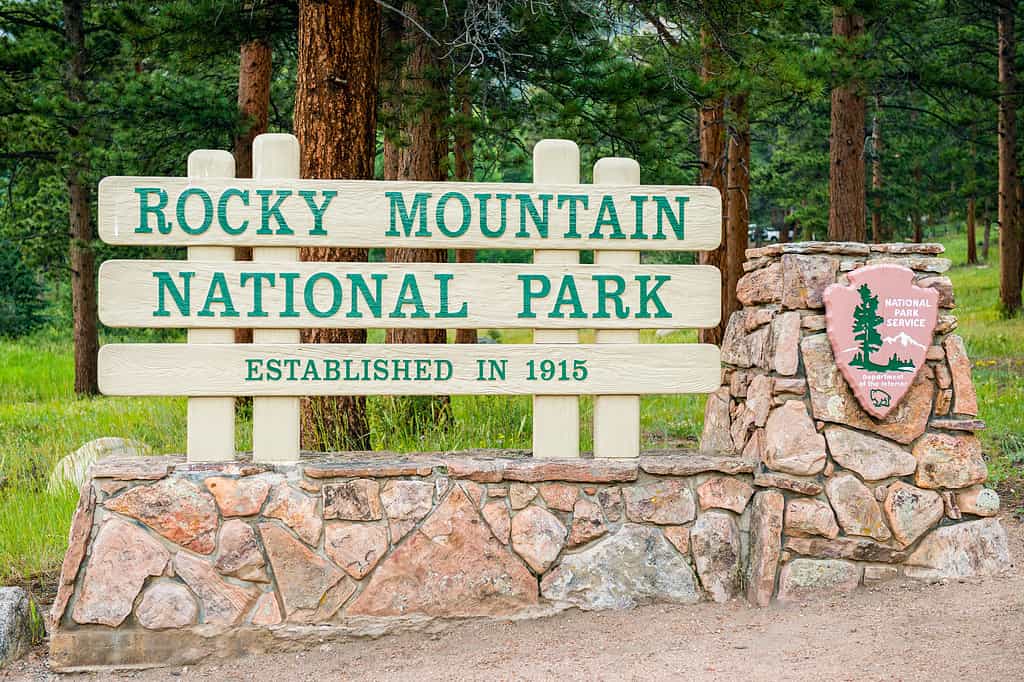
The moose and elk populations in Rocky Mountain National Park have damaged precious wetland ecosystems since their reintroduction.
©NatalieJean/Shutterstock.com
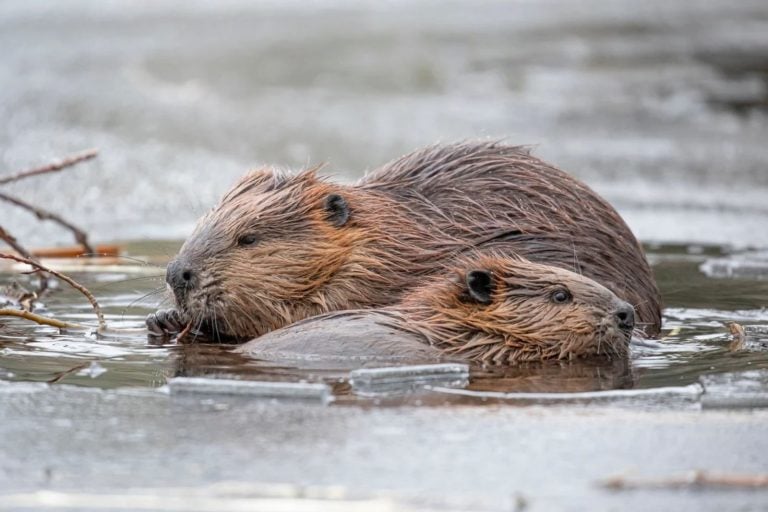
Rocky Mountain National Park’s Kawuneeche Valley of the 1990s featured tall willows, beavers, and wetland meadows, which are largely considered sensitive, delicate, and vital ecosystems. However, by the mid-2020s, these willows had collapsed, and beaver ponds within the valley were close to vanishing.
The reason? Browsing by elk and reintroduced moose, combined with a drying climate and human impacts, altered the land forever. A National Park Service report of this research explains that since 1999, the valley has lost about 77%-98% of its tall willow stands, which ultimately compromises water storage, stream stability, and habitat for beavers and songbirds, turning this once vital wetland into a grassland ecosystem for elk and moose.
Fenced exclosures are now being used to protect the regenerating willows of this area from large herbivores, primarily moose and elk. The park is also installing simulated beaver dams and attempting to draw these ungulates away from the area in an effort to restore it.
But this singular wetland isn’t the only ecosystem that’s suffered at the hands of species restoration. Other locations and animals are just as much to blame for certain damages as Colorado’s moose population.
Deer: Another Overabundance Success Story

The number of vehicle collisions with deer has increased since their populations were restored.
©Amy Lutz/Shutterstock.com
White-tailed deer in North America also represent a similar story of species restoration that has gone terribly and unexpectedly wrong. After their numbers declined in the early 1900s, deer populations rebounded under specific changes in hunting regulations, predator removal, and expanding edge habitats.
By the late 20th century, large herds of deer were causing more harm than good. They were almost single-handedly responsible for reshaping forests, reducing plant diversity, halting tree regeneration, and causing crop damage. Many more deer-related car accidents also occurred during this time.
Conservationists and organizations now explicitly classify white-tailed deer as overabundant in many suburban and rural areas, places where they consistently damage vegetation, spread disease, and cause frequent vehicle collisions. In locations throughout North America, a long-term solution to this problem doesn’t exist; deer are rampant and more likely to cause more damage than conservationists expected.
Turkeys, Seals, and Other Successful Species Restorations
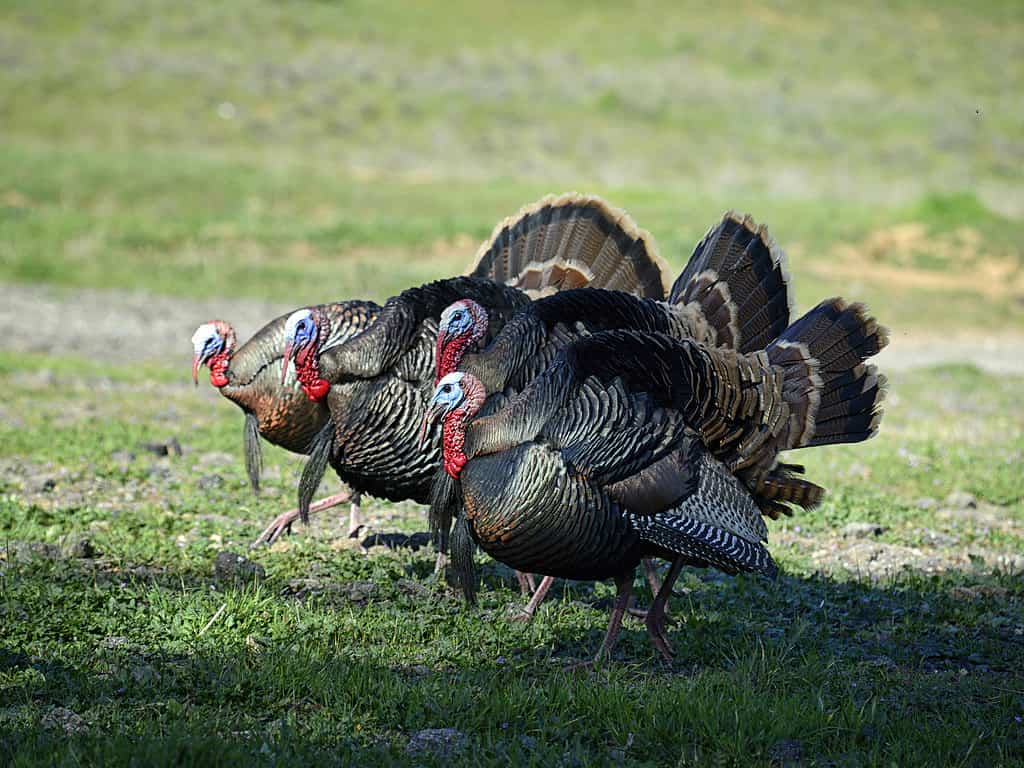
Wild turkey populations have exploded ever since their restoration, causing damage to neighborhoods in New England.
©Lois_McCleary/iStock via Getty Images
It isn’t just hoofed animals that have made some extremely successful comebacks. Wild turkeys are another prime example, as they nearly disappeared from much of the United States by the early 1900s. With trap-and-transfer programs and habitat work, national numbers for turkeys rebounded into the millions. Sounds all well and good, right?
In parts of New England, however, locals can’t help but feel chagrined about their wild turkey populations. These birds are routinely blocking traffic, attacking their own reflections, and dominating suburban neighborhoods, although recent data shows some stabilization or decline in turkey numbers in certain areas.
Gray seals are also in a similar place after being heavily hunted. Their populations rebounded under protections such as the Marine Mammal Protection Act, and it didn’t take long for rapid recolonization of historic pupping sites along the U.S. coast. Seal populations have now grown large enough to raise concerns among fishers about seal predation on recovering fish populations and damage to fishing gear.
How can we balance species restoration with our existing ecosystems? The question remains a mystery, but conservationists debate it constantly. These are the consequences they typically address and utilize to build a more sustainable plan.
What Happens After Species Restoration Is Too Successful?

The prevalence of certain restored species can cause damage to developed regions as well as remote ecosystems.
©Frankie Calkins/Shutterstock.com
When any species becomes overabundant, conservation goals must shift in order to maintain any semblance of balance. Ecologists typically bring up and debate three main consequences before diving into potential solutions:
- Ecological tipping points.
Overabundant herbivores can push ecosystems into new stable states, but these states are often less diverse and complex than they once were. Fewer species thrive in these new ecosystems, and the regions tend to support only the overabundant population. - Economic and safety costs.
Overabundant species can increase damage to the regions they overtake. This can be anything from ecosystem damage to altering manmade regions, including neighborhoods or vehicular areas. - Social tolerance thresholds.
Speaking of manmade regions, conservationists must judge the human tolerance for any successful species restoration projects. That tolerance always varies by region, culture, and experience, but overabundant animals often end up crowding into developed areas.
Tools for Managing Too-Successful Species Recoveries
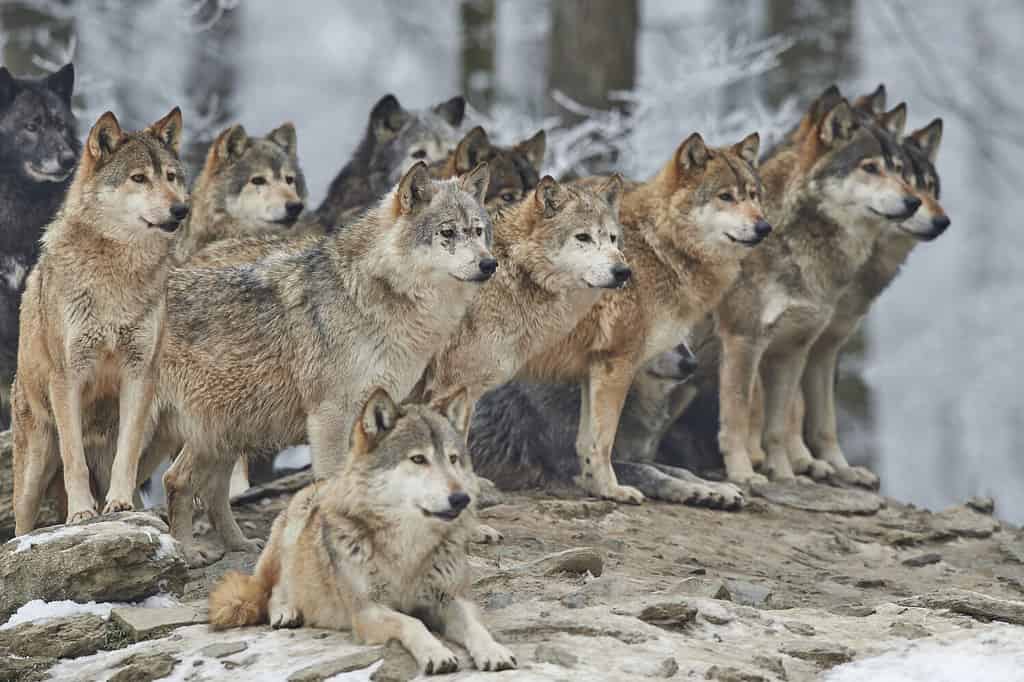
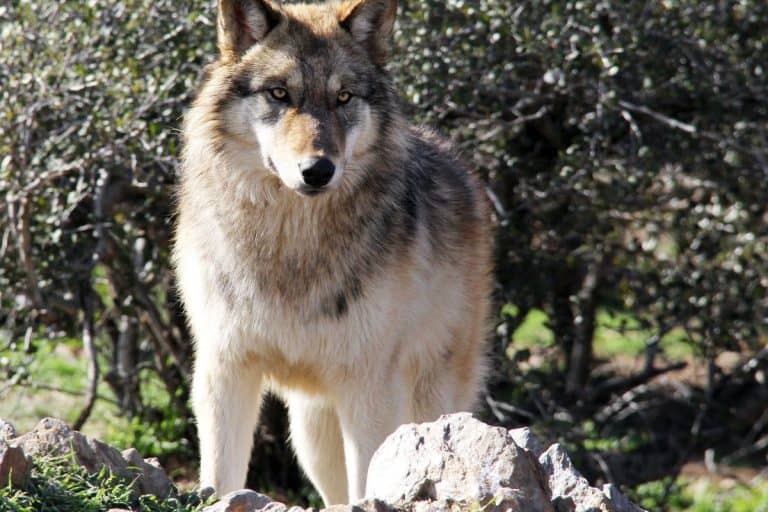
Reintroducing predators into a region can help mitigate species overabundance, but this also comes with its own potential issues and debates.
©Michael Roeder/Shutterstock.com
When restoration projects are labeled as too successful, wildlife and conservationist agencies only have so many solutions, including:
- Adaptive hunting and harvest.
In most of Colorado, moose numbers are currently being kept in check through tightly controlled hunting licenses. Similar strategies are in place for many deer and turkey management plans across North America. - Predator restoration.
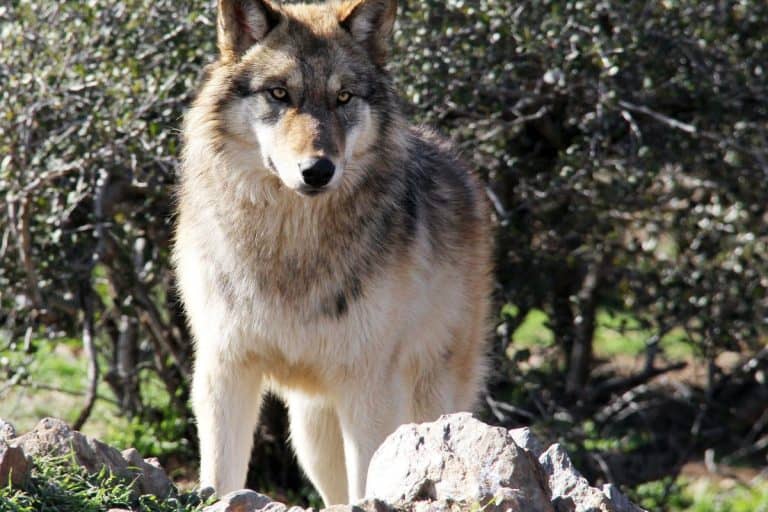
In some systems, reintroducing or protecting predators can limit herbivore numbers, but this is slow and politically complex. For example, ongoing wolf reintroduction in Colorado has sparked plenty of debate about whether wolves might eventually help regulate elk and moose, especially with a skeptical public opinion about the process. - Fertility control and translocation.
For urban deer in particular, agencies are exploring contraceptive vaccines or targeted relocation. However, these methods are often expensive, logistically challenging, and most effective only in small and relatively closed populations. - Habitat engineering and exclusion.
In some habitats, like the Kawuneeche Valley, managers are using fencing or other means to regenerate habitats while keeping browsing moose and elk out. This essentially involves redesigning the region so it can recover, even while species numbers remain high in the surrounding area.
Rethinking What “Success” Means in Conservation
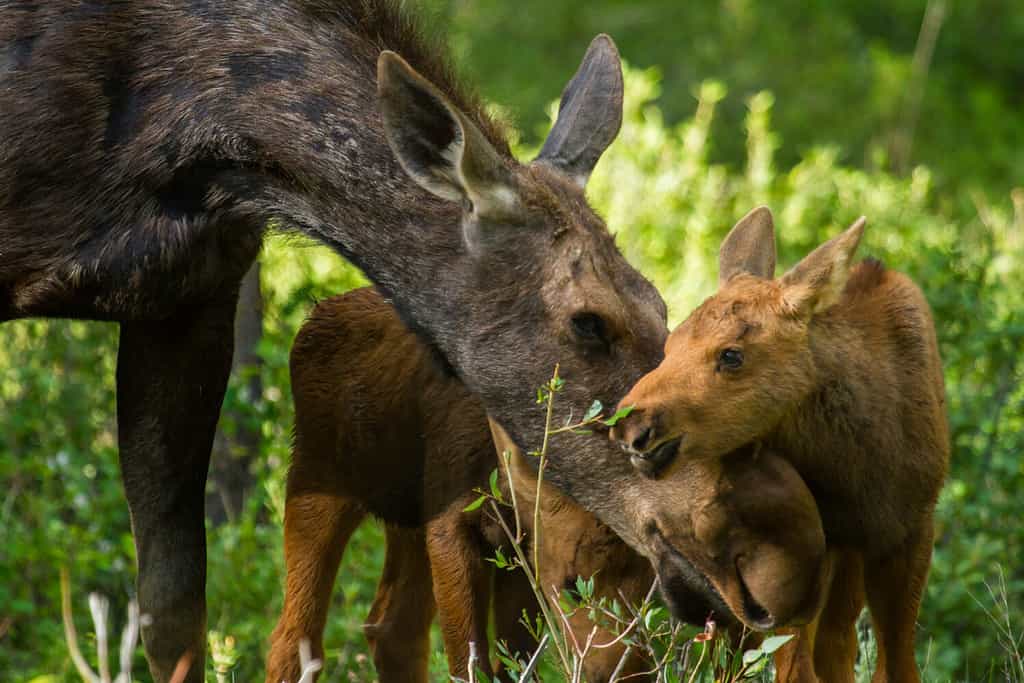
Species restoration is a beautiful thing, but careful management must happen alongside bringing animals back from the brink.
©Green Mountain Exposure/Shutterstock.com
Regardless of what happens in the future, Colorado’s moose restoration is a paradox that will potentially become more common. If no one asks, early on, “What does a sustainable success look like?”, how can we bring back certain species while continuing to sacrifice so many other vital systems?
A too-successful species restoration cannot exist in a vacuum. It must be integrated with ecological recovery, social tolerance, and long-term management plans to ensure these thriving species do not push the rest of their ecosystems and human neighbors past their limits.