
It doesn’t matter how tough you are; you can’t survive the unforgiving arms of outer space. It’s a literal vacuum up there; silent, deadly, and indifferent to any type of creature’s pain. While the majority of the planet’s animals won’t last long in the great cosmic expanse, some creatures have an almost supernatural ability to survive in space.
They are called extremophiles. These creatures can adapt to conditions on the very edge of what is possible for life. It doesn’t matter if those conditions include extreme temperatures, radiation, or pressure; extremophiles thumb their (often microscopic) noses at such threats. Let’s learn more about these fascinating animals and how they manage to survive what would kill most living things.
Tardigrades
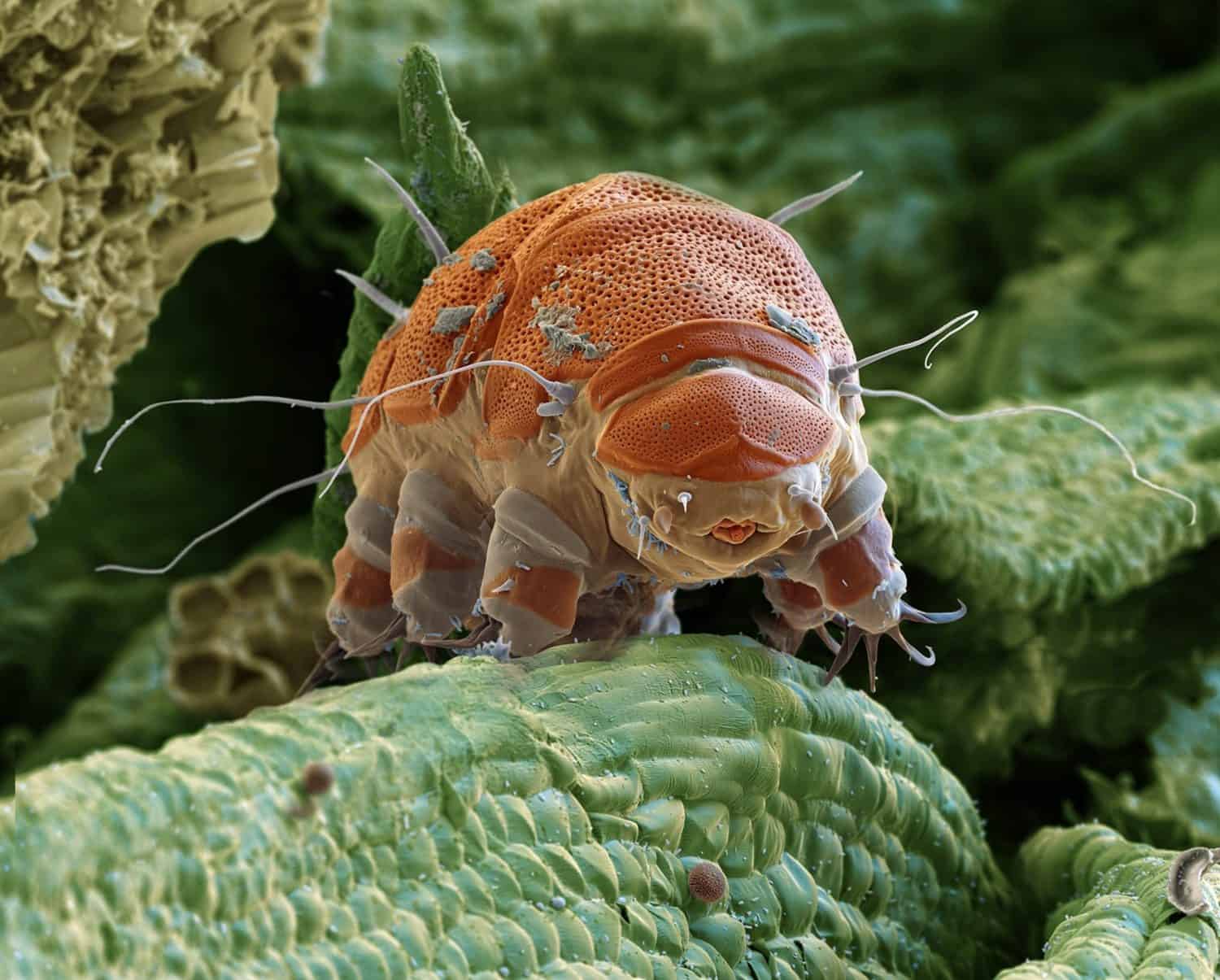
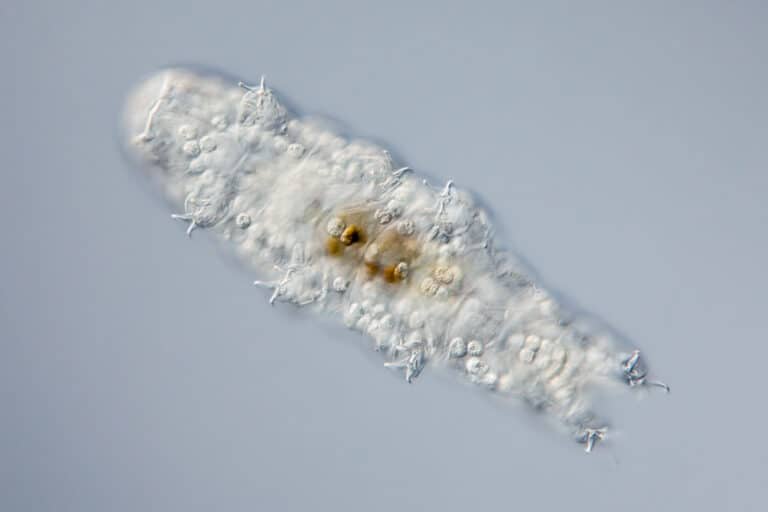
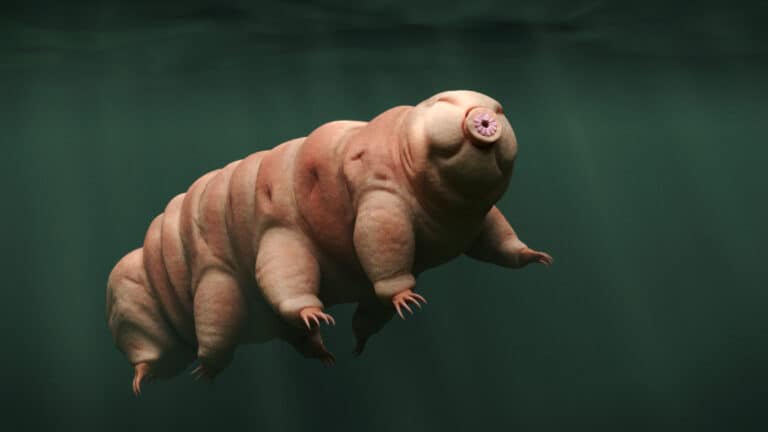
Tardigrades have survived exposure to open space.
©TajdidProtik/Shutterstock.com
Some animals can survive in space. Some creatures can survive a little longer. However, no being can survive the cold confines of outer space like tardigrades. Cockroaches may be hardy, but tardigrades are the undisputed champions of enduring life-threatening conditions. They are, quite cutely, also known as water bears or moss piglets. These eight-legged segmented micro-animals can be exposed to space and keep on kicking. Indeed, they enter a cryptobiotic state called a tun. When water is scarce, tardigrades retract their legs and become a desiccated cyst utterly lacking in metabolic activity. They manage this thanks to special sugars and protective proteins in their cells.
This near-death state also protects their DNA. A curious creature, Tardigrades appear even more supernatural upon closer inspection. In 2007, scientists exposed a few tardigrades to open space during the Russian FOTON-M3 mission. Despite being exposed to conditions that would kill almost every creature on Earth within moments, tardigrades revived with ease once rehydrated. Some even managed to reproduce after the deadly experiment.
Gastrotichs
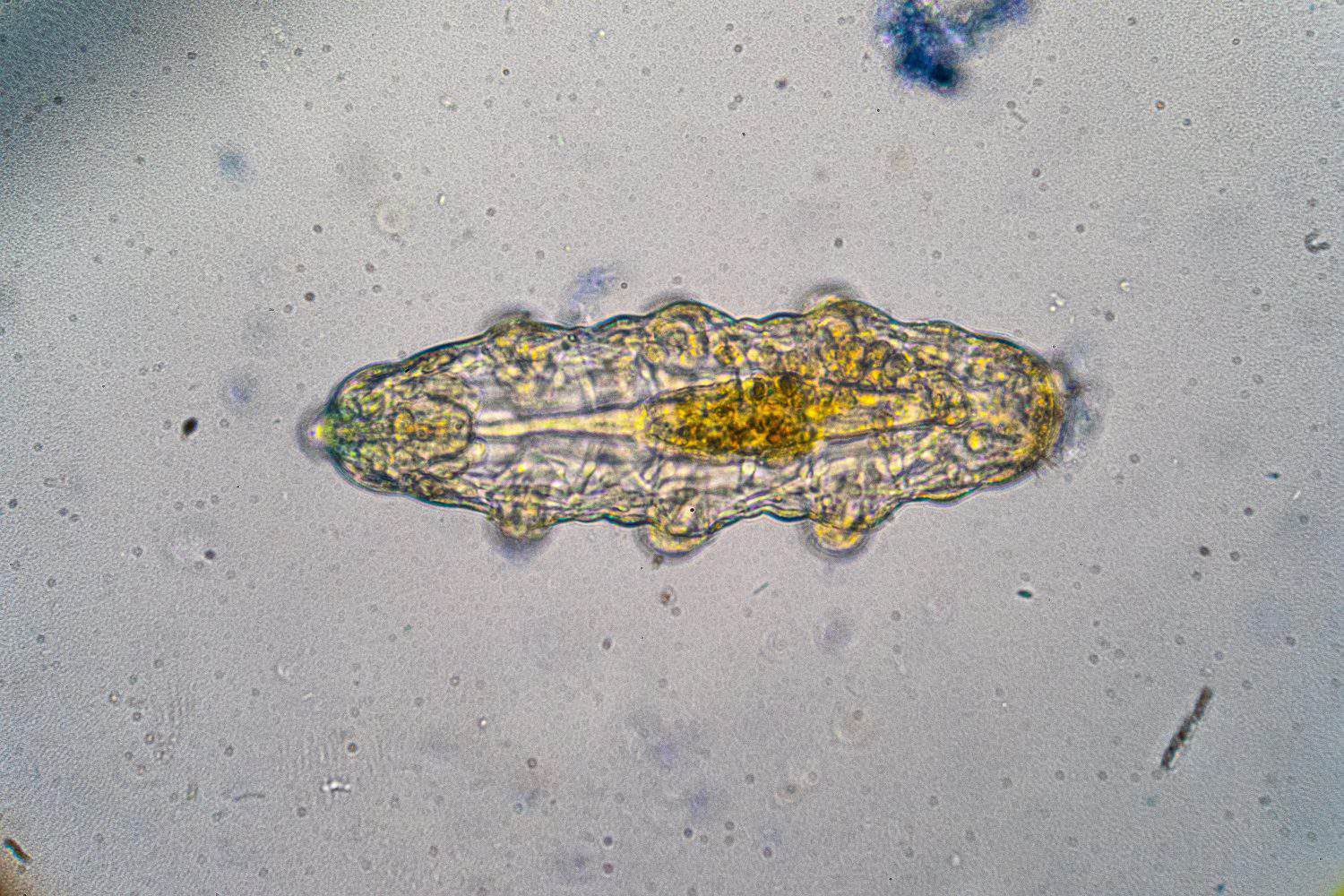
Like tardigrades, gastrotichs can survive in extreme conditions.
©sruilk/Shutterstock.com
Their cousins, the tardigrades, get all the fame and fortune, but gastrotrichs are just as hardy when it comes to enduring the cosmic horrors that await us just above Earth’s atmosphere. While tardigrades look like little gummy bears, gastrotrichs look like furry worms but come equipped with incredibly resilient features. While they have yet to be officially introduced to outer space, their ability to resist both desiccation and extremely cold temperatures makes them ideal candidates for astrobiology experiments. These experiments would have to be quick, though, as gastrotichs only live for several days.
Fruit Flies
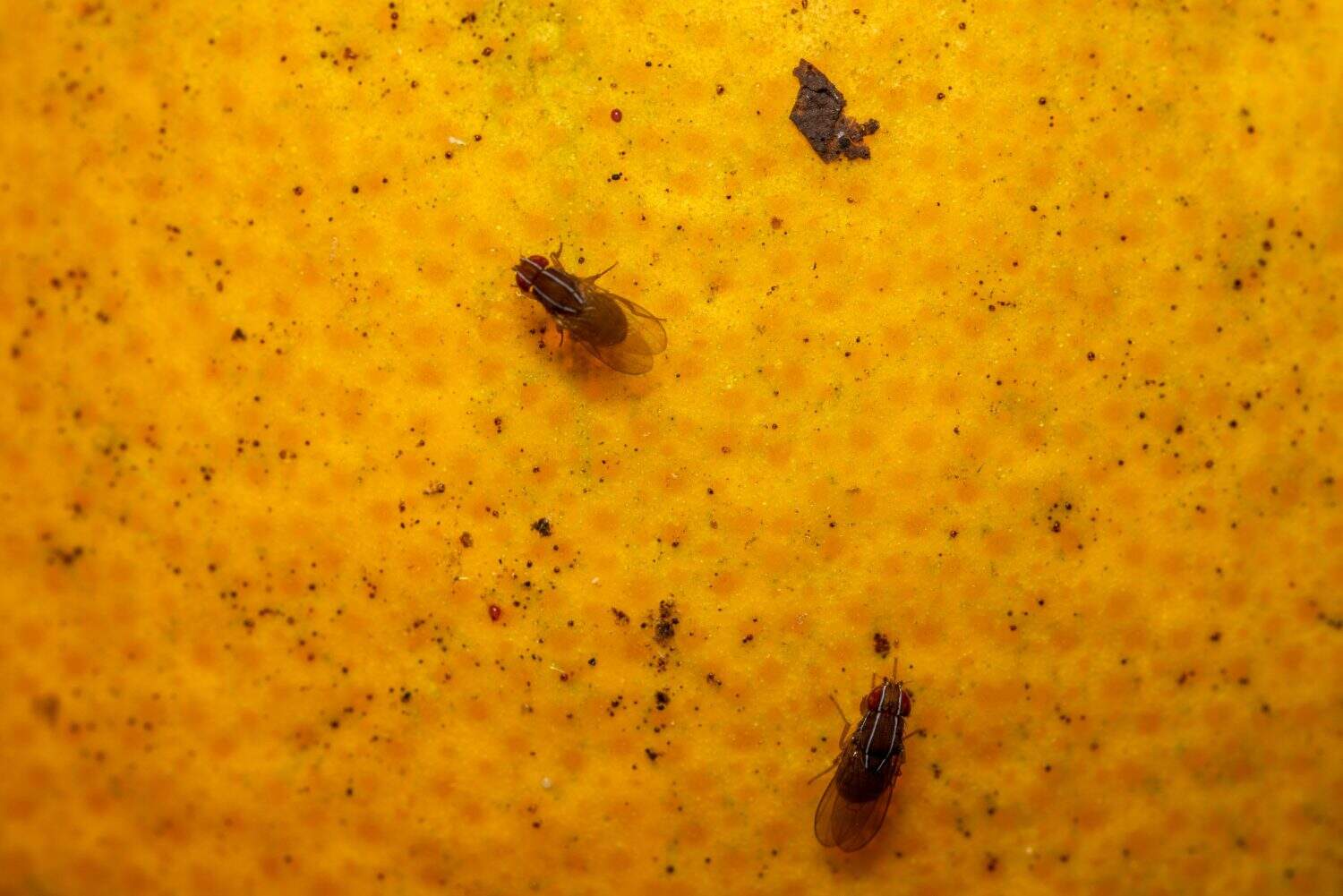
Fruit flies were the first living organisms to be sent to space
©Fabrizio Schiavon/Shutterstock.com
These little guys love rotting fruit, but who knew that they could handle the cold clutches of space with relative ease? While they may not last the longest up there in the great beyond, fruit flies hold the record for being the first living organism to go to space. Indeed, on February 20, 1947, fruit flies entered the atmosphere and then reached suborbit aboard a V-2 rocket. While their trip to the great void was brief, it paved the way for other bigger, more mammalian creatures to see what it was like up there.
Their little bodies are no match for the pure vacuum of space. That said, fruit fly larvae can survive microgravity, but high radiation significantly reduces their survival rates. Fruit flies and humans share a considerable number of genes, so scientists have sent plenty of fruit flies up into orbit in the following decades to do tests on gene mutation, the immune system, and the effects of weightlessness on the cardiovascular system. Next time you swipe at a fruit fly buzzing around your Sunday afternoon watermelon, remember that they made space exploration possible.
Rotifers
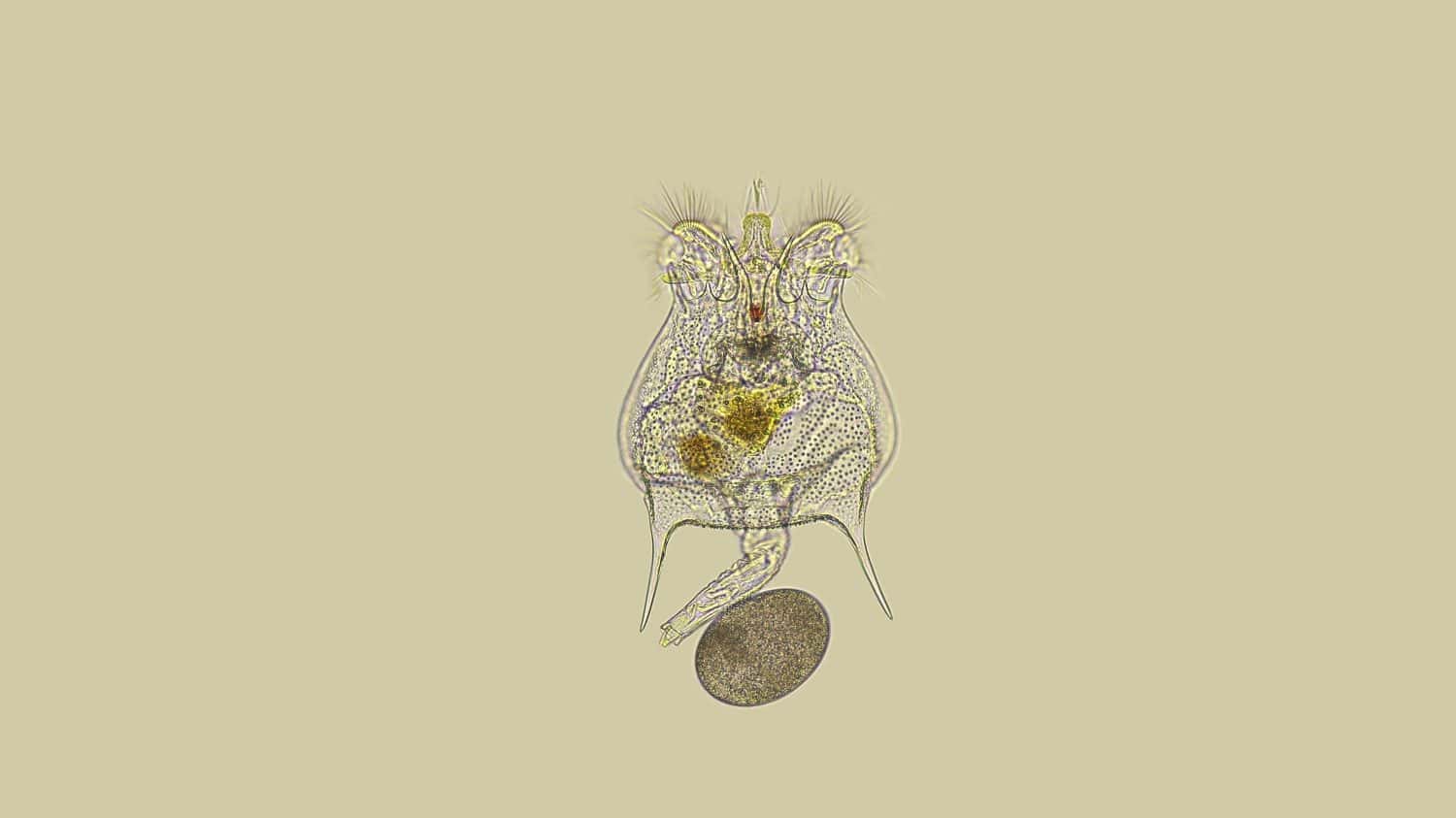
Scientists managed to revive some bdelloid rotifers that had been frozen for over 24,000 years.
©shoma81/Shutterstock.com
Another type of animal that can survive space is rotifers. These small, freshwater invertebrates have similar features to tardigrades. Bdelloid rotifers, in particular, can survive incredibly life-threatening conditions. Unlike other asexual organisms, bdelloid rotifers stave off extinction by desiccating when water is scarce and dispersing with the wind. Once they rehydrate, they can take in DNA from foreign life forms like bacteria and plants in a process called horizontal gene transfer. In fact, up to 10% of their DNA may come from foreign bodies. This helps them endure genetic change and survive the onslaught of dangerous parasites.
What’s more, rotifers are also capable of surviving extreme radiation. The same skills that let them preserve their DNA during periods of desiccation also allow them to repair double-strand DNA fractures so their genetics remain intact. While they have been exposed to outer space a few times, in June 2021, biologists managed to restore some bdelloid rotifers after being frozen for 24,000 years in Siberian permafrost.
Cockroaches
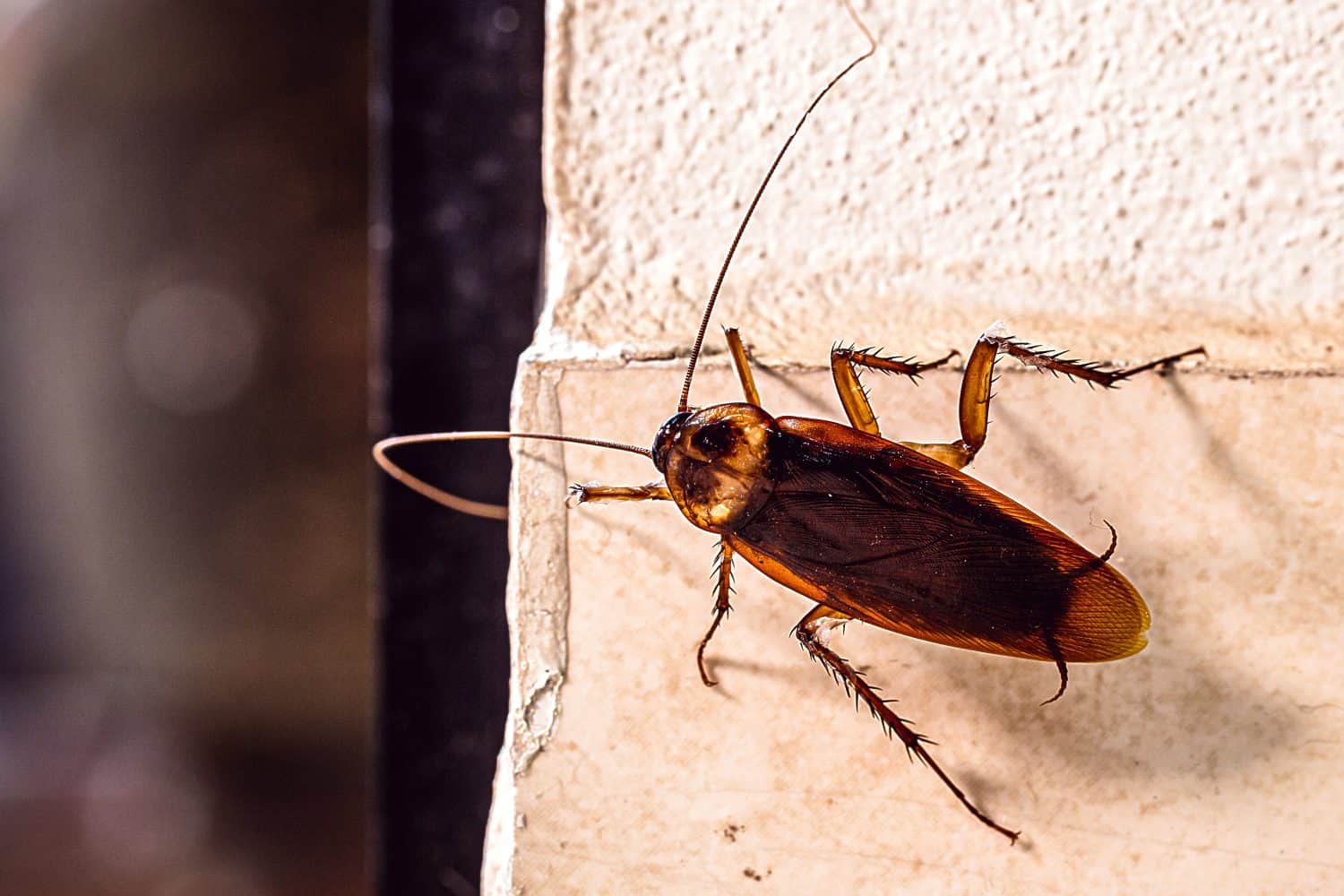
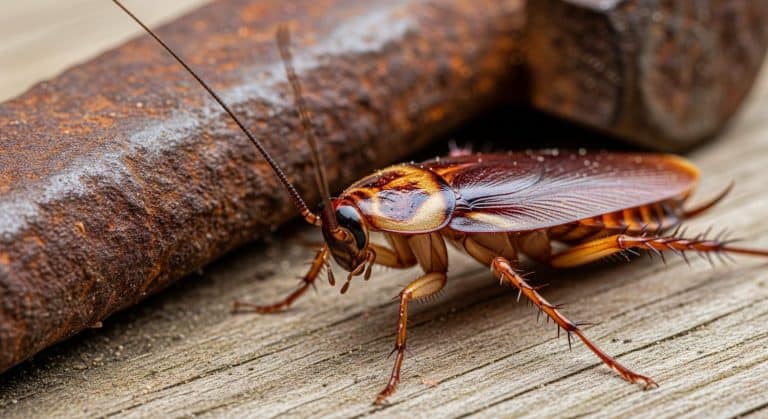
Cockroaches are the first creatures to “give birth” in space.
©RHJPhtotos/Shutterstock.com
Are we really surprised about this one? Cockroaches can withstand so much firepower and so many purposeful extermination techniques, they might just survive the heat death of the universe in several hundred billion years. They only have a thin exoskeleton-like shell, but boy are they resourceful. That’s why it should come as no surprise that they can survive in space.
While cockroaches aren’t technically immortal, they might as well be, as they are incredibly radiation-resistant. In several controlled experiments, roaches were exposed to partial vacuum environments and survived longer than the average insect. What’s more, a cockroach named Nadezhda (Russian for hope) was the first creature to give birth in space when she laid a batch of eggs during a flight of the Fotom-M biosatellite in 2007.
Brine Shrimp
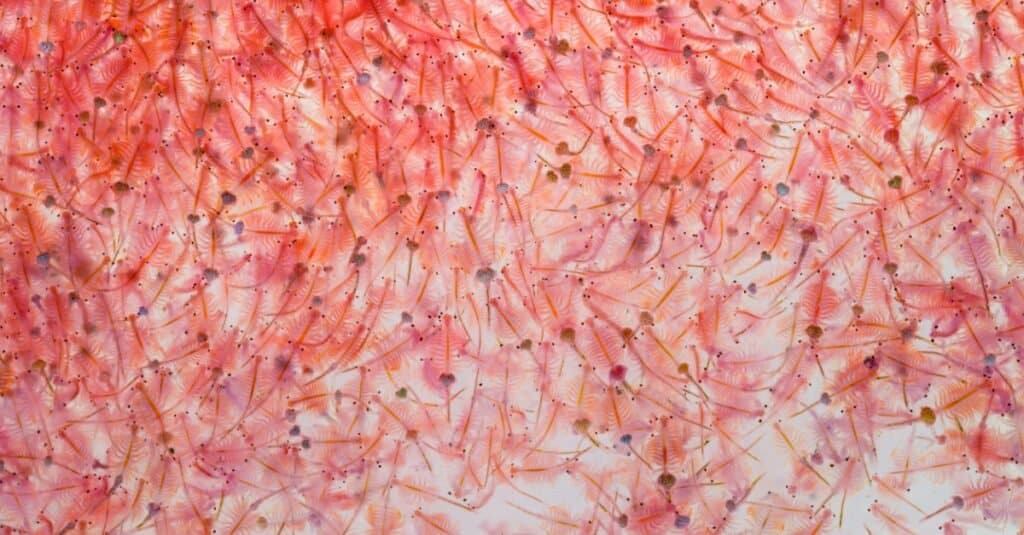
Brine Shrimp are also known by the name Sea Monkeys.
©iStock.com/antpkr
You may know brine shrimp by their more vibrant name, sea monkeys. Despite being less than half an inch long on their best day, brine shrimp make good guinea pigs when it comes to space flights. During several US space missions, including Biosatellite 2, Apollo 16, and Apollo 17, astronauts brought brine shrimp along for the ride to test the impact of radiation on their little bodies. There’s no free lunch, and brine shrimp learned this fact acutely during their various rides into space.
Even the control group of brine shrimp test subjects back on Earth wasn’t safe. They were exposed to seven times the force of gravity and even vibrated mechanically for several minutes so they could taste the physics-induced violence of a real rocket launch. As for the space (sea) monkeys, they were brought back and their eggs were hatched. While they survived, most of the embryos could not handle extreme cosmic radiation. Even so, dormant eggs were able to withstand dessication and radiation pretty well.
Nematodes
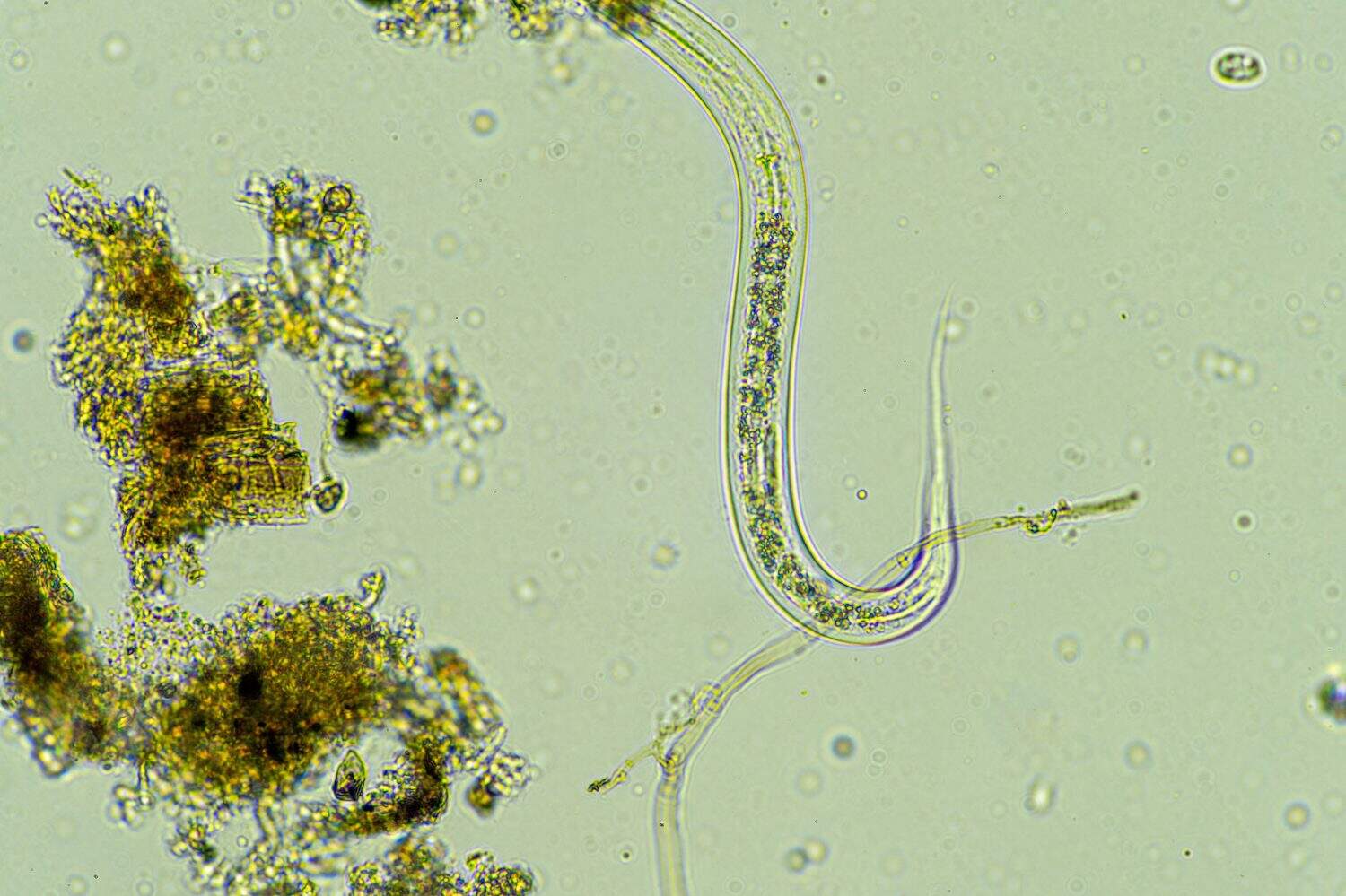
A type of nematode called Caenorhabditis elegans is the only species to survive an unprotected atmospheric descent.
©William Edge/Shutterstock.com
These little creatures have had the pleasure of being taken to space. For a bit of background, nematodes, also known as eelworms, are often parasitic and are a type of tiny worm related to tardigrades. In 2003, Space Shuttle Columbia mission STS-107 brought a type of nematode called Caenorhabditis elegans along for the ride. While the mission tragically crashed back to Earth and killed all the astronauts on board, the nematodes survived. They are believed to be the first known species to survive an almost entirely unprotected atmospheric descent to the Earth’s surface following the breakup of the Columbia shuttle, having been protected inside canisters.
Humans

Human beings can survive between one and two minutes in space unprotected bofore death.
©Gorodenkoff/Shutterstock.com
While humans have spent untold trillions and endured millions of years of evolution to develop the technology to get to space, they still deserve a special mention. We are far from extremophiles like tardigrades, but we still have a fighting chance if exposed to space. Without a spacesuit, humans can survive for 1-2 minutes in space before they die. It only takes 15 seconds, however, for them to go unconscious. It’s just enough time for a rescue.