
Quick Take
- This bear's size stunned wildlife officials, but what it reveals about Ohio's broader bear situation is an even bigger surprise. See the bigger picture →
- Bear sightings are climbing fast, but the counties where they're now appearing should raise more eyebrows than the numbers themselves. See the surprising counties →
- Most people's first instinct when they spot a black bear is exactly what experts warn against. Find out what experts say →
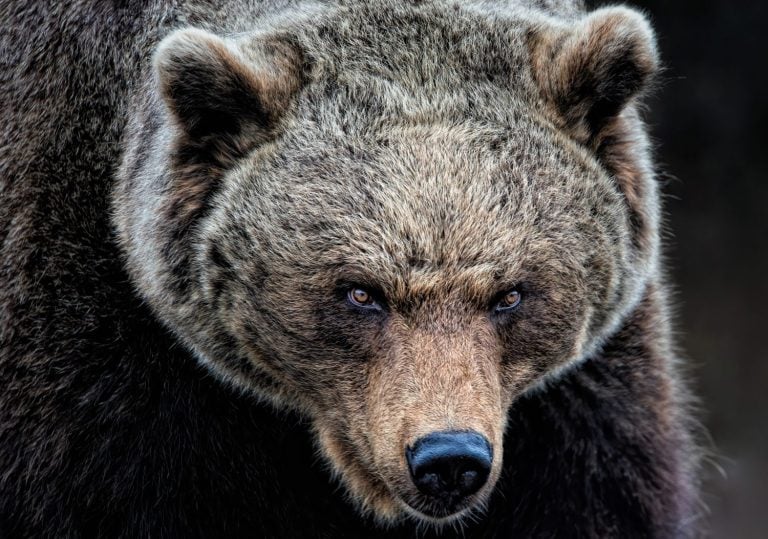
Recently, the area of Ashtabula County, Ohio, made headlines when wildlife officials found and fitted a 576-pound black bear with a radio collar. What amazed scientists was the bear’s sheer size, but that was just the start. From there, officials began connecting the dots and confirmed that there has been a resurgence of black bears in the state over the past decades. It’s a wonderful find because for much of the 1800s, black bears disappeared from the area due to habitat loss and unregulated hunting. By 1850, they were all but gone. But there seems to be a big change occurring.
Let’s look more into how bear sightings have sharply climbed in recent years and what the future holds for this fascinating animal.
A Massive Discovery
Wildlife officials found the huge black bear in Ashtabula County, in northeastern Ohio, near the Pennsylvania border. The bear weighs in at 576 pounds. To put this into perspective, most adult black bears weigh around 300 pounds. While it’s not unheard of to find a bear that weighs almost 600 pounds (some grow to that size after eating during the winter before hibernation), it’s relatively rare, especially around this time of the year. Experts believe the newly collared bear is a young adult or middle-aged.
Still, despite the bear’s sheer size, wildlife officials have yet to declare it a record holder. The state of Ohio does not maintain comprehensive live-capture weight records, as some states do, making it difficult to determine whether this individual is officially the heaviest black bear ever documented within state borders. However, it’s understood that most black bears seen in Ohio have been significantly smaller, so it’s a big find.
Why the Collar Matters
The collar the experts put on the black bear will help shed more light on the situation in the area. It will be used to track the bear’s movements, habitat use, and behavior. Plus, it can point to whether the state is developing a larger resident bear population.
Radio collars have become one of the most valuable tools in modern wildlife management over the last few decades. By following the movements of the 576-pound bear, researchers hope to answer several important questions:
- How far do Ohio bears travel?
- Which habitats do they prefer?
- How often do they enter developed areas?
- Do transient bears remain in Ohio longer than previously believed?
- Are bears establishing permanent territories?
The data collected could help wildlife managers prepare for future increases in bear numbers while reducing potential conflicts between bears and people. Essentially, every GPS location generated from a giant bear adds another piece to the overall puzzle.
Bear Sightings Are Becoming More Common

Though it’s not yet clear whether the state is experiencing a true black bear boom, it is clear that it’s seeing more bears than in recent years. One reason the 576-pound bear attracted so much attention is that Ohio is reminding the public that it is experiencing a surge in black bear sightings.
According to the Ohio Department of Natural Resources, the year 2025 produced the highest number of black bear sightings ever recorded in the state. Wildlife officials documented 537 sightings across 69 counties, smashing previous records and highlighting the species’ continued expansion.
That number is particularly striking when compared with previous years:
- 154 sightings in 2020
- 159 sightings in 2021
- 285 sightings in 2022
- 537 sightings in 2025
The trend shows not only more bears overall, but also a wider distribution across Ohio.
As to why the bear population is beginning to grow again, experts point to the early 1900s, when conservation efforts helped bear populations recover in neighboring Pennsylvania and West Virginia. From there, individual bears started to occasionally wander into Ohio. Though the sightings were rare, they were a sign of positive change.
Where Are Bears Showing Up?
If you live in Ohio, your first instinct may be to panic, but officials say you should not. In many cases, a single wandering bear may generate multiple reports as it moves through different communities. It does not mean that you’re likely to see one during your regular daily activities. The chances of seeing a black bear outside of a zoo are still very low.
However, if you were to come across a black bear in Ohio, you’re likely to be in one of a handful of places. Historically, Ohio’s black bear activity has been concentrated in the northeastern and southeastern portions of the state. Ashtabula County, where the giant collared bear was captured, is one of those more common areas. Neighboring Trumbull County has also had several sightings over the years.
That said, the surge in bear sightings has led them to appear in more places throughout the state. In recent years, sightings have been reported in Dayton, Cincinnati, Columbus, and other urban and suburban areas, where they were once considered extremely rare. The bears are likely traveling farther in search of new sources of food, mates, or territory.
Experts believe that the bear that was recently spotted in Ohio was there “specifically for breeding purposes.”
What Should You Do If You See a Black Bear?
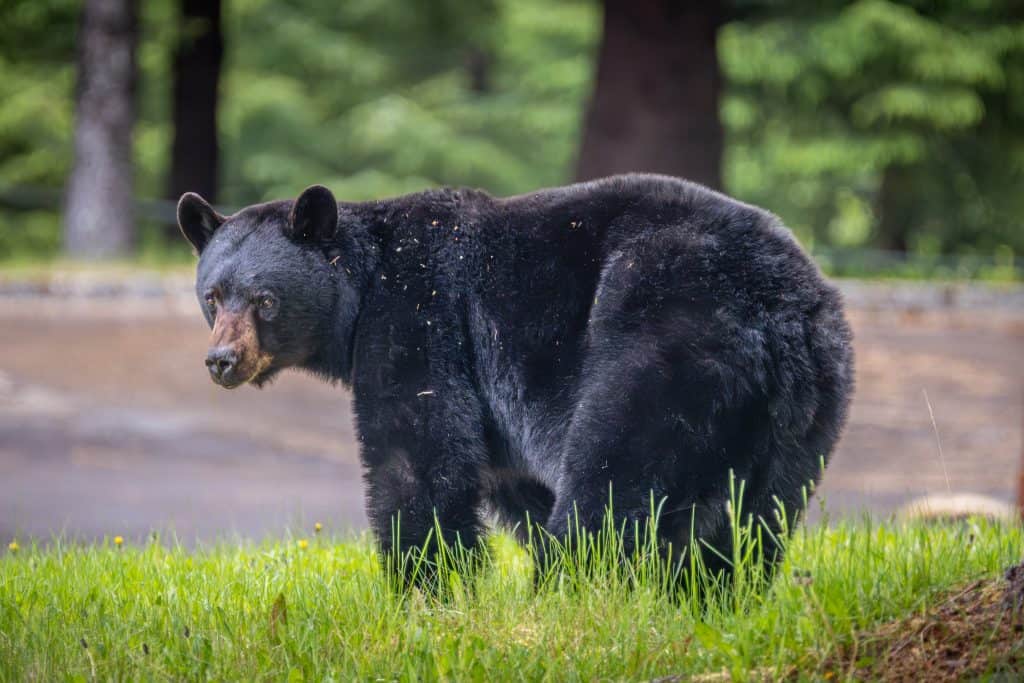
Many people are undoubtedly excited about the resurgence of the black bear population, but it’s important that you do not engage a bear if you see one. In general, black bears are very gentle and shy creatures that try to avoid humans. However, if they feel threatened or cornered, they may become defensive. To avoid an altercation, remember the following tips:
- Never feed bears.
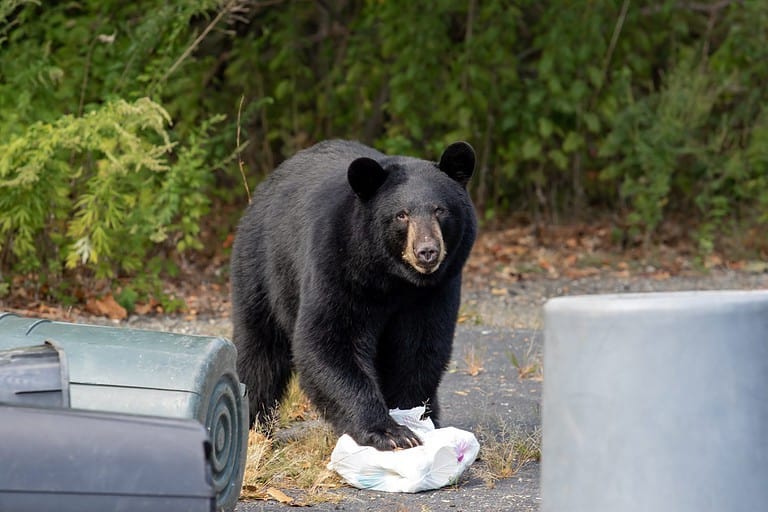
- Secure garbage containers.
- Remove outdoor food sources.
- Bring bird feeders indoors if bears are active nearby.
- Keep pet food inside.
- Give bears plenty of space.
If you do come across a bear, experts generally recommend remaining calm, backing away slowly, and giving the animal an escape route. Running can trigger a chase response and should be avoided. Experts also recommend that people report sightings so authorities can do what is right in each situation.
A Bear That Tells a Bigger Story
In the end, this story of a massive black bear that made the news is a sign of a larger story that’s at play. The discovery represents the return of a species that many thought was long gone. While the bear’s size is remarkable, it also signals that the black bear population in Ohio may be recovering.