
Quick Take
- Aristotle called it an unanswerable paradox, but evolutionary biology just proved him wrong. See how biology answers it →
- The 'first chicken' never actually existed, and that missing moment is the key to the whole puzzle. Explore the gradual transition →
- Eggs were being laid for hundreds of millions of years before chickens entered the picture, and the creatures responsible are ones you'd never expect. Trace eggs through deep time →
- The riddle isn't really about chickens at all. It exposes a deeper flaw in how humans think about nature. See the philosophical origins →
For centuries, the simple question of which came first, the chicken or the egg, has stumped philosophers, scientists, and anyone with a taste for debate. But the answer, shaped by years of evolutionary research, challenges almost everything about how we think of beginnings and endings in nature.
Tracing the Egg Back Through Time
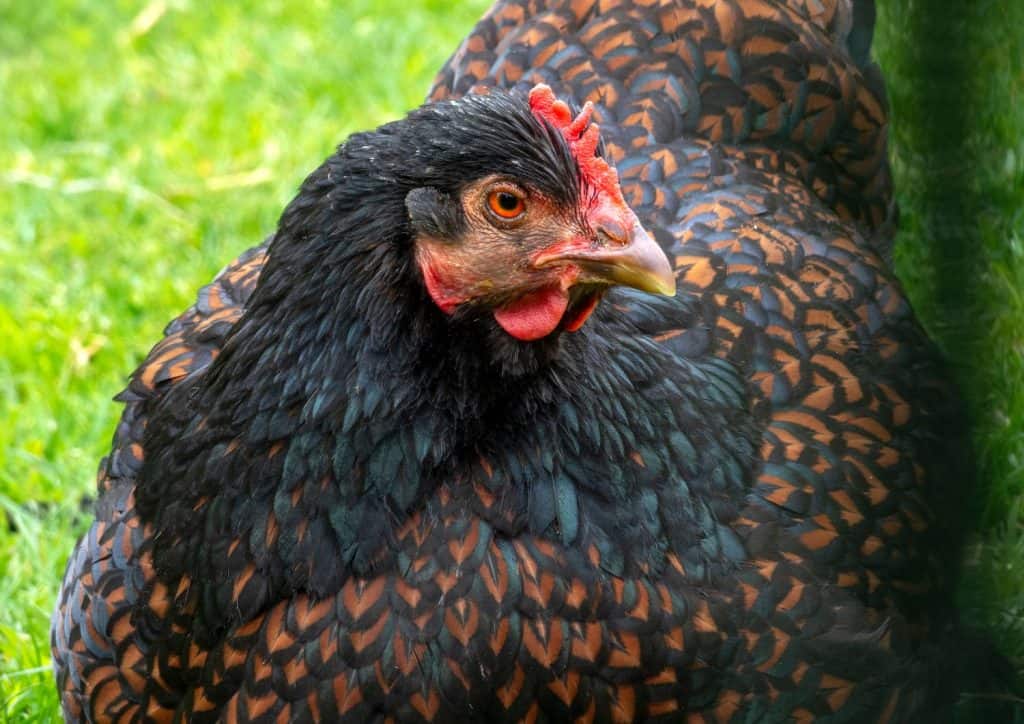
The debate is far older than most realize. Ancient Greeks like Aristotle treated it as an unanswerable paradox: Chickens hatch from eggs, but eggs come from chickens. The argument loops endlessly, creating a classic circular puzzle.
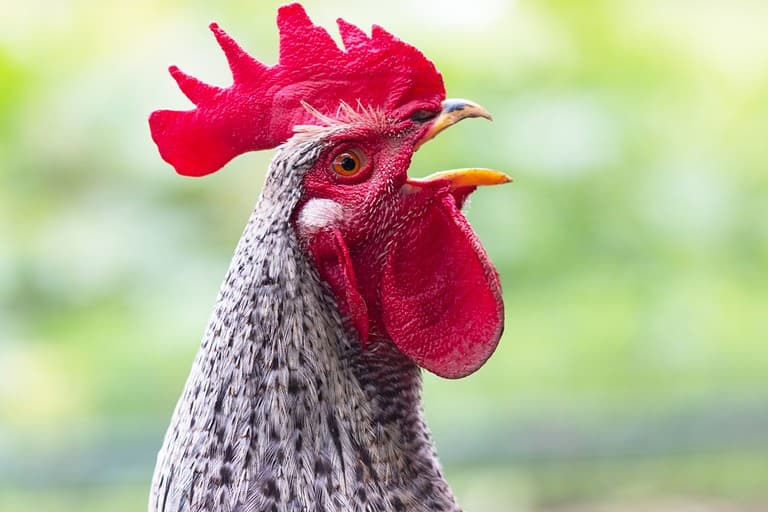
©Franke de Jong/Shutterstock.com
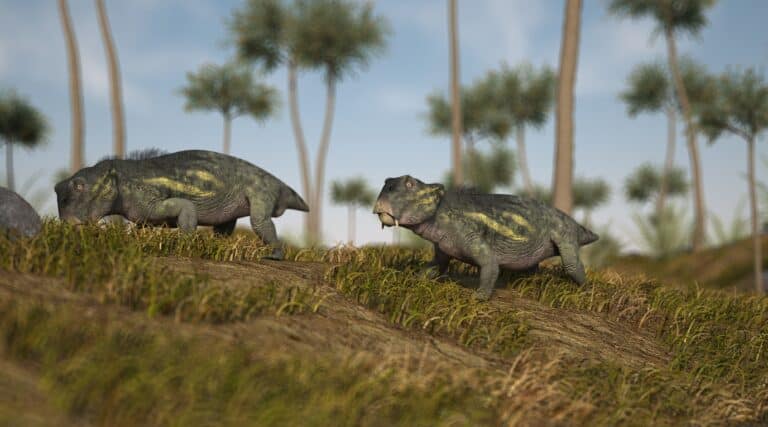
Yet paleontology now dates the origins of egg-laying animals to around 540 million years ago. At that point in Earth’s history, the animals capable of producing eggs had already emerged, long before birds in general, or chickens specifically, appeared.
The Evolutionary Leap That Changed Everything
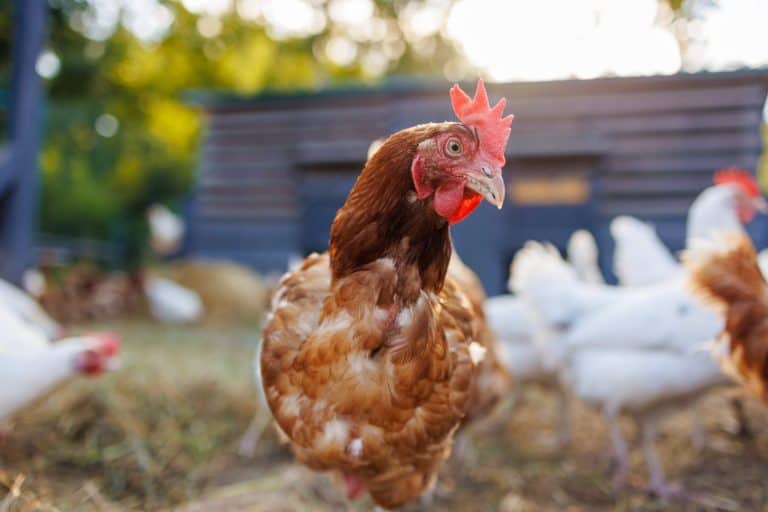
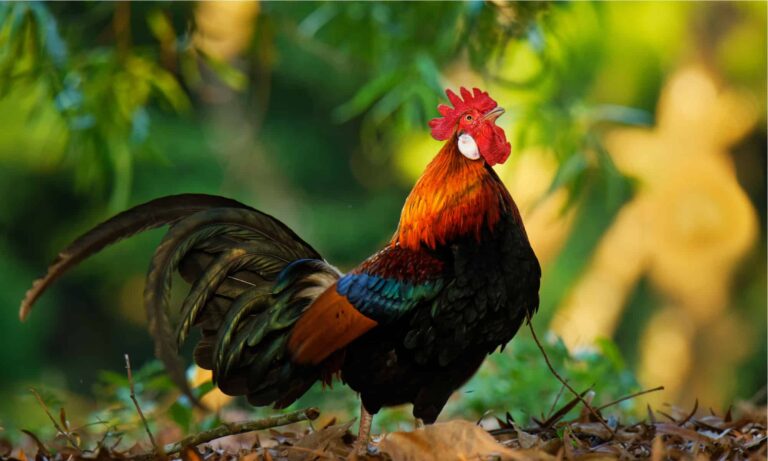
Key tThe keynraveling the puzzle is how species evolve. The domestic chicken, Gallus gallus domesticus, is itself the result of thousands of years of gradual change. Its ancestor, the red junglefowl, still lives in the forests of Southeast Asia. Domestication began roughly 8,000 years ago, and each generation brought new genetic tweaks. There was no single, instant moment when the “first chicken” leapt into existence.
Instead, the defining moment occurred when two birds, neither quite the chicken we know, produced an egg containing a random combination of genes that created the very first true chicken. The egg, carrying that decisive genetic mix, appeared before the chicken it would hatch.
The Egg as an Ancient Invention
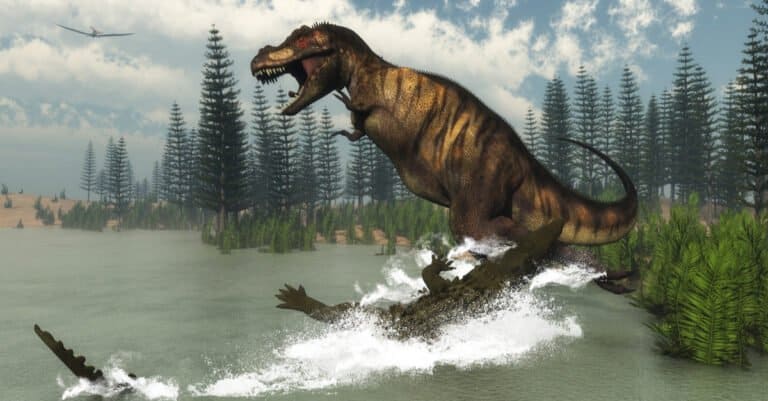
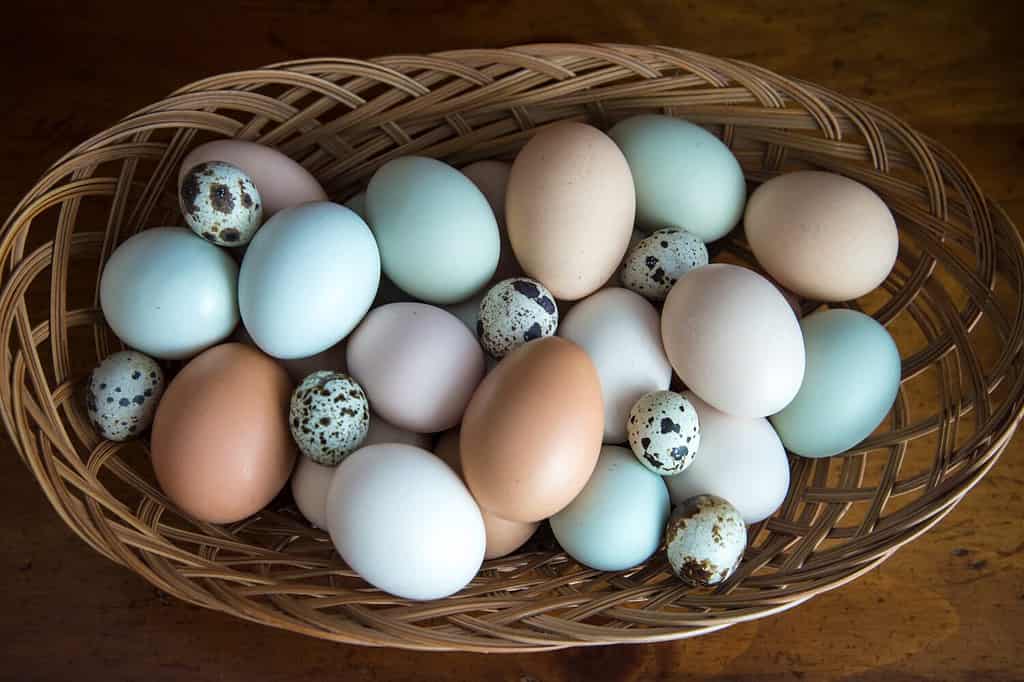
Go back even further, and it becomes clear: eggs have a much longer evolutionary legacy than chickens. Reptiles, dinosaurs, and fish were laying eggs for millions of years before the first chicken walked the earth. The biological structure of the egg, a protective enclosure for an embryo’s development, was invented by nature long before birds ever existed.
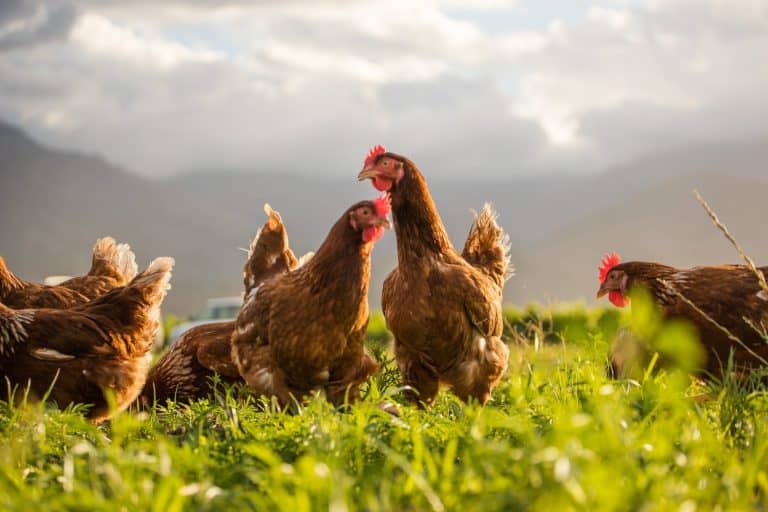
©Rachelle Rae Denee/Shutterstock.com
Modern research backs this up. Developmental biologists have found that the molecular systems for creating embryos inside eggs existed in primitive organisms, ancestors to all complex animals. The basics of what would eventually produce birds’ eggs were already present among microscopic life forms, hundreds of millions of years ago.
A New Perspective on an Old Question
Seen through the lens of evolutionary biology, the classic dinner-table riddle isn’t just a quirky thought experiment. It highlights our struggle to view the natural world as a slow, endless process with no clear-cut beginnings. The “principle of the egg”, a protective cup nurturing new life, is older than any animal that lays them today.
So when asked what came first, the answer, backed by science, is simple and direct: the egg. Far from being an invention of chickens, the egg is a heritage echoing deep through the history of life itself.