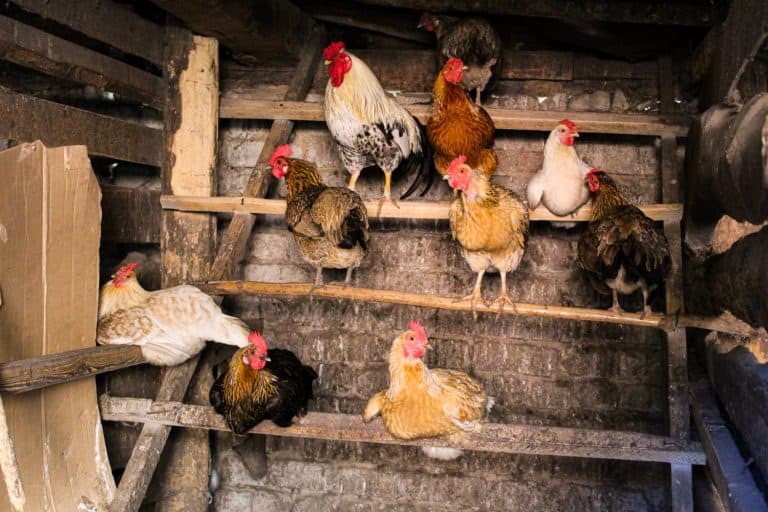
If you’ve ever been to a farm (or a homestead!), you’ve probably noticed that chickens are almost never kept alone. Their coops contain numerous hens, as well as a rooster or two, and they seem to actively seek out the company of their fellow flockmates. Hens and roosters will roost together in structures or beddings, chase each other for fun, or even share treats like a “flock block.” Chickens have more personality and intelligence than people give them credit for. And this translates to a strong social life, with chickens getting lonely or sad if they don’t have others to interact with.
For people who are new to backyard chickens, or those looking to improve their flocks, you might wonder how to keep your flock in its best shape. Of course, having enough room is key. So is being prepared to handle any medical care. But good chicken owners must set their chickens up for social success. Read on to learn more about why chickens do best in a flock, how to navigate flock dynamics, and other tips and tricks to keep your chickens happy.
Why Chickens Do Best In a Flock
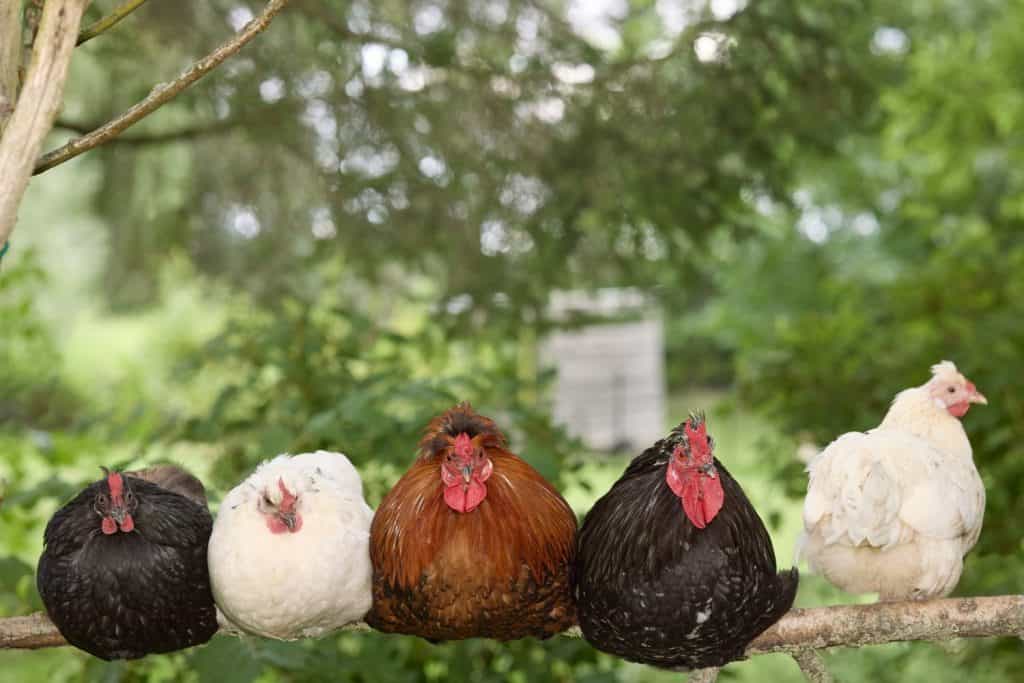
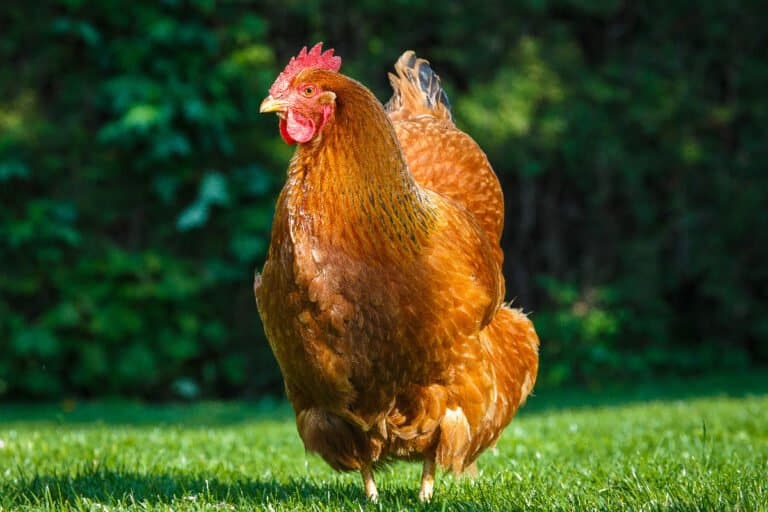
It’s recommended for beginners to start with three to five chickens for their flock.
©Erwin Bosman/Shutterstock.com
Chickens have a rich and fascinating history, which plays a role in their flocking behavior. These birds, part of the genus Gallus, are largely believed to have originated from the Southeast Asian Red Junglefowl. However, David R. Laatsch writes for the University of Wisconsin-Madison, Grey and Green Junglefowl likely also contributed to modern chickens.
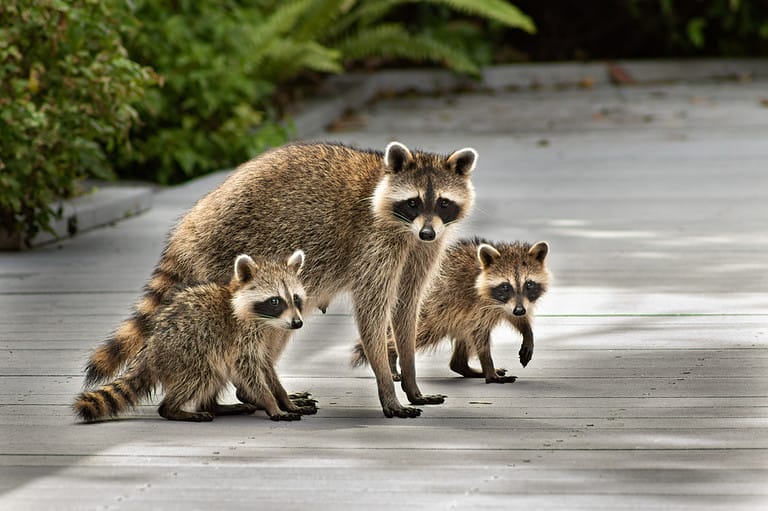
Before their domestication 10,000 years ago, wild chickens were found in open woodland and sheltered grassland areas. In fact, you can still find wild chickens (sometimes called feral chickens!) in Southeast Asia, Australia, Bermuda, and in the southern US, to name a few places. Chickens have numerous predators, including, but not limited to, foxes, snakes, raccoons, feral dogs, and bobcats.
“Since they’re quite vulnerable to predators, chickens feel most secure and confident in a group setting, so they can look out for one another. Chickens are flock animals and thrive with several buddies around. They tend to eat, forage, and lounge around in groups together, too,” says Deanna Talerico, the CEO and creator of Homestead and Chill. Talerico is a modern homesteading writer and educator with over 15 years of experience in organic gardening and food preservation, and 10 years of experience raising backyard chickens.

Deanna, also known as DeannaCat or deannacat3 on Instagram, started Homestead and Chill on Instagram in 2013 and her blog in 2019 to share her insights on everything from gardening to raising backyard chickens.
©Deanna Talerico, Homestead and Chill
As Talerico explains, chickens flock together partially because of the survival benefits. When in a group, chickens can better surveil their environment and collaboratively protect against threats.
The Social Needs of Chickens
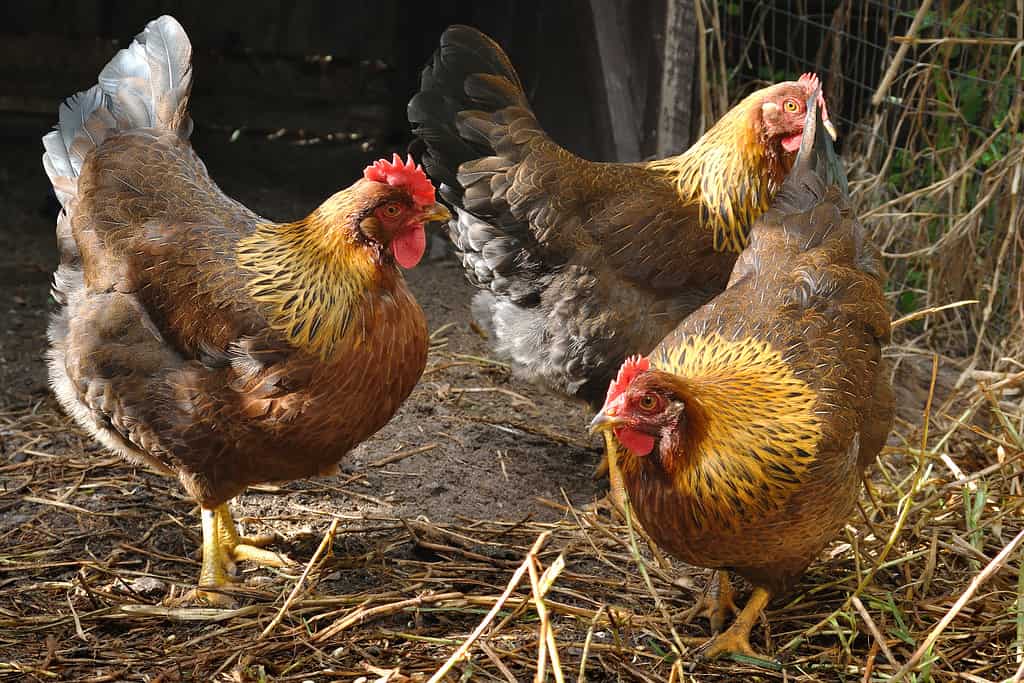
Like humans (and many other creatures!), chickens may feel sad if their flock friends pass away.
©illarionovdv/iStock via Getty Images
While group protection is one reason why chickens flock together, chickens also enjoy having a social life and spending time with others. And not just their own kind, says Talerico. In fact, she says, “Chickens can be quite social and friendly with humans! Many of ours love to follow us around, be pet, or even cuddle up in our laps for a nap.”
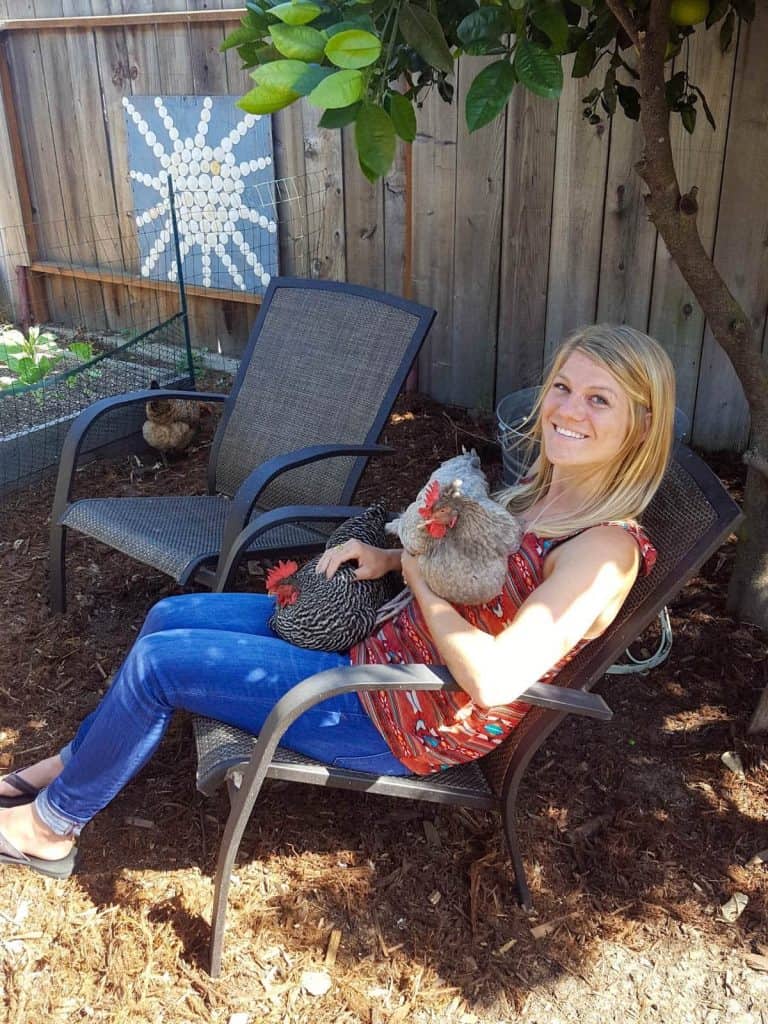
Talerico reminds people to do ample research on raising chickens before starting their flock to avoid causing any harm to these animals.
©Deanna Talerico, Homestead and Chill
With a smile, Talerico adds, “We’ve fallen in love with raising chickens due to their sweet, intelligent, and unique little personalities.”
Surprisingly Intelligent Animals
For whatever reason, people often don’t consider chickens to be as intelligent as other creatures, like cats or dogs. However, the author of a 2017 study published in Animal Cognition writes: “My overall conclusion is that chickens are just as cognitively, emotionally, and socially complex as most other birds and mammals in many areas.” Sy Montgomery, the author of What the Chicken Knows: A New Appreciation of the World’s Most Familiar Bird, also notes that chickens can recognize up to 100 other chickens.
Further, Montgomery writes, chickens can recognize themselves in the mirror (showing a startling level of self-awareness), are known to give gifts, and can even play and invent games with members of their flock. For this reason, chickens should not be isolated from other flock members because it can cause significant loneliness or even negative health impacts.
“Isolation can certainly take a toll on them. The longest we’ve isolated a chicken for health issues is about a week. Once they’re feeling back to normal, you can tell they’re definitely eager to rejoin their flock. Chickens feel more encouraged to eat, drink, dust bathe, and do other key activities in groups. So isolation can cause depression, anxiety, decreased appetite, and other issues,” says Talerico.
How to Isolate Chickens if Needed
If you do have to isolate your chicken (for example, for health issues), there are ways to mitigate the effects of social isolation. Talerico explains that she typically keeps the chicken in a large crate inside the house, such as the spare bedroom or laundry room. “I visit them several times a day so they don’t feel scared or alone. When I hang out with them, I encourage them to eat, take them out to stretch their legs, or even let them roam the house or hang out on the couch when appropriate,” she says.
If you have to isolate your chicken not for a contagious health issue, such as for observation or “breaking” a broody chicken, Talerico says it’s better to keep them in a large dog crate in the chicken run or coop so they can still interact with the rest of the flock. “I’ll hang a treat block on the side of the crate that both the isolated chicken and the rest of the flock can pick at together,” she says. “I also moved the flock’s main feeder closer to the crate. The chicken in the crate immediately calms down when the others are nearby.”
How Chickens Find Friends
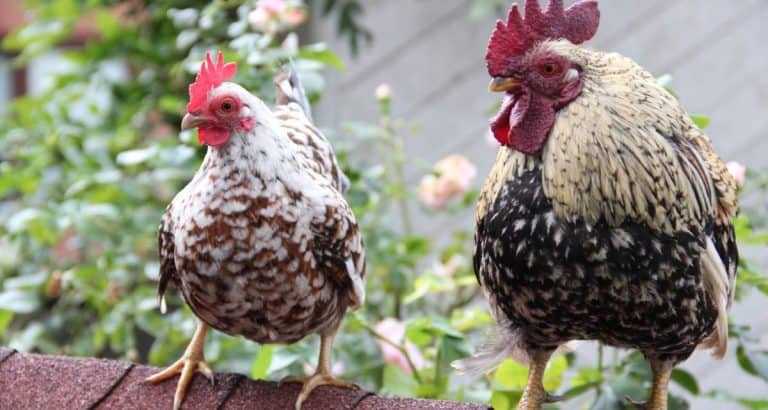
The research is still out on exactly what certain chickens like about their counterparts. But what we do know is that chickens do have other members of their flock that they most likely hang out with. As Talerico explains, “Many of our chickens have ‘besties’ that they spend the majority of their time with. Two or three will regularly sleep next to one another on the roost, eat together, and lounge together while dust bathing. They may also act depressed after a good friend passes away.”
It’s possible that friendships could form out of the pecking order or the social hierarchy within the group. The name comes from the fact that chickens will literally peck each other to establish each member’s place in the flock..
“The dominant top hens keep the lower ones in check and get their first choice at the feeder, roosts, nesting boxes, and mates. Chickens also tend to pick on sick or weak members of the flock. In the average backyard flock, the oldest members of the group tend to be higher on the pecking order than newer, younger members (though not always),” Talerico says. “It largely depends on each individual chicken’s personality, assertiveness, and size. The pecking order can periodically fluctuate when various chickens are molting, sick, or as members come and go from the flock.”
Tips on Keeping a Flock of Chickens
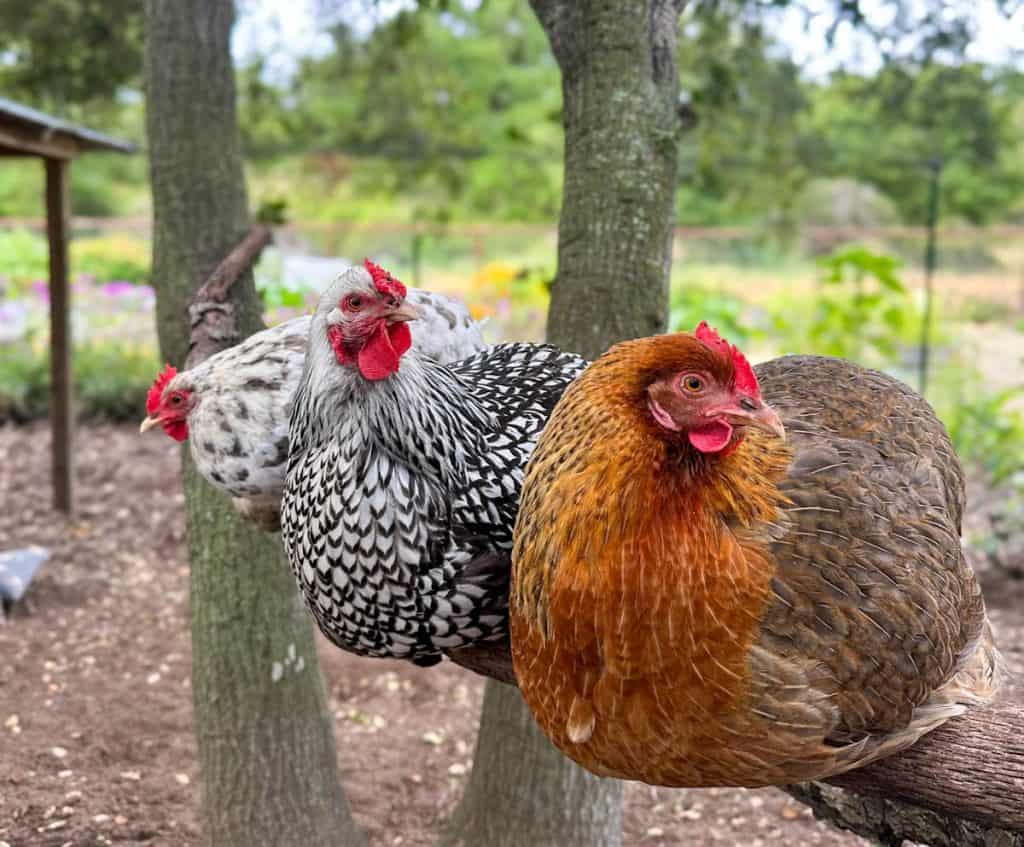
Before you buy chickens, make sure you have enough space for them to thrive.
©Deanna Talerico, Homestead and Chill
Talerico began keeping chickens in 2014. After she and her husband bought a house, the couple built a DIY chicken coop and run in the backyard, and then purchased their first four chicks the following spring. She has learned a lot about keeping backyard flocks healthy and happy over the last decade.
Chickens are flock animals and thrive with several buddies around.
Deanna Talerico, the CEO and creator of Homestead and Chill
To build your backyard flock, you must first get an appropriate number of chickens. “At a minimum, a modest flock should include at least three to four chickens,” Talerico says. “That way, if one or two of them pass away (which is inevitable, and sometimes sooner than you’d hope), then a solo chicken won’t be left alone, which isn’t ideal.”
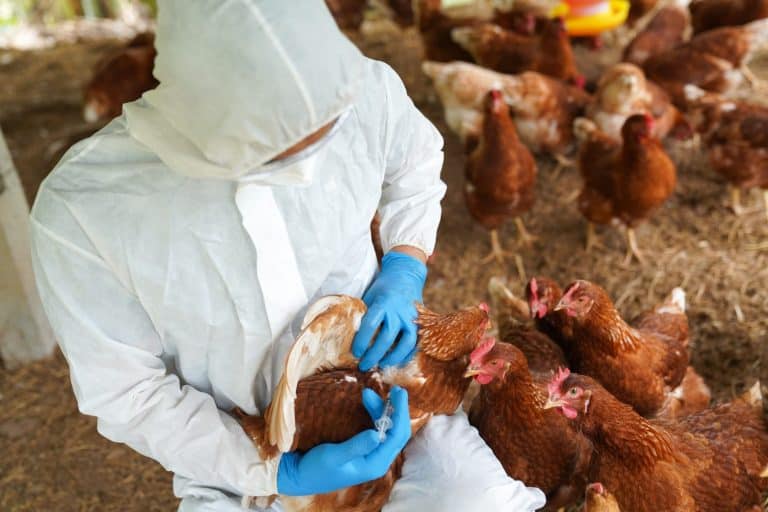
Unfortunately, chickens are susceptible to certain health issues, including:
- Egg binding
- Heart attack or heart failure
- Infectious diseases
- Cancers or neoplasms
If you are going to start a backyard flock, it’s important to know what illnesses your chickens could develop and which signs to look out for. Wanting more than a modest flock? In that case, says Talerico, the maximum number of chickens you should have depends on the size of your coop, run, or habitat.
“Crowded quarters quickly lead to boredom, behavioral issues, bullying, and unsanitary conditions. The recommended minimum size for a chicken coop is 3 to 4 square feet per chicken, and about 10 square feet per chicken of enclosed run space,” Talerico explains. “But more space is better if possible (especially for the run or other outdoor space). Also, one rooster to about ten hens is the general recommendation to avoid cockfighting and over-mating of hens.”
Carefully Introduce New Members
Remember that earlier discussion on the pecking order? That comes into play if you’re thinking about adding chickens to your flock.
The pecking order may not change if a less dominant member of the flock passes away. However, Talerico says, “If a top hen is removed, there can be more jostling as the others compete for the new lead.”
But the pecking order may change when introducing new members. Integrating new members into the flock reestablishes or rearranges the social hierarchy. When you’re introducing new flock members, Talerico suggests:
- Waiting until chicks are at least 8 weeks old, if not older (she recommends 11-12 weeks).
- Adding a group of chickens at a time to avoid one being singled out or targeted.
- Establishing the “look, don’t touch” method, where chickens can get used to each other between fences.
- Not adding a second rooster unless you have a ratio of 10-12 hens for every rooster.
Do Your Research
The most important thing you can do before getting a backyard flock is adequate research. Unfortunately, many people do not research before getting chickens. But this can lead to severe neglect.
“‘Raising chickens’ can be as easy as putting a little prefabricated coop and run (often grossly undersized) in the corner of your backyard and refilling food and water as needed, but that doesn’t mean those chickens are particularly happy or healthy,” Talerico says. “I too often see people rush into raising chickens without fully realizing what is required to care for them. That can mean lacking adequate space, not properly predator-proofing their run, or being unprepared to handle medical issues as they arise.”
So read books. Read Homestead and Chill. Watch videos. Dive into medical needs. Set up a large enough coop or run, and figure out how to predator-proof it. Your chickens will need both care and companionship to thrive. If you give them the flock they deserve and the stimulation they need, you’ll keep your chickens happy, not lonely.