
Quick Take
- Surviving a fall from skyscrapers is an achievement possible only through specific biological constraints.
- Reaching terminal velocity in under 1 second creates a physics-based survival limitation.
- The danger of a fall depends on terminal velocity rather than height.
- Navigating the impact stage is necessary to demonstrate the resilience of the insect.
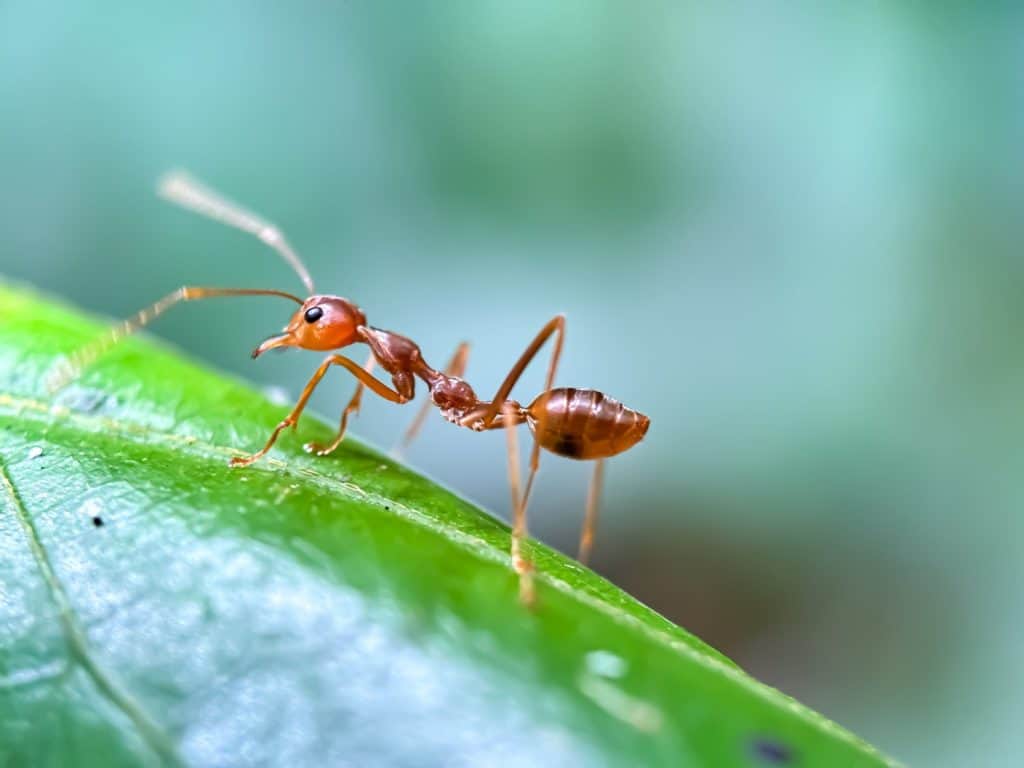
Most ants are less than an inch long, making them very small insects. While their petite stature may seem like a problem for survival, it actually has many practical benefits. For one, they can survive falls from even the tallest buildings or trees. Because they weigh so little, ants fall to the ground much more slowly than humans, which makes falling much safer for them. This post by @facts discusses this phenomenon. Read here to learn more!
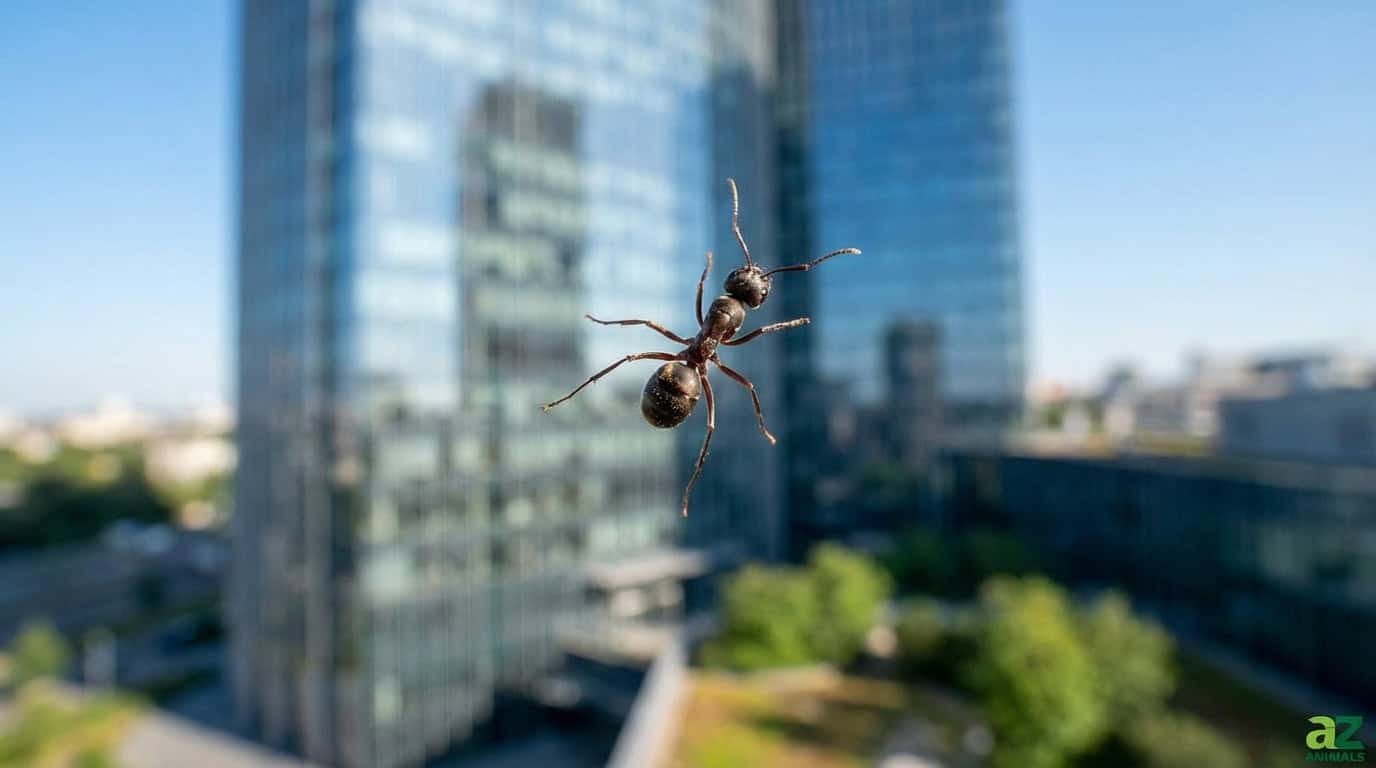
An ant that falls from a high place will likely survive.
©Faisal.k/Shutterstock.com
How Do Ants Survive Falls?
Ants can survive long falls for a few reasons related to their size. The main reason is their low terminal velocity. Terminal velocity refers to the maximum constant speed an object reaches when falling through a fluid. Although air is not a liquid, it is considered a fluid because its substance and shape can change when force is applied. Because ants are so small and light, air resistance slows them down more compared to other insects or animals. They reach their terminal velocity very quickly—within a fraction of a second—due to their high air resistance. In comparison, humans typically take several seconds to reach terminal velocity during freefall.
Another reason is their biology: ants have a high surface-area-to-mass ratio, which increases air resistance and creates a parachute effect that slows their falls. As the air pushes strongly against the lightweight ant, its descent is greatly slowed. Additionally, ants are extremely tough. Their strong, flexible exoskeletons help them withstand the impact of falls. So, instead of being injured or killed upon hitting the ground like many other animals, ants often simply bounce when they land. Ultimately, the danger of a fall depends on whether terminal velocity is reached; the height or duration of the fall matters less. Because ants reach terminal velocity quickly and fall more slowly due to their biology, they can survive falls from heights unimaginable to humans. This makes them remarkably resilient insects!