
Quick Take
- Scaling 13-foot vertical waterfalls is a survival requirement for the bumblebee catfish.
- The 3.5-inch length of Rhyacoglanis paranensis creates immense resistance when battling heavy waterfall currents.
- It is counterintuitive that thousands of catfish would choose vertical rock faces over easier routes.
- Commencing the 6 pm climb is a necessary stage for ensuring spawning site accessibility.
Some small catfish are known to climb waterfalls, like the bumblebee catfish seen in the Paraguay River in Brazil. First spotted by the Environmental Military Police, the catfish soon became the subject of a detailed scientific study. This is what the researchers found out.
Bumblebee Catfish Start to Climb
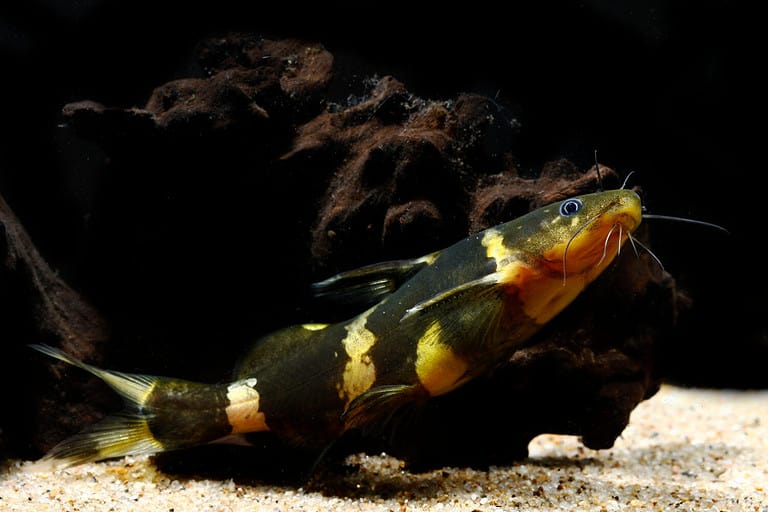
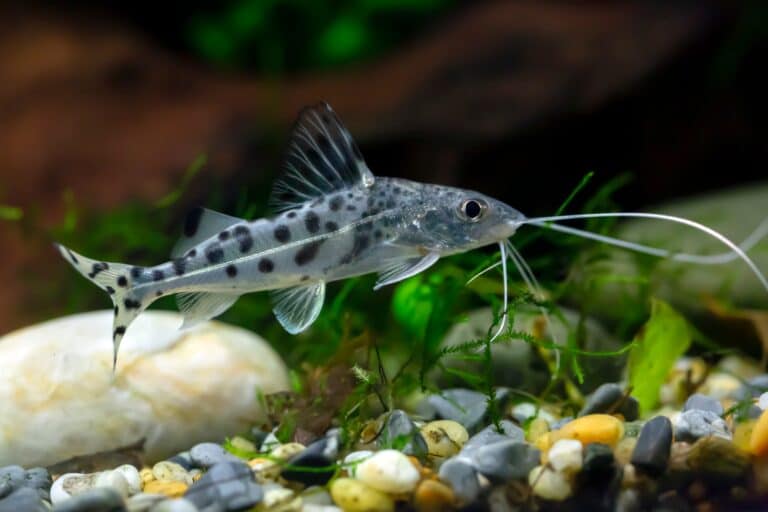
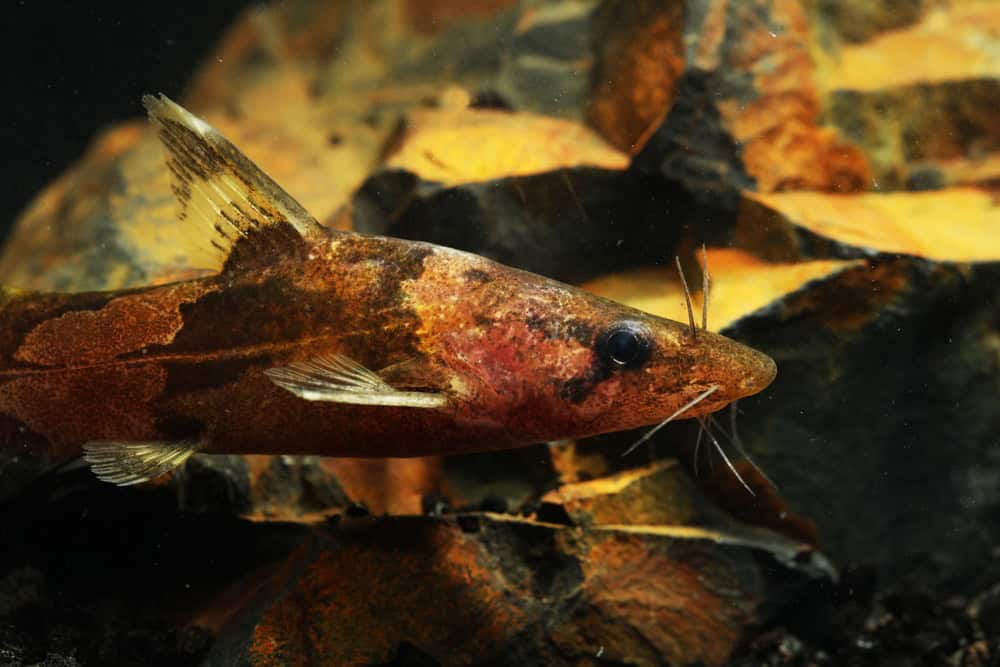
Bumblebee catfish, sometimes called dwarf marble catfish (Rhyacoglanis paranensis), only reach around 3.5 inches and have dark blotches on a light background. They are rarely seen, and much about them remains unknown. However, we do know that they prefer fast-flowing stretches of rivers and streams with rocky bottoms.

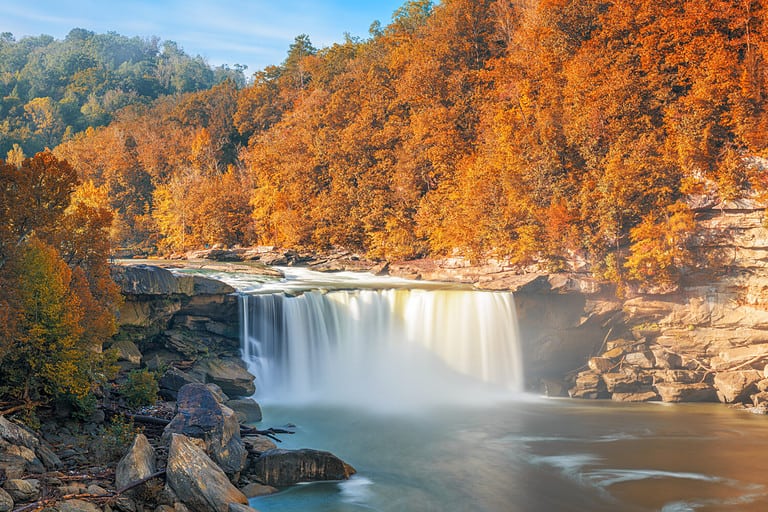
Waterfalls are no barrier to determined catfish.
©Dave Allen Photography/iStock via Getty Images
A mass aggregation has now been observed climbing up a waterfall that ranged from about three feet to 13 feet in height. The scientists observed two stretches of the Aquidauana River, Paraguay River basin, Mato Grosso do Sul State, Brazil, on November 16, 2024. There had been a prolonged dry period, and this was the beginning of the rainy season.
How Did the Climb Progress?
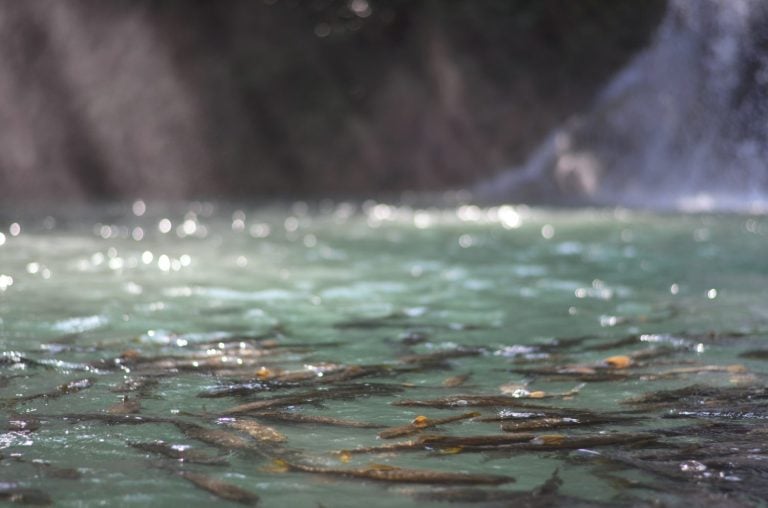
There was very little activity during daylight. Only a few catfish could be seen, and they were hiding under rocks in shady stretches. That all changed around 6 pm. Thousands of bumblebee catfish started to gather and climb slopes—some of which were vertical—where a small trickle of water was flowing. Things were even more crowded at the flatter rocks. Here, so many catfish were present that they climbed over each other. Some entered crevices and clung upside down.
How Are Catfish Able to Climb?
When climbing, the catfish use their fins, which are positioned on the ventral (underside) part of their body. As they climb, they spread these fins wide open. They use a side-to-side movement, starting at the head, to propel themselves forward. A small cavity is likely created between the underside of the catfish and the rock surface, specifically between the paired fins. Negative pressure is created within this cavity, allowing the catfish to stick to the rocks. You can see this remarkable feat for yourself in this amazing video clip. Their movement is both fast and efficient.
Why Do They Climb?
No one is certain why these little catfish behave this way. However, given that mature males and females were climbing and that it occurred at the start of the rainy season, it was likely connected to spawning. Spawning is when fish migrate upstream to distribute their eggs so that fertilization can take place. Much more research is needed to learn about this behavior.