
Quick Take
- The California Fish and Game Commission voted unanimously to protect certain populations of mountain lions in the Golden State.
- Six isolated subpopulations of mountain lions in California are now considered threatened under the state’s Endangered Species Act.
- Inbreeding has become a massive problem for mountain lions in Southern California due to habitat loss and habitat fragmentation.
- Without the vote to save the mountain lions, there was a very real chance they would have been regionally extinct in the next 50 years.
Mountain lions living in Central and Southern California have faced significant challenges over the last several decades. According to the California Fish and Game Commission, the biggest threat the mountain lions face is “loss of habitat and isolation of small populations.” Consequently, according to the Commission, there is a 16% to 21% chance that mountain lions would go extinct in much of California without changes to protection.
In light of this information, the Commission scheduled a vote to take place between February 11 and 12. If the vote passed, mountain lions would be protected under California’s Endangered Species Act. A failed vote meant mountain lions in the central and southern parts of the state would have remained at significant risk of regional extinction. The mountain lions faced a pivotal vote in California, and fortunately, they prevailed.
Pivotal Vote Proves Victorious for California Mountain Lions
The votes have been counted, and mountain lions in regions of California will receive more protection—a move that aims to prevent the wild cats from going extinct in a major portion of the state.
On February 12, the California Fish and Game Commission unanimously voted to protect mountain lions in the Central Coast and Southern California regions under California’s Endangered Species Act. These cougars are under threat for a variety of reasons, including habitat fragmentation and the removal of mature individuals. Classifying them as threatened is intended to give the approximately 1,400 mountain lions in this region a chance to rebound.
Mountain lions have experienced a population decline in California for decades. Currently, estimates range from 3,200 to 4,100 cougars. Between one-half and one-third of this total is located in Central and Southern California. As a result, a petition was filed in 2019 to provide mountain lions in these regions of the state with greater protection. The petition led to a review by the California Fish and Game Commission, which took several years to complete.

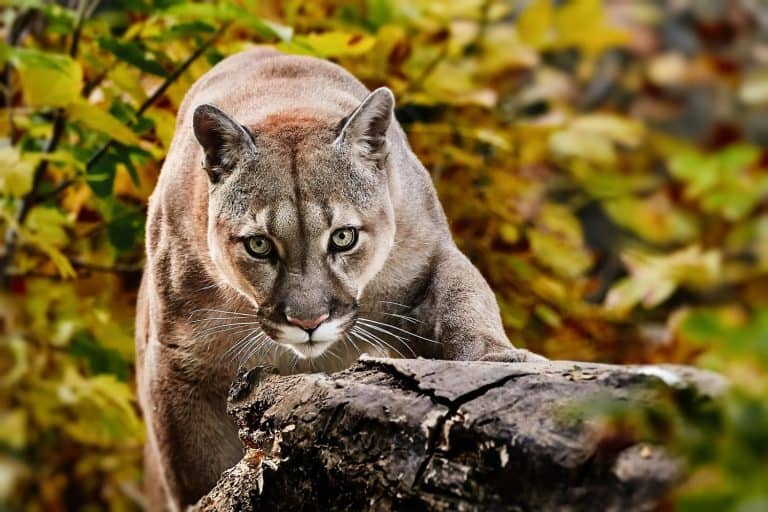
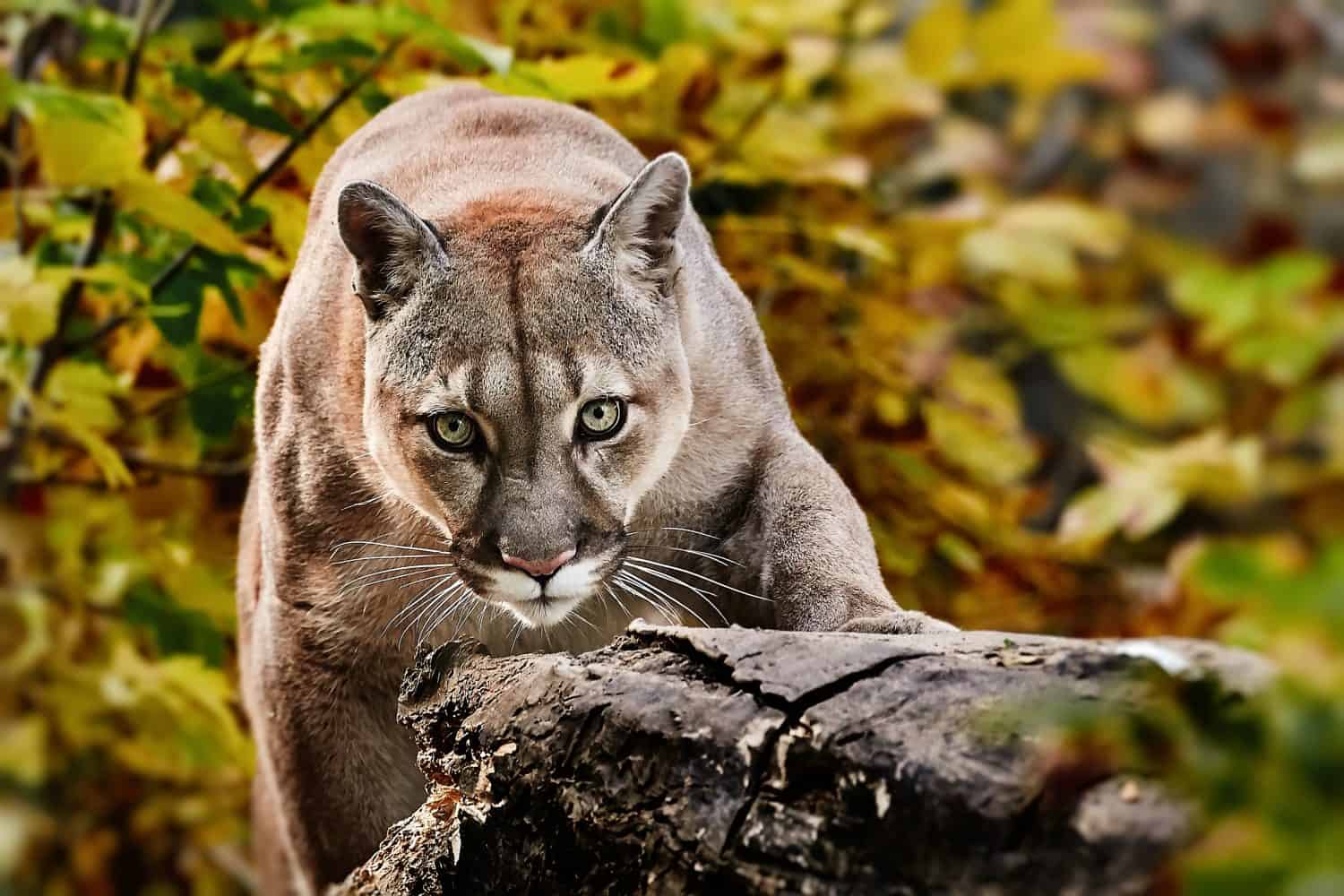
Mountain lions living in Central and Southern California are now considered threatened under the California Endangered Species Act.
©Vaclav Sebek/Shutterstock.com
It was not until December 2025 that the California Fish and Game Commission recommended expanding protections for mountain lions in Central and Southern California under the state’s Endangered Species Act. This recommendation was open for public comment. The majority of comments favored the recommendation, which likely played a significant role in the vote.
Although mountain lions are not classified as endangered, their threatened status requires greater consideration for projects that encroach on their territory. This led to pushback from home-building companies, which argued that it would be more difficult to expand. But with a mountain lion recently found roaming the streets of San Francisco, this rare event highlights the challenges mountain lions face as their habitats become increasingly fragmented. The California Fish and Game Commission agreed, and the goal is now to prevent mountain lions in most of the state from going regionally extinct.
Were Mountain Lions Protected Before Voting Took Place?
Mountain lions in Central and Southern California have long been protected from being hunted for sport thanks to the California Wildlife Protection Act of 1990. Under this Act, mountain lions could not be targeted as trophy animals. However, the Act states that if people or livestock are under threat, mountain lions may be killed.
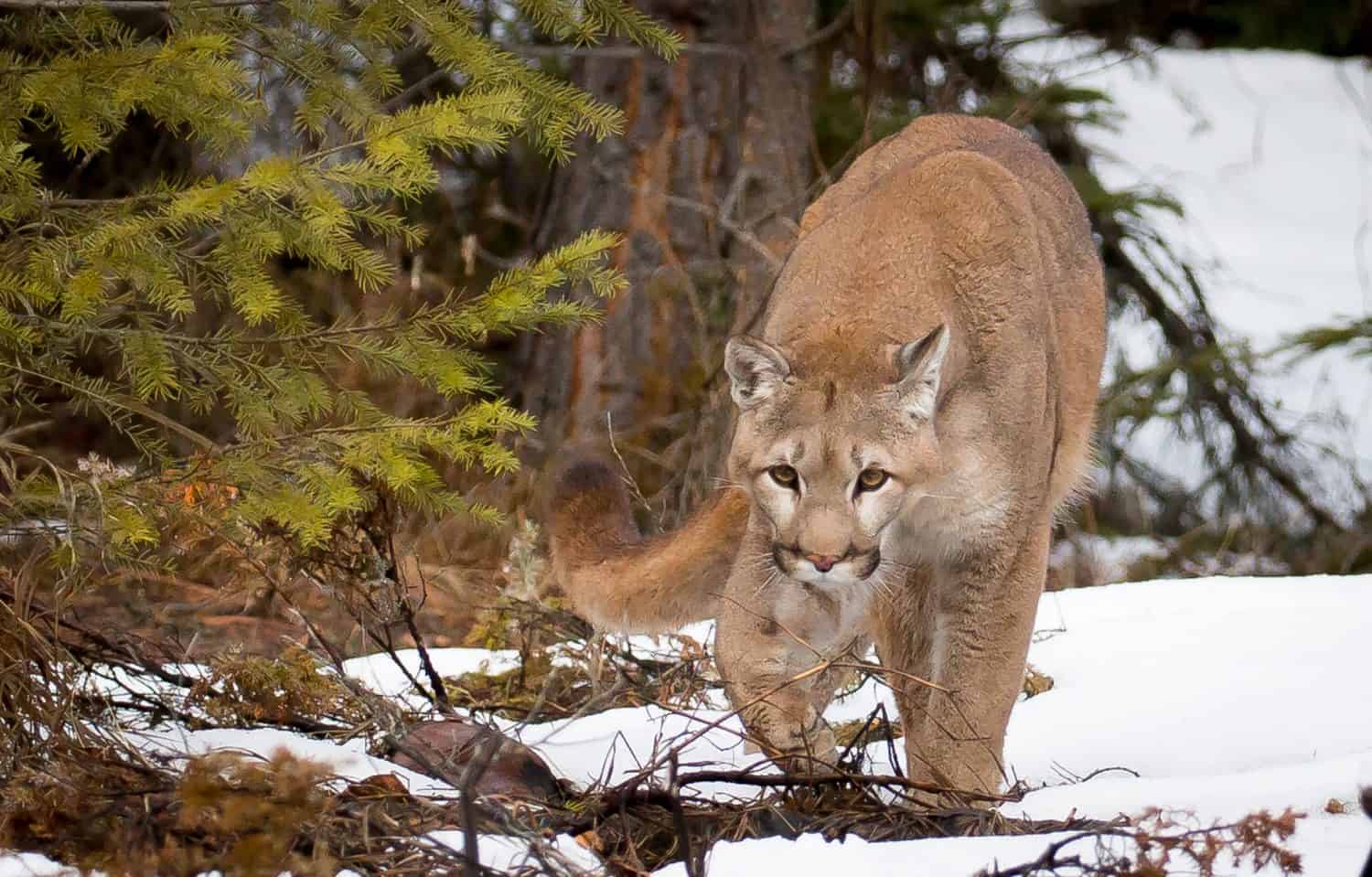
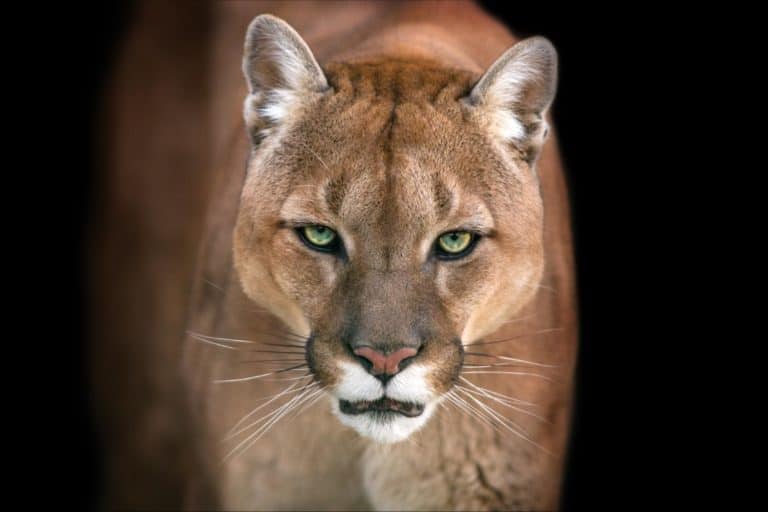
Mountain lions were protected from big-game hunting but could still be euthanized if they killed livestock or posed a threat to people.
©Warren Metcalf/Shutterstock.com
Over the last few decades, if mountain lions returned to regions where they once targeted livestock or were perceived as a threat to people, they were euthanized. Between this and vehicle strikes, populations have dramatically declined. Therefore, although they were not targeted as big game by hunters, mountain lions were not considered a fully protected species. Now that this vote has passed, six groups of mountain lions in the Central Coast and Southern California regions are considered threatened and have more protection under the state’s Endangered Species Act.
Threats Mountain Lions Face
Mountain lions may have greater protection under the Endangered Species Act, but that does not change the reality that significant threats to their existence remain. Being categorized as threatened does not eliminate those threats, but it does highlight what caused populations in Central and Southern California to decline. In doing so, it brings awareness to the mountain lions’ plight and what can be done to save them. The biggest threats to mountain lions today include:
- Habitat loss
- Habitat fragmentation
- Vehicle collision
- Poisoning
- Inbreeding
Mountain lions also face euthanasia if they cause harm to livestock, other domestic animals, or people.

Mountain lions face several threats, including being struck by vehicles, habitat loss, and habitat fragmentation.
©Evgeniyqw/Shutterstock.com
“Unfortunately, mountain lions face such a pervasive issue with so many different threats,” Tiffany Yap, a staff scientist with the Center for Biological Diversity, tells KCBX. “Roads and development still continue to fragment the landscape, causing isolation of genetic populations. We’re still seeing high levels of human-caused mortalities.”
It is an important first step to provide mountain lions with more protection in California. But until the threats are removed and mountain lions can move more freely through their territory, they are not out of the woods.
Inbreeding Is a Real Threat to Mountain Lions in California
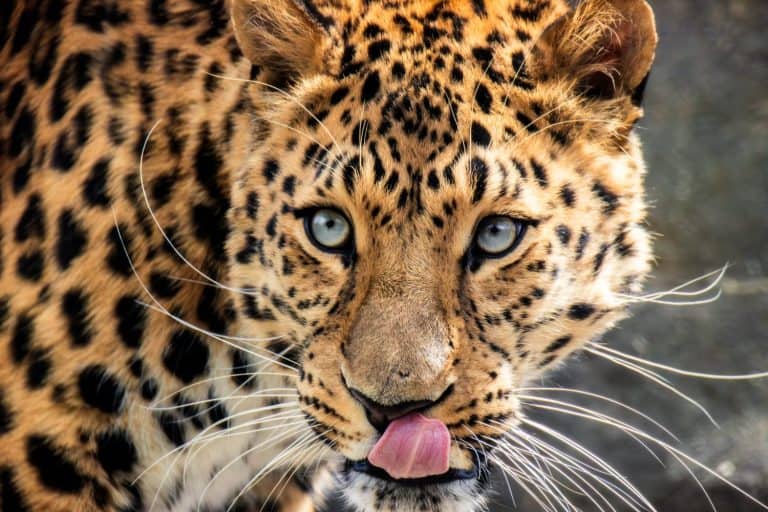
Because of habitat loss and fragmentation in Central and Southern California, the mountain lions in this region face the threat of localized extinction from inbreeding. The cougars have already passed on genes that have deformed them, and without the protection received as a threatened species this week, the mountain lions in the mid to southern part of the state’s chances of survival were looking bleak.
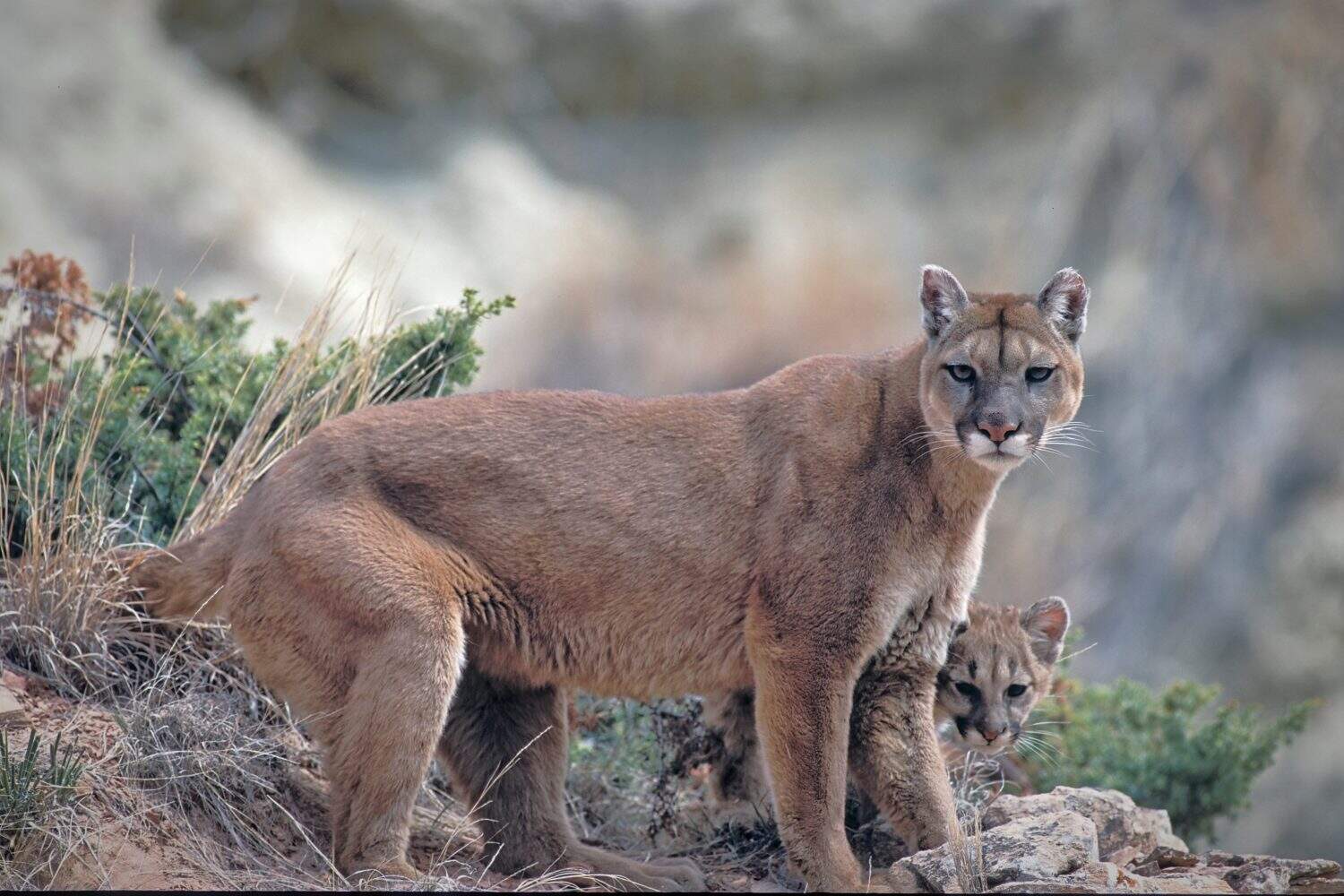
Inbreeding has been a huge problem for mountain lions in Southern California, leading to disfigurements and abnormal sperm rates.
©outdoorsman/Shutterstock.com
A 2022 study reported that mountain lions in Southern California exhibited significant inbreeding. From crooked tails to a “93% abnormal sperm rate” and a range of testes sizes, the impact of being cut off from other populations of mountain lions was taking its toll. According to Audra Huffmeyer, a UCLA postdoctoral researcher and lead author of the study, without change, the region would be devoid of mountain lions.
“If we don’t do anything to add genetic diversity, the end is near,” Huffmeyer explains to the National Park Service. “That sounds dramatic, but that’s what we’ve seen.”
Now, with more protection, the hope is that mountain lions will roam more freely and, as a result, become more genetically diverse.
How Are Mountain Lions Being Protected in California?
Protecting mountain lions under California’s Endangered Species Act is far from the only measure being taken to safeguard the cougars in the Golden State. With so many living in limited territories, steps have been taken in recent years to help mountain lions travel safely between regions.
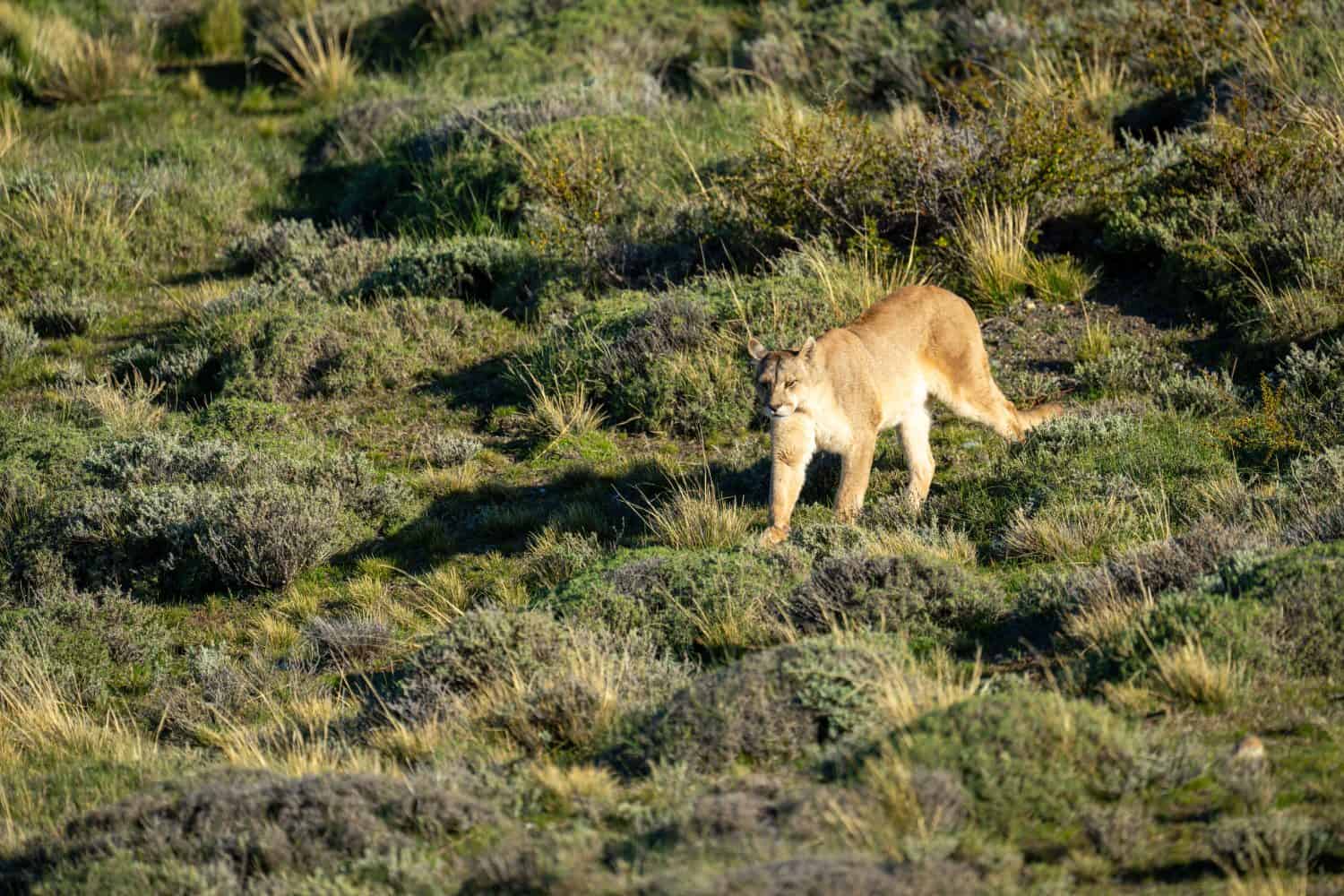
Mountain lions in California have been protected with the use of wildlife corridors, the Room to Roam Act, and more.
©Nick Dale Photo/Shutterstock.com
The ways mountain lions have been protected in California include:
- Wildlife corridors
- Wildlife-safe fencing
- Implementation of the Room to Roam Act
- Ban on anticoagulant rodenticides
By adding these protections, mountain lions can increase their population while reducing the risk of inbreeding and the likelihood of being struck by vehicles as they expand their territory.
With a significant portion of California’s mountain lions now receiving additional protection from the California Fish and Game Commission, there is finally a glimmer of hope for the keystone species. While change will not happen overnight, there is reason to celebrate. Mountain lions now have a chance at survival, which seemed impossible just a few years ago.