
Dungeness crab season has hit a snag in California. The recreational Dungeness crab season officially opened on November 1, 2025. However, the commercial season remains closed and is delayed until at least 2026. Further, the recreational season is closed in Northern California due to a public safety risk.
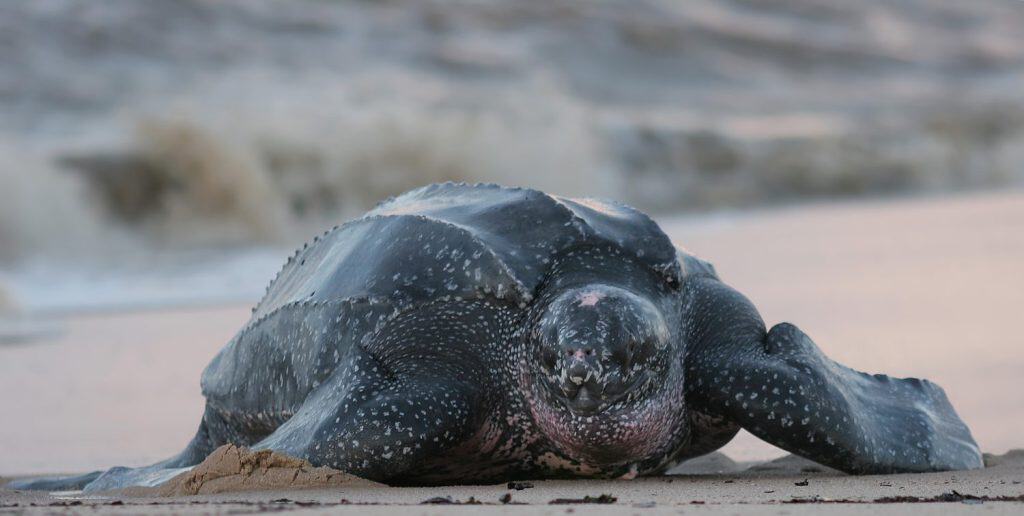
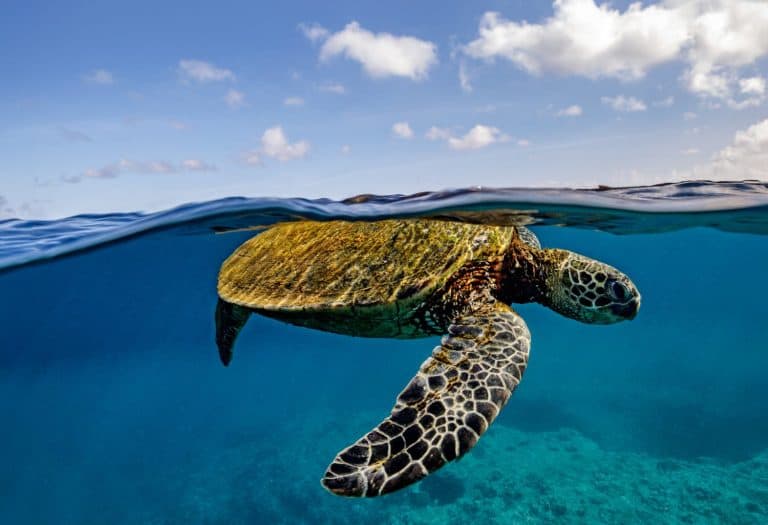
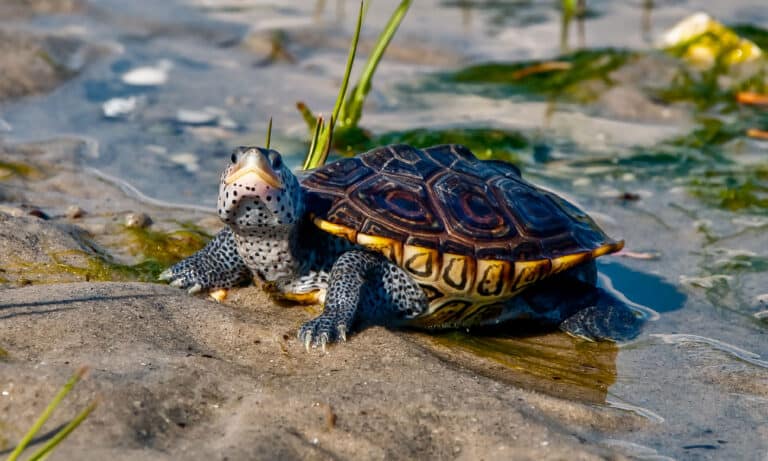
Leatherback sea turtles are in danger of getting tangled in Dungeness crab nets.
©Stephanie Rousseau/Shutterstock.com
Why Was the Dungeness Crab Season Delayed?
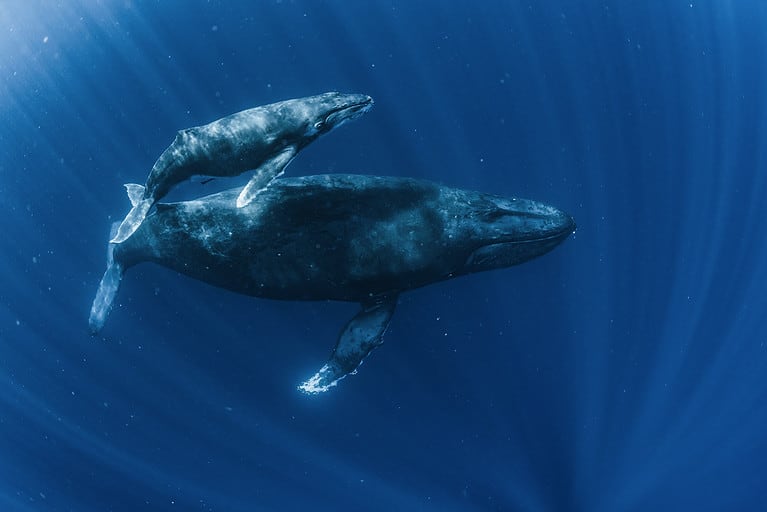
The California Department of Fish and Wildlife announced in a press release, “The commercial Dungeness crab fishery will be delayed in all Fishing Zones due to numerous reported entanglements this year, high abundance of humpback whales, and presence of leatherback sea turtles. This delay will allow whales and sea turtles to migrate out of California waters prior to the opening of the commercial fishery.”
Recreational crab fishing began on November 1, 2025; however, only hoop nets and crab snares are permitted for collecting crabs. Crab traps are temporarily banned to protect the migrating whales and turtles.
How Important Is Dungeness Crab Fishing to the California Seafood Industry?
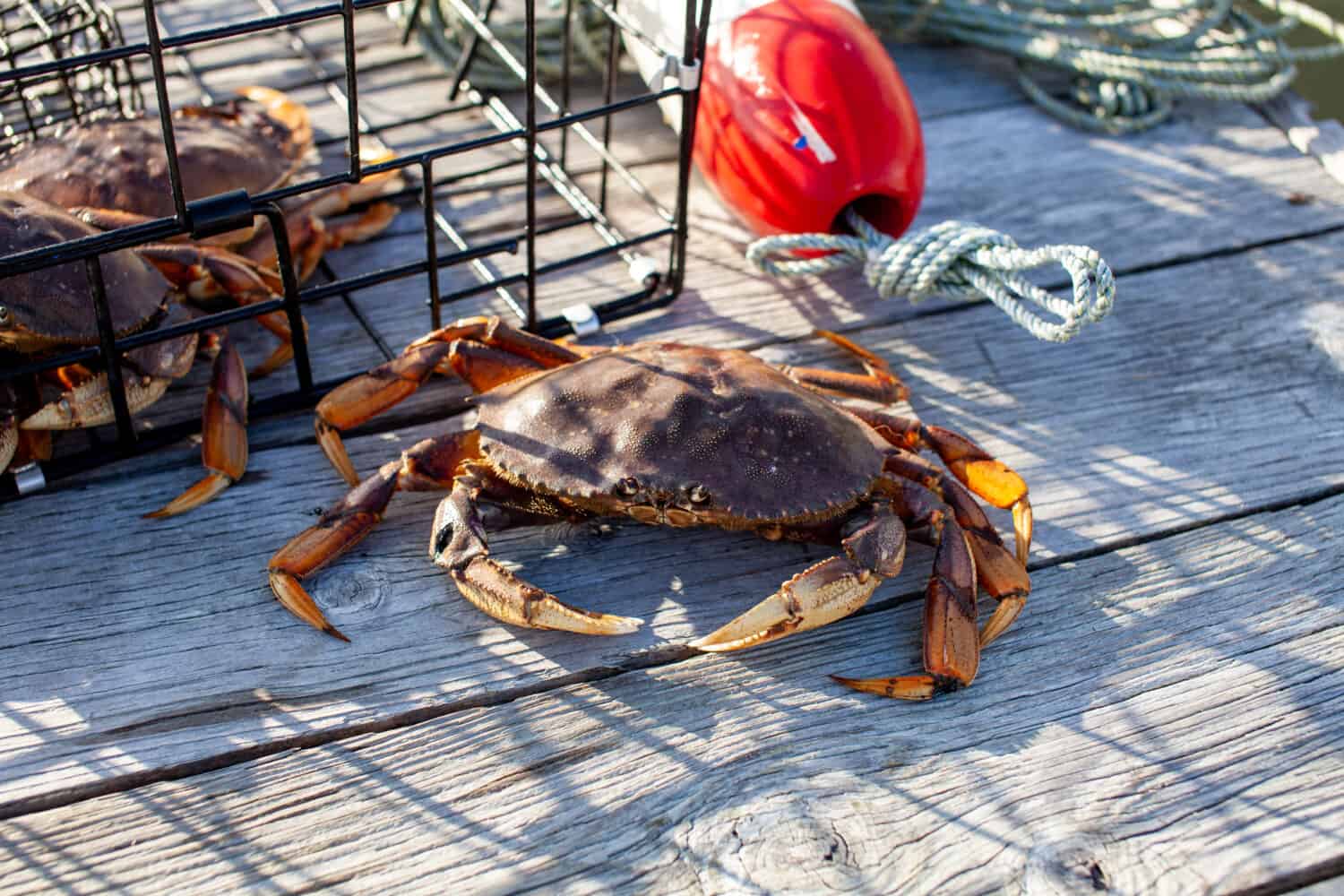
Crab lovers up and down the West Coast rejoice when fresh Dungeness crabs (Metacarcinus magister) hit the restaurants and seafood markets in November. Fresh Dungeness crabs caught in California have historically been available from November until early spring. The crabs weigh around one to two pounds and are full of sweet, tender crab meat. Especially in the Bay Area, Dungeness crabs are a special treat served at Thanksgiving and Christmas holiday tables.
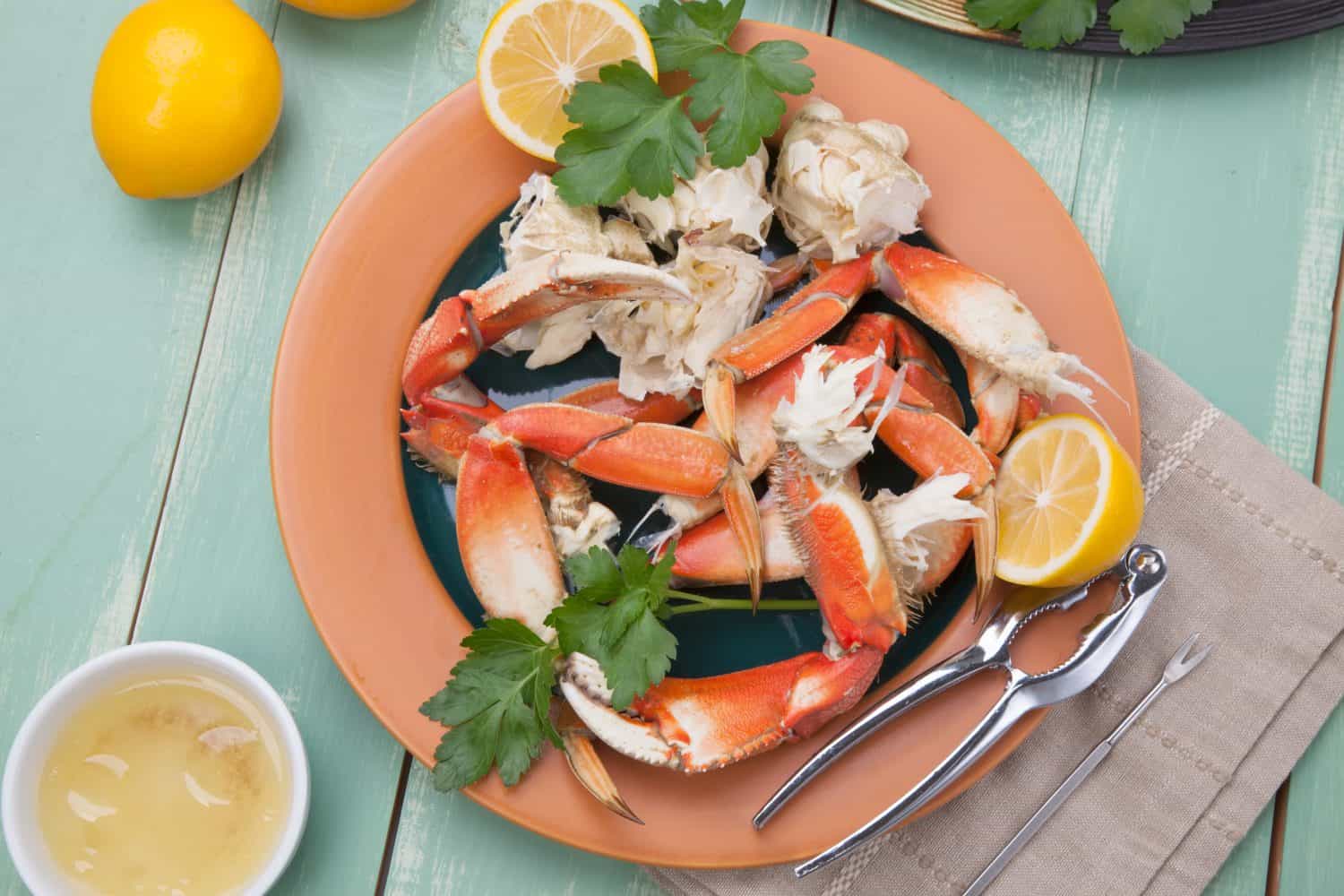
Dungeness crab is a popular delicacy on the West Coast.
©Bochkarev Photography/Shutterstock.com
The delay in the crab season is difficult for the commercial seafood market in California. Lisa Damrosch, Pacific Coast Federation of Fishermen’s Association (PCFFA) Executive Director, said in a statement, “Another year of a delayed commercial Dungeness crab season is incredibly difficult for our fleet and port communities. However, given the current risk assessment process, the commercial fleet supported this outcome as the most practical path forward.”
Migration Pattern for Whales and Turtles Has Shifted
Whales and turtles are showing up in higher numbers along the West Coast in November, and are getting tangled up in fishing nets that were meant for crabs. The state will perform a risk assessment in mid-December to determine if conditions are safe to open the commercial Dungeness crab season in January 2026. Though there may be multiple reasons for the shift in migration, many experts believe the main culprit is climate change.
Studies have shown that North Pacific humpback whales have changed their usual migratory pattern and are getting entangled in crab nets along the California coast. Trisha Atwood, an ecologist and associate professor at Utah State University’s Quinney College of Agriculture and Natural Resources, told Inside Climate News, “Almost no migratory species is untouched by climate change.”
Climate change is also affecting sea turtle migration. A recent study found that warming seas are causing sea turtle species to change their foraging and nesting patterns. These changes may cause turtles to be in areas during heavy shipping vessel traffic, where they can be injured or killed.
Commercial Fishermen Look for Alternatives to Nets
In the spring of 2025, state officials and environmental groups tested new “whale-safe” gear with commercial fishermen. The gear is ropeless and keeps lines stored within the traps until activated. Although the gear is not available commercially yet, officials reported positive results from the trials. Perhaps in future years, the Dungeness crab season can continue without a risk to migrating sea turtles and whales.
Public Health Hazard in Northern California
Unrelated to protecting migrating animals, crabbing is currently banned in Northern California due to high levels of domoic acid. Domoic acid is a neurotoxin produced by algae. It can build up in the tissues of crabs and other crustaceans, making them unsafe to eat. During algae blooms, crabs can amass very high levels of the neurotoxin. If someone were to eat a contaminated Dungeness crab, they may experience nausea, diarrhea, and dizziness. Higher levels can cause even more severe outcomes, such as short-term memory loss, seizures, and heart failure. The current ban extends from Point Reyes north to the Oregon border.
Why Harmful Algal Blooms Are Increasing in Northern California
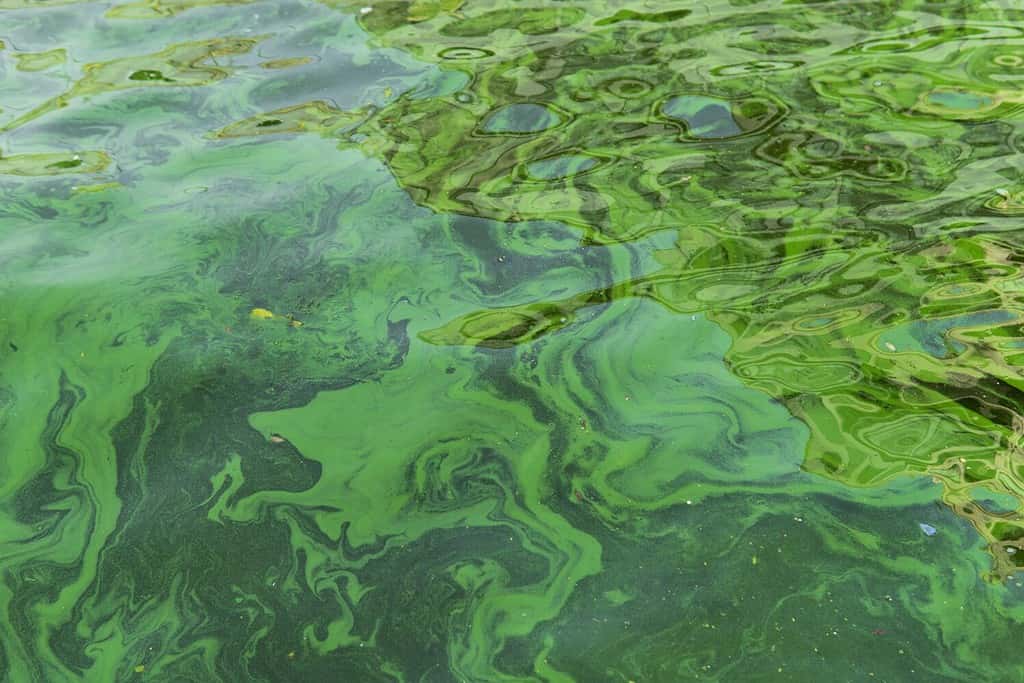
Harmful algal blooms are caused by excessive algae growth and can cause negative impacts to aquatic ecosystems and human health.
©Aleksandrkozak/Shutterstock.com
Climate change is likely to blame for the increase in algae in West Coast waters. Warmer ocean waters create the perfect conditions for harmful algal blooms. Another factor is that warmer conditions cause coastal upwelling. When upwelling occurs, the wind pushes the warmer surface water offshore, and nutrient-rich waters from the deep ocean rise to take its place. The more nutrients in the water, the better the conditions for algal blooms to form.
Officials do not have a date yet for when the northern recreation Dungeness crab season will open. The State Public Health Officer of the California Department of Public Health (CDPH) said in a statement that the ban will end when CDPH “determines that domoic acid no longer poses a significant risk to public health.”