
Quick Take
- Cape Cod holds one of the largest seasonal gatherings of great white sharks on the planet, yet the attack history is far smaller than you'd expect. Great white shark gatherings →
- One of the sharks regularly visiting Cape Code can reach nearly 40 feet long and is completely harmless, yet most beachgoers have never heard of it. Meet the giant filter feeder →
- At least one Cape Cod shark species hunts in coordinated packs, which is a behavior most people never associate with sharks. Pack-hunting dusky sharks →
When you think of sharks swimming in Cape Cod, you probably think first of the famous great white. However, Cape Cod waters are home to many shark species, most of which migrate there during spring, summer, and fall. Despite the great presence of sharks in the area, there have been relatively few shark attacks on people over the years. The Florida Museum International Shark File reports six unprovoked shark attacks along the shores of Massachusetts since 1837. What are the shark species that you are most likely to encounter in Cape Cod? Let’s take a look.
Spiny and Smooth Dogfish Sharks
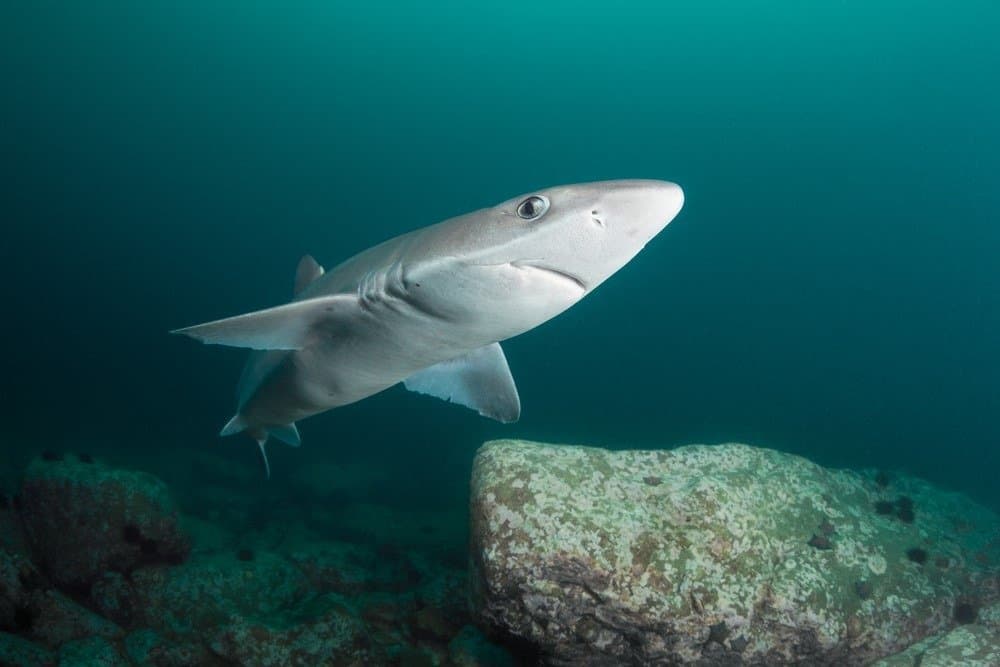
Although spiny dogfish sharks are generally not dangerous to humans, they do have sharp, venomous spines on their front dorsal fins that could cause a painful injury.
©Boris Pamikov/Shutterstock.com
The spiny dogfish (Squalus acanthias) is the most abundant shark in the North Atlantic. It’s also the shark that visitors are most likely to encounter around Cape Cod. Fortunately, this small shark is not dangerous to humans. Spiny dogfish are most abundant in the area during their northern migration between May and October. You will find them swimming in large schools near the bottom, in warm, shallow water.
The smooth dogfish (Mustelus canis) is another small, bottom-dwelling shark commonly spotted swimming around Cape Cod near the shore. Like the spiny dogfish, it poses no danger to humans. They are most abundant off the coast of Cape Cod during the summer when they migrate north to escape the warmer waters.
Great White Sharks
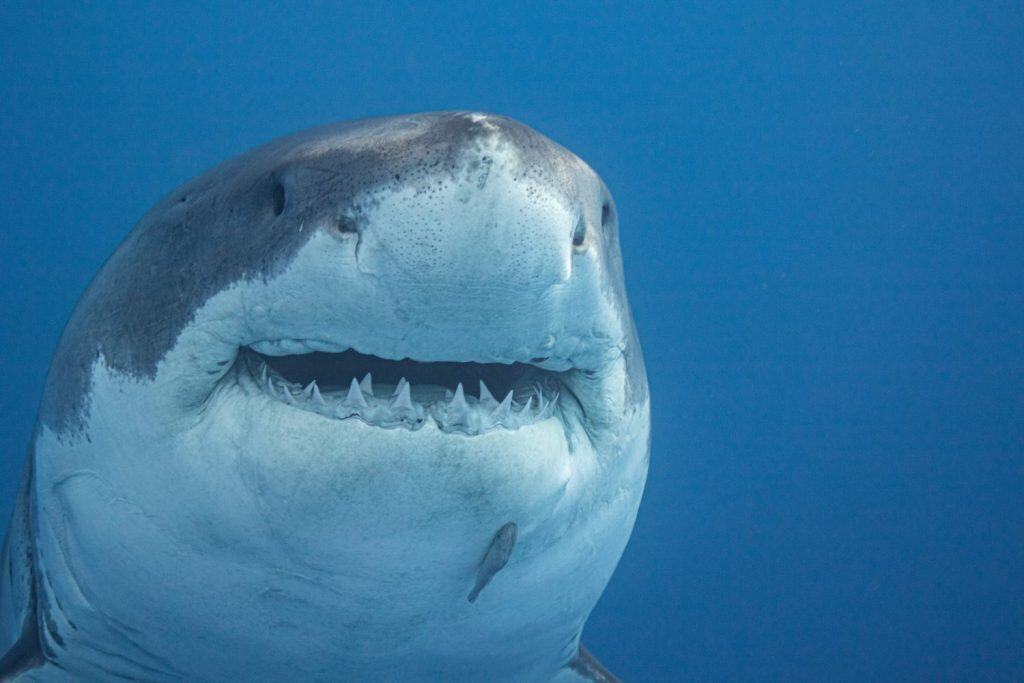
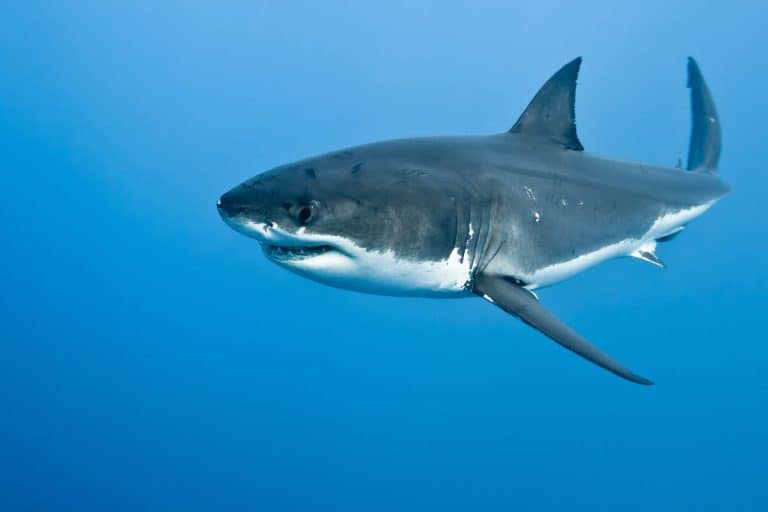
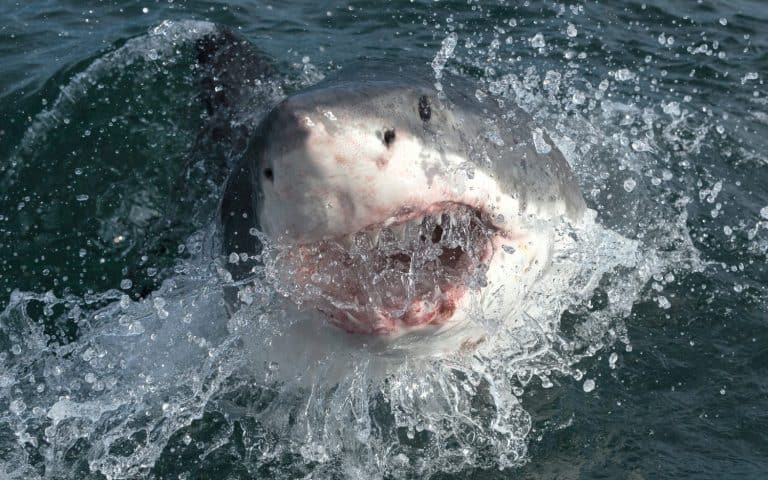
Great white sharks have an opportunistic diet and will prey on marine mammals, fish, and sea turtles.
©screamingtrees_22/Shutterstock.com
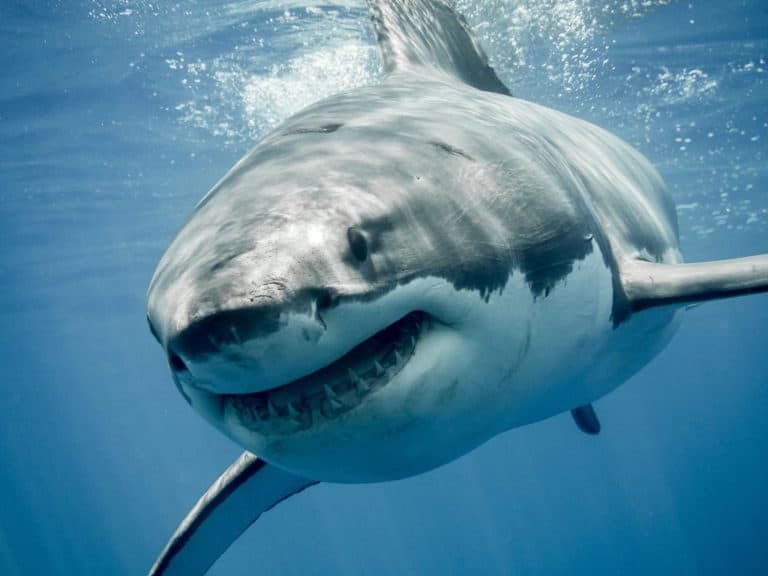
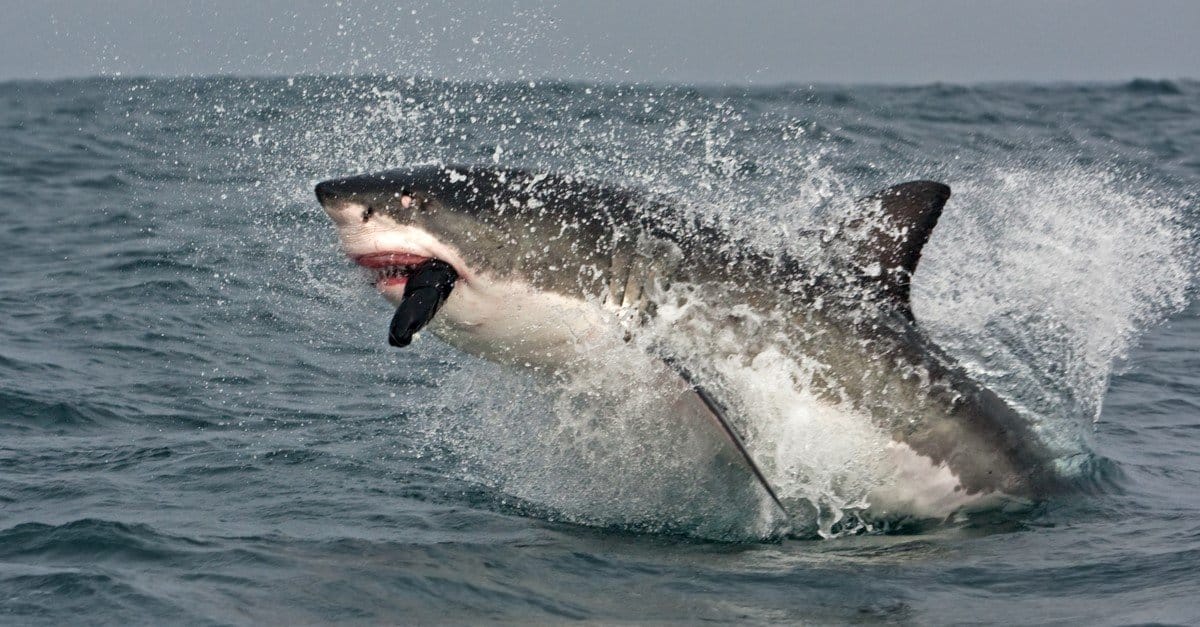
When people hear about sharks in Cape Cod, they usually think of the white shark (Carcharodon carcharias), also known as the great white. Not only is it one of the most commonly found sharks along Cape Cod, but scientists have discovered that the eastern shoreline is home to one of the largest seasonal gatherings of great whites in the world.
White sharks do pose a risk to humans, and they are most abundant from June to October, which is also during the peak of summer vacations and beachgoers. Although great whites are responsible for the most unprovoked shark attacks worldwide, the most recent one in Cape Cod was in 2018. During that year, there were two great white attacks on swimmers, with one being fatal. While larger, adult great whites tend to swim in deeper waters, the juveniles prefer warmer water near the shore. This increases the risk of encounters between great whites and humans.
Sandbar Sharks
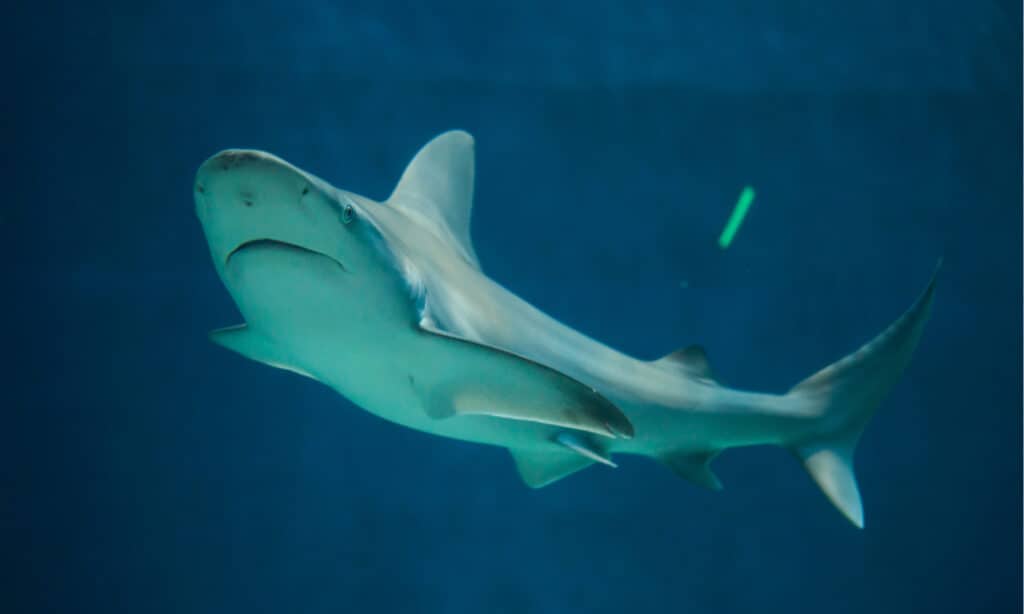
The sandbar shark is slow to reproduce and is an endangered species on the IUCN Red List of Threatened Species.
©Vladimir Wrangel/Shutterstock.com
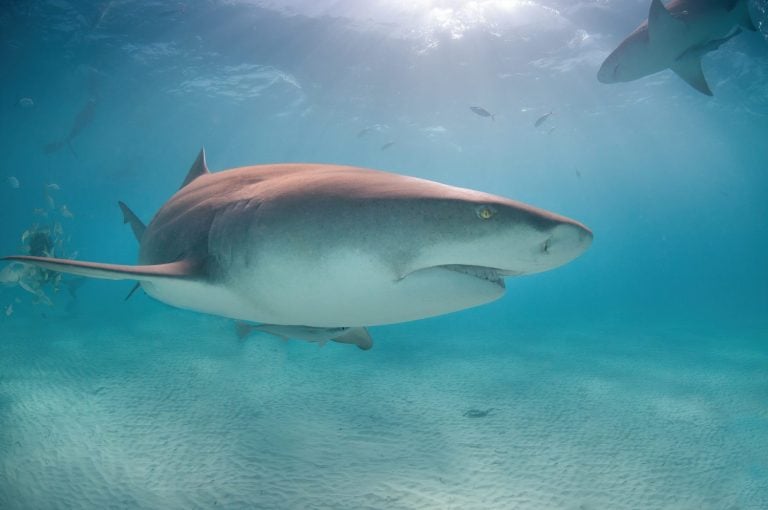
Sandbar Sharks (Carcharhinus plumbeus), also known as brown sharks, are another frequent visitor to Cape Cod waters, especially during the summer months. These large sharks grow about 6 feet long and can weigh up to 150 pounds. They like to swim near the bottom of the ocean in warm waters, which means swimmers may encounter them. However, sandbar sharks are shy and tend to avoid people, preferring smaller prey, such as fish, crabs, and mollusks.
Basking Sharks
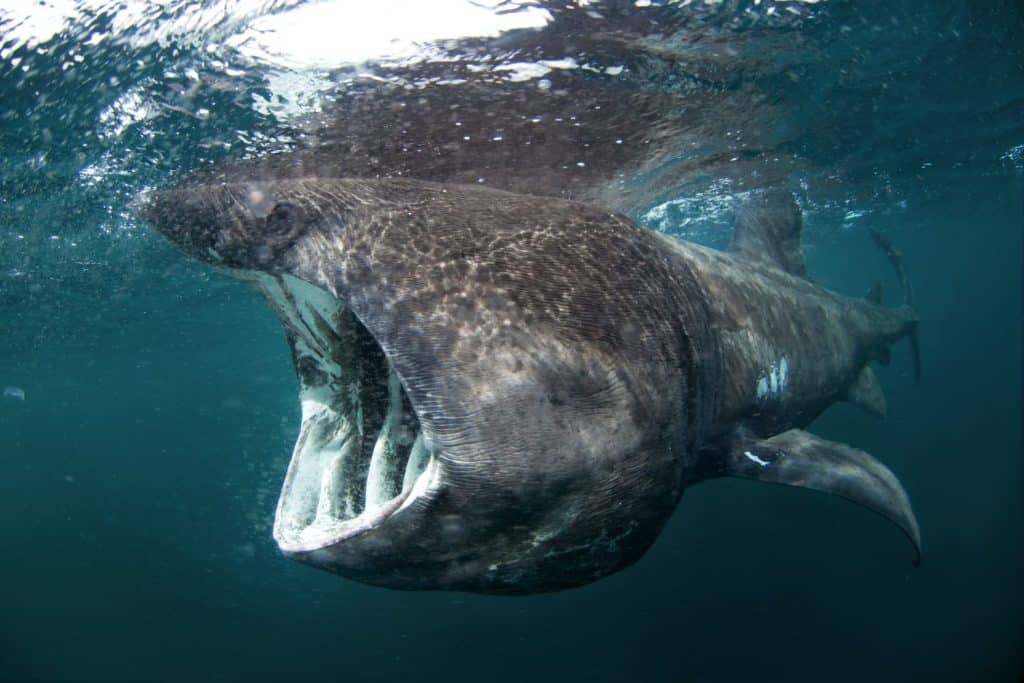
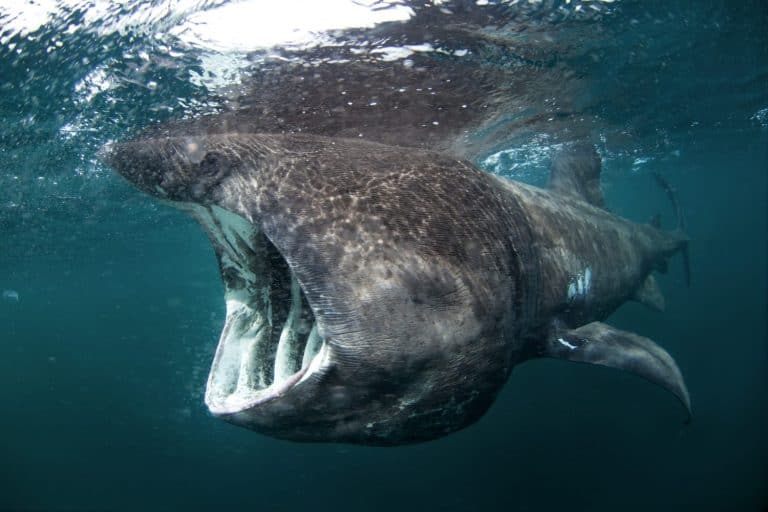
These massive filter feeders swim around with their mouths wide open to feed on plankton in the water.
©Martin Prochazkacz/Shutterstock.com
Although they are among the largest sharks to visit Cape Cod and the second-largest fish in the world, basking sharks (Cetorhinus maximus) are entirely harmless and eat only plankton. On average, they reach around 26 feet, but have been known to grow as large as nearly 40 feet in length. You’re most likely to spot a basking shark during the spring, summer, and fall months, when they migrate north. Look for them swimming near beaches and bays near the surface of the water as they feed on zooplankton.
Sand Tiger Sharks
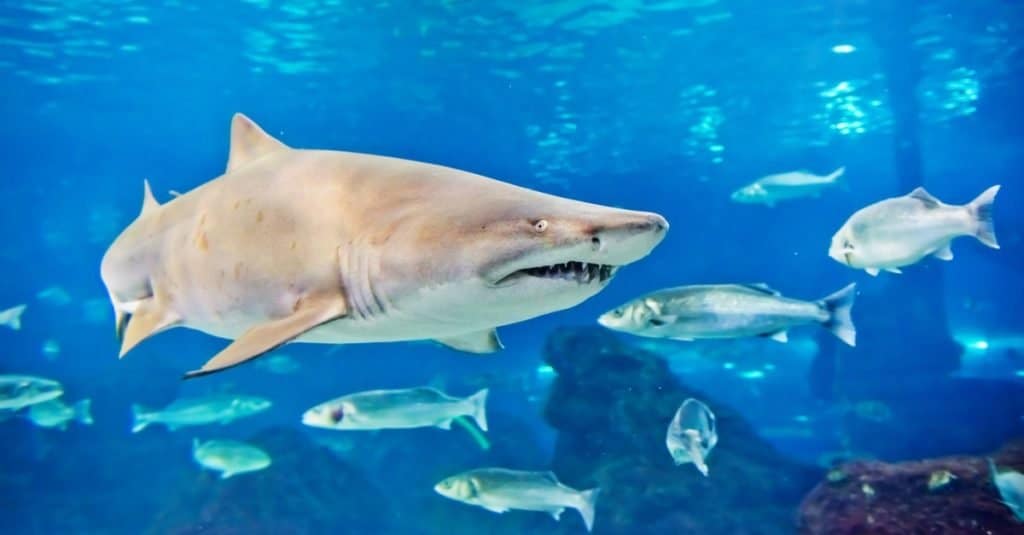
Sand tiger sharks are large, slow-moving sharks that hunt at night along the ocean floor.
©Valeri Potapova/Shutterstock.com
Another shark you may see swimming along Cape Cod’s coastline is the sand tiger shark (Carcharias taurus). They may look threatening; however, according to an expert speaking with Boston’s WBUR, they are only likely to bite when mishandled. Sand tiger sharks are most abundant in New England waters from June to October, when they migrate north for the summer.
Blue Sharks
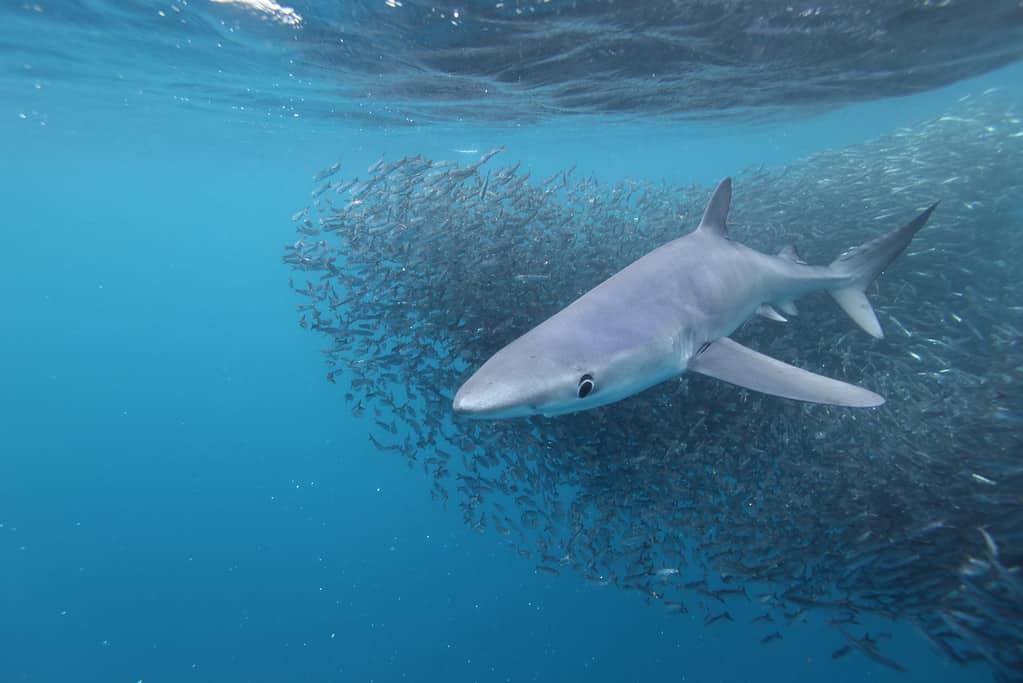
Blue sharks are extreme migrators and have been known to travel distances over 5,500 miles.
© Alessandro De Maddalena/ via Getty Images
You’ll have to get on a boat to find blue sharks (Prionace glauca) swimming in the deep, cooler waters off the Massachusetts coastline. Blue sharks arrive in Massachusetts waters in the summer as they migrate to warmer climates and follow their prey. These large sharks can grow 7 feet in length and weigh up to 300 pounds. They aren’t known to be aggressive towards people; however, they may approach divers out of curiosity and have been known to occasionally bite humans.
Shortfin Mako Sharks
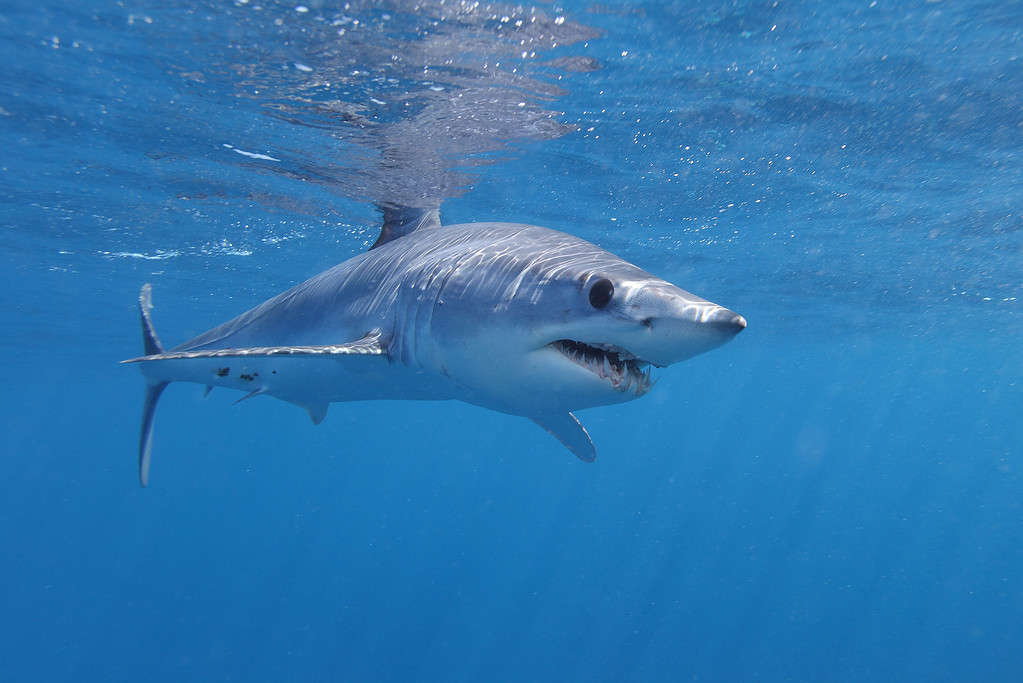
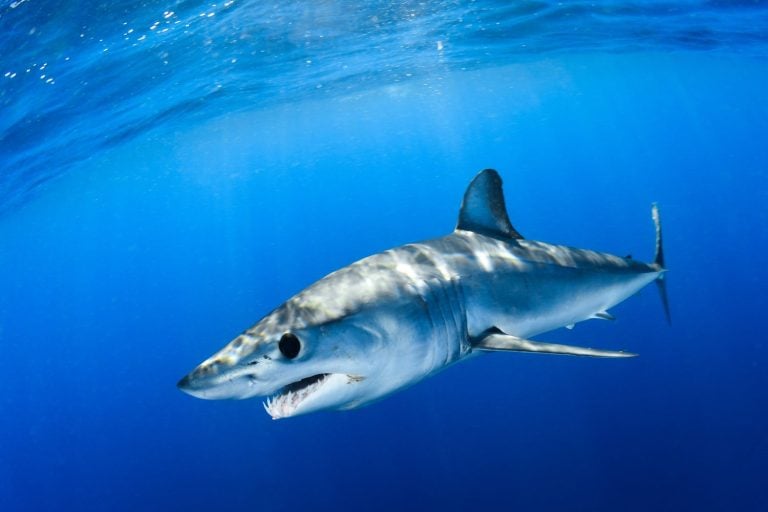
Sometimes known as the cheetahs of the ocean, shortfin mako sharks reach incredibly fast bursts of 40 to 50 mph.
©Alessandro De Maddalena/ via Getty Images
These fast-moving and aggressive sharks are sometimes mistaken for great whites. However, shortfin mako sharks (Isurus oxyrinchus) have more pointed snouts and slender bodies than great whites. Shortfin makos arrive at Cape Cod in the spring and stay until fall. Your best bet of spotting one is to take an offshore boat trip where they swim in deeper waters. Although unprovoked attacks on humans by shortfin makos are rare, people should be wary around these powerful, athletic sharks.
Common Thresher Sharks
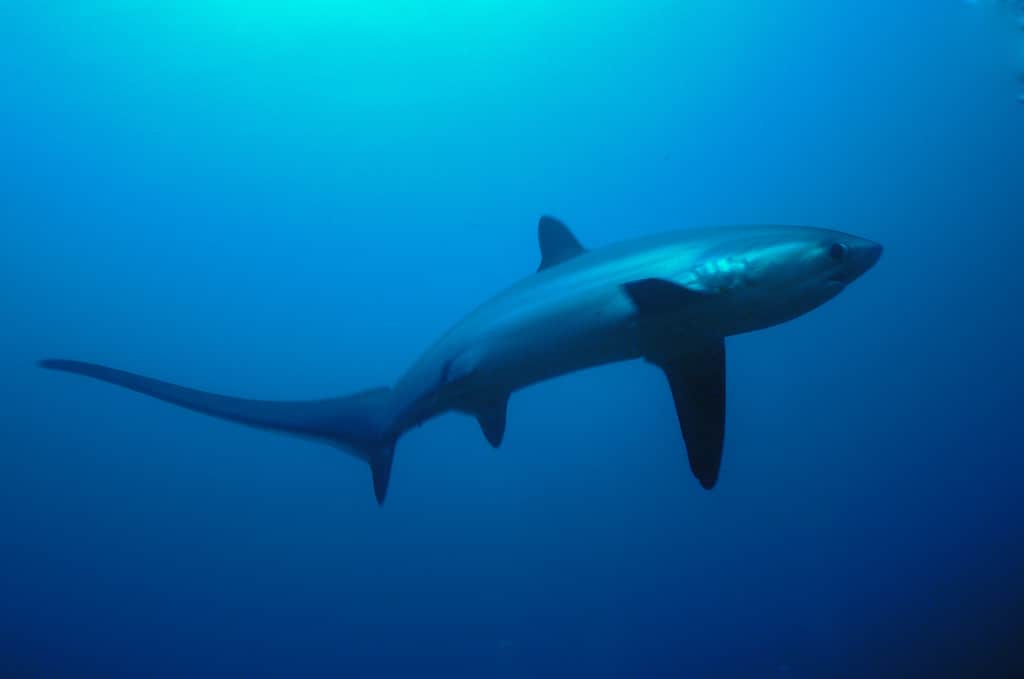
These powerful sharks can breach the water as high as 20 feet.
©aspas/iStock / Getty Images Plus via Getty Images
Common thresher sharks (Alopias vulpinus) are large sharks that may grow up to 20 feet long. They are sometimes found washed ashore during winter on Cape Cod beaches. Scientists explain that when the sharks are caught in cold water during a temperature drop, they can get cold-stunned, unable to tolerate the frigid waters. Thresher sharks head to Cape Cod waters when the temperatures warm up in the summer. You will most likely spot them in the summer months offshore, where they can be seen jumping as high as 20 feet out of the water.
Porbeagle Sharks
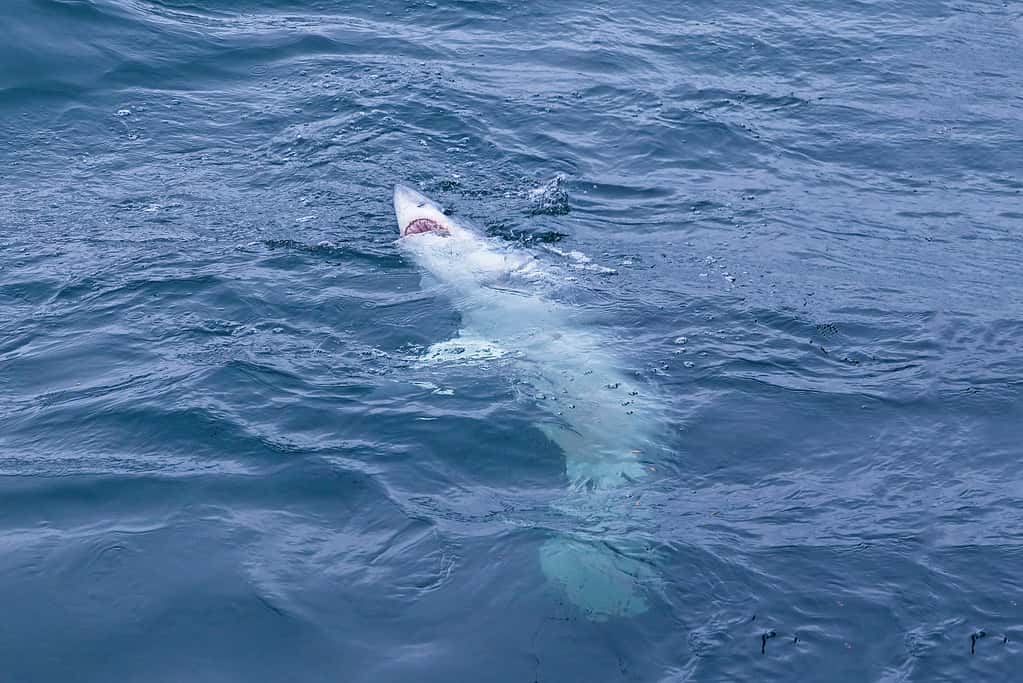
Although porbeagle sharks are close relatives of the great white shark, they are considered much less dangerous to humans.
©birdsonline/ via Getty Images
These cold water-loving sharks are one of the few species found year-round swimming off the coast of Cape Cod. Porbeagle sharks (Lamna nasus) can grow up to 12 feet long and weigh as much as 500 pounds. Despite their massive size, porbeagles rarely attack humans, with only two unprovoked and non-fatal attacks reported. Your best bet of seeing a porbeagle around Cape Cod is booking an offshore boat trip to deeper waters.
Dusky Sharks
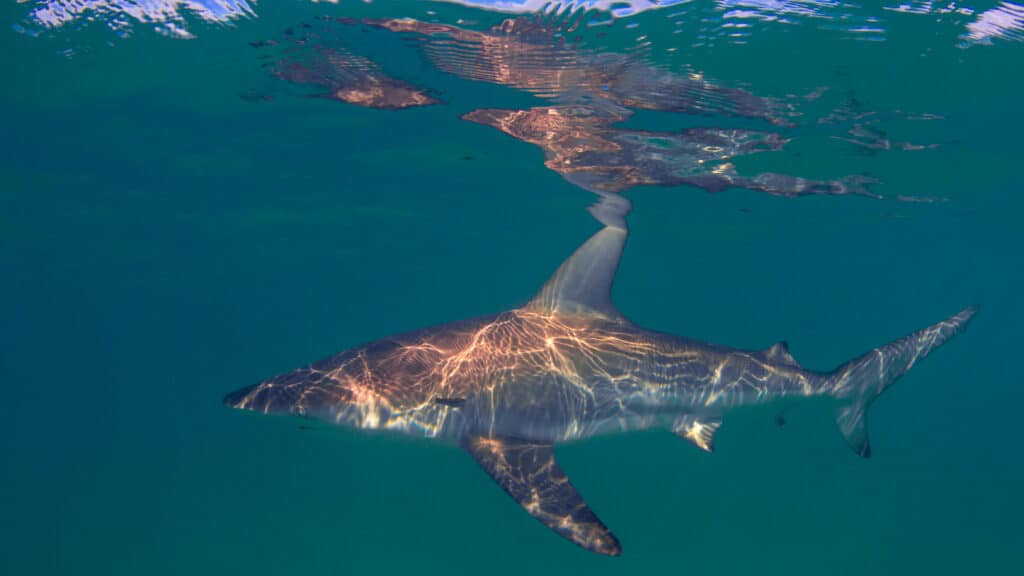
The endangered dusky shark is slow to mature, reaching sexual maturity at 20 years.
©Rich Carey/Shutterstock.com
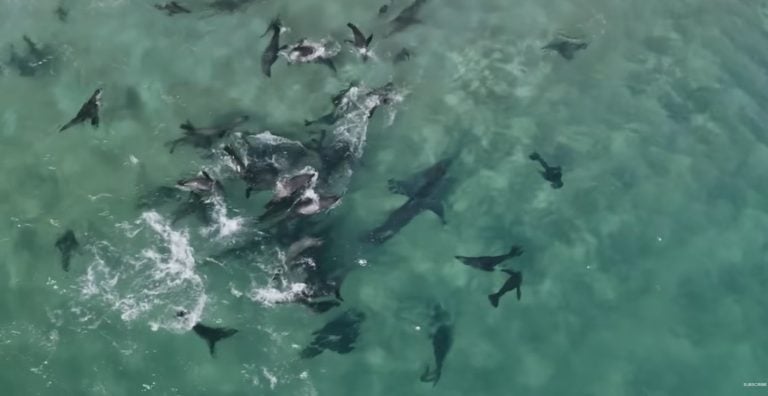
Dusky sharks (Carcharhinus obscurus) are large, migrating sharks that arrive in Cape Cod in the summer. Once rare in the area, they have made a comeback in the past few years. Dusky sharks are not typically aggressive to humans, but people should be careful when encountering them due to their large size and tendency to swim in warmer, shallow waters near the shore. Unlike most shark species that hunt solo, dusky sharks have been seen working in packs as they hunt grey seals.
Rare Guests to Cape Cod Waters
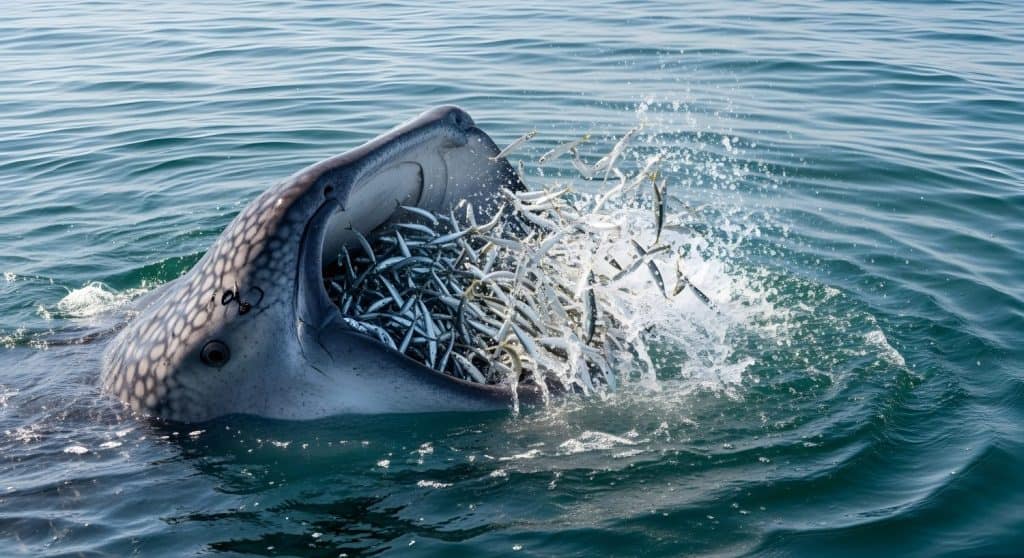
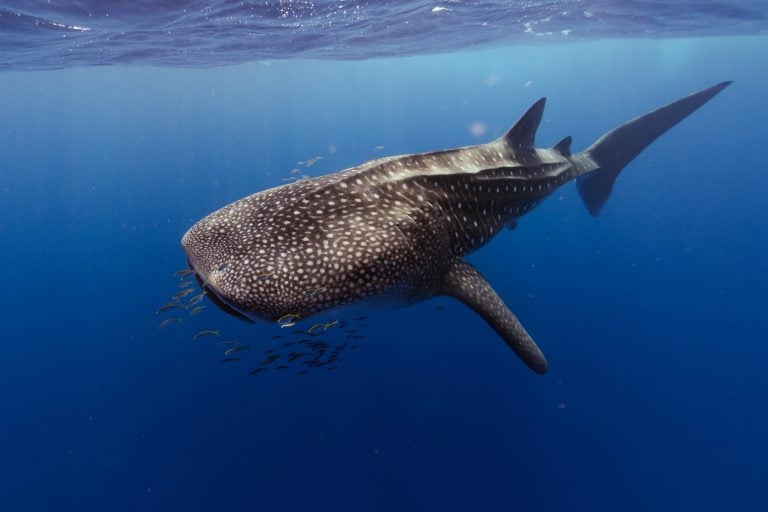
Whale sharks are generally found in warm and tropical waters, but have been seen as far north as Cape Cod.
©jafarsodik/Shutterstock.com
Although the following sharks are rare visitors to the waters around Cape Cod, they deserve an honorable mention, as they have been known to make occasional appearances.
- Blacktip Shark (Carcharhinus limbatus): May be seen leaping out of the coastal waters during the summer.
- Tiger Shark (Galeocerdo cuvier): Rarely seen during the summer around Cape Cod.
- Whale shark (Rhincodon typus): Incredibly rare, but has been spotted swimming far offshore on occasion.