
Quick Take
- Clean-label and functional nutrition are replacing vague “mystery kibble,” allowing pet owners to make more informed feeding choices.
- Super-Toppers like medicinal mushrooms and green-lipped mussels provide targeted support for cognitive, immune, and joint health in pets.
- Insect-based proteins are a sustainable, hypoallergenic alternative that offers a complete amino acid profile and reduces environmental impact.
Walk down the pet food aisle in any grocery store and you’ll see bright bags featuring happy, playful dogs and cats with shiny coats. The back of these bags features a long ingredient list that sounds impressive; but under scrutiny, these ingredients are vague and confusing. For years, many of us fed our pets what is often called “mystery kibble.” It met basic nutritional standards, but beyond that, who really knew what was in those crunchy mini biscuits we consistently poured into that stainless steel bowl?
That’s changing. Thanks to broader awareness, influencers, and the general public’s increasing thoughtfulness about the way we care for animals, pet parents are reading labels more closely, asking sharper questions, and looking for foods that do more than simply meet minimum requirements. The shift toward clean-label, functional nutrition is reshaping the industry.
Among the developments gaining attention are targeted “Super-Toppers” like medicinal mushrooms and green-lipped mussels, along with the growing use of insect-based protein, which is being explored not only for sustainability but also for its nutritional potential in sensitive pets.
Let’s break down how we got here and what it means for your four-legged family members.
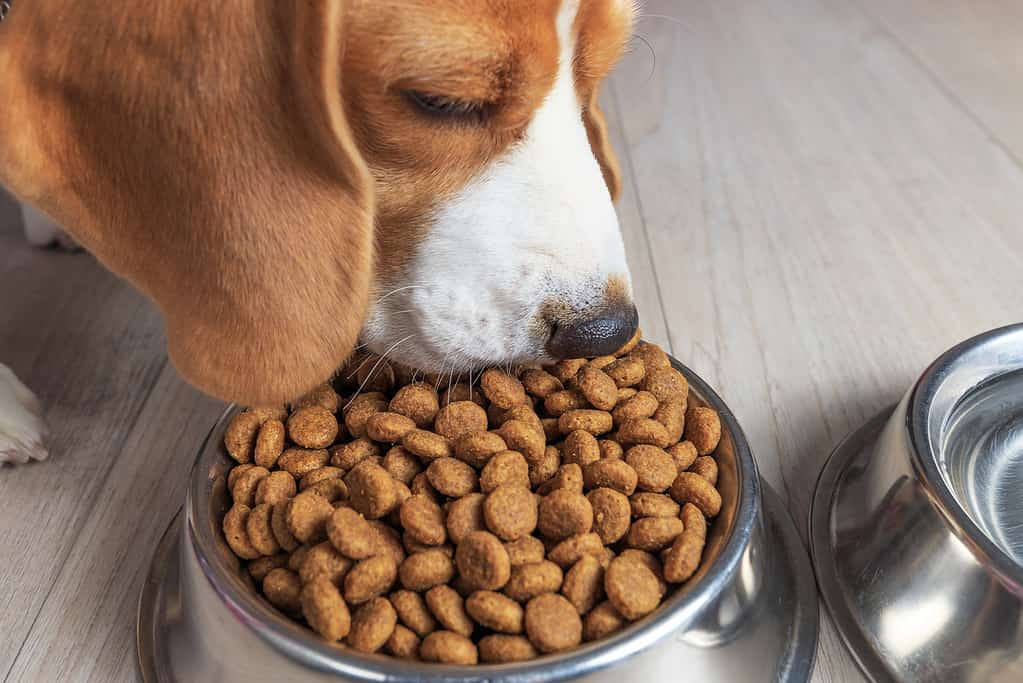
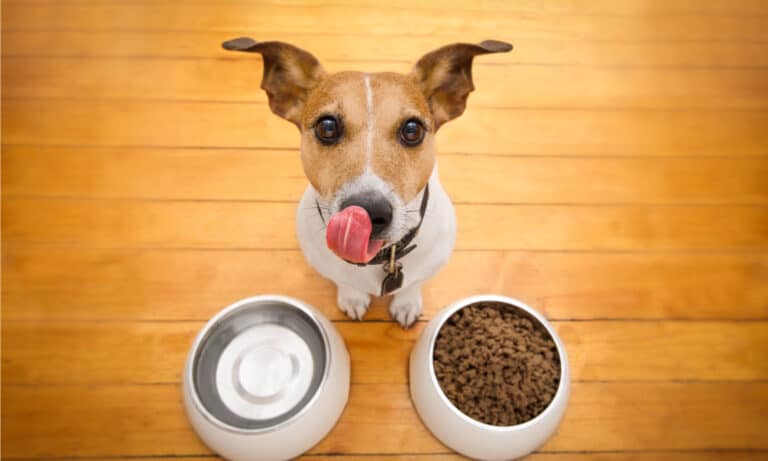
Long ingredient lists like “meat meal” leave pet owners guessing, while clean-label proteins like chicken or salmon provide transparency.
©alex_ugalek/iStock via Getty Images
The Move Away From “Mystery” Ingredients
For decades, many commercial pet foods relied on generalized terms like “meat meal,” “animal fat,” or “by-products.” While these ingredients can legally meet nutritional standards set by organizations like the Association of American Feed Control Officials, they don’t always offer transparency. Loose terms like these told pet owners nothing about what species the protein came from or how the ingredient was processed.
Clean-label pet food flips that script. Instead of vague categories, you’ll see clearly identified proteins such as chicken, turkey, salmon, or lamb. You’ll also see shorter ingredient lists and fewer artificial colors, preservatives, and fillers. The philosophy is simple: if you can recognize it and research it, you can feel more confident feeding it to your beloved pet.
You’re likely more comfortable feeding your cat “chicken” than “poultry by-product meal”.
But clean labels are only part of the changing landscape. The real momentum is in functional nutrition.
What Functional Nutrition Really Means
Functional nutrition goes beyond basic calories, protein, fat, and fiber. It focuses on ingredients that support specific systems in the body. Think joint mobility, cognitive health, immune balance, skin and coat support, and digestive comfort.
In human nutrition, we talk about superfoods. In pet nutrition, a similar concept has emerged in the form of “Super-Toppers.” These are concentrated add-ins, usually powders, freeze-dried pieces, or soft chews, that you mix into your pet’s regular food to target specific health goals.
Two of the most talked-about categories right now are medicinal mushrooms for cognitive and immune support and green-lipped mussels for joint health.

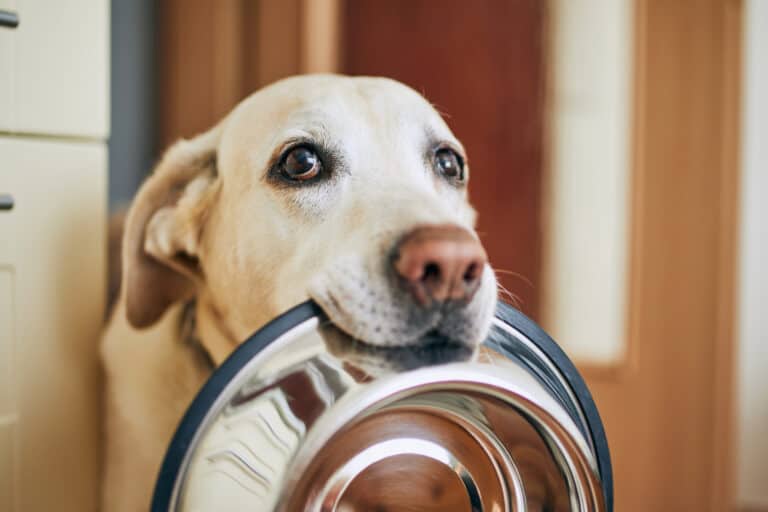
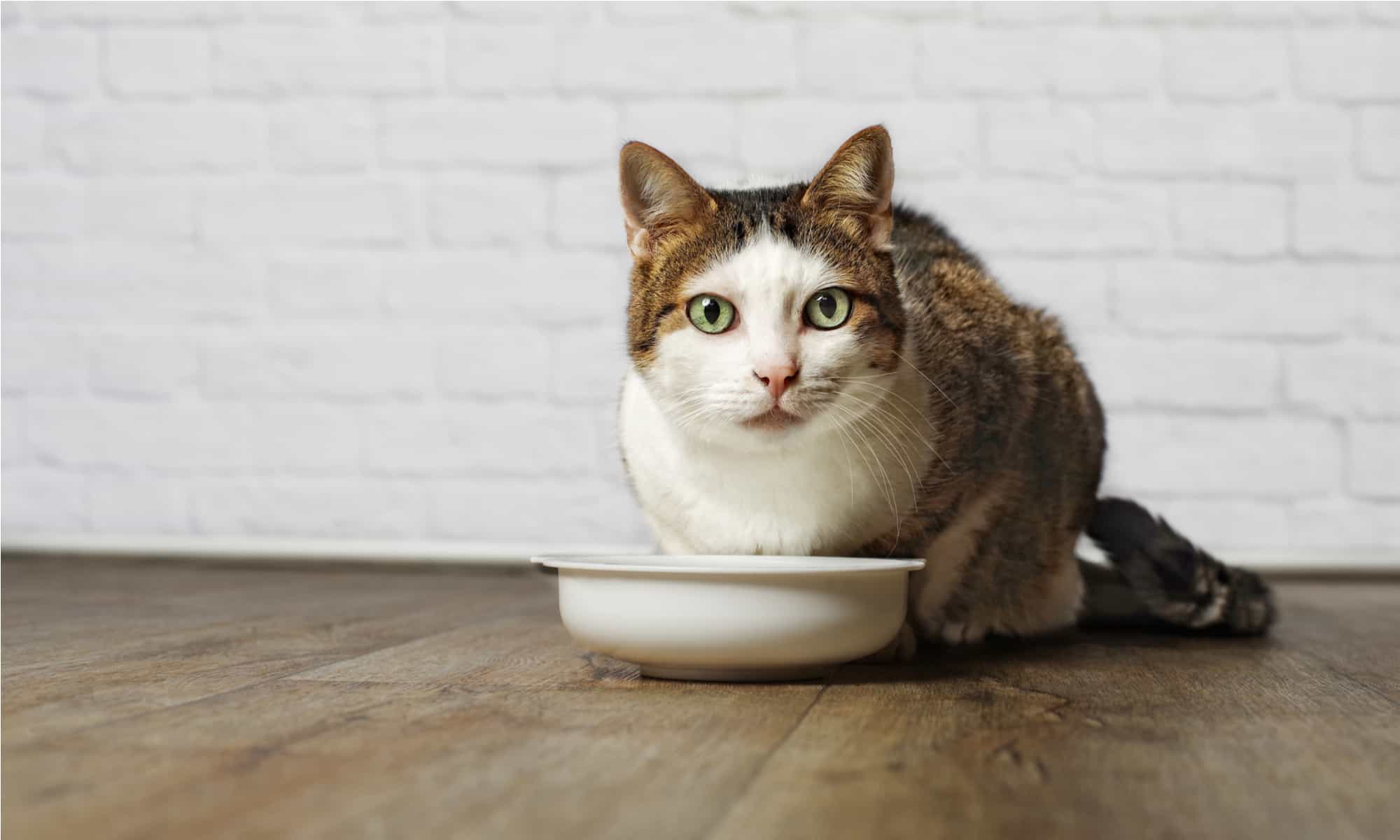
Functional nutrition targets specific health benefits, such as joint comfort, cognitive support, and digestive wellness.
©MaraZe/Shutterstock.com
Functional Mushrooms for Cognitive and Immune Support
Certain mushrooms contain naturally occurring compounds like beta-glucans, which are known to interact with the immune system. Research has examined mushroom extracts like Turkey Tail in dogs, particularly in immune-related contexts.
Lion’s Mane is often highlighted for cognitive support because of compounds that may influence nerve growth factor pathways.
While much of the research is still emerging and more robust, large-scale studies in pets are needed, the biological mechanisms are well documented in scientific literature.
For pet owners, these mushrooms are typically available as dehydrated powders or chews that can be sprinkled over kibble or wet food.
Here are several widely available options:
• Four Leaf Rover – Seven ‘Shrooms for Dogs
Available at fourleafrover.com
Approximate price: $34.99 for a 2.4-ounce jar
This blend combines multiple mushroom species and is marketed for immune and overall wellness support.
• Real Mushrooms – Mushroom Mobility Pet Chews
Available at realmushrooms.com
Approximate price: $44.95 per bag
These chews combine mushroom extracts with additional mobility-support ingredients.
• AnimalBiome – 8-in-1 Mushroom Complex for Pets
Available at animalbiome.com
Approximate price: $35.00
Formulated for both dogs and cats, this powdered blend focuses on immune and gut support.
When using mushroom toppers, consistency matters. These aren’t overnight miracle powders. They’re designed to work gradually as part of a balanced diet.
As always, especially for pets with medical conditions, it’s smart to check with your veterinarian before adding new supplements.
Green-Lipped Mussels: A Natural Joint Support Powerhouse
If mushrooms are the brain and immune stars of the Super-Topper world, green-lipped mussels are the joint specialists.
Green-lipped mussels, native to New Zealand, are rich in omega-3 fatty acids, including EPA and DHA, along with naturally occurring glucosamine and chondroitin. Research from veterinary journals has shown that green-lipped mussel supplementation may improve mobility and reduce signs of discomfort in dogs with osteoarthritis.
What makes them especially appealing is that they’re a whole-food ingredient. Instead of isolating one compound, you’re delivering a naturally occurring package of joint-supportive nutrients.
Common product options include:
• Zesty Paws Mussel Mobility Bites
Available at chewy.com and major retailers
Approximate price: $19.97 for a 90-count container
Soft chews that combine green-lipped mussel with other joint-support ingredients.
• Chew + Heal Green Lipped Mussel Powder
Available at chewandheal.com
Approximate price: $9.99 for a 2-ounce jar
A single-ingredient powder that can be mixed directly into meals.
• Special Breed Green Lipped Mussel Powder
Available at walmart.com
Approximate price: $24.95
Marketed for both dogs and cats needing joint and mobility support.
For senior pets or larger breeds that put more stress on their joints, green-lipped mussel toppers can be an easy way to provide extra support without dramatically changing the base diet.
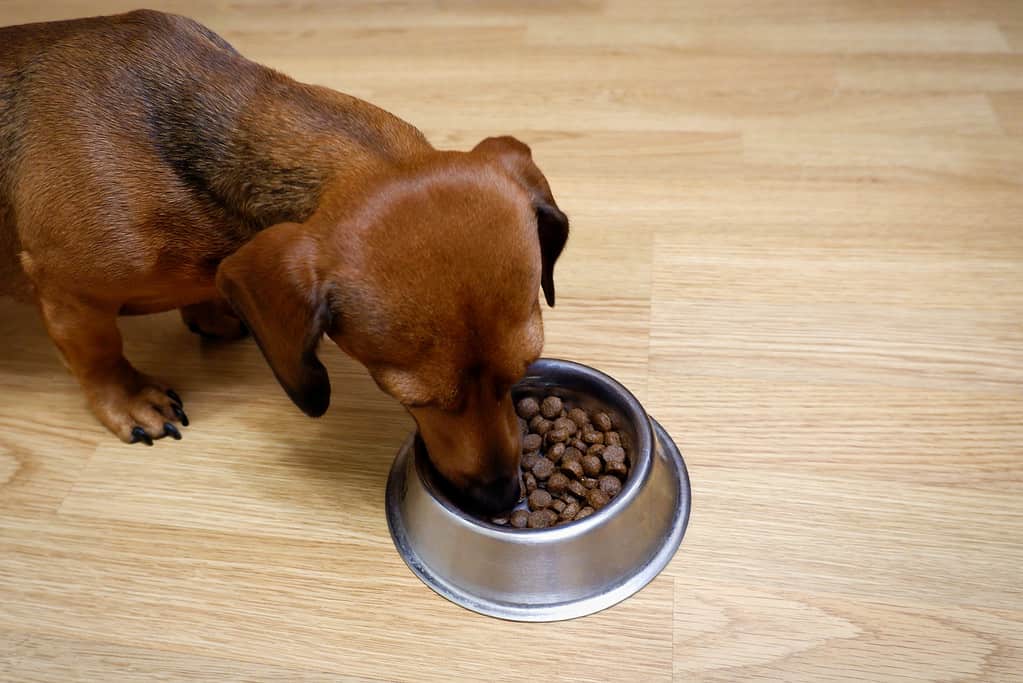
Mushrooms like Turkey Tail and Lion’s Mane contain beta-glucans that interact with the immune system.
©Dmitry Andreev/iStock via Getty Images
Insect-Based Protein: More Than an Eco Trend
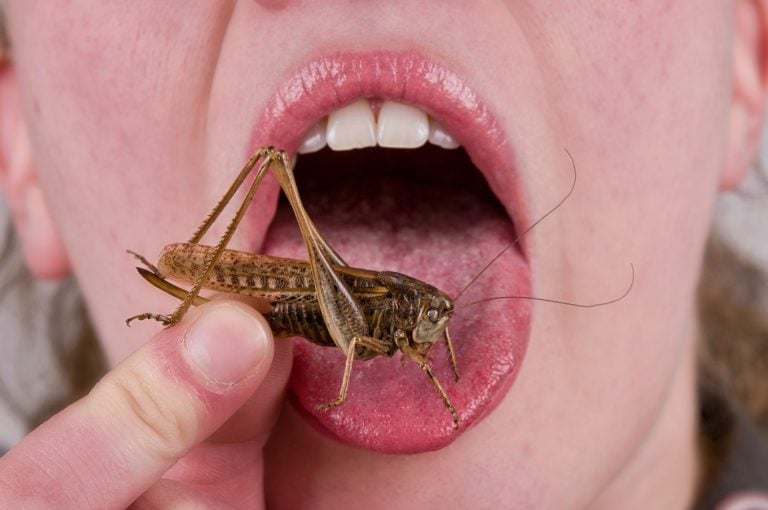
Now let’s talk about the ingredient that makes some pet parents pause the first time they hear it: insects.
For one thing, insect-based protein is a sustainability play. Insects such as black soldier fly larvae require significantly less land, water, and feed compared to traditional livestock. According to data cited by the Food and Agriculture Organization of the United Nations, insect farming also produces fewer greenhouse gases than cattle and other conventional protein sources.
Wonderful, right? But sustainability is only half the story.
From a nutritional standpoint, insect proteins are complete proteins. That means they contain all essential amino acids dogs and cats need from their diet. Published studies have evaluated insect meal in pet diets and found it to be highly digestible and capable of meeting amino acid requirements when properly formulated.
And there’s yet another important advantage: novelty.
Food allergies in pets are typically reactions to proteins they’ve been exposed to repeatedly, such as beef, chicken, or dairy. Insects are considered novel proteins for most dogs and cats in North America. Because the immune system hasn’t been sensitized to them, insect-based diets may reduce the likelihood of allergic reactions in sensitive pets.
That makes insect protein not just environmentally responsible but potentially superior for pets with chronic itching, ear infections, or digestive upset linked to common proteins.
Here are several insect-based products currently on the market:
• Jiminy’s – Cravin’ Cricket Dog Food
Available at jiminys.com
Approximate price: $21.95 for a 3.5-pound bag
Uses cricket protein as the primary animal protein source and is formulated for complete and balanced nutrition.
• Yora Insect Superfood Dry Dog Food
Available at mudbay.com and other specialty retailers
Approximate price: $59.99 for a 12-pound bag
Formulated with insect protein and marketed for sustainability and digestibility.
• Earth Animal Wisdom Air-Dried From the Soil Recipe
Available at chewy.com
Approximate price: $72 for a 64-ounce bundle
An air-dried formula featuring insect protein as part of its recipe.
• Catit Nuna Insect Protein & Herring Recipe
Available at miscota.com and select retailers
Approximate price: $32.53 for a 3.3-pound bag
A complete dry food for cats combining insect protein with fish.
If you have a pet with suspected food sensitivities, a veterinarian-guided elimination diet is still the gold standard. But insect-based diets are increasingly part of that conversation.
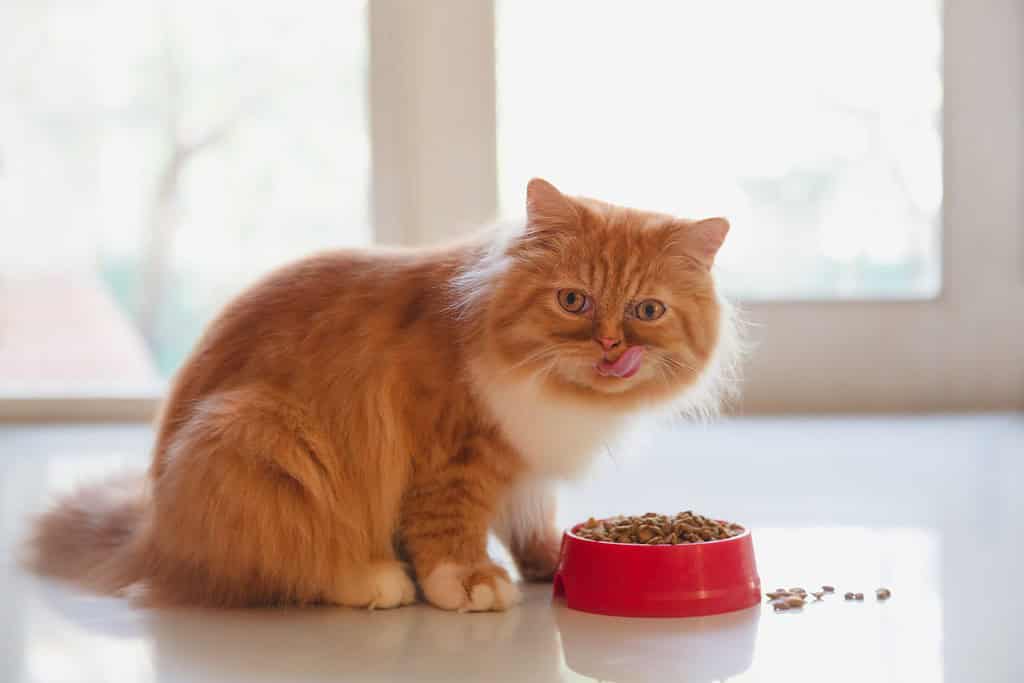
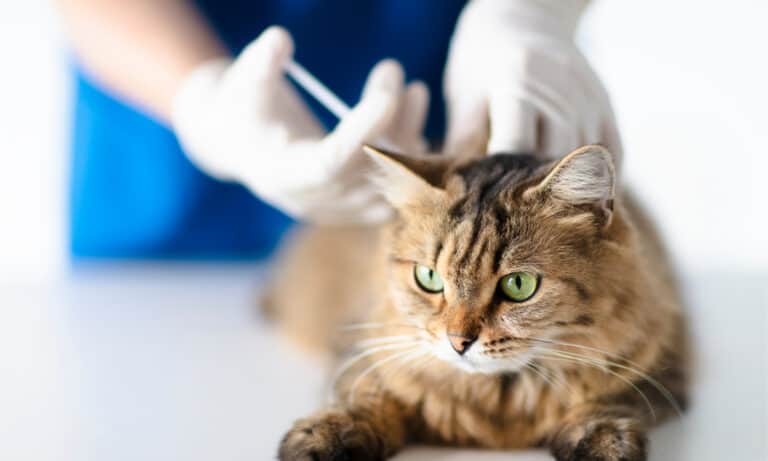
Layering clean-label diets with functional supplements provides pets with targeted nutrition while owners gain confidence in their choices.
©Patrick Foto/Shutterstock.com
Putting It All Together
The evolution from mystery kibble to functional, clean-label nutrition isn’t necessarily trying to demonize every traditional bag of dry food, it’s just raising the bar. Start with a high-quality, clearly labeled base diet, then strategically layer in functional ingredients when appropriate. It’s a more thoughtful, informed way to feed the animals who rely on us.
As always, major dietary changes should be discussed with your veterinarian, especially for pets with existing medical conditions. But one thing is clear: the days of blindly pouring mystery kibble into a bowl are fading. In their place is a more transparent, science-guided era of pet nutrition that treats food as more than fuel—and our pets as more than just kibble vacuums who’ll happily suck up any old junk we put in front of them.