
Quick Take
- The house mouse (Mus musculus) ages extremely fast, living 1 year in the wild but 2–3 years in labs or homes.
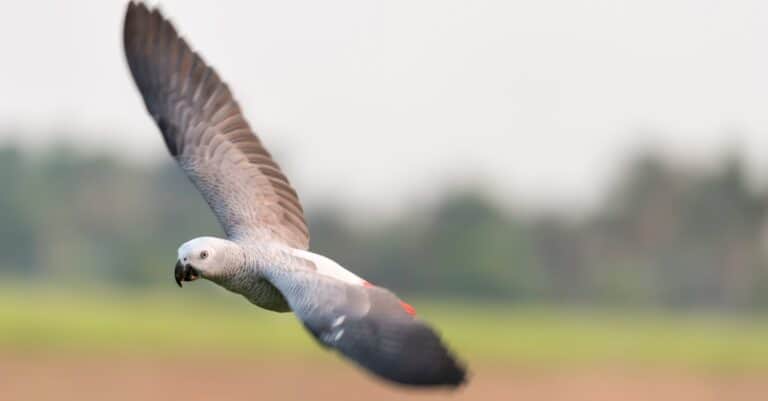
- Parrots can reach ages well over 50 years in captivity, outliving many larger mammals.
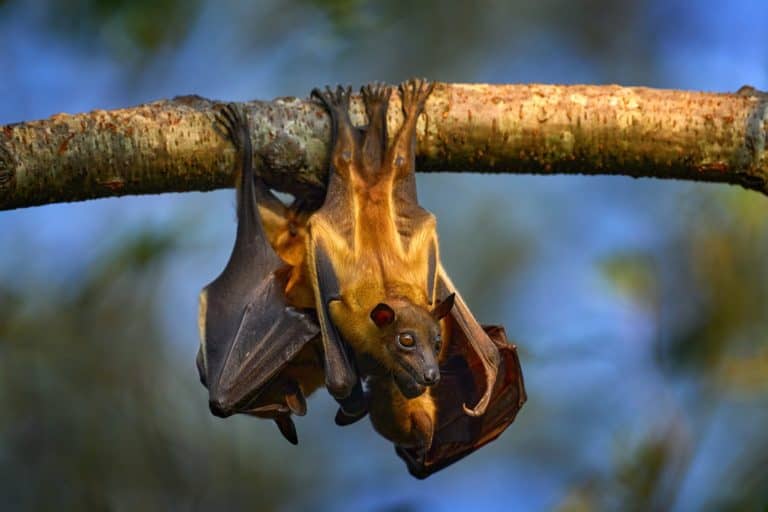
- Some bats weigh only a few grams yet live over 30 years thanks to strong DNA repair and metabolism.
- Read on to discover how elephants gain cancer protection through extra copies of tumor-suppressor genes.
A mouse might race through life in just a few short years, while a pet parrot can outlive its owner and then some. Aging happens to all living things, but the pace of aging differs widely across species. Some animals decline quickly after reaching adulthood, while others remain active and capable for decades. Scientists study this variation by looking at DNA, metabolism, body size, environment, and behavior. Their goal is not only to explain why animals age at different speeds, but also to learn lessons that may apply to humans. Understanding these patterns helps researchers think about health, disease prevention, and how to extend the years of life spent in good physical and mental condition.
Life in the Slow Lane
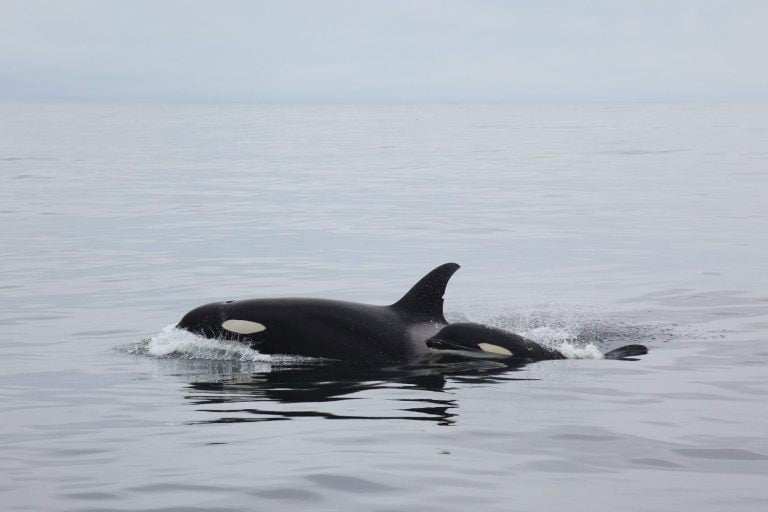
If an animal grows slowly, reproduces late, avoids predators, and lives in a stable environment, aging politely takes a back seat. That pattern is clear in a range of well-known long-lived animals, starting with the ocean quahog clam, which has been confirmed to live for more than 500 years. Among vertebrates, the Greenland shark follows, with estimated lifespans reaching several centuries, while the bowhead whale has been directly documented living beyond 200 years. Koi carp can also reach extraordinary ages, with rare individuals recorded at around two centuries.
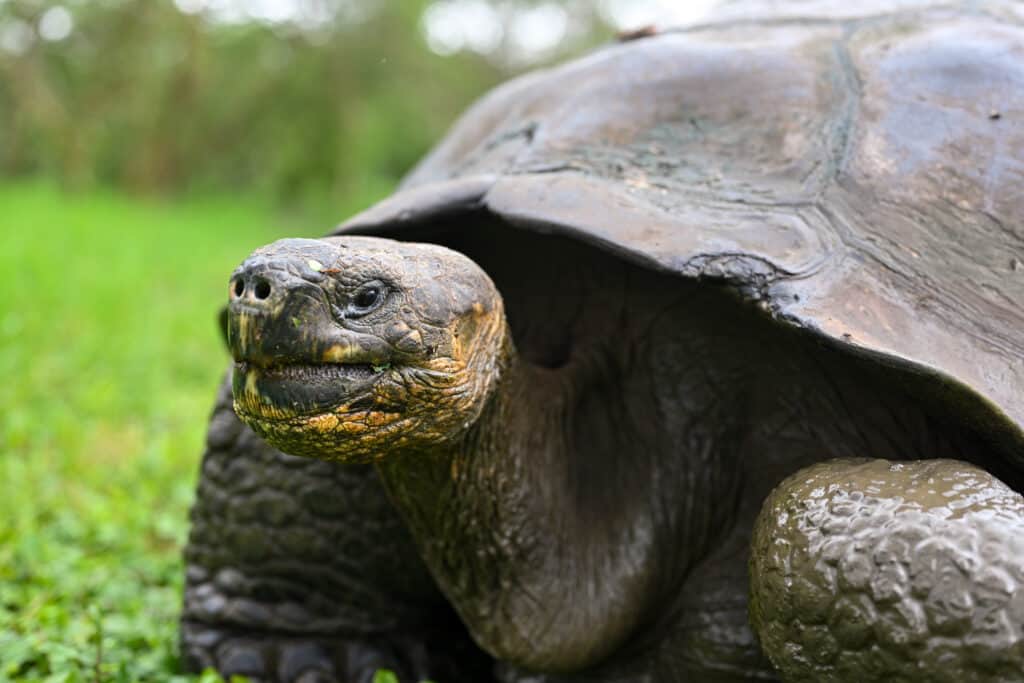
A Galápagos tortoise can easily live well over a century.
©Joseph Alexander Cruz/Shutterstock.com
On land, Galápagos tortoises commonly live 150 to 190 years, far exceeding the human maximum, while sea turtles such as green and leatherback turtles often survive for a century or more. Even some birds break the usual limits, with large parrots like macaws and cockatoos regularly living 80 to 100 years, showing that extreme longevity is not limited to the ocean but appears wherever life moves slowly and steadily.
What Aging Means in Animals
In biology, aging means the slow decline in how well the body works over time, which increases the risk of death. As cells age, they build up damage to DNA, proteins, and cell membranes. The body has repair systems to fix this damage, but those systems become less effective as the years pass. Damage can come from everyday processes like metabolism, as well as from sunlight, toxins, infections, or physical strain.

Grey hair is a sign of aging in some mammals.
©iStock.com/iamnoonmai
Over time, this gradual wear raises the chances of problems such as cancer, organ failure, or serious infections. Some animals show obvious signs of aging, like thinning fur or reduced strength, while others stay strong and youthful much longer. These differences make aging an important topic in comparative biology, where scientists study different species to understand why aging occurs rapidly in some and much more slowly in others.
Shorter Telomeres = Shorter Life
At the ends of chromosomes are structures called telomeres. These are short, repeating stretches of DNA that protect genetic material when cells divide. Each time a cell divides, its telomeres get a little shorter. When they become too short, the cell usually stops dividing or dies. Studies of many mammals and birds show that species with slower telomere shortening often live longer on average.
Damage to DNA is one factor in aging.
©Billion Photos/Shutterstock.com
Factors like stress, poor nutrition, and disease can speed up telomere loss, while stable and healthy conditions can slow it down. In some long-lived bird species, telomeres are maintained more effectively than in species with shorter lifespans. While telomeres do not explain every part of aging, they offer one of the strongest links between what happens inside cells and how long an organism lives.
Metabolic Rate and the Pace of Life
Metabolism includes all the chemical reactions that keep an animal alive, from fueling muscles to maintaining body temperature. Small animals such as mice burn energy quickly relative to their size. This high metabolic pace produces more reactive molecules that can damage cells.
Traditional ideas suggested that living fast leads to dying young, and broad comparisons across species support this trend. Larger animals with lower mass-specific metabolic rates often live longer. Still, the relationship is not simple. Within a species, individuals with higher metabolism do not always have shorter lives. Details such as how mitochondria manage energy and limit cellular damage also matter. Even so, overall metabolic pace remains an important influence on how quickly a species ages.
Body Size and Lifespan Patterns
Across mammals, body size is one of the strongest predictors of lifespan. Larger species tend to live longer than smaller ones, despite using more total energy each day. Large size can reduce the risk of predation and buffer animals against short-term environmental stress. This allows natural selection to favor slower growth, later reproduction, and longer life. Elephants and whales illustrate this pattern well, while tiny rodents rarely survive long. Larger mammals also tend to have slower heart rates and extended developmental periods. These traits fit a life strategy that focuses on survival and long-term investment rather than rapid reproduction, but such strategies only evolve where animals can reasonably expect to survive for many years.
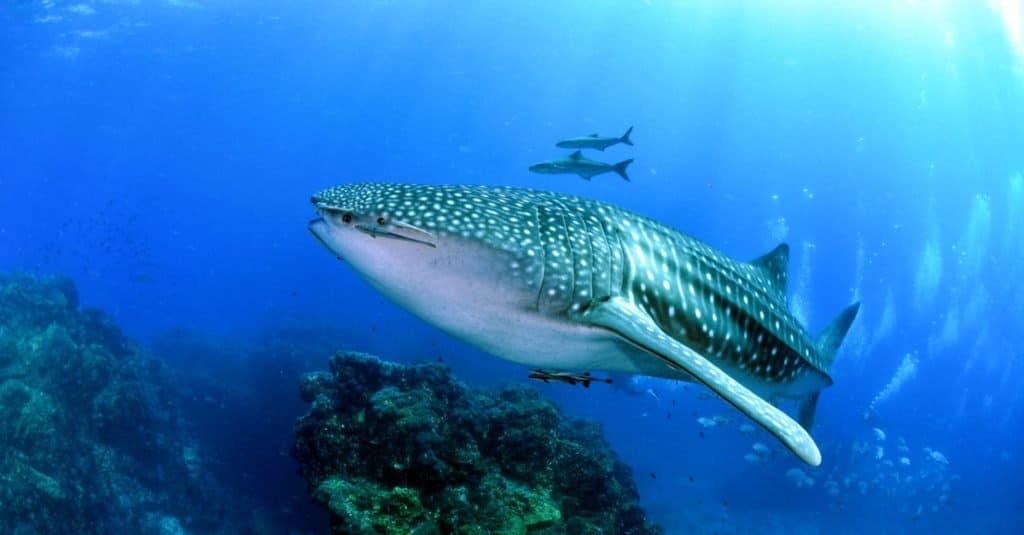
Whale sharks may live for over a century.
©weera bunnak/Shutterstock.com
Environment, Risk, and Survival
Genes are important, but the environment plays a major role in shaping lifespan. In the wild, predators, harsh weather, food shortages, and disease often kill animals long before aging becomes severe. When external risks are low, natural selection can favor slower aging and longer life. Island species with few predators often live longer than similar mainland species.
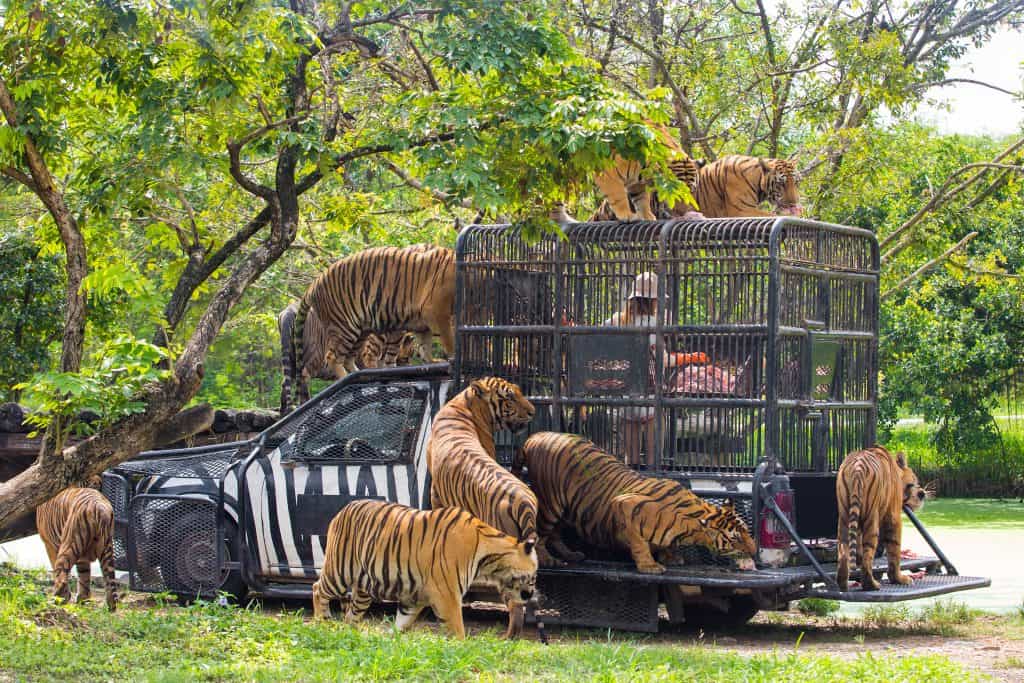
Animals raised in captivity often have much longer lifespans than wild animals.
©Sukpaiboonwat/Shutterstock.com
Animals in protected settings, such as zoos or sanctuaries, commonly outlive their wild counterparts due to steady food, medical care, and safety. Within a single species, individuals exposed to chronic stress or poor conditions may show faster biological aging, including shorter telomeres and altered gene activity. However, there are exceptions: elephants in captivity often have much shorter lifespans than those in the wild.
House Mouse: Life in the Fast Lane
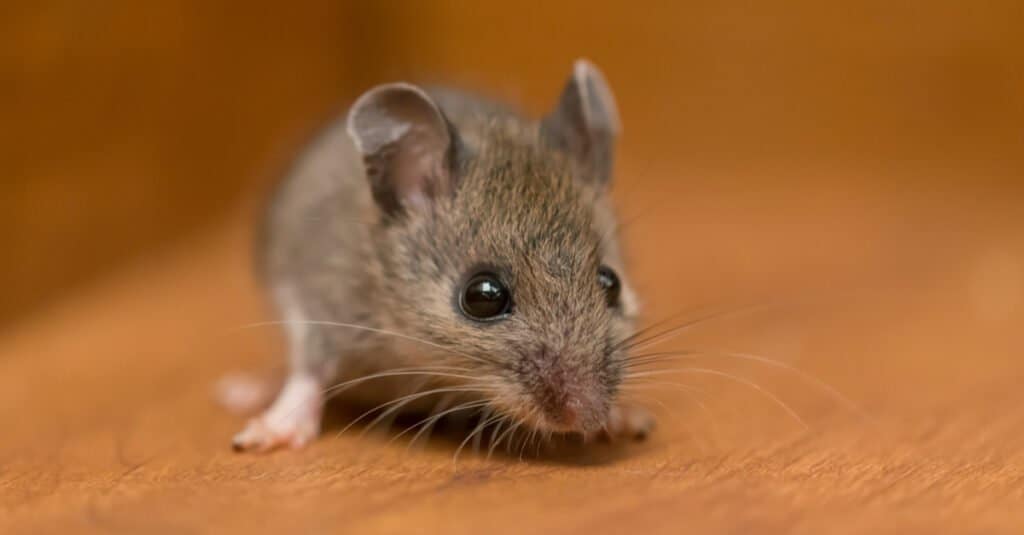
Mus musculus, the house mouse, usually lives only a year or so.
©MainelyPhotos/Shutterstock.com
The house mouse, Mus musculus, is a classic example of rapid aging. Mice are small, warm-blooded, and highly active, which requires constant energy use. In the wild, many mice die within a year due to predators or harsh conditions. In laboratory or pet settings, they often live two to three years. Mice reproduce early and have large litters, reflecting a strategy focused on quick reproduction rather than long survival. At the cellular level, mice show relatively rapid accumulation of damage and fast telomere shortening compared with longer-lived animals. Because their entire lifespan unfolds quickly, mice are widely used in aging research to test how genes, diet, and treatments influence the aging process.
Parrots and Extended Avian Lifespans
Parrots stand out among birds for their long lives. Many medium and large parrot species live several decades in captivity, and some individuals have reached ages well beyond 50 years. Records from zoos show that certain parrots remain fertile for many years and then continue living long after reproduction slows. Parrots tend to mature late and produce relatively few offspring each year. They also have large brains for their body size and complex social lives. Research suggests that these traits are linked with gene activity that supports DNA repair and controls inflammation. Together, these factors help explain how a bird weighing less than a kilogram can outlive many larger mammals.

This little girl could be a grandmother by the time this parrot reaches the end of its life.
©Alina Demidenko/Shutterstock.com
Bats and Unexpected Longevity
Bats challenge the idea that small mammals must have short lives. Some species weigh only a few grams yet can live more than 30 years. Several factors help explain this pattern. Many bats reproduce slowly and form stable social groups, which favors investment in survival rather than rapid reproduction.
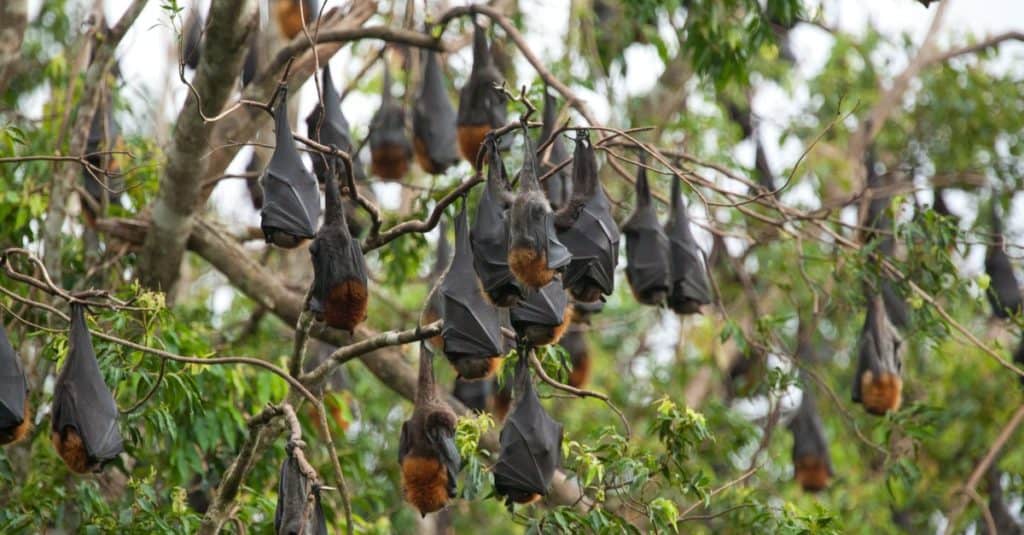
Living in colonies is a factor that helps bat survival.
©Janelle Lugge/Shutterstock.com
Flight reduces predation risk, allowing evolution to reward longer life. Studies also show that bats often have strong DNA repair systems and efficient ways of limiting cellular damage during metabolism. Their immune systems are specialized to tolerate viruses that would severely harm other mammals. These traits together allow bats to remain healthy far longer than expected for their size.
Elephants and Long-Term Maintenance
Elephants are among the longest-lived land mammals, with lifespans that can reach 60 years or more. Their large size and social herd structure reduce predation risk and support slow life histories. Elephants grow for many years, mature late, and reproduce over long periods.
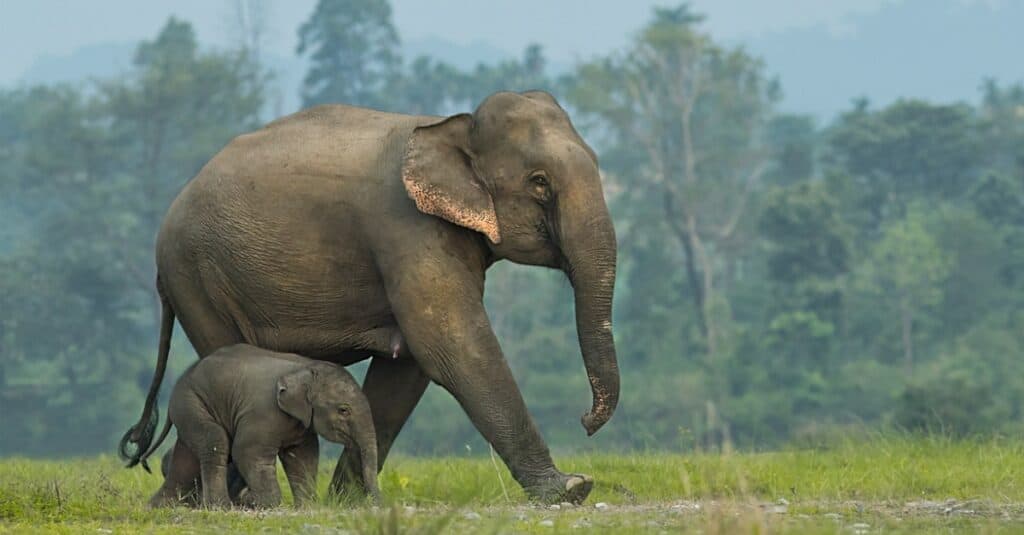
Elephants mature slowly and reproduce late.
©iStock.com/saha_avijan
One surprising finding is their relatively low rate of cancer, despite having many cells. Research indicates that elephants carry extra copies of certain genes involved in tumor suppression and DNA repair. These biological safeguards, along with a slower metabolic pace relative to size, help elephants maintain bodily function across many decades.
Tortoises and Extreme Longevity
Tortoises are well known for their long lives, with many species reaching 80 to 150 years. Their slow movement reflects a slow overall pace of life. Tortoises grow gradually, reproduce late, and may continue breeding at ages considered extreme in other animals. As ectotherms, they rely on environmental heat rather than internal energy to regulate body temperature. This lowers metabolic demands and reduces cellular wear. Their shells provide strong protection from predators, which lowers external death risk. Studies suggest that long-lived tortoises show low levels of age-related cellular damage and effective stress response systems.
Lessons for Human Aging
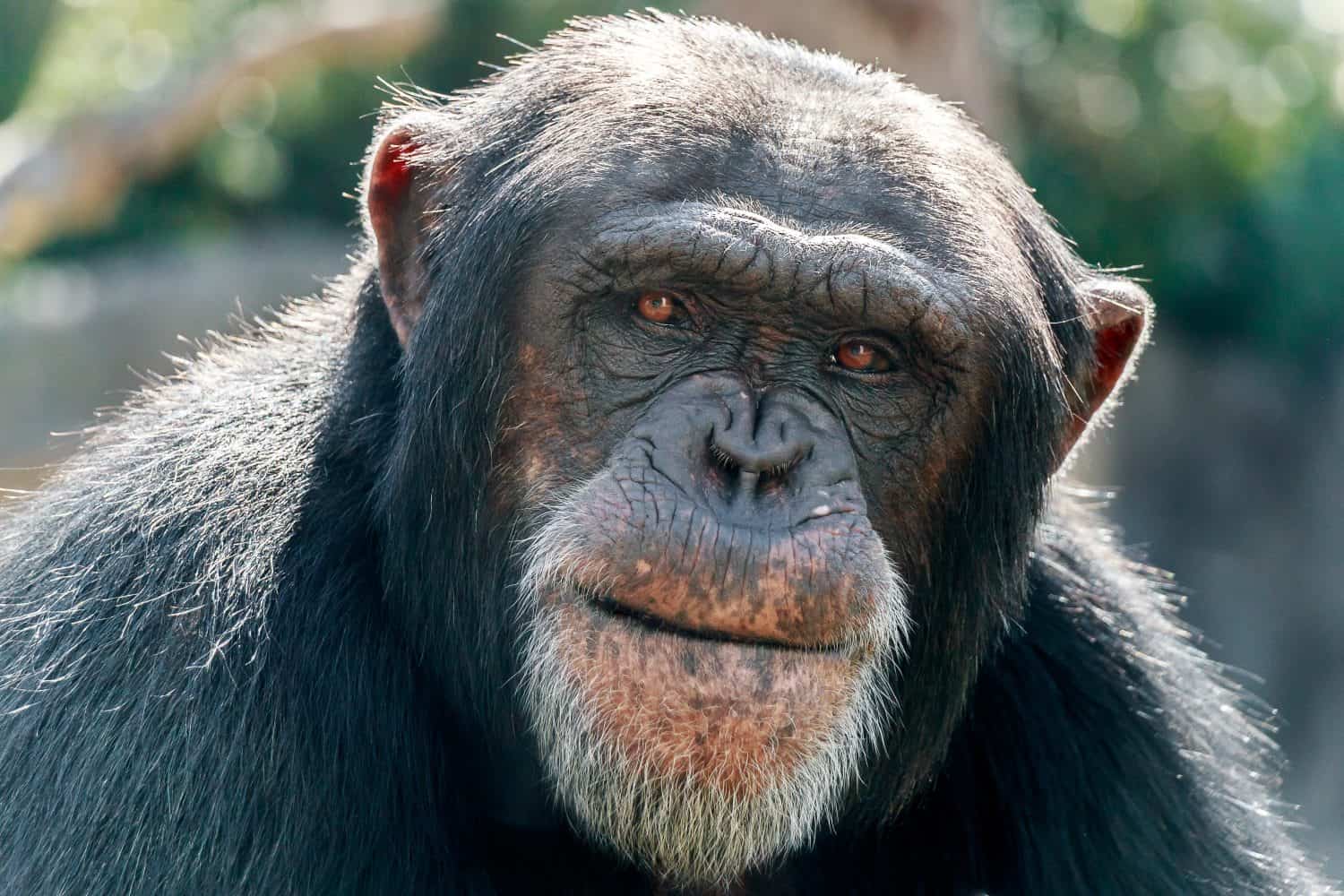
Humans are the longest-lived land mammal and live longer than most mammals of similar size. However, researchers believe there is much to learn from other species. Studies of telomeres, metabolism, diet, and gene regulation point to ways health and lifespan can improve within those limits. By comparing short-lived species such as mice with long-lived ones such as parrots, bats, elephants, and tortoises, scientists identify biological pathways that protect against decline. The aim is not immortality, but more years spent healthy, active, and independent.

At any given time, there are about a dozen or so supercentarians in the world: people who have reached age 110.
©Magomed Magomedagaev/Shutterstock.com
A Shared Puzzle Across Species
From fast-moving mice to century-old tortoises, animals reveal many strategies for surviving long enough to reproduce. Telomere behavior, metabolic pace, body size, environment, and evolutionary history all shape how quickly bodies age. No single factor explains everything, but together they account for much of the variation seen across the animal world. As research continues, these cross-species comparisons will keep offering clues about how aging works and how humans might slow its effects while maintaining quality of life.