
Quick Take
- Cats can experience complex emotions such as jealousy.
- Territorial behaviors in cats can complicate the dynamics of multi-cat households.
- Cat owners can help their feline friends develop healthier attachments and reduce territorial tendencies.
If you have a cat, you likely know just how unique their personalities can be. Some are cuddly and friendly, while others are more distant and colder. Regardless, we love them all just the same.
However, did you know that many cats are territorial? As a cat owner myself, I’m delighted by the idea that my cat might care enough about me to grow jealous over my attention. Though he lives in a single-cat home, he gets territorial when my loved ones visit.
Of course, in a multi-cat household, such territorial nature can create more pressing issues. Jealous cats can become aggressive, detached, or even anxious. To them, your attention and security mean safety and survival. This often makes other cats (or other pets in general) a threat to their wellbeing.
Looking to learn more about cat jealousy and territoriality? We spoke with a human-animal connection expert to understand how to support cats through these complex emotions.
Are Cats Jealous?
As it turns out, cats can be jealous, though this feeling likely stems from their territorial nature.
According to Philip Tedeschi, founder of the Institute for Human-Animal Connection and a human-animal connection expert with Rover, cats are often even more territorial than dogs; they interpret their territory as integral to their survival. That being said, their jealousy often stems from fear and survival instincts.
“This should make sense ethologically and evolutionarily because home turf equates to safety, familiarity, and predictability of resources, and resources mean survival and stability,” Tedeschi explains.
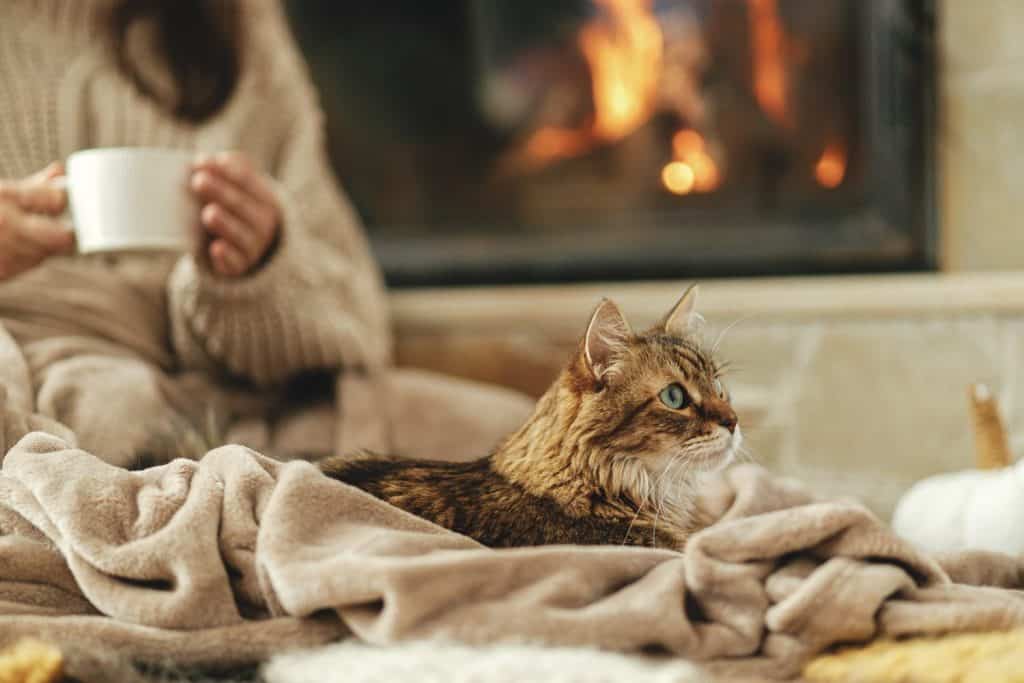
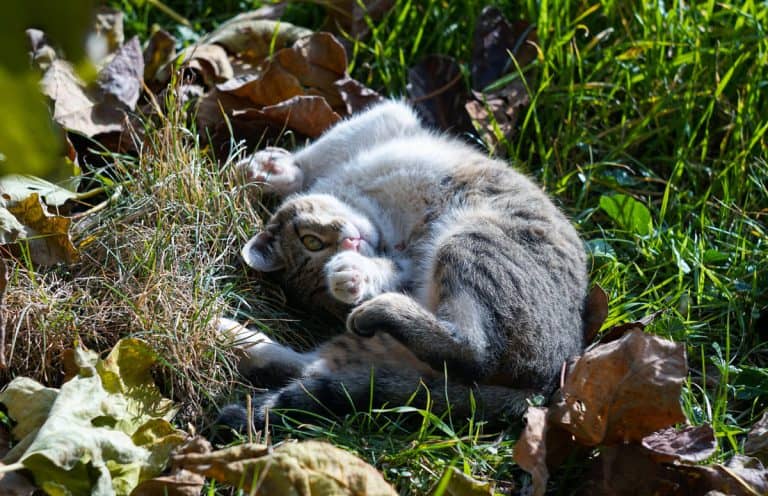
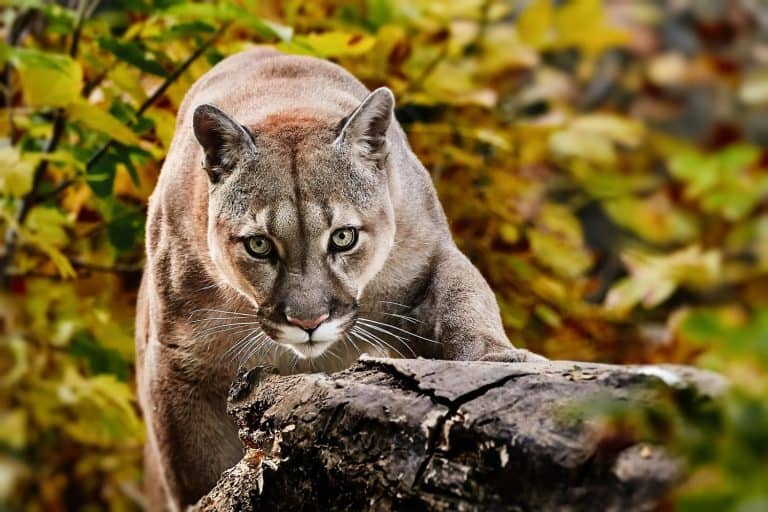
Contrary to popular belief, cats can be quite affectionate and attention-seeking.
©Bogdan Sonjachnyj/Shutterstock.com
Jealousy is a strong word, but cats often do show signs of envy. This is especially true in multi-cat households. Our furry friends might feel anxious or lonely when not receiving the same attention as their feline siblings.
“Cats and other animals have the capacity for complex thoughts and emotions, form attachments, have opinions, and can be highly motivated defenders and protectors who may view your lap as their favorite place and don’t want to share,” Tedeschi explains.
How Does Jealousy Show Up In Cats?
When evaluating jealousy in your cat(s), Tedeschi recommends looking out for evolutionary cues. These include “blocking access to resources (hallway toll collection), redirected aggression (hissing because they want to make a point or set an expectation), and competitive affiliate-seeking (wedging themselves between you and your partners, other competitors, including but not limited to your remote control and phone).”
“They may demonstrate shyness, hesitancy, aggressive or competitive behavior at any new presence,” he adds.
Additionally, cats might even feel anxious when surrounded by other felines. This can manifest as attention-seeking behaviors, like fighting for your time or affection. Some cats become more vocal (e.g. frequent meowing, howling, or hissing) when feeling threatened by another’s presence.
In general, [avoid] creating a need for competition of special locations, resources, and attention.
Philip Tedeschi, founder of the Institute for Human-Animal Connection
Helping Cats Adjust to Multi-Cat Households
Jealousy between cats can negatively impact the dynamic of multi-cat households, triggering aggression and anxiety among felines.
“Group dynamics can be complicated for people and non-human animals, including cats,” says Tedeschi. “Because felines normatively tend to live in [a] more individualized manner, proximity and space hold significance. You may observe all kinds of behaviors that hold meaning, but unless you are paying careful attention, [they] can be missed or misunderstood.”
Some examples of such behaviors include spatial and status signaling, distance-increasing and decreasing, etc. It’s important to pick up on these signs and address them immediately.
“If you place yourself in your cat’s paws, figuring out what their interests, priorities, and preferences are can help,” Tedeschi says.
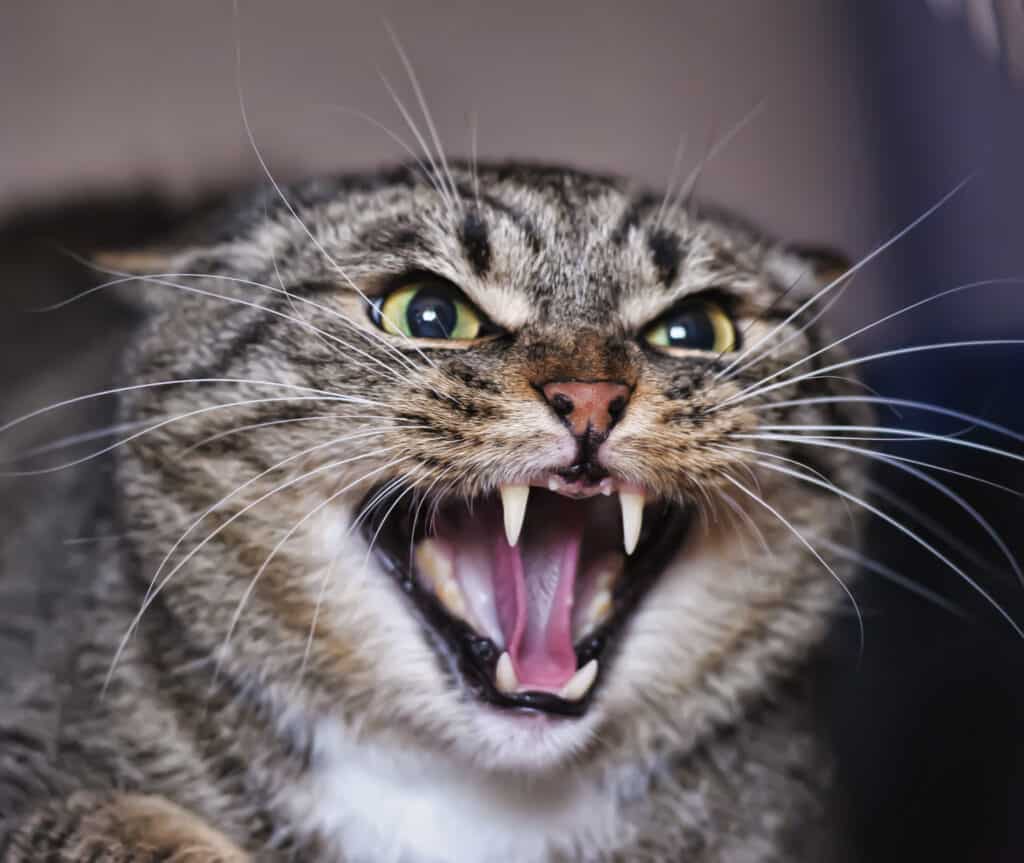
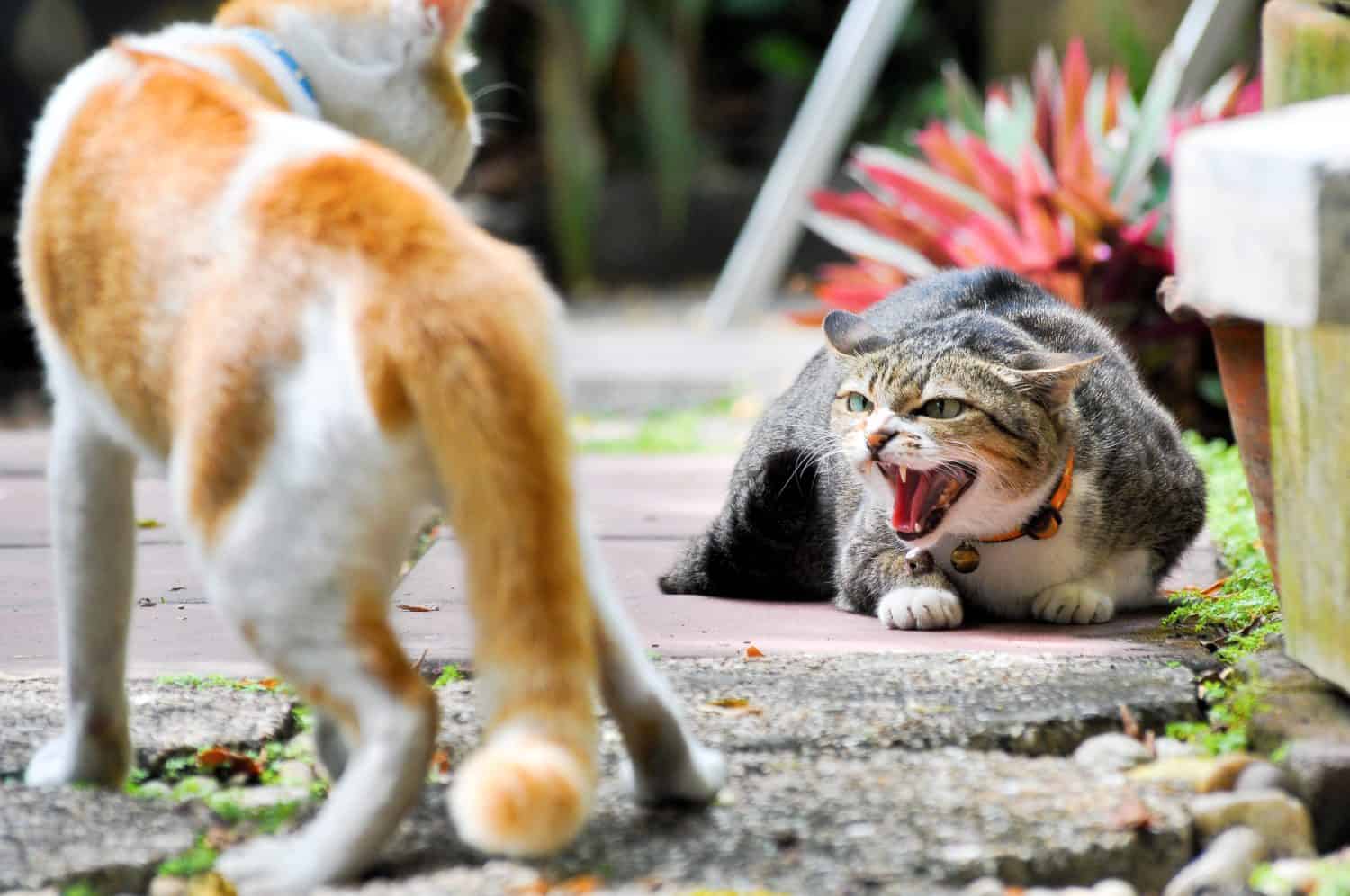
Many cats will become vocal or hiss at other cats or pets in their home.
©Anna Krivitskaya/Shutterstock.com
He recommends increasing “resource and geographical dispersion.” In other words, create multiple food stations, water sources, and litter zones so your cats aren’t overwhelmed in one location. This ensures they’re not competing for basic resources.
Additionally, Tedeschi says, “provide vertical, subterranean, and alternative escape routes.”
“In general, [avoid] creating a need for competition of special locations, resources, and attention,” he says. “In the end, like in all relationships that are harmonious, cats and other animals have to decide to compromise, take time to understand the shared agreements and rules, and take the time to work out a social structure.”
Of course, the most important part is supporting your cat through the process. Don’t punish them for their jealousy or territoriality. Rather, find ways to comfort them through the transition.
“Sometimes they need help, and even intervention, if there is a risk of serious harm,” he says. “Peace and coexistence [are] a process.”