
When most people think about bringing home a new pet, they picture a cute little puppy or tiny kitten in their lap. However, there’s a special kind of magic in adopting an older dog or cat — a senior pet. These seasoned companions have a calm, loving presence and a quiet gratitude that can melt your heart in an instant.
November is both National Senior Pet Month and Adopt a Senior Pet Month, a time to celebrate these wonderful, gray-muzzled friends. Yet despite our pets living longer, healthier lives thanks to modern veterinary care, senior animals are still frequently overlooked in shelters. And that is truly a shame — because senior pets have so much to offer!
To learn more about why older pets make such incredible companions, A-Z Animals spoke with Seth Schilling, founder of the Golden Bark Foundation (GBF) — an organization dedicated to rescuing and rehoming senior dogs, and helping others see why caring for these special pets brings one so much joy in return.
How the Golden Bark Foundation Got Its Start

Seth Schilling is the founder and executive director of the Golden Bark Foundation.
©Photo courtesy of Seth Schilling, founder and executive director of the Golden Bark Foundation
The Golden Bark Foundation was born from the love and lessons of two very special dogs: Sadie and Harvey. In 2015, founder Seth Schilling and her partner adopted Sadie, a 13-year-old Schnauzer. “Caring for an aging dog was something entirely new for us — we learned so much from her,” Seth recalls. “The joy, laughter, tears, and heartache were all worth it just to have her as part of our family.”
Two weeks after Sadie passed away in 2018, the couple adopted another senior dog — a 10-year-old Schnauzer mix named Harvey. Today, both Sadie and Harvey appear on the Golden Bark Foundation’s logo as a tribute to the dogs who inspired its mission.
“Thanks to these wonderful seniors, we recognized the need for a senior-focused rescue in our state,” Seth explains. “In 2022, we began this journey to give senior dogs the second chance they so deeply deserve.”
Based in Utah, the Golden Bark Foundation is a foster-based rescue dedicated to giving senior dogs a second chance at happiness. Focused on dogs seven years and older, the foundation provides comfort, care, and companionship, guided by a simple mission: “Every dog deserves a loving home to live out their golden years, no matter how many days, months, or years they have left.”
Why Senior Pets Make the Best Companions
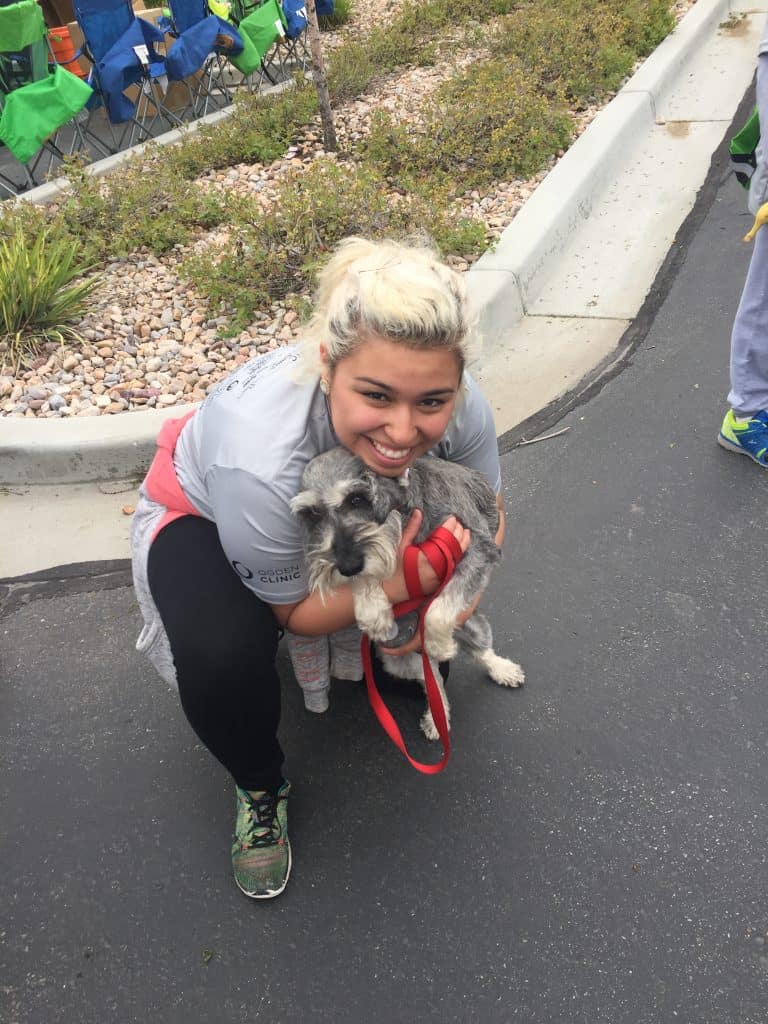
Seth Schilling initially found Sadie through social media, and after adopting her, decided she would only adopt senior dogs in the future.
©Photo courtesy of Seth Schilling, founder and executive director of the Golden Bark Foundation
Senior pets truly are special. Many senior pets are already house-trained, their personalities are fully formed, and their energy levels often make them perfect for cozy evenings on the couch. “They have this calm, grounding presence that makes your home feel at peace,” says Seth. In their later years, dogs and cats may move a bit slower and need extra care, but their gratitude and affection are unmistakable.
“What makes them such wonderful companions is their gratitude,” Seth explains. “They don’t take a soft bed, a warm meal, or a kind touch for granted. There’s something incredibly moving about the way a senior dog looks at you with that deep, knowing appreciation.”
Golden Bark Foundation board member Nathanial Schilling agrees. “You can feel the gratitude in a rescue senior,” he says. “They’ve been through so much to require rehoming at their age, and they show real love to anyone willing to give them stability.”
Each senior pet has a unique personality and plenty of love left to give. Some still have a playful spark, while others are happiest simply curling up beside you. Senior pets are experts at helping us slow down and appreciate the moment. Whether it’s quiet companionship or gentle play, the bond is deeply rewarding. “Being there for them and caring for them in this stage of life is such an honor,” Seth says. “The joy they bring, the peace they teach, and the quiet moments you share — that’s what stays with you.”
Common Misconceptions About Senior Pets

Harvey appears alongside Sadie on the Golden Bark Foundation’s logo.
©Photo courtesy of Seth Schilling, founder and executive director of the Golden Bark Foundation
One of the most common things volunteers at the Golden Bark Foundation hear when it comes to adopting senior animals is, “They’re just going to die.” While it’s true that older pets may have fewer years ahead than a puppy or kitten, their time is no less meaningful — or full of love.
“Many people fear their time with a senior pet will be short,” says Allison Dinsmore, a Golden Bark Foundation board member. “But what matters most isn’t how long you have together — it’s how deeply you love and care for them during that time. Even a few good years can change both of your lives in wonderful ways. Senior dogs still have so much love to give.”
Seth echoes that sentiment, reminding people that every gray-muzzled dog was once a beloved puppy. “People forget that senior dogs were once puppies too,” she says. “They’ve lived full lives and still deserve love and comfort just like they did when they were young.” Just because a senior pet is in a shelter doesn’t mean anything is wrong with them. Many of these animals end up in shelters through no fault of their own — often because their owners moved, could no longer care for them, or passed away.
Sadly, many senior pets find themselves in shelters after losing the families who once adored them. These sweet animals were once the puppies their humans couldn’t imagine living without, and now they wait for someone new to see their true worth. Seth reaffirms, “Giving them the chance to be seen, cared for, and cherished again is one of the most meaningful things you can do.” When you adopt a senior pet, you’re not just gaining a wonderful companion — you’re giving a loyal animal the loving home they deserve.
What to Consider When Adopting a Senior Pet
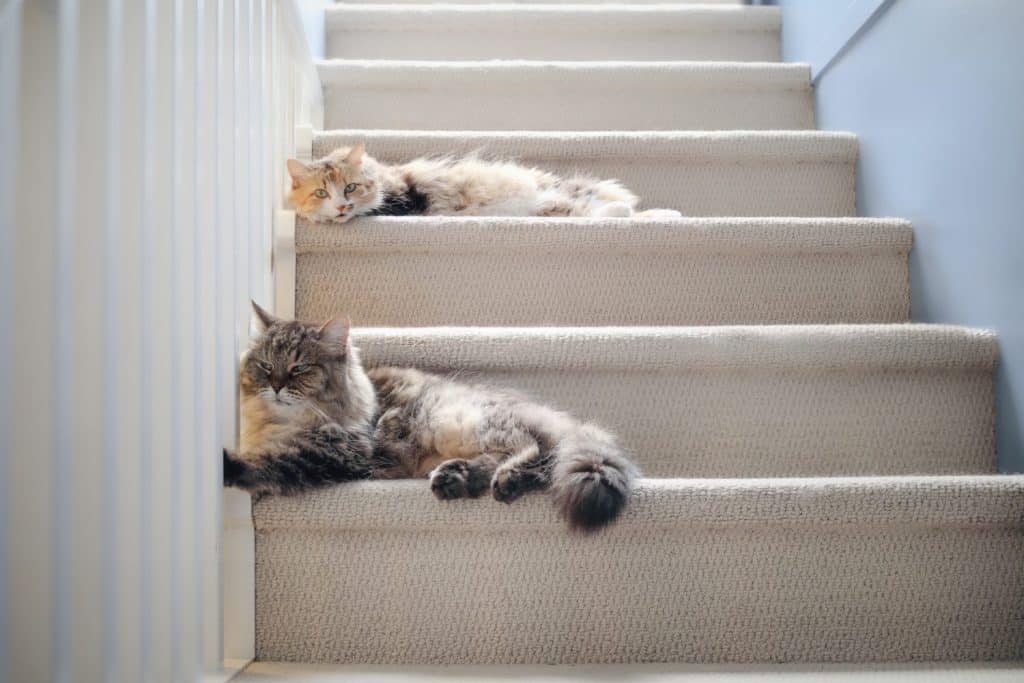
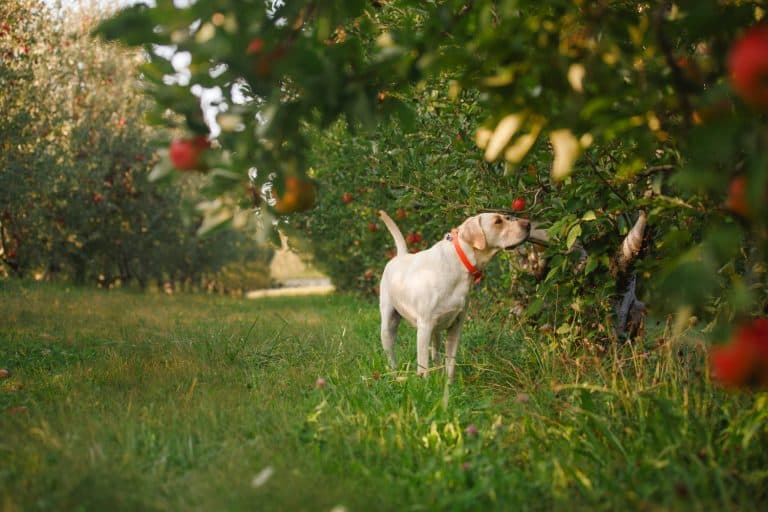
Many senior pets are full of energy and ready for adventure, while others enjoy a slower pace with lots of cozy naps.
©sophiecat/Shutterstock.com
Just like adopting a puppy, bringing home a senior pet takes some preparation. It’s important to consider your lifestyle and your ability to meet an older animal’s health and physical needs. Regular veterinary care is essential — routine checkups, blood work, and supplements like glucosamine can all help improve a senior pet’s quality and even length of life.
The Golden Bark Foundation also encourages adopters to follow the 3-3-3 Rule: three days for adjustment, three weeks to establish structure and routine, and three months for bonds to truly form. “Some senior pets take a little more effort sometimes, but they make every bit of it worthwhile,” says board member Nathanial Schilling.
While puppies are full of energy and excitement, they also require a lot of time and training — which is great for some lifestyles, but not for everyone. Older pets, on the other hand, are often already house-trained, calmer, and ready to settle into a peaceful routine. They no longer feel the need to chew up furniture or shoes, and lack the destructive tendencies of younger pups. “Yes, there might be more vet visits, gray hairs, and slower walks,” adds Dinsmore. “But there’s also gratitude in their eyes — and the joy of knowing you made their last chapter their best one.”
They don’t take a soft bed, a warm meal, or a kind touch for granted. There’s something incredibly moving about the way a senior dog looks at you with that deep, knowing appreciation.
Seth Schilling, founder of the Golden Bark Foundation (GBF)
How You Can Help Older Pets
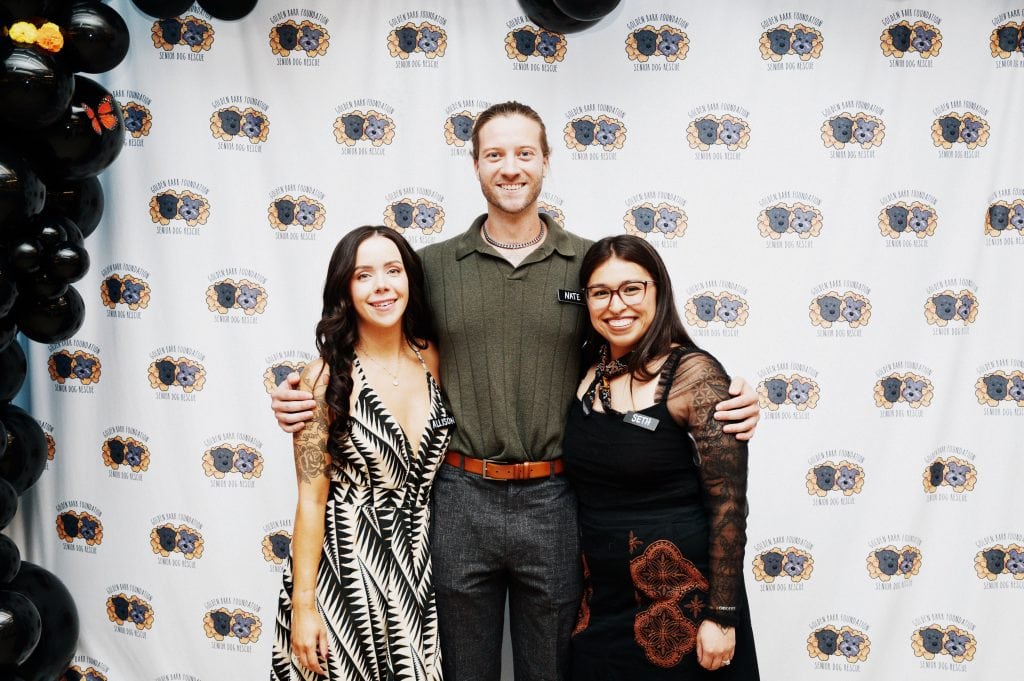
Allison Dinsmore, Nathanial Schilling, and Seth Schilling all serve on the board for the Golden Bark Foundation.
©Photo courtesy of Seth Schilling, founder and executive director of the Golden Bark Foundation
Even if you’re not ready to adopt, there are plenty of ways to support senior animals. Volunteering, fostering, donating, helping with transportation, or simply following rescue organizations online can all make a real difference. Every small action helps these pets get the care and attention they need and gives them a better chance of finding a loving home.
Adopting a senior pet also frees up space in shelters for other animals in need. “Every dog deserves a loving home to live out their golden years,” emphasizes Dinsmore, reminding us that age does not diminish a pet’s capacity for love.
And of course, caring for the pets you already have matters just as much! Regular veterinary checkups, especially as pets age, can catch health issues early, helping them stay happy, healthy, and comfortable in their later years.
A Senior Dog’s Second Chance
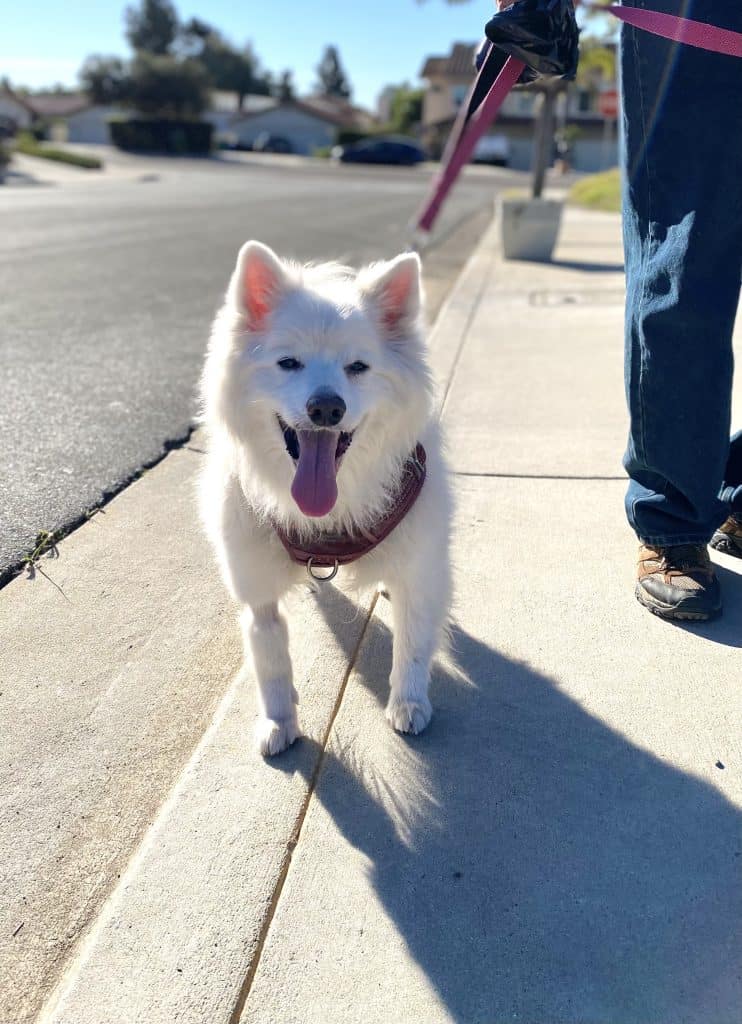
Buck’s family drove all the way from Southern California to Utah to bring him home.
©Photo courtesy of Seth Schilling, founder and executive director of the Golden Bark Foundation
The Golden Bark Foundation has countless stories of senior pets thriving in their new homes. One such success is Buck (formerly known as Tacho), who was rescued alongside two other seniors in rough shape. The dogs were dirty with matted coats and in desperate need of medical care.
“Buck was afraid of everyone,” recalls Seth. “He was nervous, wouldn’t eat, and would run to another room if you got too close. But with time, patience, and care, he slowly began to come out of his shell.”
Soon enough, a family from Southern California was on their way to Utah to adopt Buck. Today, Buck enjoys a very happy retirement, living with other dogs and even helping care for foster dogs in need. “Buck is such a wonderful example of how resilient dogs are,” Seth says. “They’re not worried about the past — they thrive in the moment, soaking up love, adventure, and the comfort of a home they can call their own.”
Buck’s story is just one of the 89 senior dogs the Golden Bark Foundation has helped so far, each finding a second chance at the love and life they deserve.
Why Loving a Senior Pet Is So Rewarding
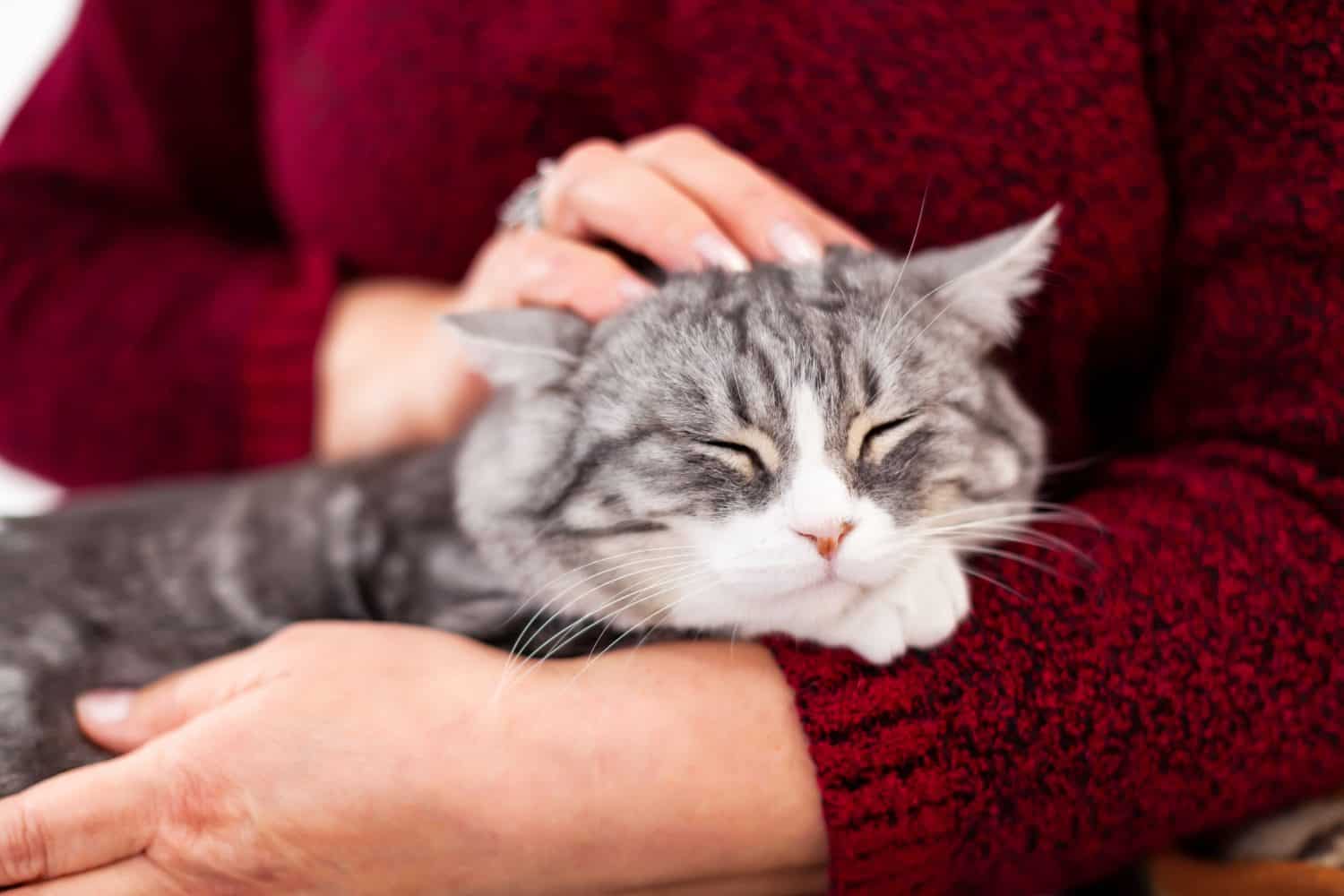
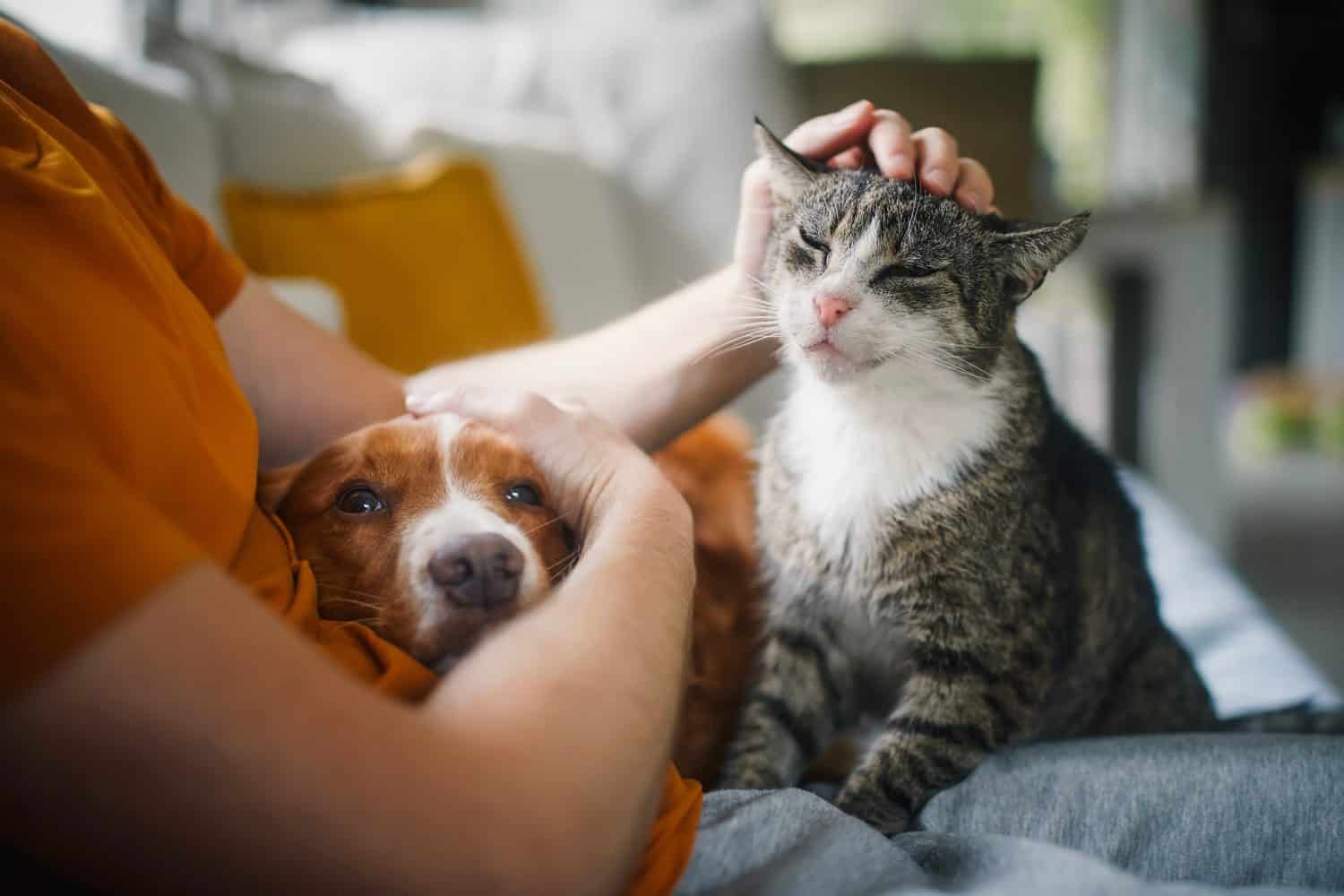
Older pets often enjoy spending time with their human family members.
©EkaterinaShcherbakova/Shutterstock.com
Senior pets offer a special kind of love — pure, unconditional, and deeply rewarding. They may have fewer years ahead, but the abundance of gratitude and affection they share is endless. Whether you adopt, foster, or support senior animals in your own way, the impact is profound. “Don’t be afraid to love a senior pet! Even if the time is short, the love you share will last forever,” reminds Dinsmore.
Older dogs and cats are too often overlooked, yet they have so much to give. By opening your home and heart to a senior pet, you’re giving an aging animal the chance to enjoy their golden years — and in return, they’ll bring you joy, teach you patience, and shower you with unconditional love. “They may be older,” says Seth. “But their love is as pure and unconditional as ever.” In the end, the quality of love matters far more than the length of time.