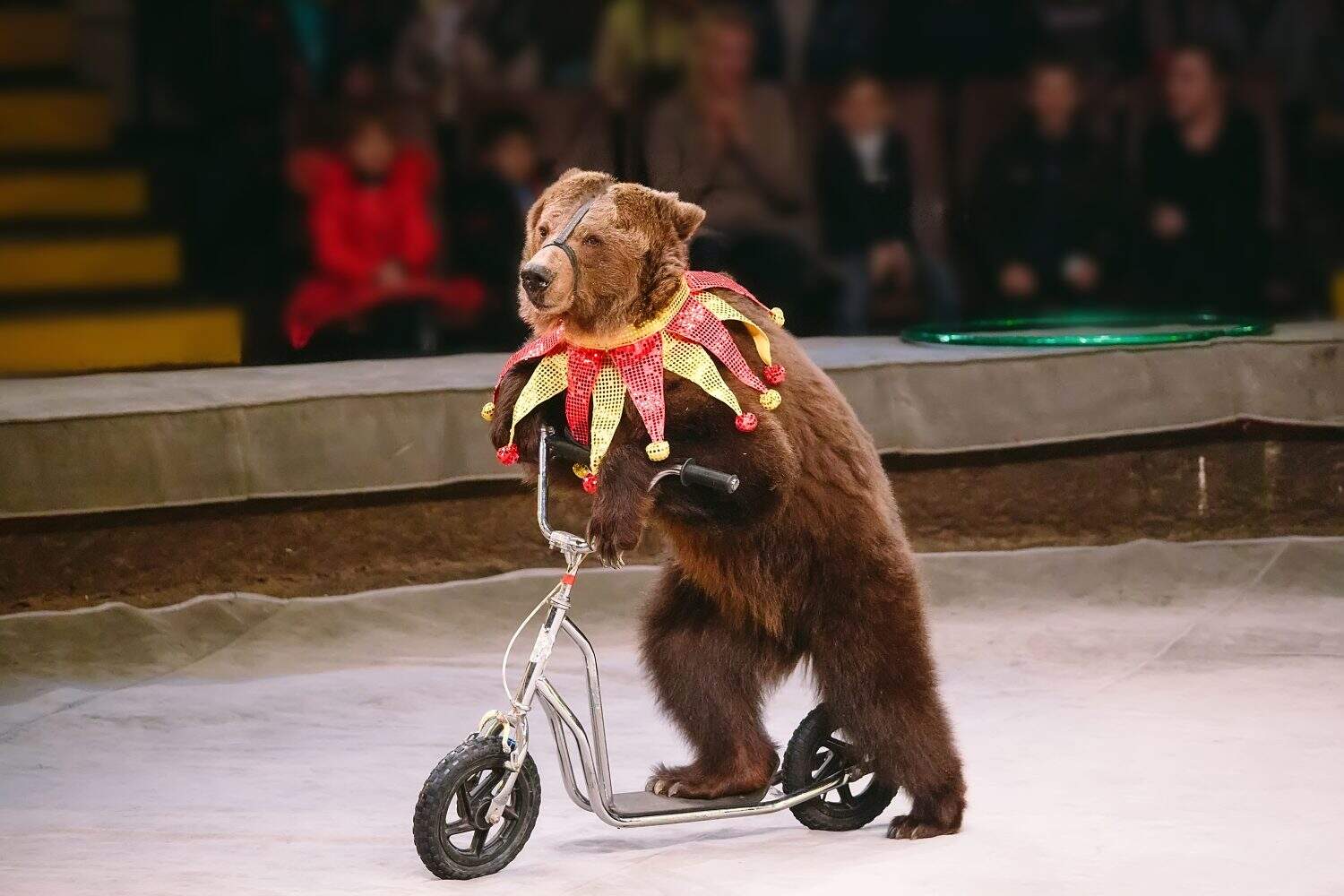

Technology has made amazing advances over the years, allowing for changes in different aspects of life. One of the most significant ways technology has been beneficial is in animal welfare. While most of us recognize that technology is great for conservation and healthcare for animals, it has proven useful in surprising places, such as in circuses. This Instagram post by @pubity explains how the German circus Circus Roncalli replaced its live animals with 3D holograms for the purpose of animal welfare.
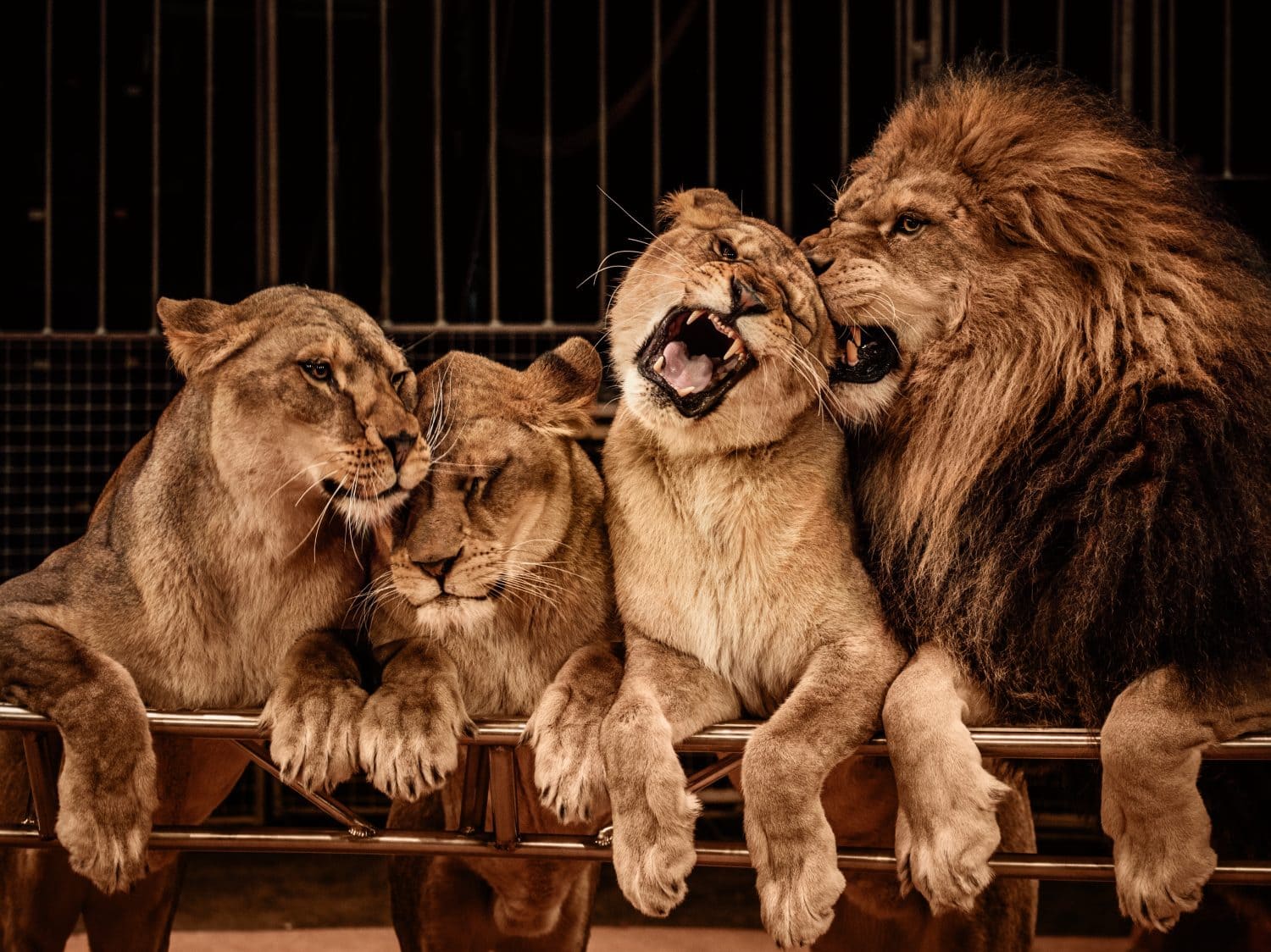
©Nejron Photo/Shutterstock.com
Circus Roncalli
Circus Roncalli was started in 1976 by Bernhard Paul and André Heller in Germany. Just like any other circus, their performers excel in acrobatics and visual spectacles. Also, like other circuses, they used live animals in their performances. As the years progressed, the topic of animal welfare became more widespread throughout society, influencing the circus. Constant traveling, small spaces, and concerns about animal cruelty forced circus officials to reconsider their stance on animal performances. After careful consideration, the circus ultimately decided in 1991 to remove elephants and lions from its performances. In 2018, they completely removed all live animals. To adapt to this change, the circus began using 3D holograms and projections of animals.
To achieve this, Circus Roncalli uses 11 laser projectors mounted on the ceiling. A subtle mesh netting, which surrounds the arena, is difficult to see when the lights are out. The lasers project images of animals onto the net, creating realistic visuals. They often display elephants, horses, and birds. This not only eliminates the need for live animals in circus acts but also gives the directors greater creative freedom. Without worrying about the logistics of using live animals, the directors are free to project whatever they like onto the screen. While this may lack the authenticity of traditional circuses, it gives audience members peace of mind knowing that no animals are being mistreated for entertainment purposes.
Ethical Innovation
Many see Circus Roncalli’s changes as ethical innovation. The use of real animals for human entertainment has been a major topic of discussion for years, with animal activists frequently calling out circuses for their mistreatment of wild animals. Using holograms allows for entertainment without mistreatment. Since transportation and housing on the road are grueling for animals, their removal from circuses prevents their suffering. Circus Roncalli has set a precedent for other circuses, proving it is possible to keep audiences entertained without harming animals. Hopefully, other circuses will soon follow in their footsteps.