
Quick Take
- 20 million tourists visiting Kerala alone are driving overtourism that endangers galaxy frogs in the Western Ghats.
- galaxy frogs absorb water, oxygen, and toxins through their skin, so contact with people and substances like lotions, sanitizers, makeup, and sunscreen can be fatal.
- galaxy frogs are not poisonous despite their starry coloring.
- Read on to discover the enforcement gaps in the Wildlife (Protection) Act of 1972 that could curb photo-tourism and protect the galaxy frogs.
For a wildlife photographer, there is nothing more thrilling than nailing the perfect shot. When the sunlight filters through the trees just right, and an animal remains still for just long enough, it’s a rush. Looking through the viewfinder and seeing a perfectly posed animal feels like magic. When that shutter clicks, it’s as if a moment in time has been immortalized forever. Many photographers chase this high, but many also forget that every action has an equal and opposite reaction. Sadly, for some animals, this reaction negatively affects their quality of life. For endangered species, such as India’s galaxy frogs, the damage is not easily reversed.

Galaxy Frogs Are Already Endangered
Galaxy frogs (Melanobatrachus indicus) are native only to India, specifically in the Southern Western Ghats. This area is covered in lush evergreen forests that provide plenty of nooks and crannies for the frogs to hide in. Like most amphibians, galaxy frogs prefer damp, humid environments. They absorb water and oxygen through their skin, so moist air is a must for this species. Unfortunately, this is also why their lives are so fragile. These delicate frogs are vulnerable to touch and light, further increasing their endangered status.
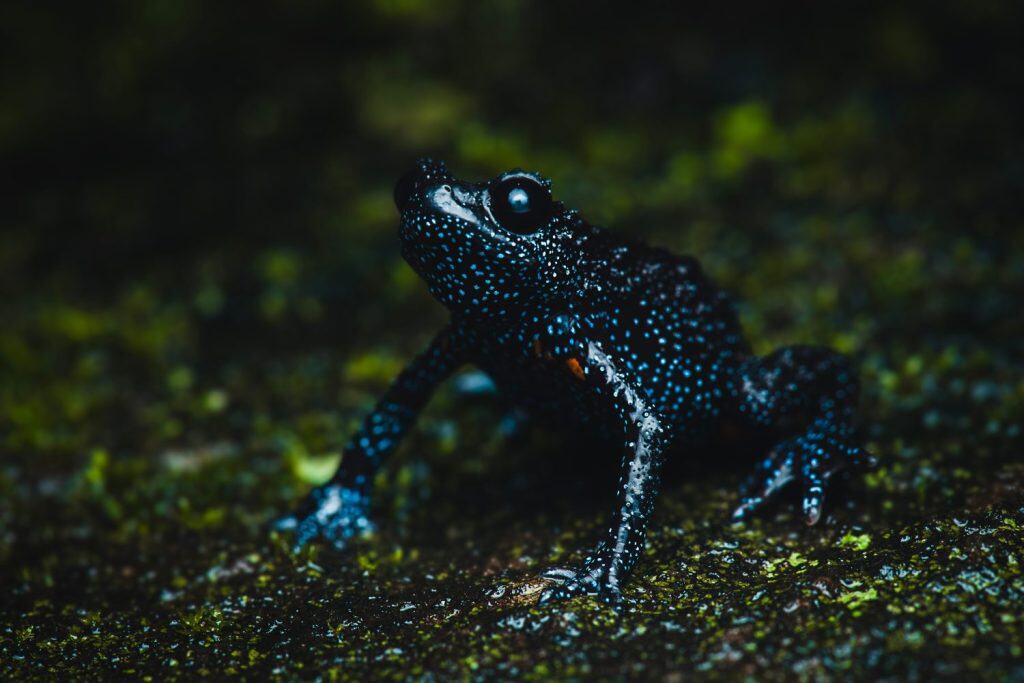
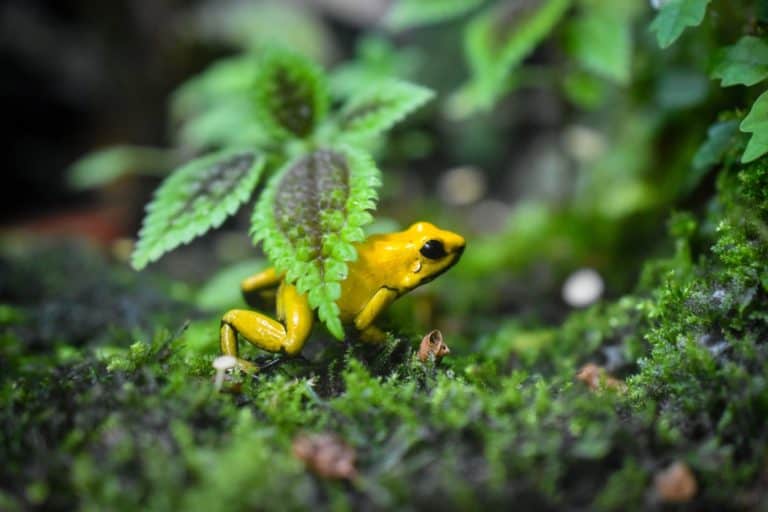
Galaxy frogs absorb oxygen, water, and toxins through their skin, which is why they thrive in damp environments such as the Western Ghats.
©Anuradha Marwah/Shutterstock.com
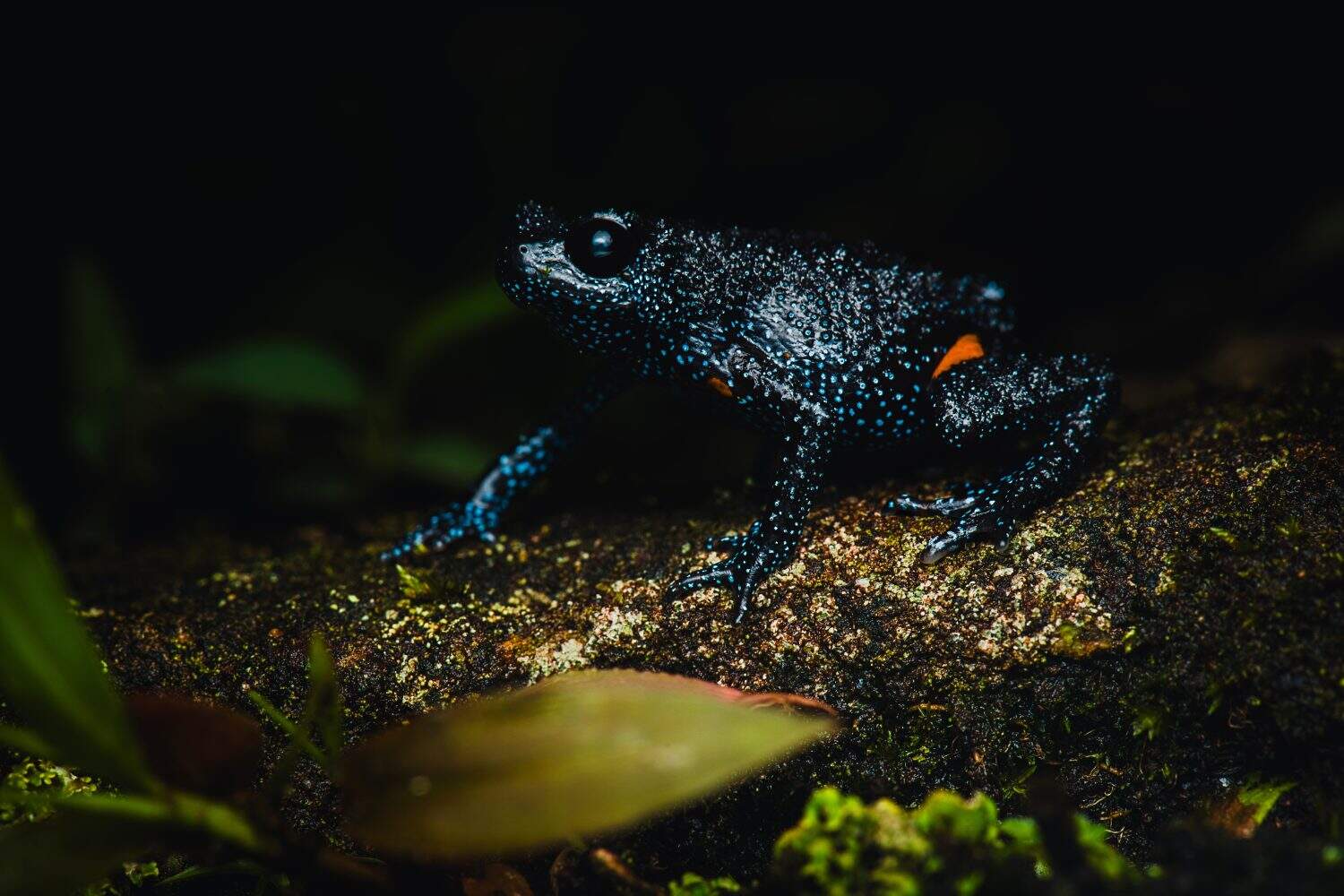
Through no fault of their own, galaxy frogs attract plenty of attention. This contradicts their nature, which is typically elusive. Their dark coloring ranges from black to bright blue, with neon orange underbellies. The scattering of white or pale spots along their backs gives the appearance of a starry night sky. This helps the frogs camouflage themselves, particularly at night, but also makes them sought after by photographers.
Overtourism is a significant threat to galaxy frogs. Their unique coloring, which, as their name implies, resembles a galaxy in the night sky, attracts photographers and tourists from around the world. As more people flock to Kerala and Tamil Nadu, their environment becomes overrun with human activity. Human touch forces toxins and outside bacteria into their skin, polluting the air and water they take in. This causes unnecessary stress, shortening the frogs’ lifespans. The cycle continues, sadly, as more galaxy frogs disappear from India’s beautiful evergreen forests.
How Does Wildlife Photography Impact Galaxy Frogs?
Wildlife photography is particularly invasive to the frog’s habitats. Not only does wildlife photography require getting up close to the frogs, but many photographers also ignore restricted areas. Photographers have reportedly been ignoring their sanctuaries for the sake of the shot, causing irreparable damage.
Galaxy frogs are not poisonous despite their unique coloring, which often leads tourists to handle them without caution. Handling them disrupts the balance within their bodies and can also introduce foreign substances, like hand creams, lotions, sanitizers, makeup, and sunscreen, which can be fatal for the frog. Despite warnings not to pick up or touch the frogs, many choose not to listen. As a result, many frogs have become sick or died after being handled without gloves.
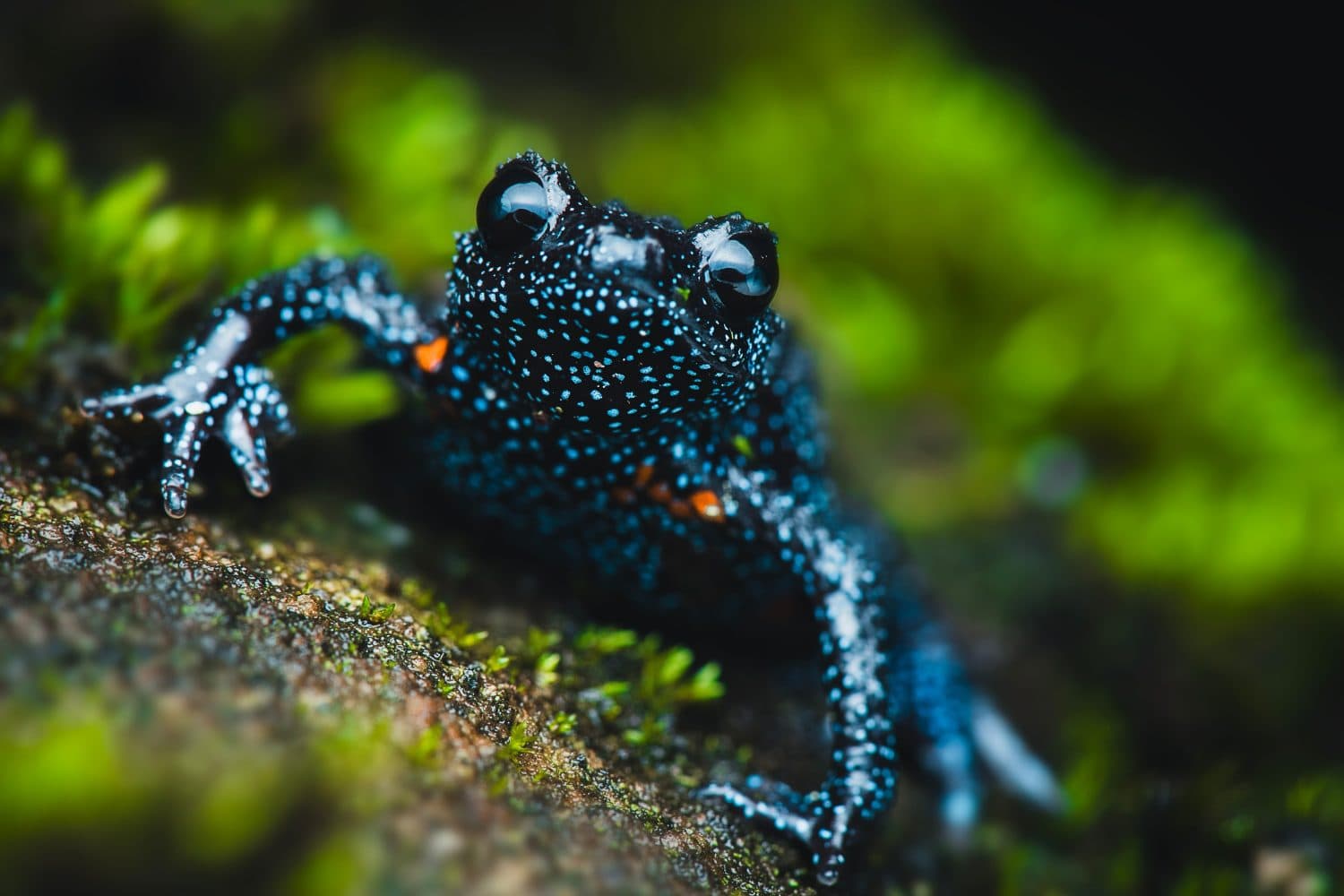
Despite their bright coloring, galaxy frogs are not poisonous like some others.
©shivaram subramaniam/Shutterstock.com
Galaxy frogs are also extremely sensitive to light. As a nocturnal species, they move under the cover of darkness. This makes them elusive during the day, causing a two-fold problem for tourists. The first is that tourists turn over leaves, rocks, and logs in a desperate search to find the frogs. The second is that photographing them at night without a camera flash is practically impossible. Therefore, India’s galaxy frogs are at risk of losing their shelter and are also stressed and dehydrated due to exposure to artificial light. Both of these factors are evidence that galaxy frogs are facing a severe decline due to wildlife photography and general human activity.
The Western Ghats Are in Trouble
Galaxy frogs aren’t the only endangered species living in India’s Western Ghats. The region is a biodiversity hotspot, meaning it hosts an extraordinary range of wildlife. Species such as the gaur (Bos gaurus), Asian elephant, and Nilgiri tahr all call these forests home. The lion-tailed macaque, Nilgiri tahr, and Asian elephant are listed as Endangered. The gaur is classified as Vulnerable, and the Malabar large-spotted civet is Critically Endangered. Sadly, the galaxy frog is not the only endangered amphibian living in these forests. The Indian purple frog is also threatened.
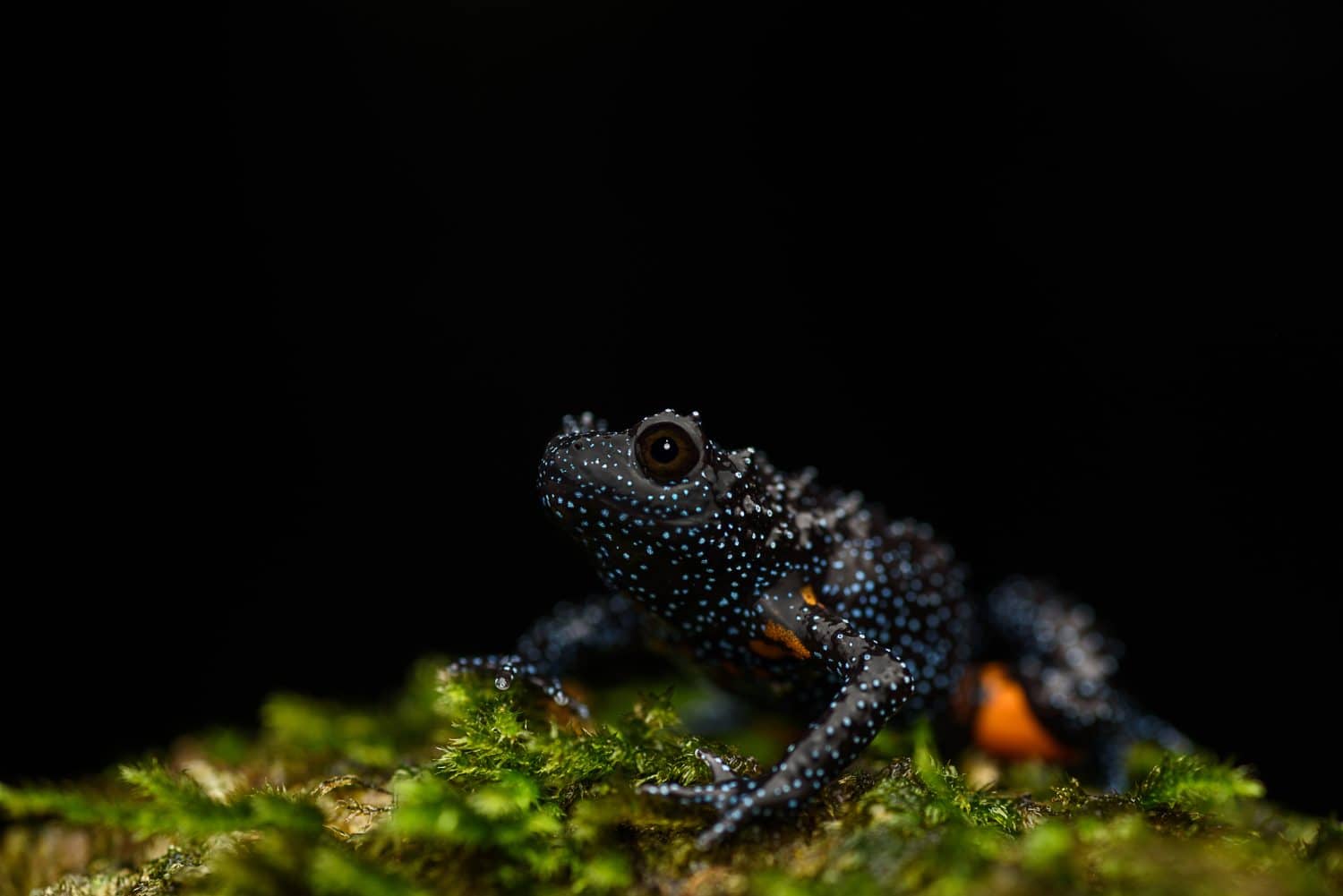
Galaxy frogs are extremely sensitive to light, such as camera flashes, which can dehydrate them.
©Salish Menachery/Shutterstock.com
With approximately 20 million tourists visiting Kerala alone, the Western Ghats experience significant human activity. It is difficult to strike a balance between promoting tourism and protecting the region’s natural habitats. In a digital age where everyone wants proof of their sightings, wildlife photography also dangerously skirts that line.
This situation has created an ethical crisis in the region, putting the habitats of native animals at risk. When photographers flood the area, they trample natural vegetation, disturb wildlife, and disrupt the routines of species. When photographing frogs, many photographers lie on the forest floor or move delicate plants to get the perfect shot. Increased human presence causes stress on surrounding wildlife, triggering a chain reaction throughout the ecosystem. This, combined with deforestation in the area, spells tragedy for its animals. Unregulated human activity like this has the potential to wipe out entire species, including the galaxy frog.
How Can Wildlife Photographers Help Rather Than Harm?
There are several ways wildlife photographers can help endangered species, such as the galaxy frog. Photographers with a following can raise awareness about the species and its struggle for survival. The best tool against ignorance is knowledge, which costs nothing to share. Those who have photographed the elusive frogs are encouraged to educate others, especially about the delicate habitat these frogs depend on.
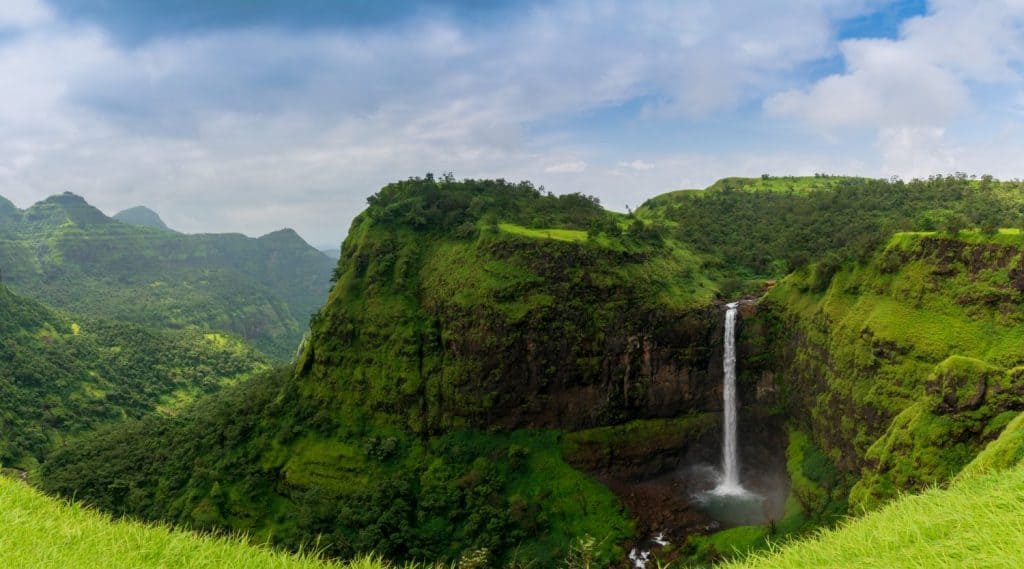
The Western Ghats are a biodiversity hotspot, home to many threatened species.
©Aniket M Shinde/Shutterstock.com
For visitors, the best practice is to remain aware of their surroundings, the local wildlife, and the habits of native species. This rule applies to any region where wildlife is abundant, but especially in at-risk places like the Western Ghats. Whenever tourists explore a wildlife habitat that is home to endangered species, they should conduct proper research beforehand. Not only will this shape their behavior, but it will also foster an appreciation for any animals they photograph.
It is also crucial to avoid handling any wildlife, not just India’s native frog species. It’s easy to forget that animals are susceptible to disease and bacteria. Unlike humans, they do not build immunity through travel or vaccination. As a result, any handling, even accidental, can have fatal consequences for the animals.
In addition to responsible tourism, conservation efforts are essential to protect galaxy frogs. Efforts to manage tourism, such as limiting visitation or enforcing strict boundaries, are essential. This goes hand in hand with establishing photography guidelines, which currently do not exist in the Western Ghats. While there are no specific laws solely targeting wildlife photography, the Western Ghats are protected under the Wildlife (Protection) Act of 1972. Many sanctuaries and parks have their own rules regarding photography and visitor conduct; however, these rules must be enforced to benefit the park’s wildlife.