
Quick Take
- CoP20 adopted landmark protections for sloths, Galápagos iguanas, sharks, and okapi.
- All Galápagos iguana species and the okapi were moved to Appendix I, the highest level of CITES protection, effectively banning most international commercial trade in wild-sourced specimens.
- Oceanic whitetip sharks, whale sharks, and all manta and devil rays were uplisted to Appendix I, while other shark and ray species received Appendix II or other strict protections.
Multiple animals were on the agenda at the 20th meeting of the Conference of the Parties to CITES, a meeting that occurred in Samarkand, Uzbekistan. The purpose of this meeting was for governments to decide how strictly to control global trade involving wild animals and plants. This year’s meeting produced some of the strongest decisions yet for multiple threatened species.
The outcome of this meeting has been hailed as a landmark moment for animals that have been nearing extinction, primarily caused by legal as well as illegal trade. New listings adopted at CoP20 will tighten or block trade involving certain species. But which animals benefited from this conference, and which species remain threatened without new protections?
How will these conference decisions affect wildlife trade in the real world? We’ll go over the basics of CITES as well as what it means when a species lands on its radar to help make sense of why this conference matters. We’ll also go over the big wins of this conference and the species that were granted additional protections, including iguanas, sloths, and many more. Here’s wildlife conservation in action.
What Is CITES and Why Does CoP20 Matter?

CoP20 helped categorize many animal species into protected treaties and specific trade classifications.
©Rawpixel/iStock via Getty Images
The Convention on International Trade in Endangered Species of Wild Fauna and Flora is a global treaty that regulates cross-border trade in more than 38,000 species of animals and plants. By requiring permits or having outright bans whenever listed species move between countries, their entire goal is to keep trade from driving populations toward extinction.
There are more than 180 governments, plus the European Union, involved in CITES, and they meet every two to three years at a Conference of the Parties to vote on which species should be listed. The Earth Negotiations Bulletin documented that CoP20 was the first CITES summit held in Central Asia and that delegates reviewed a record number of endangered animal agenda items.
Many of these agenda items involved the basics of CITES; simply classifying certain species in the CITES appendices to ensure their protection in the future. But how do these appendices work, and what does each one mean when it comes to practically protecting animals in our world?
How the CITES Appendices Work

The appendices of CITES offer varying protections for specimens, which is why accurate categorization matters.
©fizkes/iStock via Getty Images
Every CITES-approved species is placed in one of three appendices. Each category defines the strictness of trade rules for the animals listed. The official appendices overview breaks down this intricate system this way:
- Appendix I is the highest level of protection, covering species threatened with extinction where international commercial trade in wild-sourced specimens is generally banned. There are only a few exceptions to this rule, such as research opportunities or conservation breeding organizations.
- Appendix II includes species that are not yet on the brink of extinction but are nearing this point, or species that look similar to previously listed ones. Trade is allowed, but exporting countries must issue permits and provide further documentation, depending on the animal.
- Appendix III only covers species that at least one country already protects; that country must have already asked others for help controlling trade before the specimens will be included in this appendix.
For context, the U.S. Fish and Wildlife Service’s CITES appendices guide mentions that Appendix I is essentially a commercial trade ban, Appendix II is about managing trade, and Appendix III is about country cooperation. Each category carries its own weight and gradually increases in the overall protection and restrictions offered. With this in mind, here are the animals that received new protections at the conference and how they will be protected moving forward.
Sloths
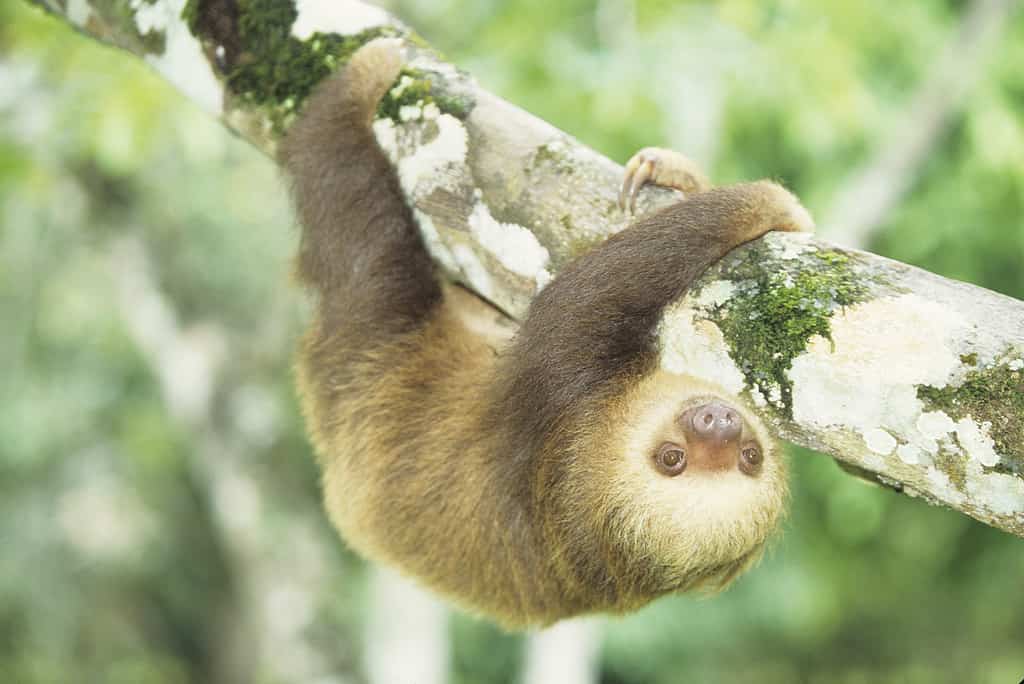
Hoffman’s two-toed sloth was one of two sloth species granted additional protections at CoP20.
©Tom Brakefield/Stockbyte via Getty Images
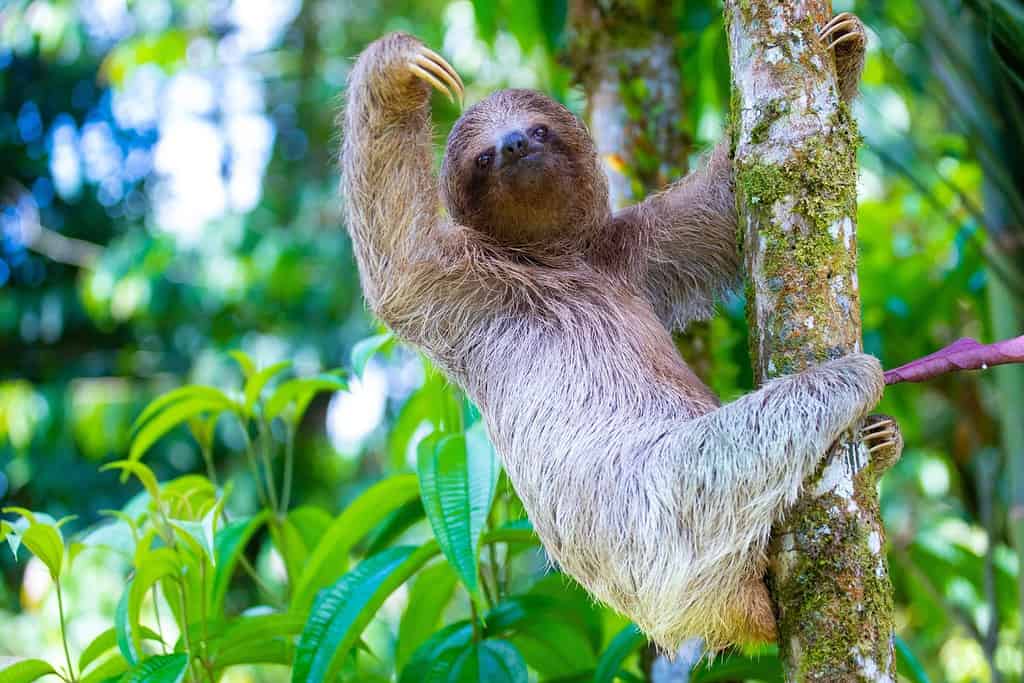
Two species of two-toed sloth landed in the spotlight at CoP20. Central and South American countries had concerns for these beloved, slow animals, bringing plenty of evidence that led to their protection. Sloths are targeted by the exotic pet trade and tourism, where wild sloths are captured, handled, and passed around for photos. As a result, sloth populations are declining due to capture, habitat loss, and fires.
At the conference, Parties agreed to list two specific sloth species on Appendix II. This extended international trade controls to Linnaeus’ two-toed sloth for the first time and upgraded Hoffmann’s two-toed sloth from Appendix III (where it was listed at Costa Rica’s request) to Appendix II.
While an Appendix II listing doesn’t ban trade outright, it does force exporters to prove that removing sloths from the wild is legal and not damaging the species’ survival. Customs officers around the world now have a legal mandate to seize animals without proper paperwork, making it more difficult for illegal trade and tourist operations to continue.
Galápagos Iguanas
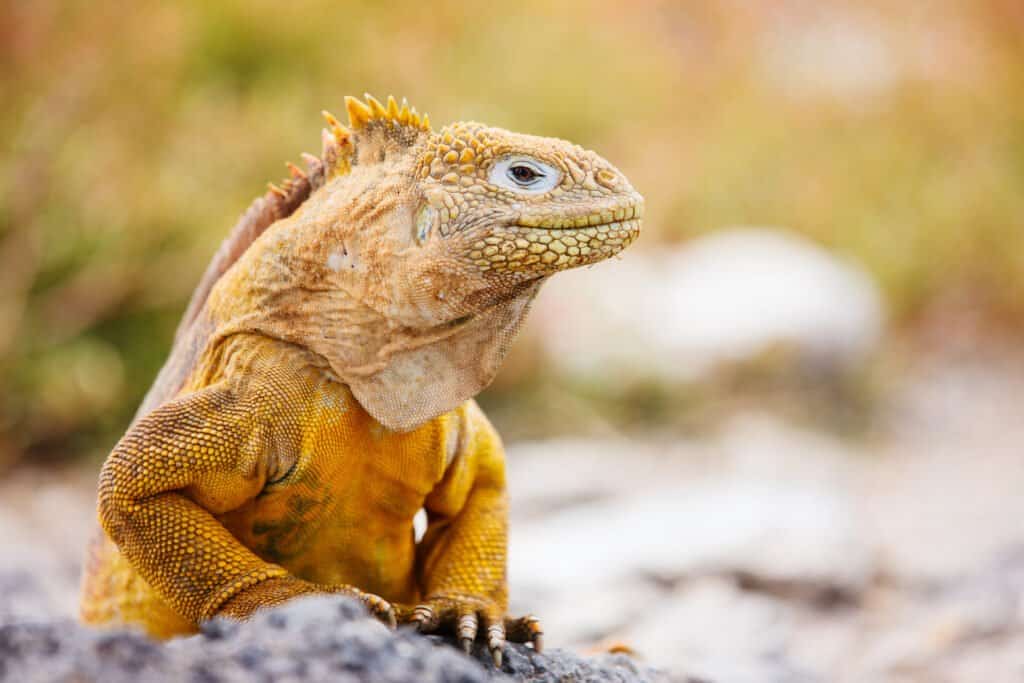
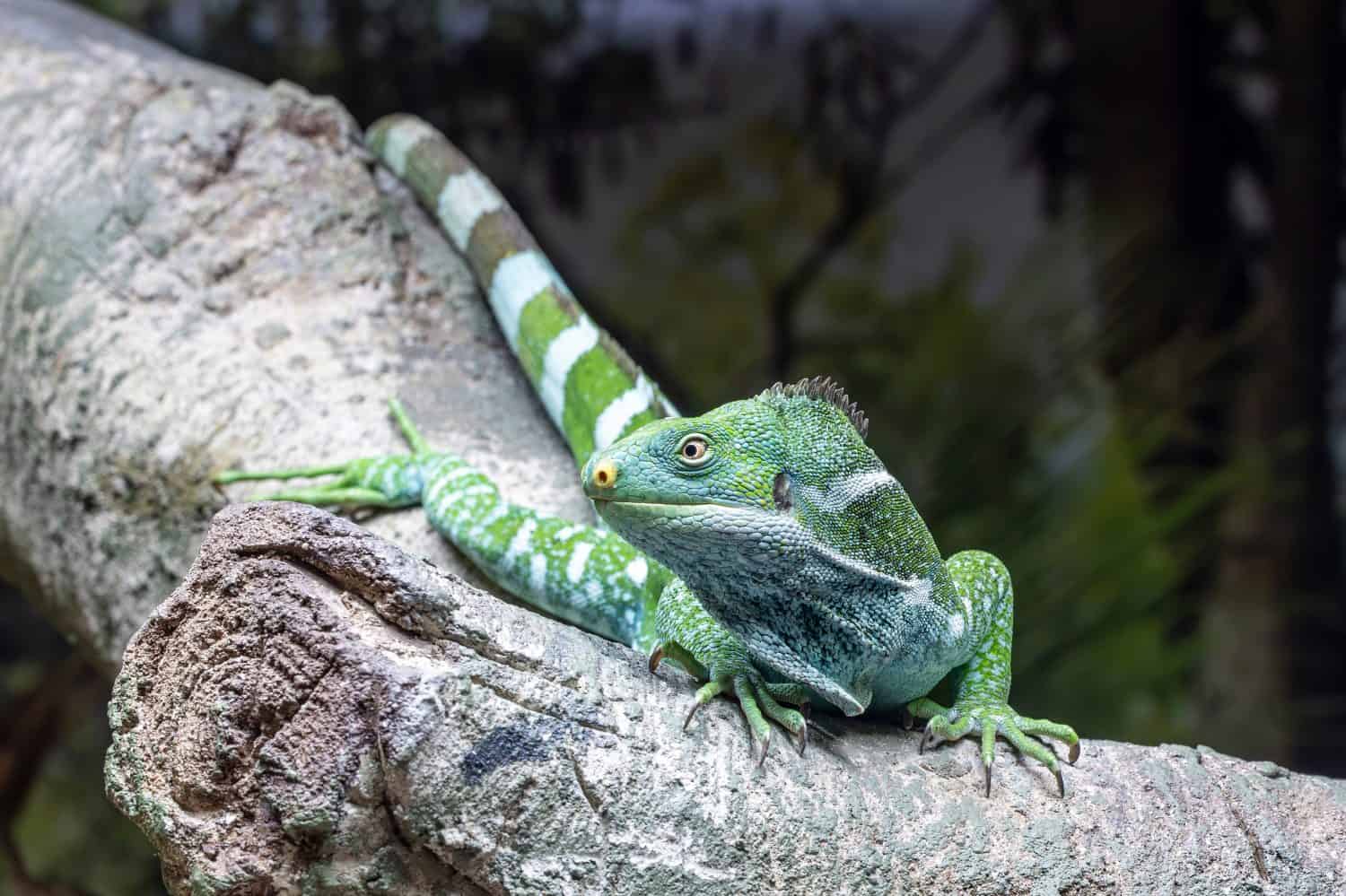
With multiple endemic iguana species in the Galápagos, all received upgraded protections at CoP20.
©BlueOrange Studio/Shutterstock.com
Galápagos iguanas came out of CoP20 with significantly stronger protection. Ecuador proposed moving all of these iguana species from Appendix II to Appendix I, bringing up multiple threats caused by illegal collection, invasive species, climate change, and tourism pressure.
The trafficking problem of these rare iguanas has been on CITES’ radar for years. Poachers have laundered illegally collected iguanas through fraudulent permits and transit countries for years. However, by moving these animals to Appendix I, commercial international trade in wild-sourced Galápagos iguanas will now require both export and import permits, and it must serve non-commercial purposes only.
These endemic species are now only allowed to leave the Galápagos if the proper permits are obtained, and the animal will be used for conservation or research purposes exclusively. Given how difficult these permits are to obtain, especially for illegal purposes, this represents a significant win for iguanas at the conference.
Sharks, Rays, Okapi, and Other Species Protected At CoP20
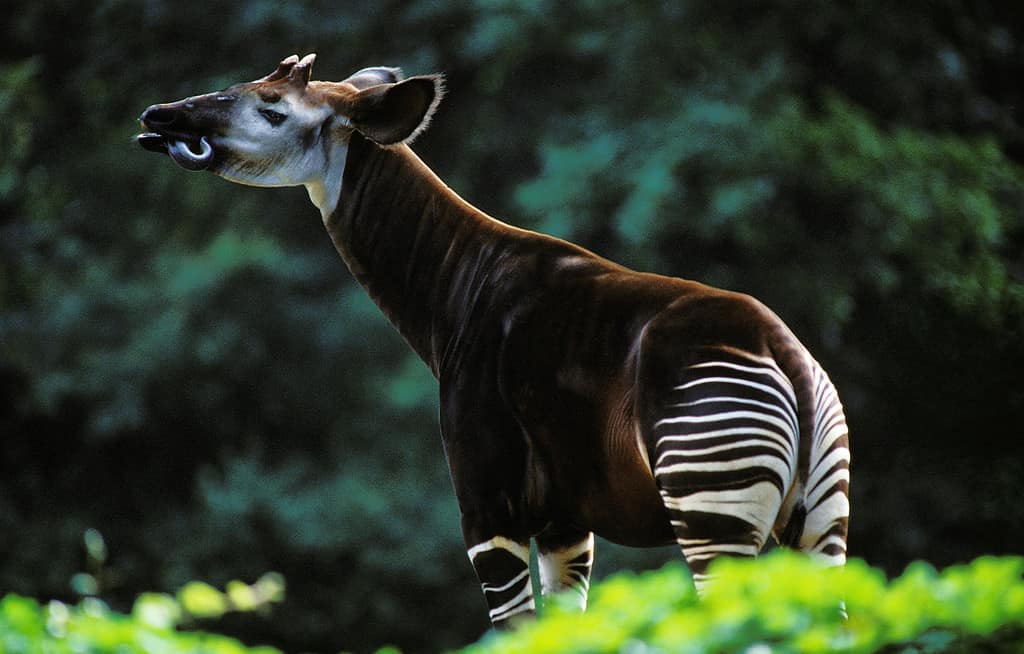
Many shark species and the okapi were granted protection at CoP20.
©slowmotiongli/ via Getty Images
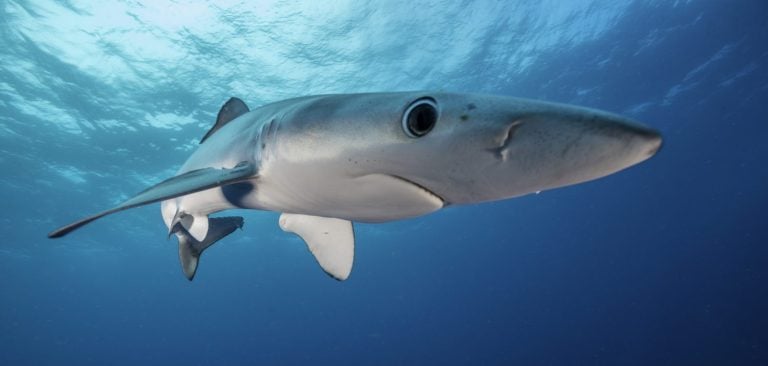
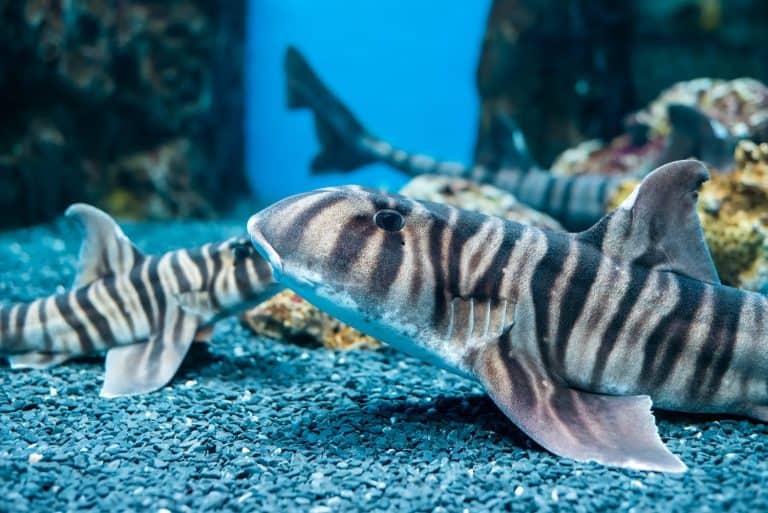
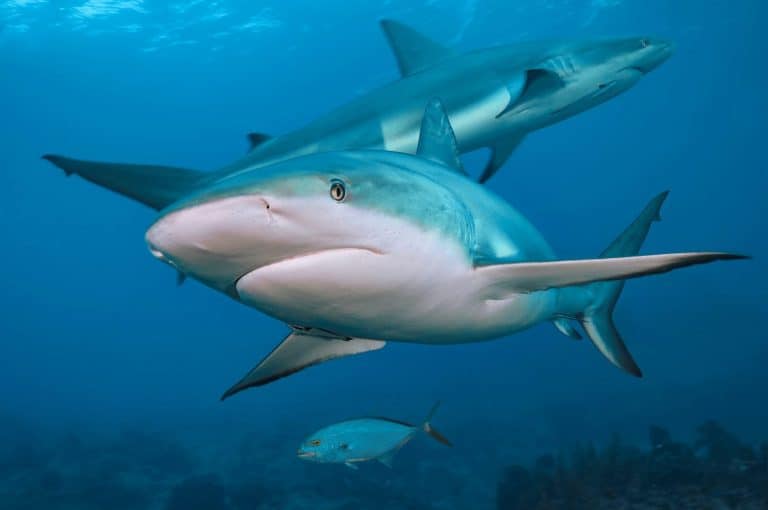
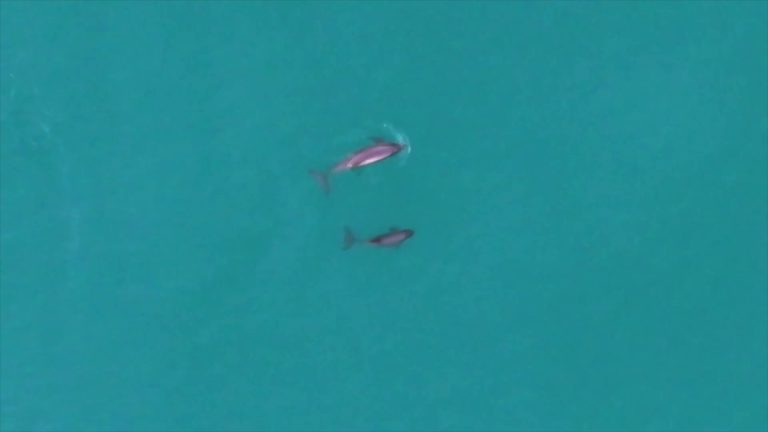
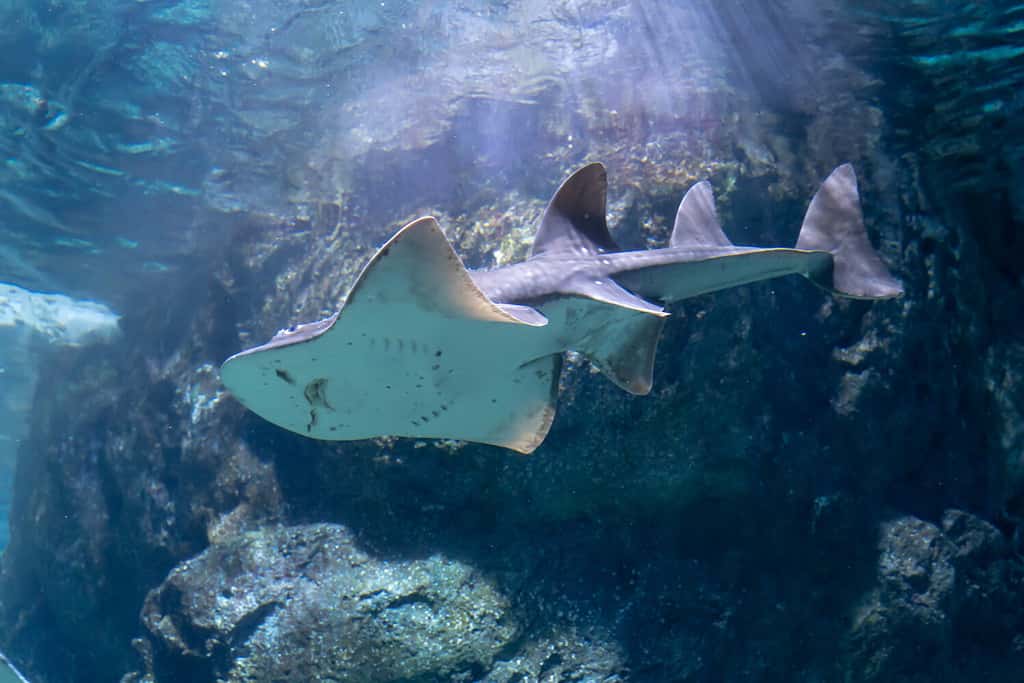
CoP20 provided new appendix listings and upgraded protections to multiple species, both on land and in the oceans. Sharks and rays received a great deal of attention, with oceanic whitetip sharks, whale sharks, and all manta and devil rays uplisted to Appendix I, and several other shark species, including gulper and smoothhound sharks, added to Appendix II.
Governments also agreed to zero export quotas, which essentially halt legal exports for these threatened species: the wedgefish and giant guitarfish. They also added several other sharks, including all smoothhound shark species and several gulper shark species, to Appendix II so that any trade must be tightly regulated. Many sources describe these shark decisions as broader and more politically ambitious than anything CITES has done before.
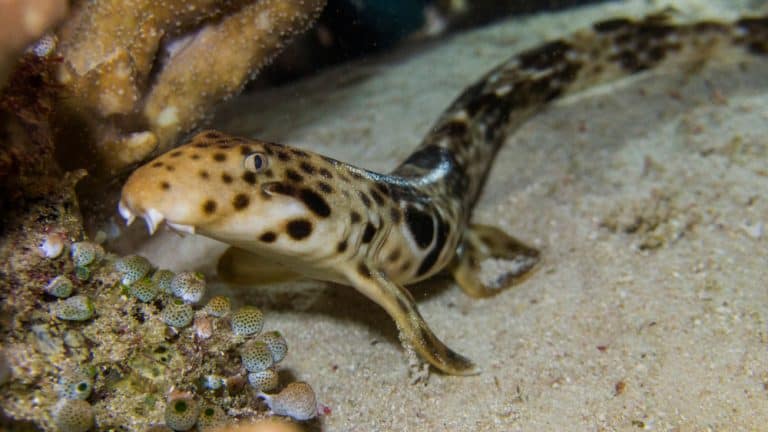
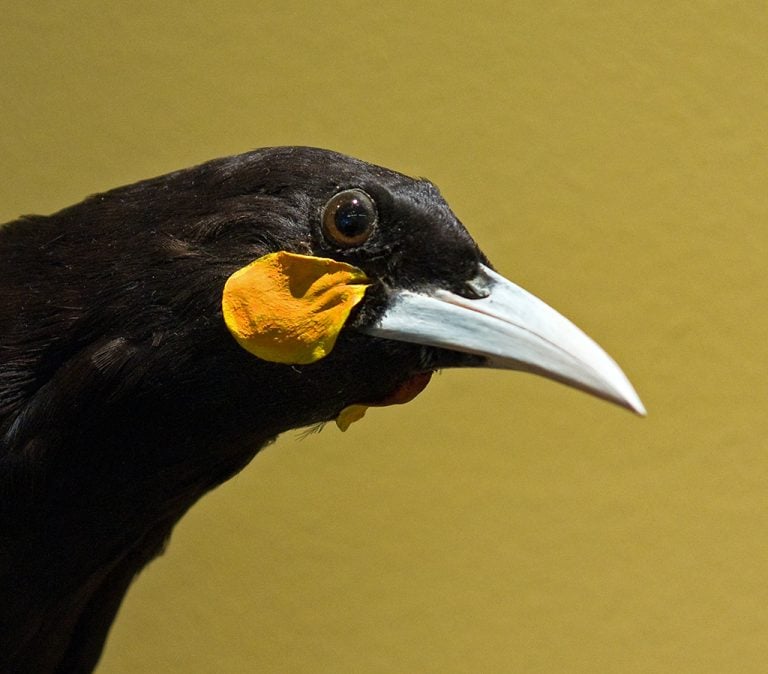
On land, the unique okapi received an Appendix I listing, closing the door on most commercial trade. Several African vultures, monkeys, Home’s hinge-back tortoise, a set of Australian geckos, and multiple South American songbirds also gained higher protection through new Appendix I or II listings at CoP20. Stricter controls and increased oversight now exist for all of these species, helping to protect them for years to come.
What New CITES Listings Actually Change For Animals
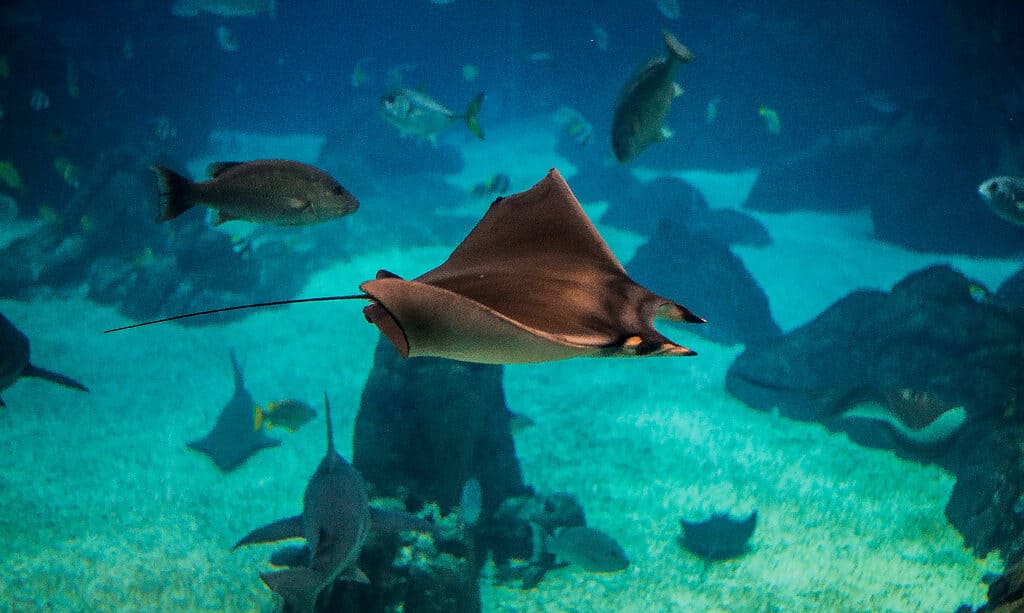
Rays received extra protections from CITES and its conference this year.
©EloyMR/Shutterstock.com
A new CITES listing means that every cross-border shipment of that now-protected species needs documentation. The treaty’s own explanation of how listings are applied makes clear that live or dead specimens, and many kinds of derivatives, are covered by the listing, unless a specific annotation says otherwise.
Appendix I animals, like the Galápagos iguanas, okapi, whale sharks, and devil rays, are now off-limits for international commercial trade in wild-sourced form. Exporters who want to move these species for research, breeding programs, or rescue transfers must secure both export and import permits and prove their involvement will not harm the species’ survival.
Appendix II animals, such as the newly listed sloths and some sharks, can still be traded, but exporting countries must issue permits supported by scientific assessments confirming that the exports are sustainable. Traders must now secure multiple permits, present them at borders, and face increased scrutiny from enforcement agencies. CITES is ultimately a vital tool in the broader fight against wildlife crime.
Treaties, Enforcement, and the Limits of CITES
While it means well, not all countries have the capacity to support CITES appendices listings or their rules.
©chonlasub woravichan/Shutterstock.com
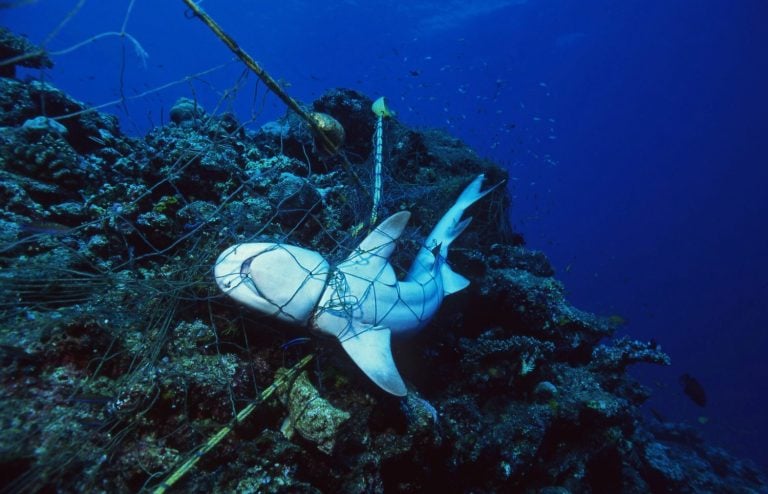
Unfortunately, CITES is just a trade agreement, not a global police force or organization. It relies on each Party to write its own domestic laws, fund inspectors and prosecutors, and decide how seriously to treat wildlife crime. Because of this, many countries still lack the capacity or political will to enforce the rules, which undermines much of CITES’ efforts.
Recent reports, like the UNODC’s World Wildlife Crime Report 2024 summary, describe how persistent illegal trade remains. Trafficking remains documented across more than 160 countries and thousands of species. Even Appendix I listings have not consistently prevented catastrophic declines, despite their strict rules and requirements.
Additionally, the same conservation groups celebrating sloth, iguana, shark, and okapi wins have also warned that the failure to list some species and continued, drawn-out debates over certain trade items are standing in the way of greater biodiversity goals. Even so, CITES and the countries harboring these endangered species need to start somewhere.
Hopefully, as time passes, more of these appendix listings will be honored and enforced, especially in countries that have the animals or plants most in need.
How Can You Support CITES Listings and Decisions?
You can do your part to support CITES by placing pressure on your government or elected officials.
©Jakub Maculewicz/Shutterstock.com
While the average person will never submit a CITES proposal or attend a CoP, they can still influence how the treaty plays out. One of the simplest steps you can take is to avoid buying wild animals, exotic pets, or wildlife products unless you are absolutely sure they come from legal, sustainable sources.
Additionally, refusing to pose with wild sloths, primates, or reptiles for selfies and steering clear of attractions that encourage direct contact cuts into the demand that traffickers exploit. Don’t engage in tourism or trade that involves these animals, no matter how cute or fascinating they may be.
On the civic side, residents of CITES member countries can push their governments to actually implement CoP20 commitments. Supporting NGOs that monitor wildlife trade or even asking elected officials what their agencies are doing to enforce new Appendix I and II listings can be fantastic ways to start.
When all is said and done, CITES CoP20 obviously did not solve the global wildlife trade crisis overnight. However, it did help out a long list of species, including sloths, iguanas, sharks, okapi, and many others. If governments follow through, businesses adjust, and travelers think twice before engaging with wild animal tourist traps abroad, these species may see some great improvements in the coming years.