
Quick Take
- The designation of the white-tailed deer as Michigan’s state game mammal in 1997 came from Zeeland fourth-graders’ civic action.
- Recognition fuels conservation education and policy, tying communities’ daily life to the white-tailed deer and its habitat.
- Contrary to predator-centric myths, Michigan balances white-tailed deer populations primarily through human-led hunting and regulatory adjustments.
- Read on to discover how winter deer yards reveal the resilience behind the emblem.
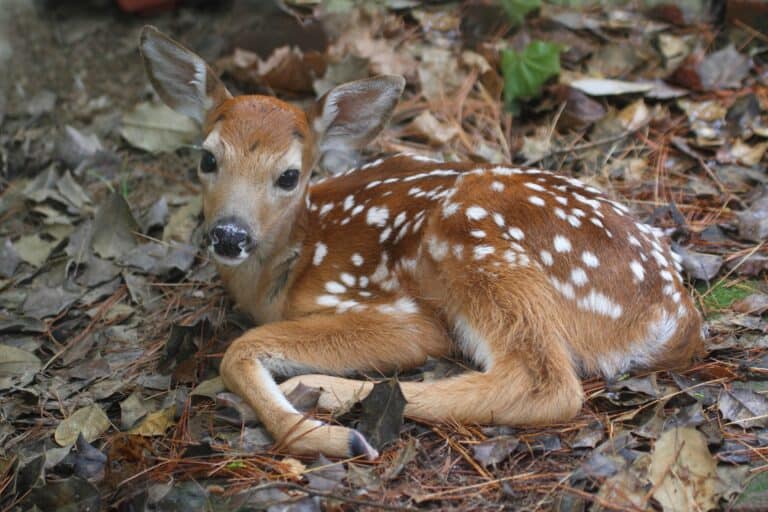
Every fall, as maples turn red and gold across Michigan, white-tailed deer slip from cover at dusk, pausing, listening, then moving with quick bounds back into the trees. Their flicking tails and sudden stillness are part of daily life for many residents, whether they live near farms, suburbs, or the deep woods of the Upper Peninsula. These encounters may feel ordinary, yet the white-tailed deer holds a special place in the state. This animal is Michigan’s official state game mammal, a role that reflects outdoor traditions, conservation history, and a long relationship between people and the land.
What’s the Point of State Animals?
States choose official animals to symbolize what makes their place distinctive and to recognize the natural environment, history, and culture that shape daily life. These animals often reflect species that are widely known, deeply connected to local ecosystems, or tied to long-standing traditions such as farming, hunting, or conservation. Selecting an official animal also gives schools and communities a clear way to teach state history and environmental awareness through something familiar and concrete. In a simple sense, it is a state saying that this animal tells part of its story.

Official state animals are not only ceremonial. Schools use them to help students learn about local wildlife and ecosystems in ways that feel relevant rather than abstract. Recognition can also influence conservation and public policy by drawing attention to specific species and the habitats they depend on. Beyond education and policy, state animals appear on license plates, park signs, and tourism materials, reinforcing a shared identity that residents recognize and visitors quickly associate with the state.
Michigan’s State Animals
Michigan has recognized several official animals, each representing a different aspect of the state’s natural history.
- State Game Mammal: White-tailed deer
- State Bird: American robin
- State Reptile: Painted turtle
- State Fish: Brook trout
- State Fossil: American mastodon
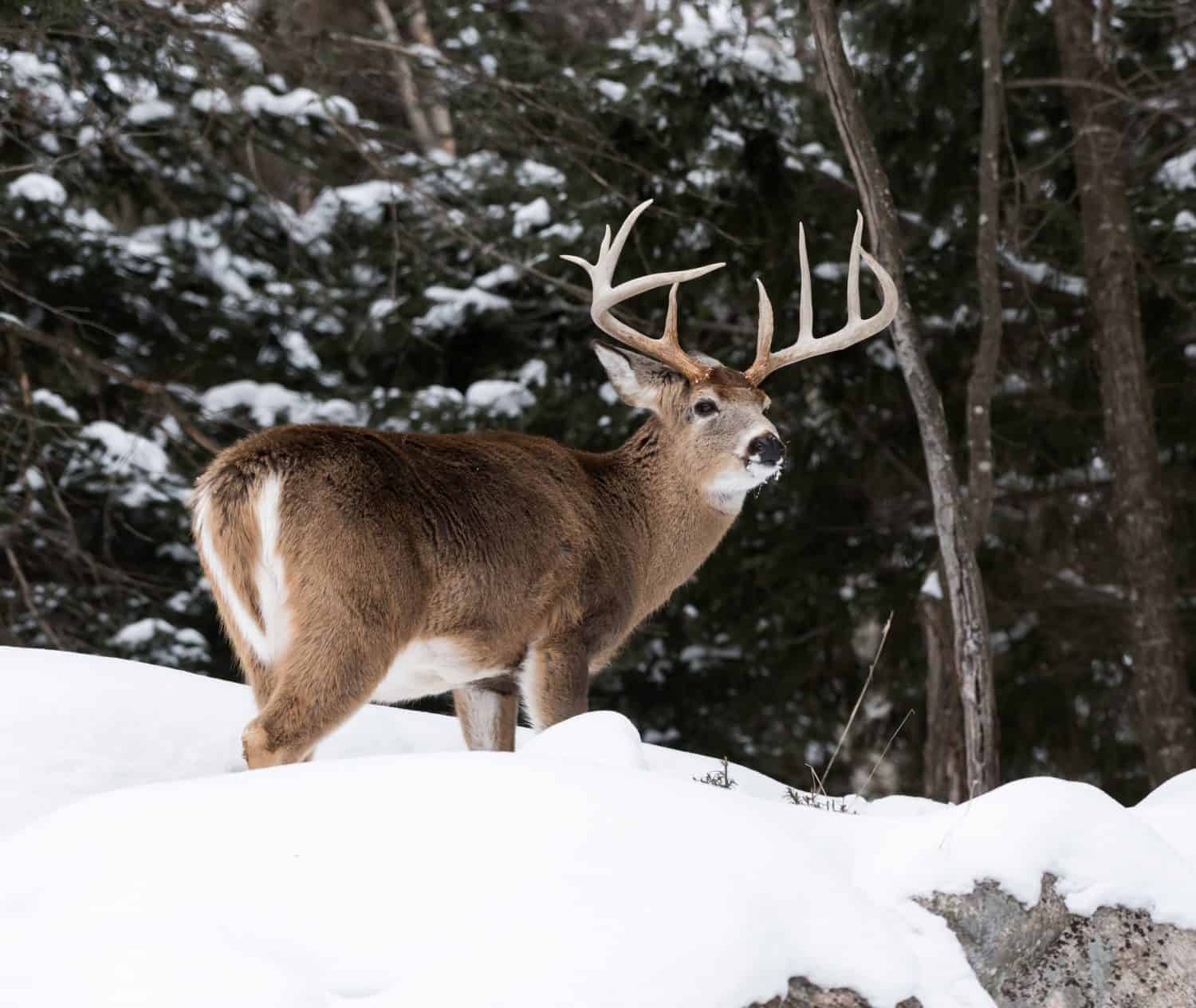
The white-tailed deer is Michigan’s state game mammal.
©Christopher Roth/iStock via Getty Images
The white-tailed deer was formally named Michigan’s state game mammal in 1997. While the animal had long been associated with the state, its official recognition came through a civic process that reflected public involvement and a desire to acknowledge something already woven into Michigan’s identity.
Zeeland Fourth Graders and Civic Action
The effort to name the white-tailed deer as Michigan’s state game mammal began with fourth-grade students in Zeeland, a city in western Michigan. While studying state symbols, the students noticed that Michigan lacked an official game mammal. After researching the deer’s role in the state’s environment and history, they wrote letters to legislators and asked for support.
Their classroom project grew into a real legislative effort. The students followed the bill’s progress, learned how laws are passed, and watched as lawmakers debated and eventually approved the designation. The experience became a lasting example of how young citizens can participate meaningfully in government and how state symbols can emerge from public interest rather than top-down decisions.
A Deer in Every County
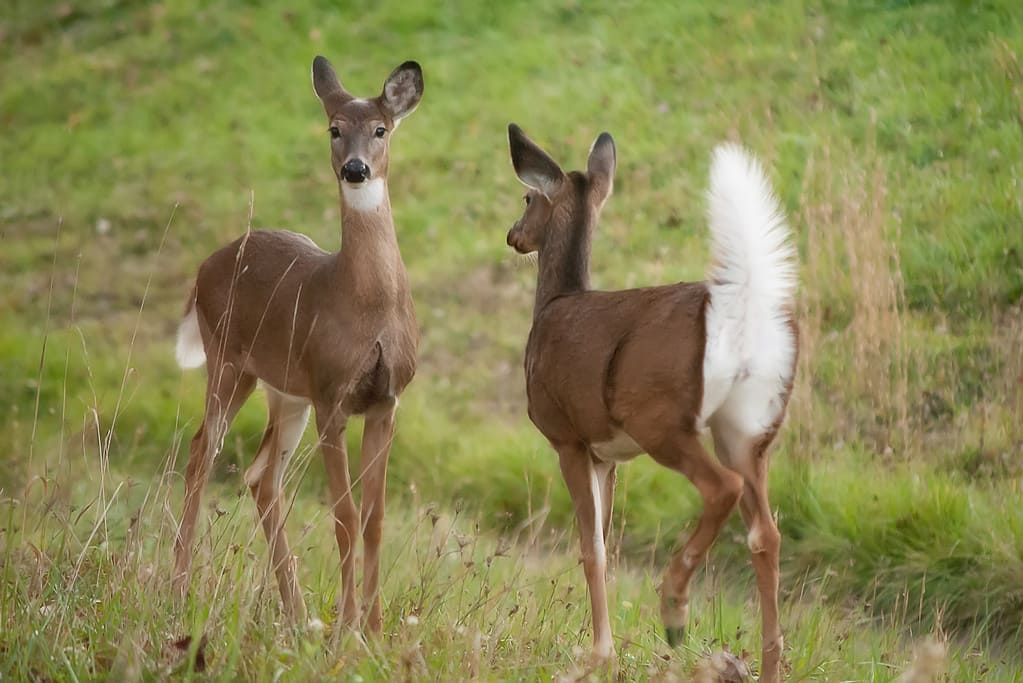
White-tailed deer live in every county in Michigan, making them one of the most widespread large mammals in the state. From agricultural regions in the southern Lower Peninsula to mixed forests, wetlands, and northern woodlands, the species adapts to a wide range of environments. Known scientifically as Odocoileus virginianus, the deer has a reddish-brown coat in summer that shifts to gray brown in winter, helping it blend into changing seasonal landscapes.
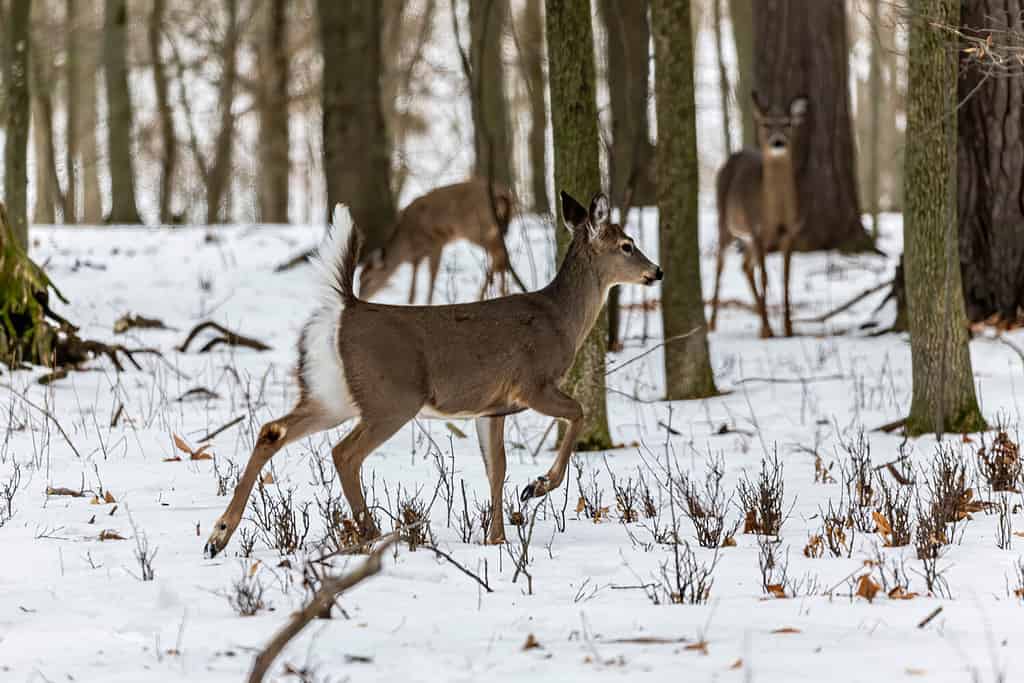
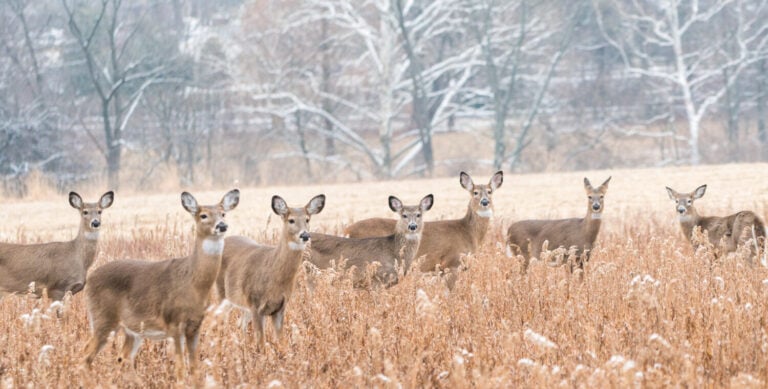
White-tailed deer live in every Michigan county.
©Karel Bock/Shutterstock.com
The deer’s adaptability mirrors the geography of Michigan itself, a state shaped by forests, farmland, water, and long seasonal shifts. Deer are fast and agile, capable of reaching speeds close to 35 or even 40 miles per hour and clearing high fences when startled. Their raised white tail serves as a warning signal to other deer nearby. These traits allow them to survive in close proximity to people, whether near rural fields, suburban neighborhoods, or remote forests.
Adapting to a Harsh Landscape
Michigan has long, cold winters with heavy snowfall, and surviving them requires resilience. In many ways, the white-tailed deer reflects the people of Michigan, who have learned to endure harsh weather through preparation, adaptation, and persistence.
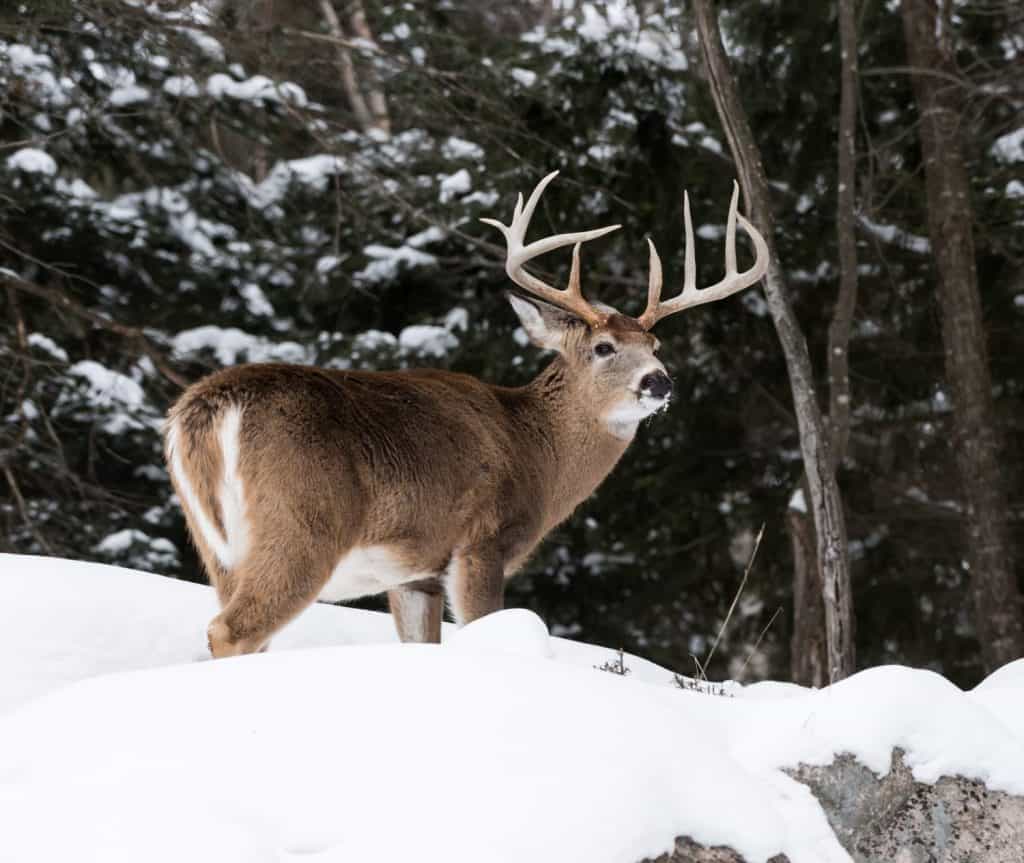
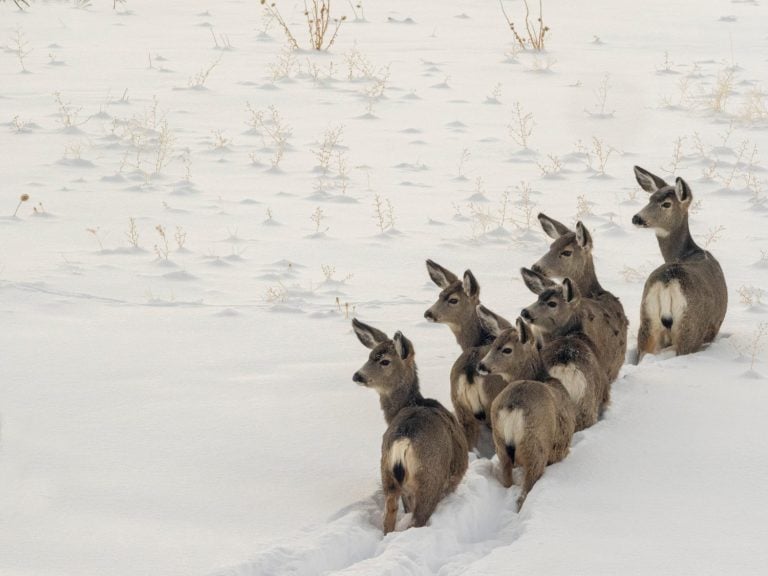
Michigan has quite cold winters and deep snows.
©FotoRequest/Shutterstock.com
Winter is the most difficult season for deer. Deep snow makes movement exhausting and limits access to food, forcing them to conserve energy. To survive, deer often gather in sheltered evergreen areas known as deer yards, where trees block wind and snow stays shallower. These seasonal shifts reduce energy loss and increase survival during the coldest months. In a similar way, Michigan residents adjust their routines in winter by limiting travel, planning ahead, and relying on shelter and community. This shared experience of enduring winter has helped make the deer a powerful and relatable symbol across the state.
Michigan’s Deer Through Time
The relationship between Michigan residents and white-tailed deer has not always been stable. During the late 1800s, heavy logging, land clearing, and unregulated hunting caused deer populations to drop sharply in many regions. By the early twentieth century, numbers were low enough to concern hunters and conservation advocates alike.
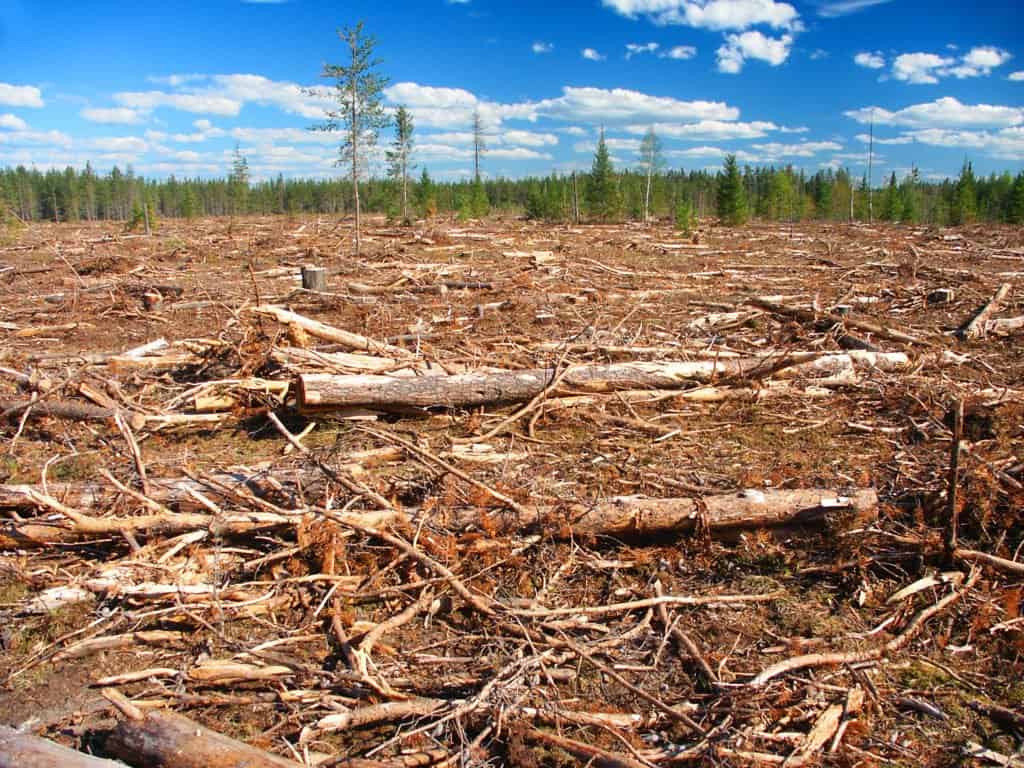
In the 19th century, heavy logging decimated Michigan’s forests and led to a sharp drop in the deer population.
©Jason Patrick Ross/Shutterstock.com
Over time, changes in land use, hunting regulations, and organized wildlife management allowed deer populations to recover. Forest regrowth and conservation efforts supported this rebound, and by the late twentieth century deer numbers had risen dramatically. At times, populations grew large enough to create new challenges, requiring careful oversight to balance ecological health, agriculture, and public safety.
Economic and Recreational Importance
Deer hunting is deeply woven into Michigan’s outdoor culture. Each year, large numbers of hunters participate in the season, contributing to local economies through spending on licenses, equipment, lodging, and food. These activities support small businesses, particularly in rural and northern communities.
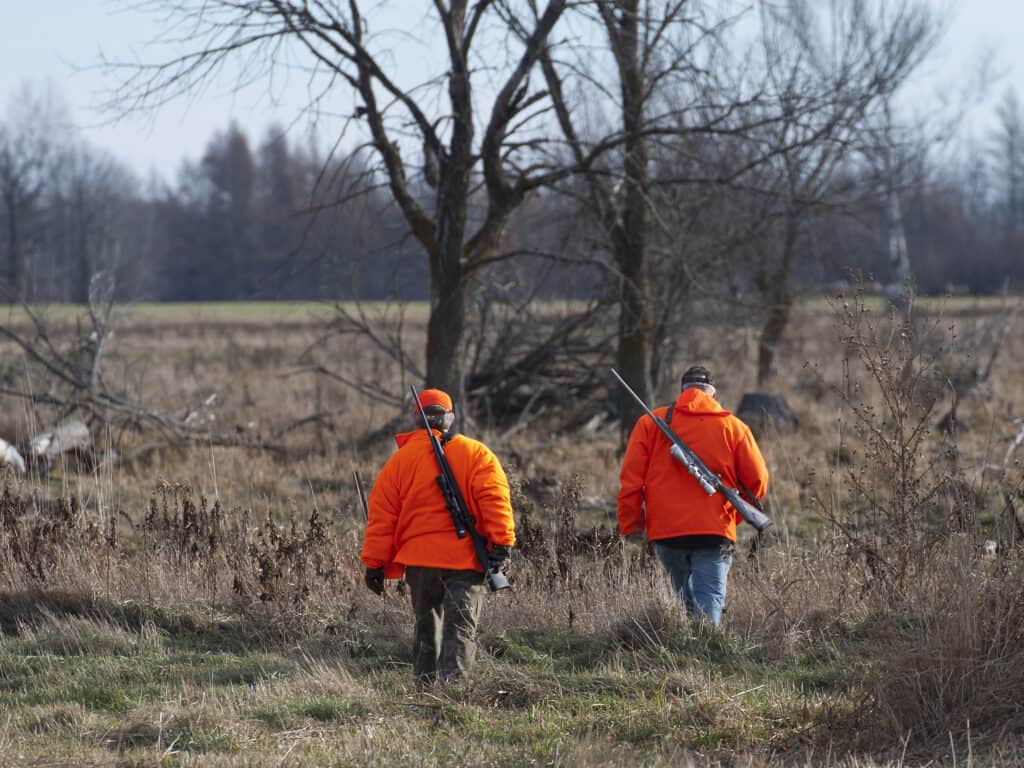
Deer hunting is woven into the rural culture of Michigan.
©Steve Oehlenschlager/Shutterstock.com
Revenue from hunting licenses plays an important role in funding wildlife management, habitat protection, and conservation education. Beyond recreation and economics, hunting serves a practical purpose. With most large carnivores absent from Michigan’s landscape, humans function as the primary managers of deer populations. Responsible hunting helps prevent overpopulation, reduces the risk of disease, and limits environmental damage caused by excessive browsing.
Ecological Role and Management Challenges
As a browsing herbivore, the white-tailed deer has a strong influence on forest and field ecosystems. When populations grow too large, heavy feeding can limit young tree growth and reduce plant diversity. This, in turn, affects birds and other wildlife that depend on dense vegetation for shelter and food.
Wildlife managers work to balance deer populations with available habitat, agricultural needs, and public safety concerns such as vehicle collisions. This requires ongoing research, population monitoring, and adjustments to hunting regulations. The goal is not elimination, but balance, ensuring that deer remain a healthy and sustainable part of Michigan’s environment.
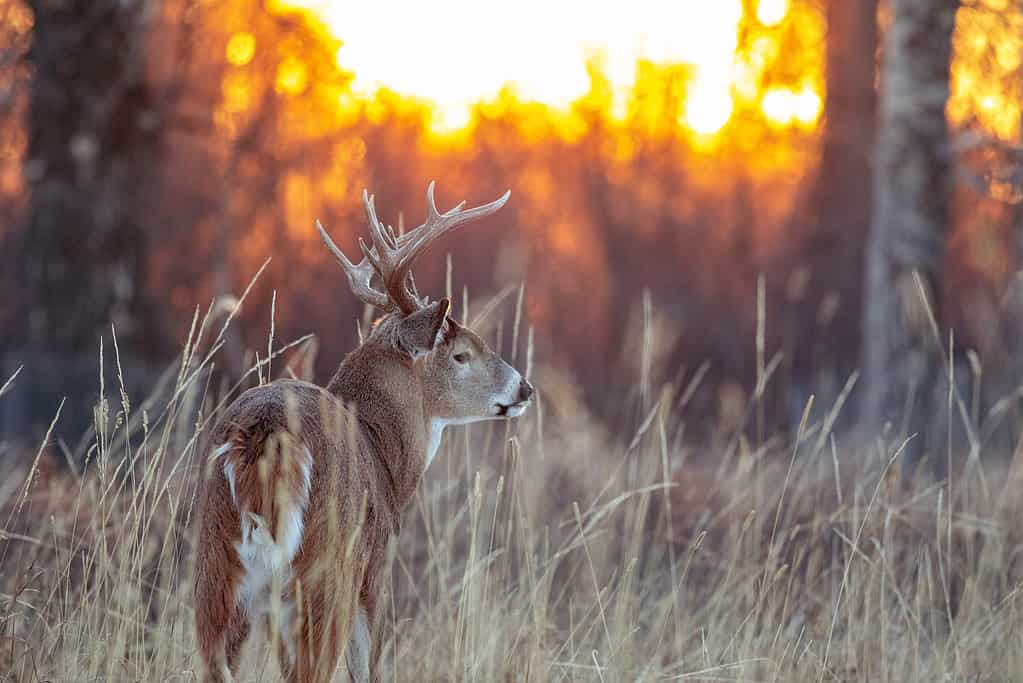
White-tailed deer have adapted to many different habitats such as grasslands, forests, and even urban areas.
©iStock.com/Wirestock
More Than a Familiar Silhouette
A deer emerging from the woods at dusk may be a routine sight in Michigan, yet it carries layers of meaning. The white-tailed deer represents adaptation to a demanding landscape, successful conservation efforts, seasonal traditions, and an unusual story of civic action led by young residents. As long as deer continue to shape Michigan’s ecosystems and daily life, they will remain a fitting emblem of the state’s resilience and long connection to the natural world.