
Quick Take
- The return of the fisher to Ohio marks the first verified sighting in Cleveland Metroparks and the first in Cuyahoga County in roughly 200 years.
- Fisher habitat depends on large, connected forests with dense cover, fallen logs, and hollow trees.
- Read on to discover which forest connectivity changes will determine how far Ohio’s fisher expansion reaches.
In 2025, a motion-triggered camera quietly watching a forest corridor in Cleveland Metroparks captured something unexpected. A dark-furred predator moved through the leaf litter, paused, and looked directly into the lens. The animal was a fisher, a forest carnivore that had not been confirmed in Ohio since the nineteenth century. The sighting in Cuyahoga County marked more than an unusual wildlife moment. It reflected decades of forest recovery, improved land management, and careful conservation work across the region.
What Are Fishers?
A fisher is a medium-sized carnivorous mammal native to North America that looks a bit like an extra-long mink with dark brown fur and a bushy tail. Despite the name, it does not fish for food. Instead, it lives in forests and hunts small animals like rabbits, squirrels, birds, and rodents, and it is famous for being one of the few predators capable of killing porcupines by repeatedly attacking the face and flipping them onto their unprotected belly.
Fishers are excellent climbers and fast, agile hunters, spending much of their time in trees or moving stealthily along the forest floor. They are solitary, elusive animals, rarely seen by people, and play an important role in keeping forest ecosystems balanced by controlling populations of their prey.
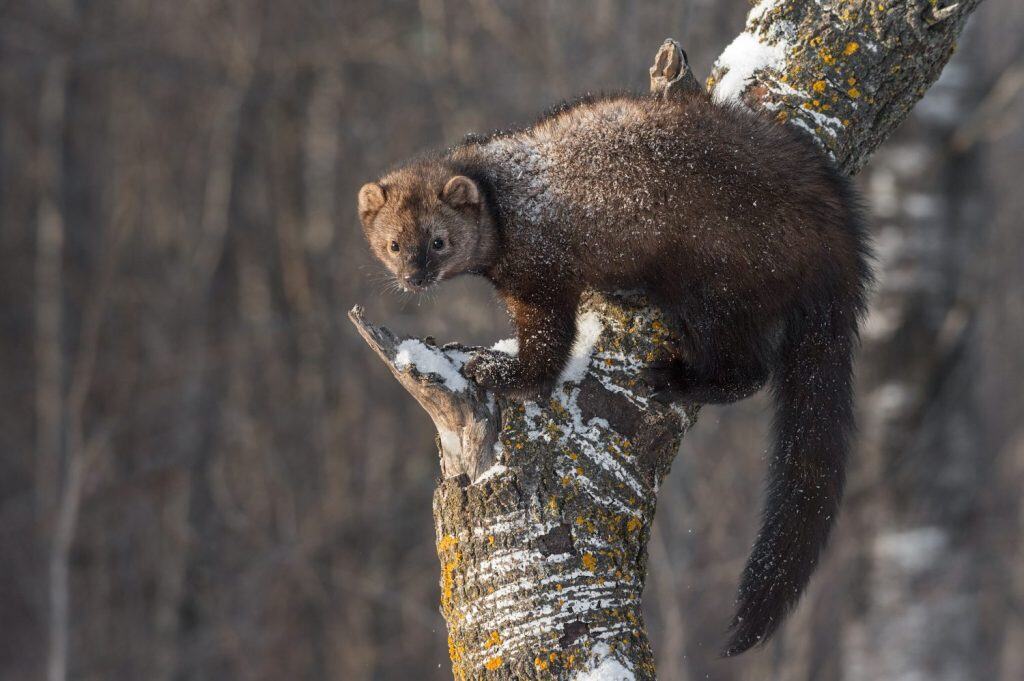
Fishers are excellent climbers.
©Holly Kuchera/Shutterstock.com
A Species with a Wide Range
Fishers occupy a broad range across North America. They live in southern Canada, including the boreal forests, and extend into the northern United States. Populations exist in New England, the Great Lakes region, and parts of the Pacific Northwest.
Fishers are closely tied to large blocks of forest, especially those with a mix of hardwood and coniferous trees. They depend on dense cover, fallen logs, and hollow trees for shelter and denning. These features are most common in older forests that have been allowed to grow without heavy cutting.

Fishers thrive in large, established forests.
They generally avoid wide open areas and highly fragmented woods. Such fragmented landscapes increase exposure to predators and reduce access to safe denning sites. A single fisher may roam over a large territory: male home ranges can span many square miles, while females occupy smaller but still extensive areas. This need for space explains why fishers quickly disappeared when Ohio’s forests became fragmented.
How Ohio Lost the Fisher
Before European settlement, Ohio was largely covered in forest, and fishers were widespread. During the nineteenth century, rapid clearing of land for agriculture and timber removed most of that habitat. Mature trees, hollow trunks, and dense understory vanished across much of the state.

Deforestation was one reason Ohio lost its fishers.
©Jason Patrick Ross/Shutterstock.com
At the same time, trapping intensified. Fisher pelts were valued, and there were few rules to limit harvest. By the 1880s, fishers had disappeared from Ohio. Historical records often cite 1883 as the year they were considered extirpated. Habitat loss and heavy trapping combined to eliminate the species faster than it could recover.
The Fisher Makes Its Return
In several western states, agencies have reintroduced fishers to suitable habitat where they had been lost. These programs involved releasing animals into large protected forests and monitoring their survival. Ohio’s situation differs because its fishers appear to be returning on their own, guided by recovering habitat and improved management.
The animal recorded by the Cleveland Metroparks camera represents the first confirmed fisher documented in Cuyahoga County in roughly two centuries. After the footage was reviewed by park wildlife staff, it was shared with the Ohio Division of Wildlife, which confirmed the identification. Cleveland Metroparks reported that this was the first verified fisher ever recorded within the park system.
Forest Recovery Brings Wildlife Back
Ohio’s landscape has changed greatly over the last century. Many former farm fields and cutover hillsides have returned to forest as agriculture shifted and land was abandoned. Conservation programs and changes in forestry practices have allowed larger forest tracts to reconnect.
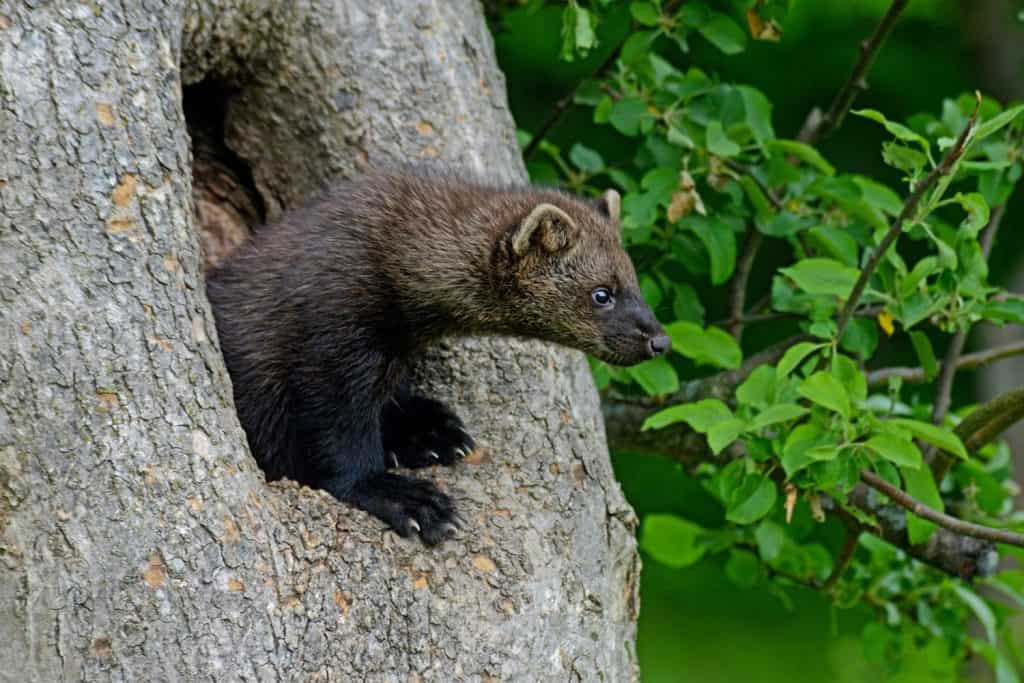
Unlike species reintroduced to Ohio deliberately, the fisher returned on its own.
©Betty Shelton/Shutterstock.com
As habitat improved, wildlife followed. River otters were reintroduced and now occupy much of the state. Bobcats expanded naturally from neighboring regions. Trumpeter swans also returned after reintroduction efforts began in the 1990s. These recoveries show how restoring habitat can support the return of native species, including predators.
Evidence of a Growing Population
The Cleveland Metroparks sighting did not occur in isolation. Ohio recorded its first confirmed modern fisher report in 2013. Since then, wildlife officials have verified around 40 sightings across roughly nine or ten counties, mostly in eastern and southern Ohio.

Evidence shows fishers have likely begun reproducing in the state now.
©Mircea Costina/Shutterstock.com
In 2023, two fisher carcasses were recovered in northeast Ohio. One was a pregnant female, which indicates that fishers are now breeding within the state. Biologists believe the animals are dispersing naturally from strong populations in nearby states, particularly Pennsylvania, and settling where forest cover is sufficient.
Conservation Status Today
In Ohio, fishers are not currently listed as endangered or threatened, but they are protected from legal trapping and are closely monitored by wildlife officials because of their rarity and recent return. At the federal level, fishers are not listed as endangered across their full range. However, the Southern Sierra Nevada population in California is federally endangered and state listed, while the Northern California/Southern Oregon population was reviewed in 2025 and determined not to warrant federal protection. Across North America, the main threats remain forest fragmentation, loss of large den trees, road mortality, and changing fire patterns linked to climate shifts.
Trail Cameras Reveal Hidden Wildlife
Remote wildlife cameras played a key role in confirming the fisher’s return. Cleveland Metroparks maintains about 200 motion-activated cameras across different habitats. These devices quietly record animals that are rarely seen by people.
The clear footage allowed staff to rule out similar species and confirm the fisher’s identity. Trail cameras help biologists document rare species, monitor population trends, and detect new arrivals without disturbing the animals. They have become essential tools for tracking animals such as fishers, bobcats, and river otters.

Trail cams are a valuable tool for conservationists.
©milart/Shutterstock.com
Fisher or Mink
Many reports of fishers turn out to involve mink, which are smaller members of the same family. Mink have long bodies and dark fur, but they are much lighter and shorter than fishers. A fisher’s tail is thicker and bushier, and its head appears broader and more triangular.
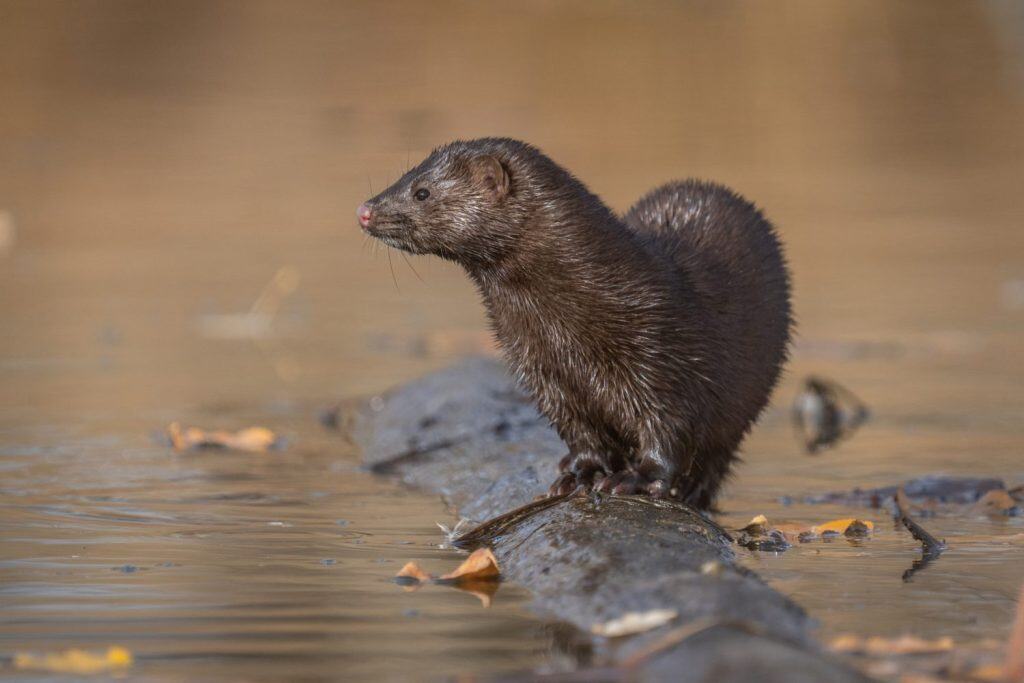
Mink are smaller than fishers, move differently, and spend most of their time near water.
©Tony LePrieur Photography/Shutterstock.com
Movement can also offer clues. Mink often travel along streams and wetlands and move quickly with a low posture. Fishers tend to stride more deliberately and may appear farther from water. Because brief sightings can be misleading, wildlife agencies rely on photographic or physical evidence for confirmation.
How People Can Support Recovery
Ohio residents play a role in supporting wildlife recovery. People who believe they have seen a fisher are encouraged to document the sighting and report it to Cleveland Metroparks or the Ohio Division of Wildlife. Accurate reports help biologists track the species’ spread.
Respecting park rules also matters. Staying on trails, keeping dogs leashed, and avoiding sensitive areas reduces stress on shy animals. Long-term decisions about land use, forest protection, and development will determine whether fishers continue to expand their presence in Ohio.
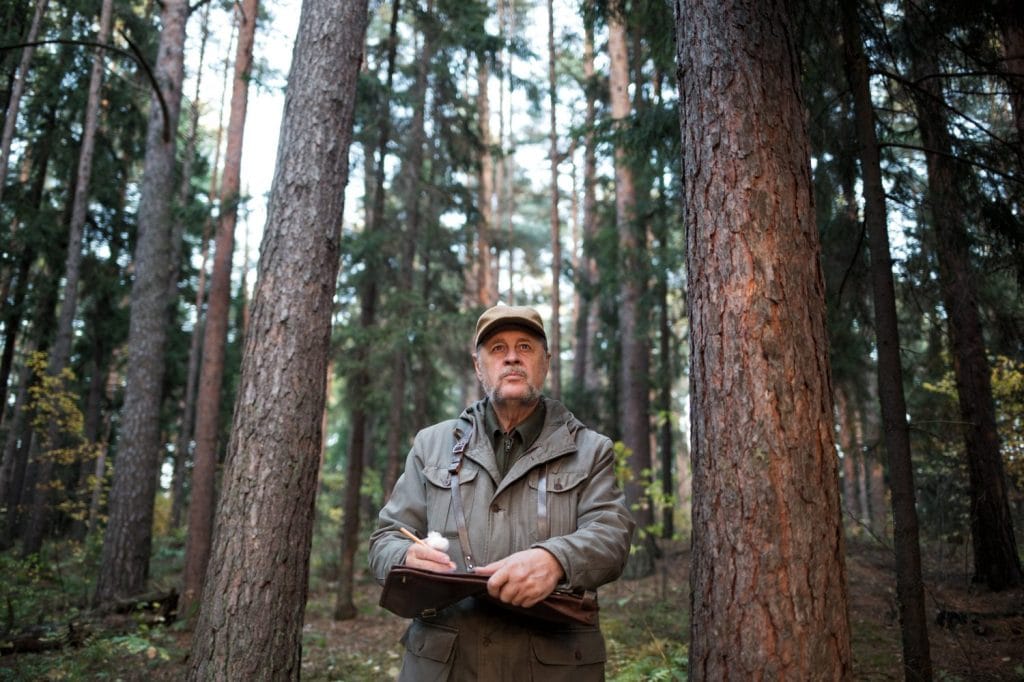
People who spot fishers should report them to state wildlife officials for tracking.
©phBodrova/Shutterstock.com
A New Chapter for Ohio Forests
The fisher captured on a Cleveland Metroparks camera represents more than a single animal. It marks a turning point in Ohio’s ecological story. After generations of loss, a native predator is finding suitable habitat once again. Future sightings will depend on how well forests remain connected and protected. For now, the brief video offers clear evidence that recovery is possible when habitat returns and pressure eases. Ohio’s forests are changing, and some of their original residents are beginning to follow.