
Quick Take
- Conglobation is a required engineering feat for isopod survival.
- The sternal plate proportions in some woodlice create a structural gap during defense.
- Conglobation protects certain pill bugs and also helps them retain moisture.
- Some predators have adapted to have specialized mouthparts that overcome this armored sphere defense.
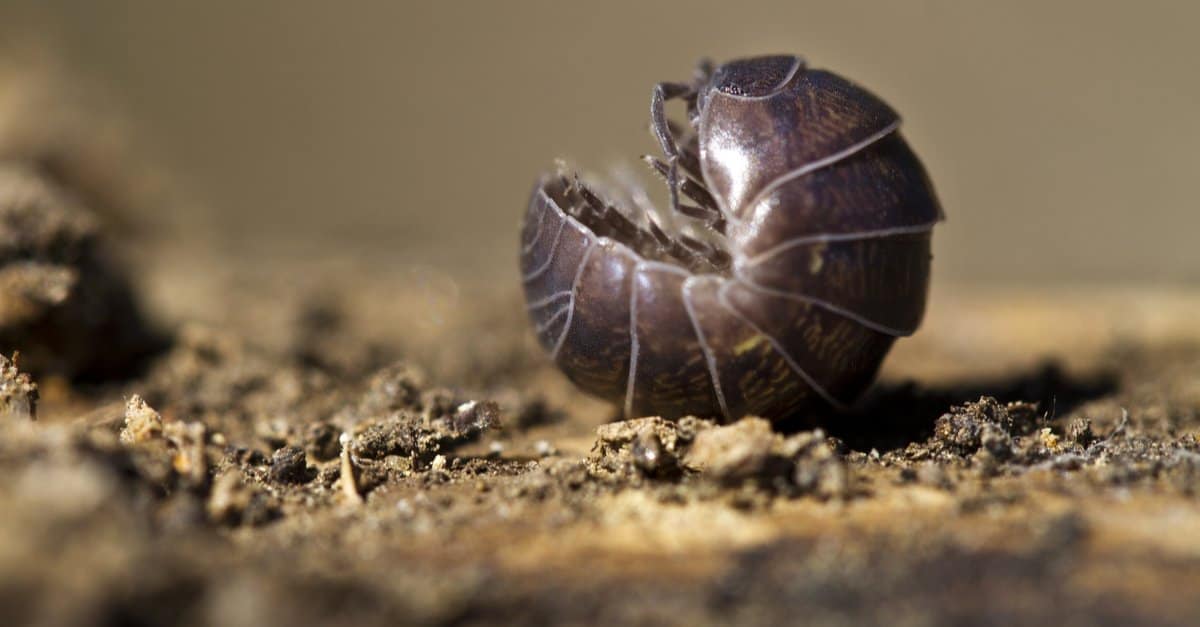
When pill bugs roll into a tiny ball, the act looks far simpler than it actually is. Known as conglobation, a pill bugs’ “ball” involves a full-body engineering trick designed to protect them from predators. But what is this process like, how does the pill bug achieve it, does it truly protect them, and what are the actual benefits behind this process?
Let’s take a closer look at the pill bug’s special trick. This is what conglobation actually does, why only certain species of pill bug can pull it off, the benefits of this unique process, and how evolution has produced predators that can easily see through the pill bug’s only real trick.
What Conglobation Really Is
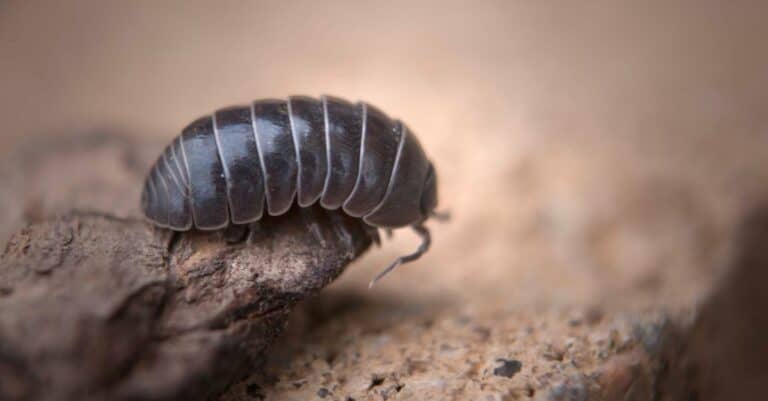
Pill bug is a common name for several terrestrial isopods, including species like Armadillidium vulgare, which is the classic yard roly poly that you’ve likely seen in person. Conglobation is a defensive behavior, typically triggered by physical disturbances such as pressure, strong vibrations, or direct contact that signals danger or threats in the vicinity.

There are multiple reasons pill bugs roll up into balls, and it is an intricate defense mechanism.
©Holger Kirk/Shutterstock.com
Recent biomechanics work using imaging of rolled and unrolled isopods shows that conglobating species actually rely on specific anatomical features that allow their body segments to rotate and overlap during the process. Depending on the species, this can be much more intricate and complicated than you may first expect.
But why do they do it, besides due to automatic triggers caused by their environment?
How Rolling Protects Them from Predators
A pill bug’s most vulnerable sections hide beneath its underside: its legs, mouthparts, and softer ventral surfaces are all weaker sections of its body. Conglobation acts as protection, hiding that whole underside and giving the pill bug a rounded, armored exterior instead. This ball shape makes it much more difficult for predators to penetrate and access their vulnerable parts.
A lack of grip is one of the main benefits of conglobation. Their ball-like bodies can be much more difficult for predators to hold. Additionally, once rolled, a pill bug can quite literally roll away and vanish into debris in a way that flat-bodied isopods can’t. This combo of defense and flee gives pill bugs a chance at survival, should any predator attempt to take advantage of them.
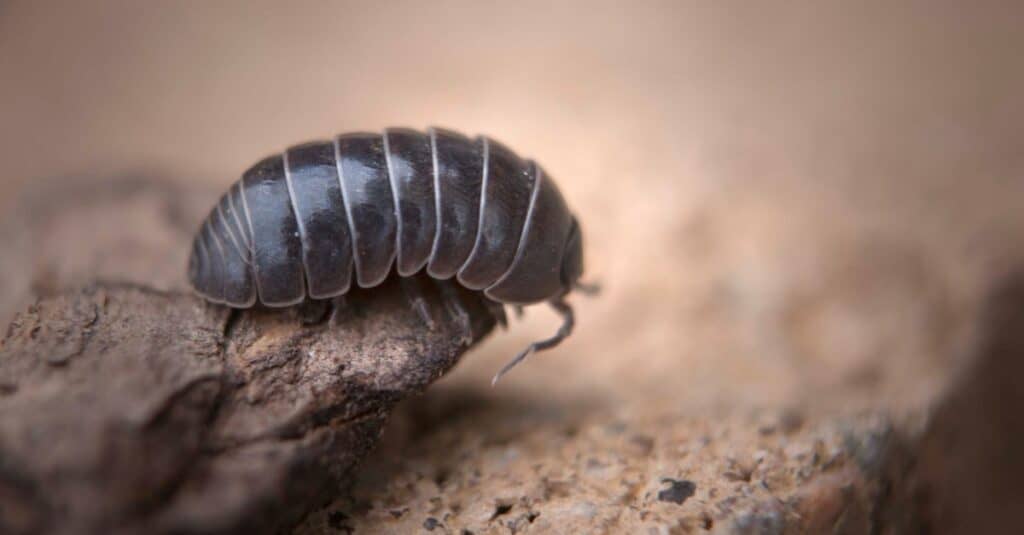
Aptly named the roly poly, pill bugs roll up to retain moisture, as they are technically crustaceans.
©iStock.com/Werhane
Pill bugs also don’t rely on conglobation alone. Armadillidium vulgare has multiple defenses, from its armor to distinct chemical secretions, making it tougher than we think. Besides protection, here’s what else rolling up helps the pill bug achieve.
Rolling Helps With Moisture Loss
Pill bugs may look insect-like, but their physiology is rooted in crustacean anatomy and preferences. These bugs lose water easily and prefer to stick to humid microhabitats, such as leaf litter, soil cracks, the underside of logs, or damp pebbles near a shoreline. But how does conglobation help them stay moist?
An experimental paper in the Journal of Insect Science measured water loss in A. vulgare, finding that water-loss rates dropped when individuals were conglobated. This effect was most apparent at lower humidities and fading at higher relative humidity. This means that, while helpful, conglobation isn’t a complete fix if pill bugs are stuck in drought conditions.
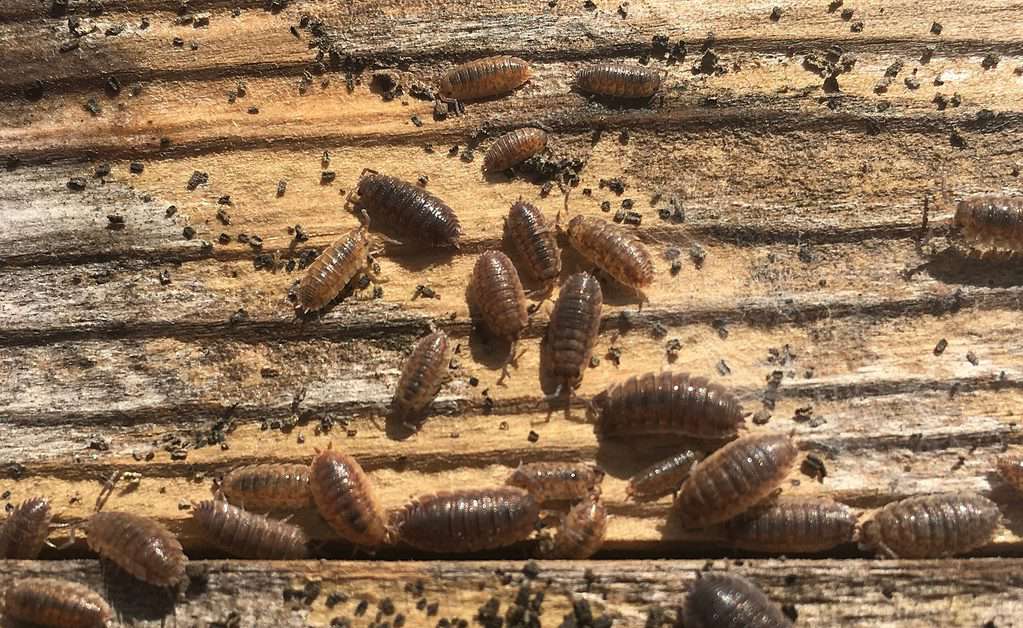
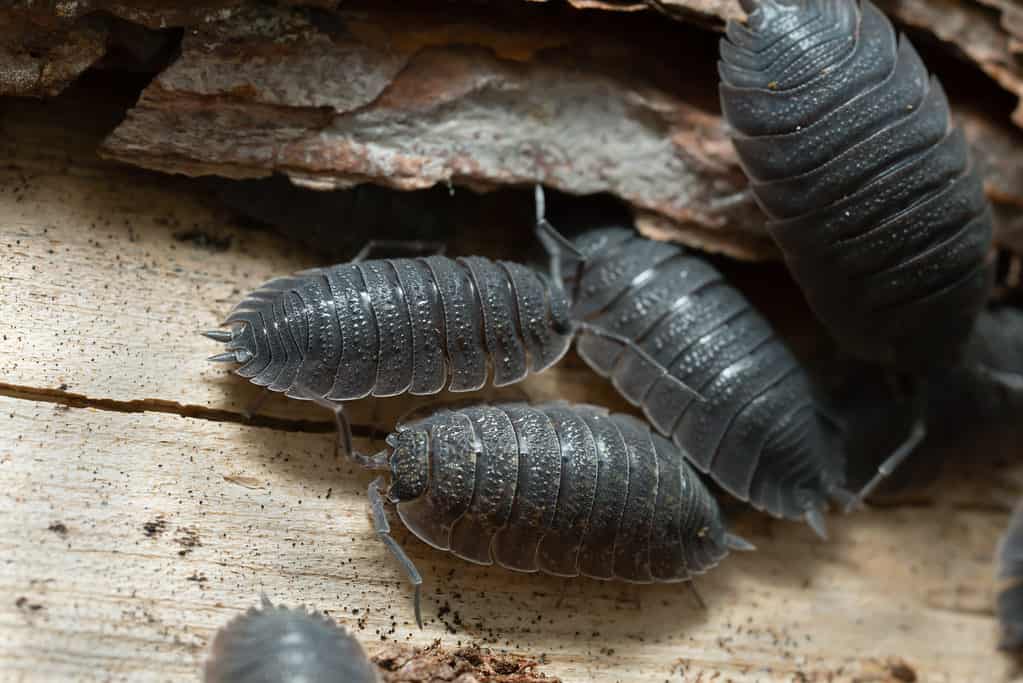
Not all woodlice can roll into a ball, but they frequently gather together to retain moisture.
©Ellianne/Shutterstock.com
Woodlice also commonly aggregate, or pile all together, in dry conditions, which can also help them stay damp. In fact, experimental work on desiccation and grouping shows aggregation can cut individual water loss dramatically. This helps keep these land-based crustaceans happy and safe.
Not All Woodlice Can Roll Into a Ball
Many terrestrial isopods you’ll find under the same rock are woodlice. However, not all of these species can form a sealed, protective sphere using their own bodies. They may be able to tuck their legs in, but if there are any gaps, they aren’t able to do a full roll.
The reasons are partly evolutionary, but also partly structural. Conglobation has evolved in certain lineages and not others; even closely related families can differ in their ability to roll. A clear example comes from a molecular and taxonomic paper on Porcellionidae, which notes that members of Porcellionidae are generally unable to conglobate, with limited exceptions. They tend to flatten out rather than roll up.
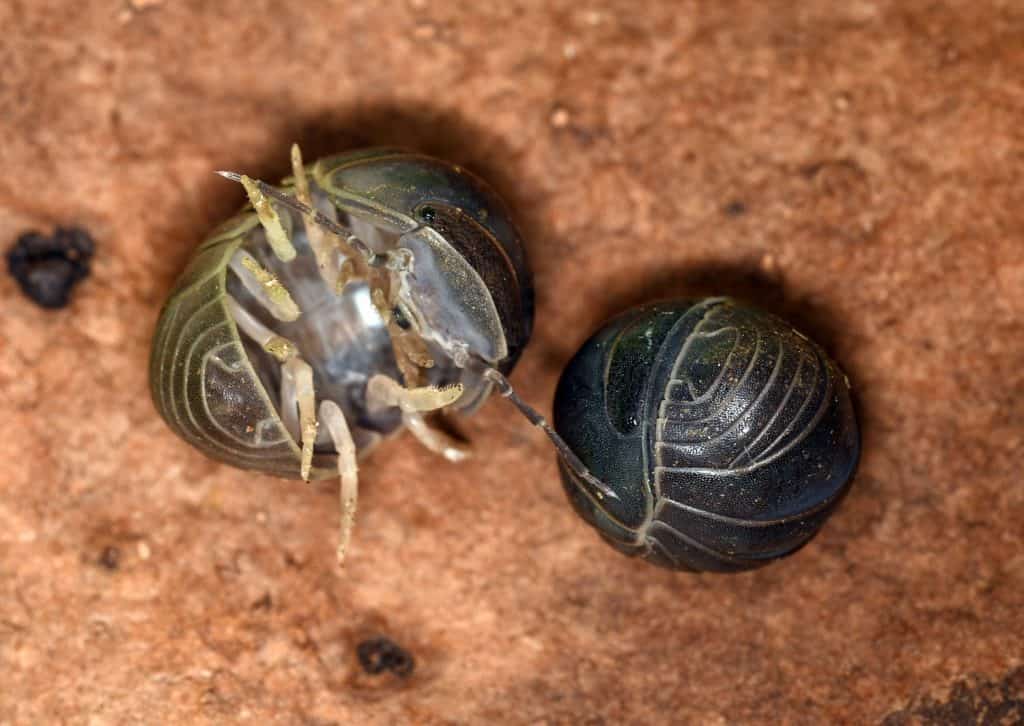
With no gaps in their ball, pill bugs form armored spheres.
©Guillermo Guerao Serra/Shutterstock.com
The biomechanics also differ in these species. Recent research on the skeletal mechanics of rolling describes how conglobating isopods have distinct sternal plate proportions compared with non-rollers, and how these plates overlap and bend during rolling, all features that help create a tighter seal around legs and vulnerable parts.
Predators That Challenge Conglobation
Conglobation works often enough for pill bugs to be worth doing, but predators continue to adapt alongside these little bugs. Here are some of the predators capable of breaking through a tight and intricate conglobation defense.
Birds
Larger birds can pick up and crush or peck through defenses that stop smaller birds or animals. In fact, these defenses are far less effective against larger predators, which means roly polys are in trouble if a beaked predator catches sight of them.
The Woodlouse Hunter Spider
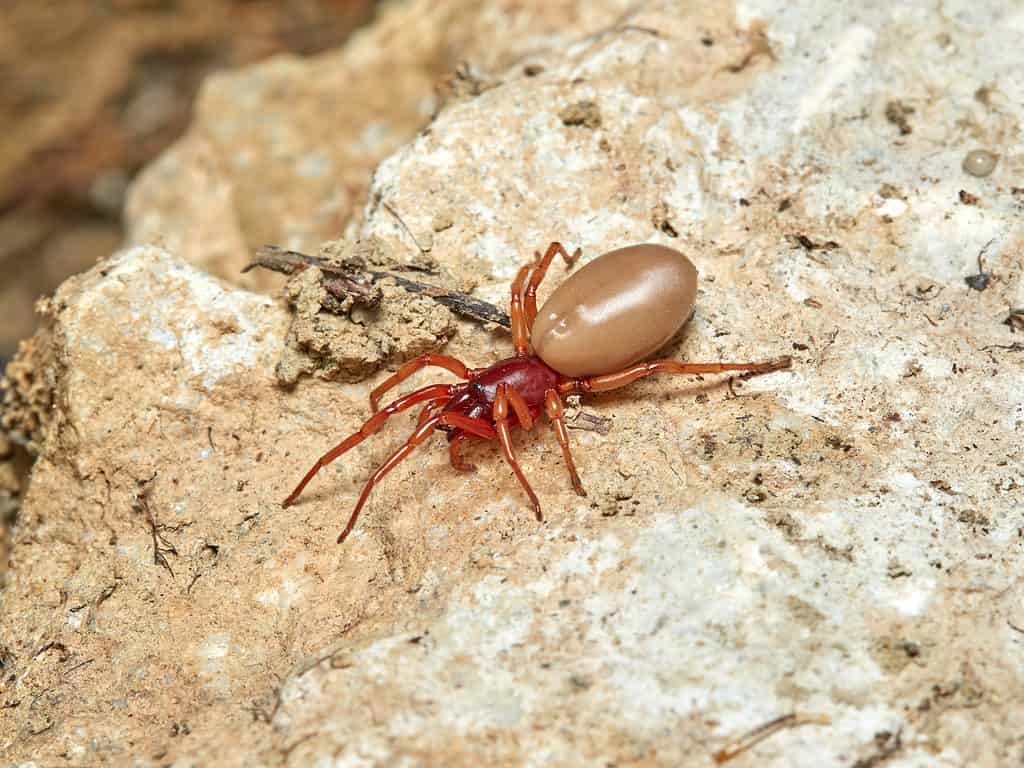
The woodlouse hunter spider has evolved to easily break through a pill bug’s defenses.
©Macronatura.es/Shutterstock.com
One of the best-known predators of the pill bug is the woodlouse hunter spider, classified as Dysdera crocata. Its oversized mouthparts help it tackle heavily armored isopods. In fact, this spider is primarily a predator of sowbugs and pillbugs because its large fangs help penetrate the armor with ease, making it readily adapted to take down these innocent balls of bug.
Ants and Beetles
Many ants and predatory beetles attack exposed edges of pill bugs, including prying at the seams of their rolled-up form, or simply exploiting moments when the pill bug has to unroll to breathe or move. While it’s an effective defensive response, conglobation is only one strategy among many and is not universally unbeatable, even among small insects.
When Conglobation Doesn’t Work
If a predator is too large, there’s only so much a pill bug can do to defend itself.
©Henrik Larsson/Shutterstock.com
Rolling into a ball may seem like a fantastic defense, but it has limits that show up in real-world encounters. Some of the moments conglobation doesn’t work include:
- When the predator is too strong or too big. Crushing and repeated pecking can override this armor advantage, especially for birds, as previously mentioned.
- When the pill bug can’t fully seal. Young individuals, injured pill bugs, or species that only partially conglobate leave gaps in their armor. If legs, antennae, or soft underside remain accessible, a predator can easily find an opening.
- When dryness is extreme or humidity is too high. While water conservation is important to pill bugs, rolling up in a ball doesn’t manifest moist conditions. Likewise, when they are too damp, conglobation doesn’t remove excess moisture, which may harm these creatures in the long run.
- When a threat isn’t solved by rolling. Conglobation is great against grabbing and some kinds of stinging from insects. However, it’s less helpful against predators that can slip their mouthparts into seams or those that specialize in armored prey. While pill bugs roll up into a sophisticated structure, it is still only so invincible.
Pill Bugs Roll Up for a Reason
While easy to dismiss, pill bugs are intricate and evolved creatures that roll up for multiple reasons. They are also incredible assets to any yard or garden, as they shred dead leaves, recycle nutrients, keep food webs moving, and assist in damp areas. Conglobation is only one element of how a small, water-sensitive crustacean survives on land; indeed, pill bugs are quite miraculous creatures.