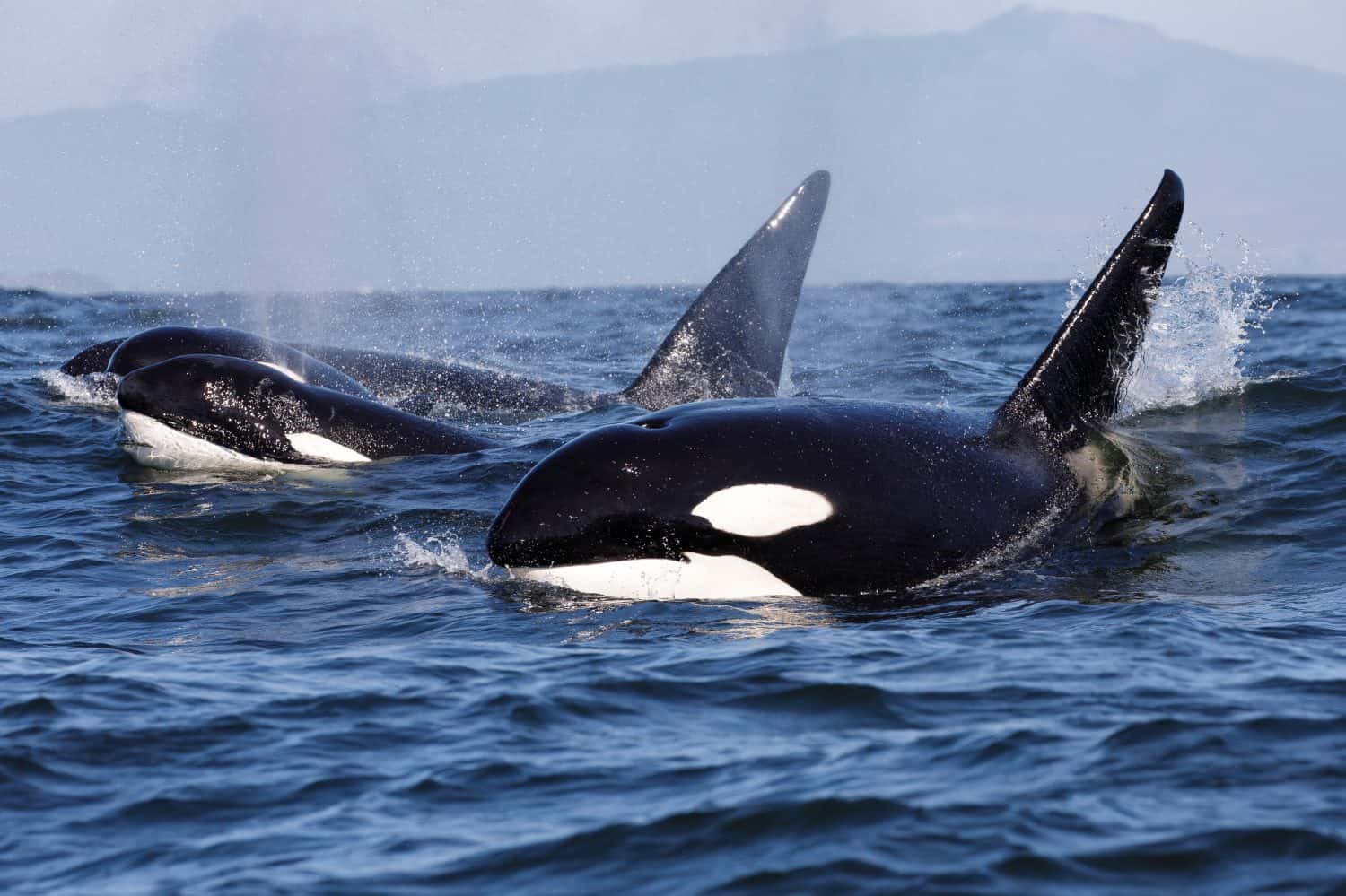

Out in the cold, blue stretch of water between Washington State and Canada, a small team of scientists is on a mission to save one of the rarest whale populations on the planet, the southern resident orcas. Only about 74 of these killer whales are left, and every single one counts.
The orcas’ home base is the postcard-perfect San Juan Islands, a maze of misty forests, rocky coves, and quiet harbors. And on the surface, the crew looks like any group heading out for a day at sea. But this isn’t your average boat ride.
Did we mention that the team of scientists includes drones and one very cute rescue pup named Eba? With a rescue dog on deck, a couple of buzzing drones overhead, and a ton of determination in their back pockets, these scientists are attempting to solve a mystery that could dictate the whales’ future. It’s a fascinating effort between man, machine, and canine!
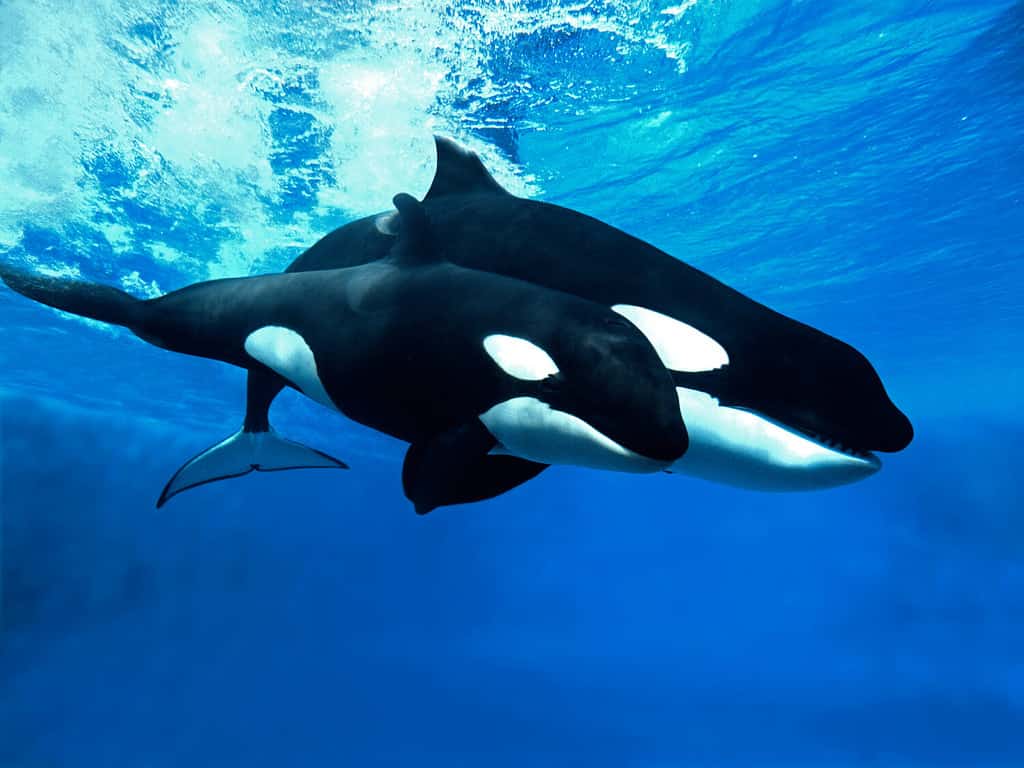
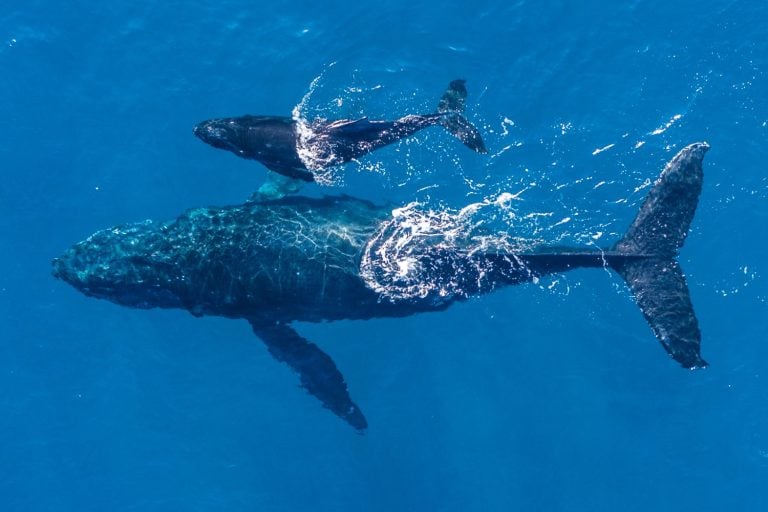
In the waters off the San Juan Islands, each orca sighting feels like a small miracle.
©slowmotiongli/Shutterstock.com
A Dog With a Superpower? You bet!
Meet Eba, a small, scruffy rescue dog with a nose that might just help save the whales. Her job? Sniff out orca poop. Yes, really.
When researchers take the boat out, Eba stands near the bow, nose twitching in the breeze. Whale scat can float for only about 30 minutes before sinking or breaking apart, so finding it fast is key. When Eba catches a whiff, she wags her tail or leans in the direction of the scent. The team quickly steers the indicated way to scoop up the sample before it disappears.
To the untrained eye, it must be an odd sight … a dog leading a boatload of scientists on a chase through open water. But that dog nose is powerful. Eba can smell whale waste from more than half a mile away, and those fecal samples are packed with information. Researchers can analyze hormones, toxins, diet, and even whether a whale might be pregnant, all without ever getting close enough to disturb them.
It’s one of the least invasive ways to study wild orcas, and it’s far safer than older methods like tagging or darting. For the whales, it’s science without the stress.
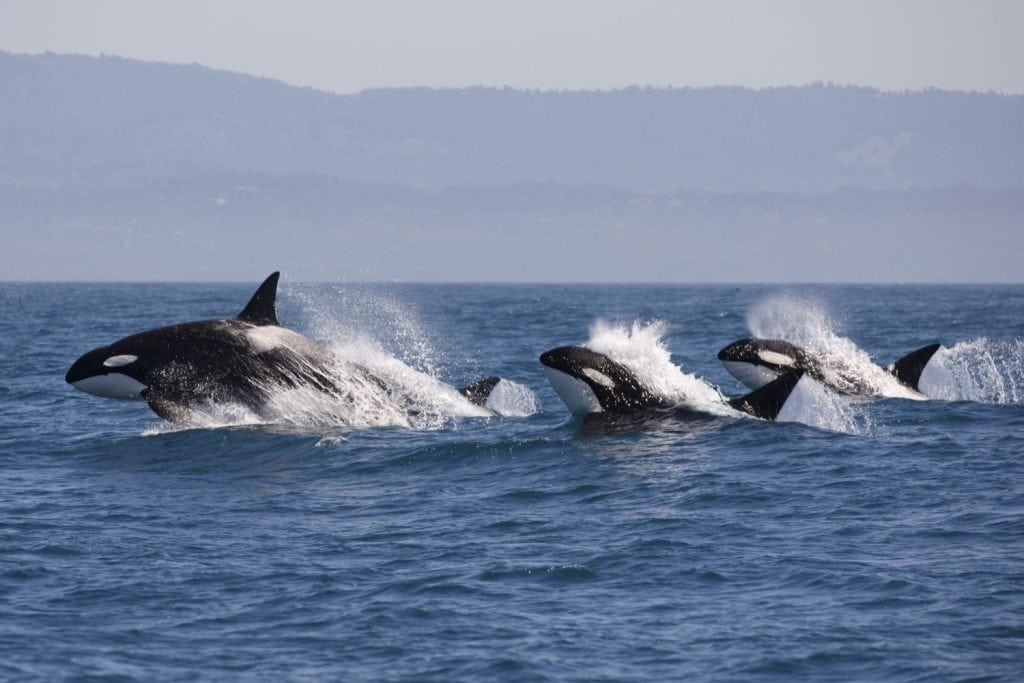
The Southern resident population is divided into three pods (J, K, and L) that travel together through Washington’s coastal waters.
©Tory Kallman/Shutterstock.com
Eyes in the Sky: Science From Above
While Eba works from the water, drones hover quietly overhead. From above, they capture a whole new perspective — not just photos, but data that could help save lives.
Each time an orca surfaces to breathe, a small drone swoops down and collects droplets from the whale’s “blow,” that misty burst of air and moisture that shoots up when a whale exhales. Those tiny droplets contain a mix of bacteria, hormones, and even traces of viruses, which are the biological clues scientists need to check in on a whale’s health.
It’s like running a veterinary checkup from the sky. The drones can spot whether whales are pregnant, malnourished, or stressed, and the footage also helps track growth rates and physical condition over time.
This all happens without a single whale being touched or tagged. The drones are small, quiet, and quick, often flying in and out before the orca even knows they’re there.
What’s Really at Stake?
These high-tech and low-tech tools (dogs, drones, and good old-fashioned teamwork) are helping scientists understand what’s behind the orcas’ decline.
Food is a big part of the problem. The southern resident orcas feed primarily on Chinook salmon, populations of which have been dwindling for years due to overfishing, dams, and warming waters. When the fish run low, so does the whales’ energy. Some lose so much weight that their ribs start to show.
But food isn’t the only issue. Orcas also face pollution, vessel noise, and environmental stress that can affect reproduction. All of these factors add up and understanding how they combine to negatively affect these whales is what this research is all about.
By analyzing the whales’ scat and breath, scientists can detect chemical contaminants, track pregnancies, and monitor stress hormones. If they see rising stress or falling nutrition, that’s an early warning sign that the whales need help before it’s too late.
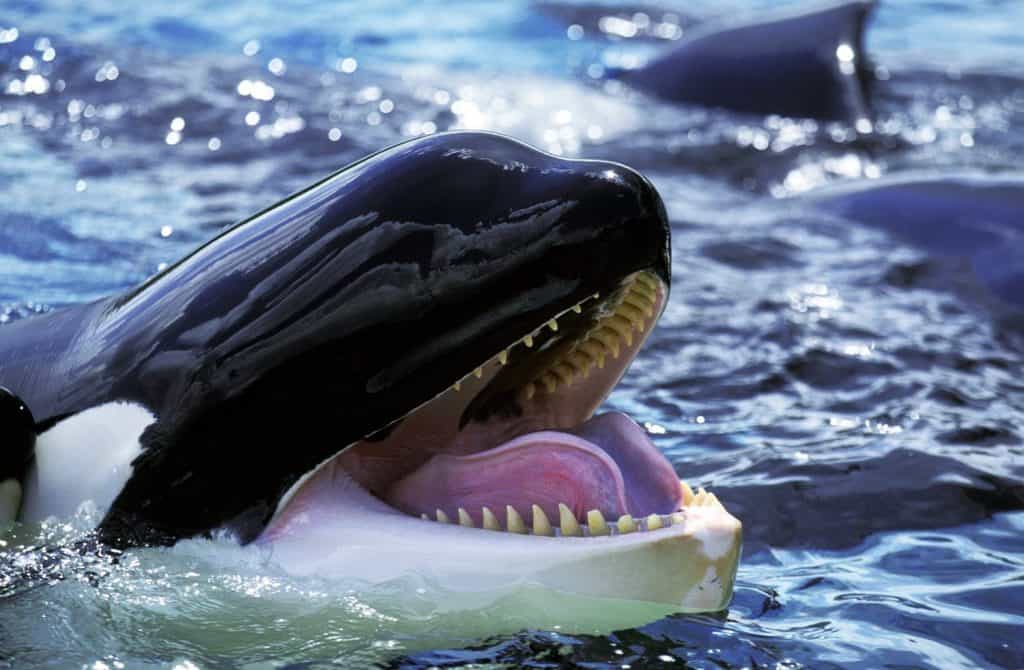
There are seventy-four southern resident whales left, and every one matters.
©slowmotiongli/Shutterstock.com
A Bigger Picture From Tiny Clues
The idea might sound simple … follow the whales, collect samples, and analyze the data. But the work is slow, meticulous, and deeply human. Scientists spend long days scanning the horizon, waiting for a dorsal fin to break the surface. When it does, the boat changes course, Eba perks up, and the team springs into action.
Every droplet and grain of waste tells part of a story. Over time, those tiny clues form a bigger picture. It’s a puzzle that’s constantly evolving, and every season brings new pieces.
What makes this work so special is how it’s done. These scientists are learning to “listen” to the whales without ever interfering. Instead of collaring or tagging them, they rely on air and scent. It’s the quietest, most respectful way possible to gather information.
The approach reflects a larger shift in wildlife research, moving away from invasive methods and toward technology that allows animals to simply live their lives. For the orcas, it means fewer disruptions in already fragile waters. For scientists, it means more authentic, natural data.
It’s also helping to build trust with local communities, especially the Indigenous tribes who have lived alongside these whales for centuries. To them, orcas are family — beings with deep spiritual significance. That cultural understanding helps guide conservation decisions, blending traditional knowledge with modern science.
Hope is on the Horizon
The southern residents are still in trouble, but there’s real hope in what’s happening off the coast of Washington. Each sample and data point helps pinpoint specific problems, and therefore potential solutions — from boosting salmon runs to changing boat traffic patterns to reducing underwater noise.
With Eba on deck and drones in the air, researchers can identify pregnant females, monitor newborns, and track the pod’s overall health in real time. That means they can respond faster, with targeted efforts instead of guesswork.
It’s not just about saving whales; it’s about saving a way of life in the Pacific Northwest. Orcas are woven into the region’s identity — featured on murals, ferry terminals, T-shirts, and within tribal stories. Losing them would mean losing part of what makes the Salish Sea unique.
At the core of this work is something beautifully simple: respect. The scientists here aren’t trying to control or confine; they’re trying to understand. They’re working in partnership with local people and nature itself, using innovation to rebuild balance where it’s been lost.
And while the work is technical, the goal is human: to give one of the world’s most remarkable species a real chance to thrive again and making sure their story doesn’t end here.