
Quick Take
- One mammal on this list weighs less than a handful of coins, and yet it outlives plenty of larger animals. Discover this tiny survivor →
- Scientists confirmed one creature's age using a fragment of ancient human technology found lodged in its body. See how age was confirmed →
- One of the longest-lived mammals on the list also happens to be one of the only non-human animals known to experience menopause. Explore the menopause connection →
- A wrinkly, palm-sized rodent may hold the key to unlocking why some bodies simply refuse to age. Meet the ageless rodent →
Mammals are quite diverse. They come in all shapes, sizes, colors, and activity levels. They also differ widely by lifespan. While some mammals live a few short years, others can thrive for decades. Scientists believe these incredibly long lifespans are affected by factors like slow metabolism, intelligence, social behavior, and body size. In some cases, researchers are still trying to understand exactly why certain mammals are capable of such longevity. These are some of the mammals with the longest lifespans on Earth.
Bowhead Whale
©Ansarphotographer/Shutterstock.com
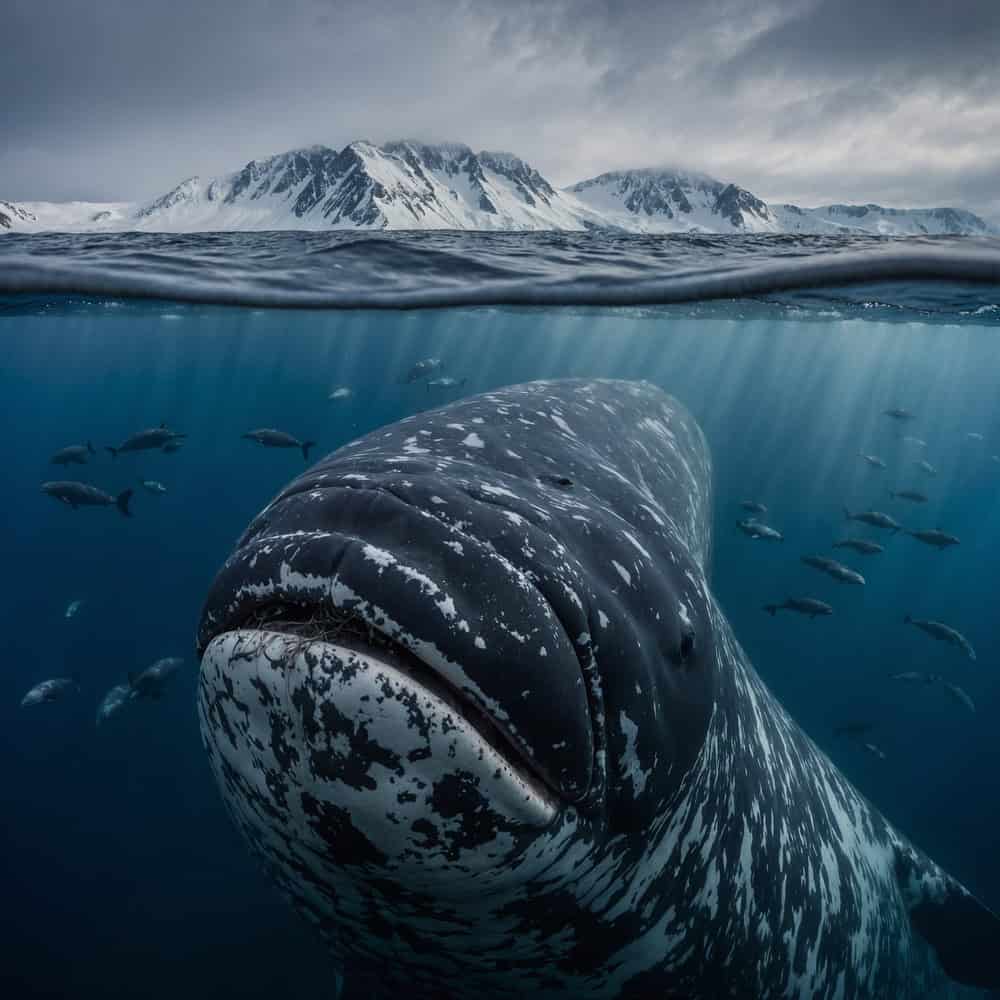
The bowhead whale is widely considered the longest-living mammal on Earth. Some individual whales are believed to survive for more than 200 years in the icy depths of the Arctic Ocean. Amazingly, scientists have discovered ancient harpoon fragments embedded in certain whales, confirming their incredible ages. Perhaps thanks to their extremely cold habitat, bowheads age unusually slowly and are also impressively resistant to disease. These factors contribute to their extraordinary longevity.
Human

©Magomed Magomedagaev/Shutterstock.com
Humans are among the longest-lived land mammals. Though we aren’t even close to surpassing the bowhead whales’ lifespan, the human lifespan has drastically increased in under two centuries. (In 1850, the average human life expectancy was only 48). Modern medicine, sanitation, and nutrition helped humans regularly live into their 80s, with some exceptional individuals living far beyond. The oldest verified person, Jeanne Calment, lived to 122 years old. Scientists often link intelligence and complex social behavior with increased longevity.
Orca
©A-Z Animals
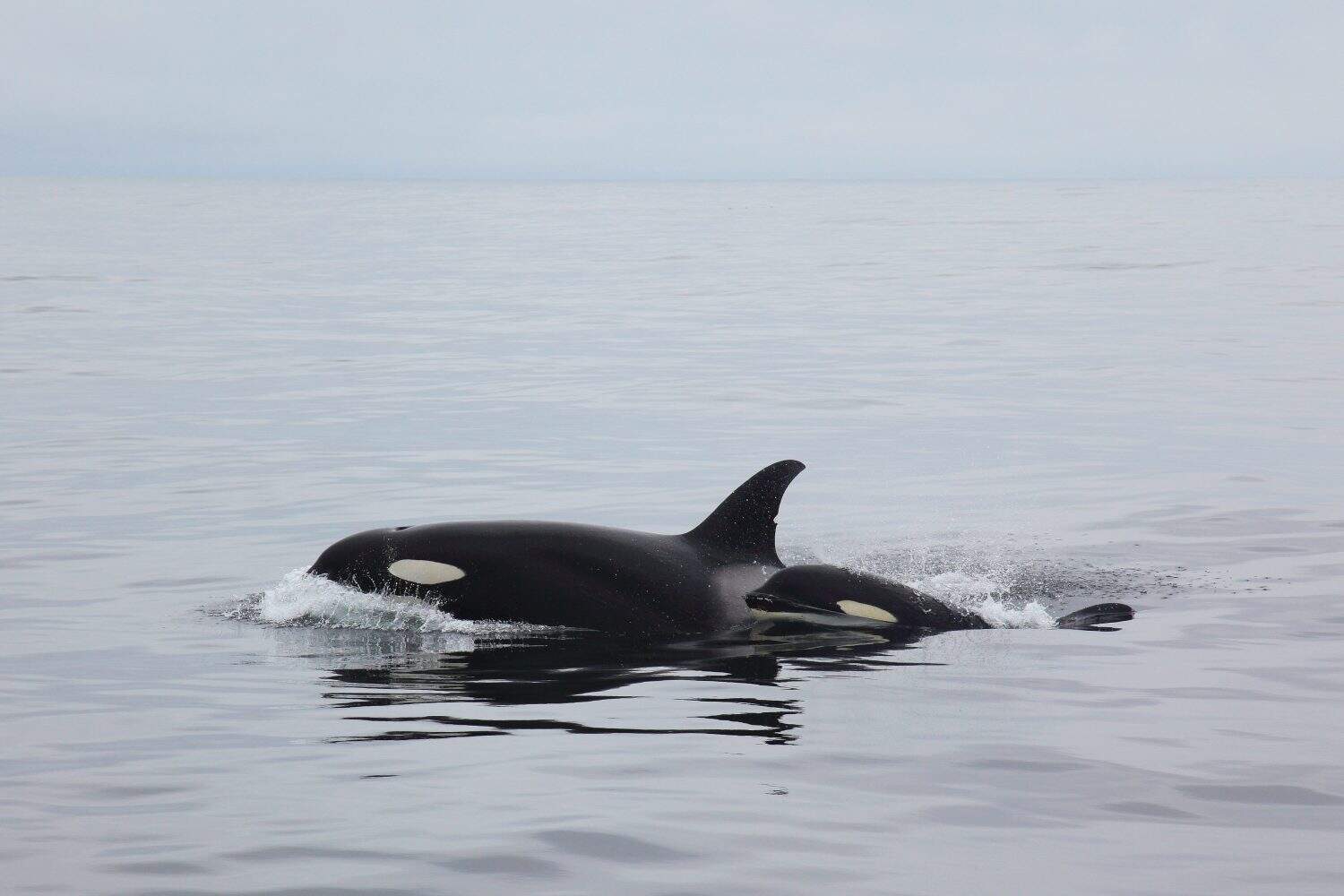
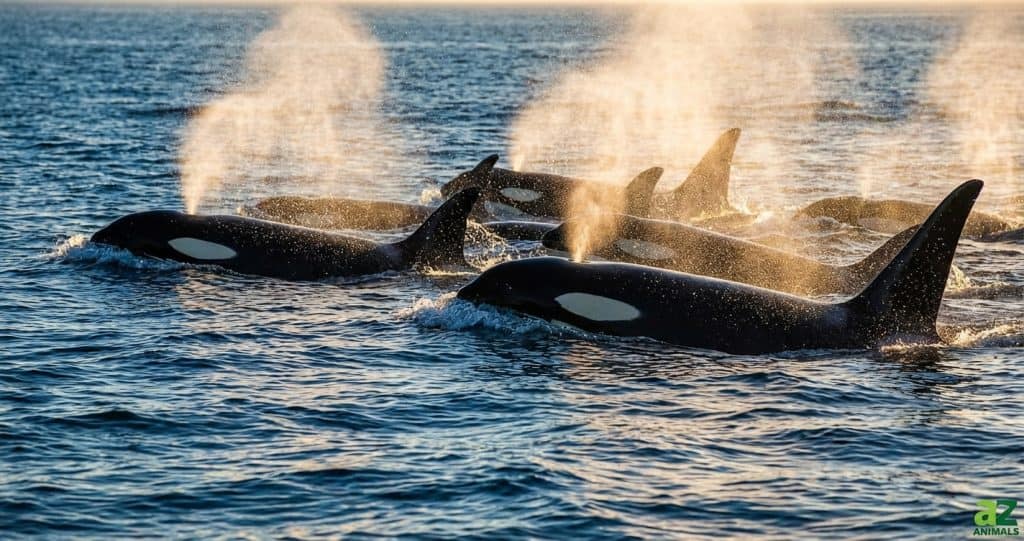
Orcas, also called killer whales, can live surprisingly long lives. Female orcas sometimes survive for 80 to 100 years or more in the wild. Older females are true matriarchs, playing especially important roles in family groups by guiding younger whales and finding food sources. Remarkably, orcas are one of the few non-human mammals known to experience menopause. Because they can live so long, pods are made up of several generations and they pass knowledge between generations as well.
Asian Elephant
©Sourabh Bharti/iStock via Getty Images
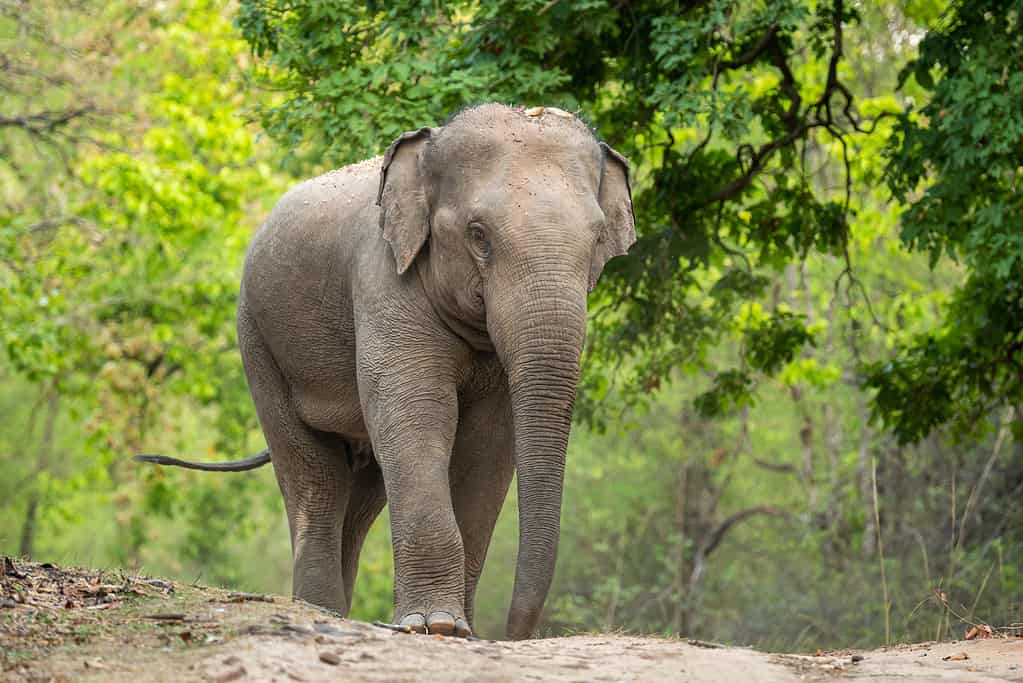
Asian elephants are capable of living into their 60s or even 70s. As mentioned, socializing and intellect may be tied to longevity, and these highly intelligent animals form strong social bonds. They also have impressive memory throughout life. Compared to many mammals, elephants age relatively slowly. In protected environments with veterinary care, some individuals live especially long lives. Their unusually long lives are one reason elephants are associated with wisdom and experience.
African Elephant
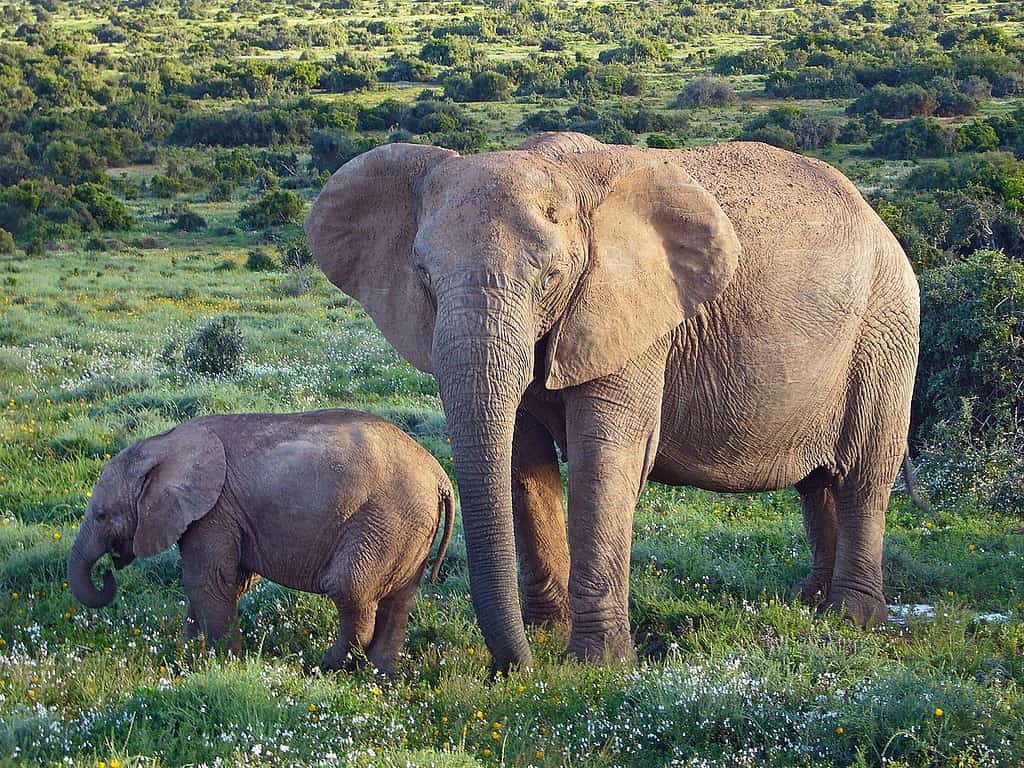
©Gorgo, Public domain, via Wikimedia Commons – Original / License
African elephants are the largest land mammals alive today, and they also enjoy long lifespans. Like their Asian cousins, many individuals survive for 60 to 70 years in the wild. Their enormous size means they don’t have to worry about natural predators once they’re fully grown. Older elephants often become leaders within herds, teaching and guiding younger generations. Like with others on this list, researchers believe social intelligence may contribute to their longevity as well.
Naked Mole-rat
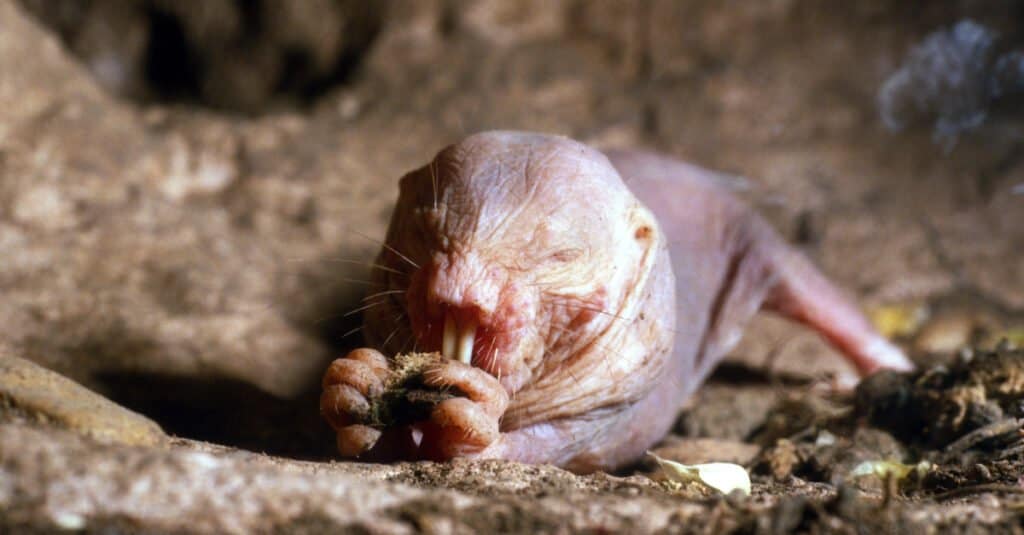
©Neil Bromhall/Shutterstock.com
The naked mole-rat may be the strangest long-lived mammal on the list. This tiny rodent with wrinkly pink skin can survive for more than 30 years. And while most other long-lived mammals are rather large, naked mole-rats are much smaller. Like bowhead whales, these animals seem unusually resistant to diseases like cancer. They also seem to defy certain aging processes. In fact, scientists study them heavily in hopes of learning more about longevity and disease resistance.
Brandt’s Bat

©zdenek_macat/Shutterstock.com
As mentioned in the naked mole-rat section, small mammals tend to live shorter lives. Most small mammals burn through energy quickly and age fast. However, Brandt’s bat is one of the longest-living small mammals ever discovered, despite weighing less than a few coins. This tiny bat can survive for over 40 years. Scientists think hibernation and slow metabolic periods may help reduce aging. For such a little animal, surviving multiple decades is astonishing.
Gray Whale
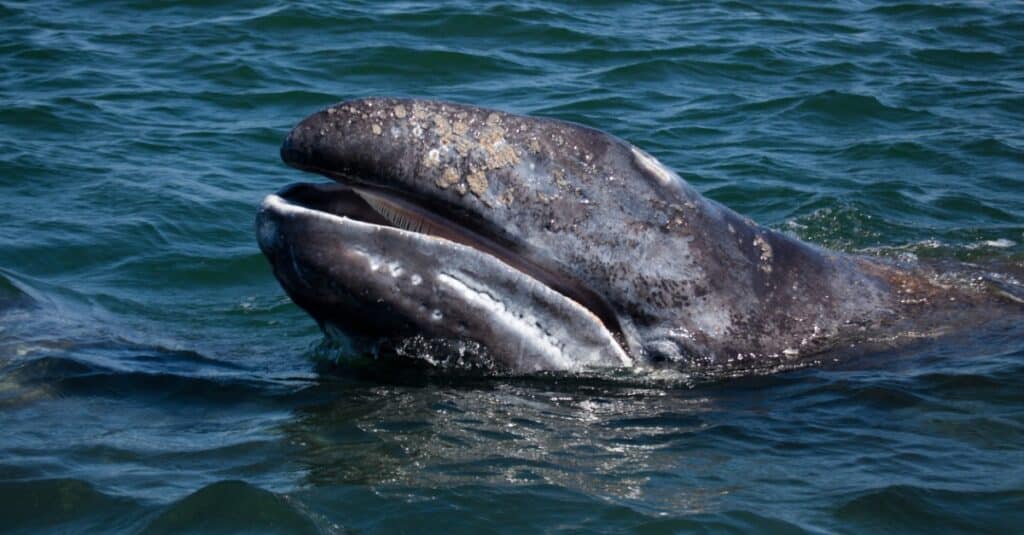
©Mogens Trolle/Shutterstock.com
Gray whales are famous for their massive yearly migrations across oceans, but not many realize these enormous mammals can live 70 to 80 years or longer. Gray whales experience harsh ocean environments, predators, and long-distance travel throughout life, yet somehow, they endure for decades. Some gray whales even survive attacks from predators and go on to live for decades afterward. Their resilience and extremely long journeys give them a reputation as one of the ocean’s toughest mammals.
Chimpanzee
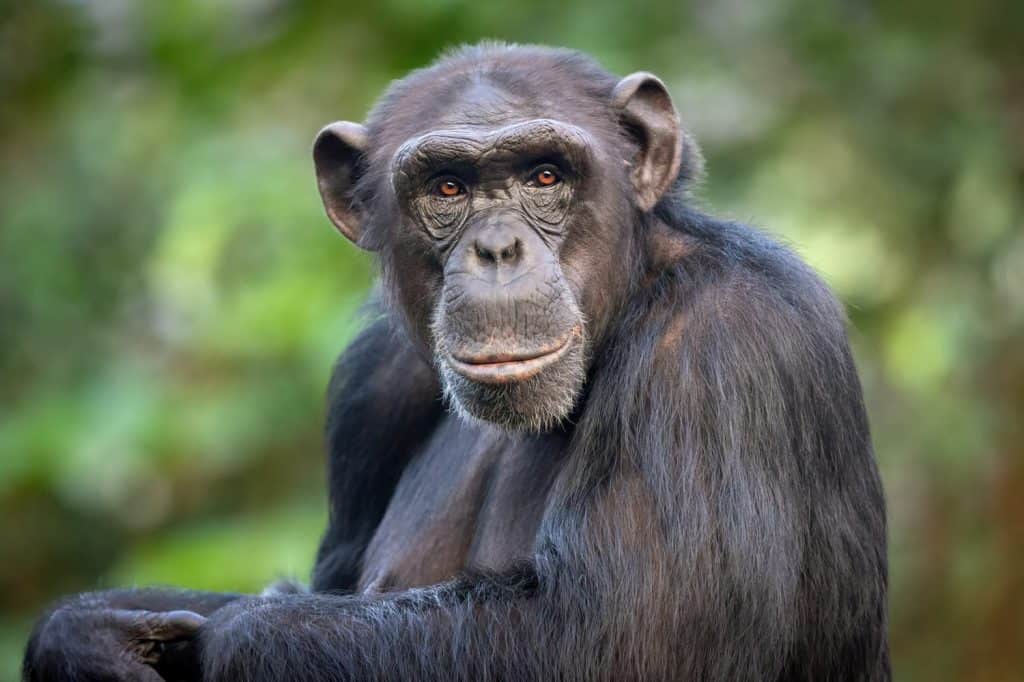
©KensCanning/Shutterstock.com
Chimpanzees are humans’ closest living relatives, so perhaps it’s not surprising they have long lifespans. Though they live significantly shorter lives than humans, chimps in captivity can reach their 50s or 60s, which is long for other mammals their size. Their social behavior and emotional complexity have long fascinated scientists. Even older chimps maintain strong relationships within their groups.
Horse
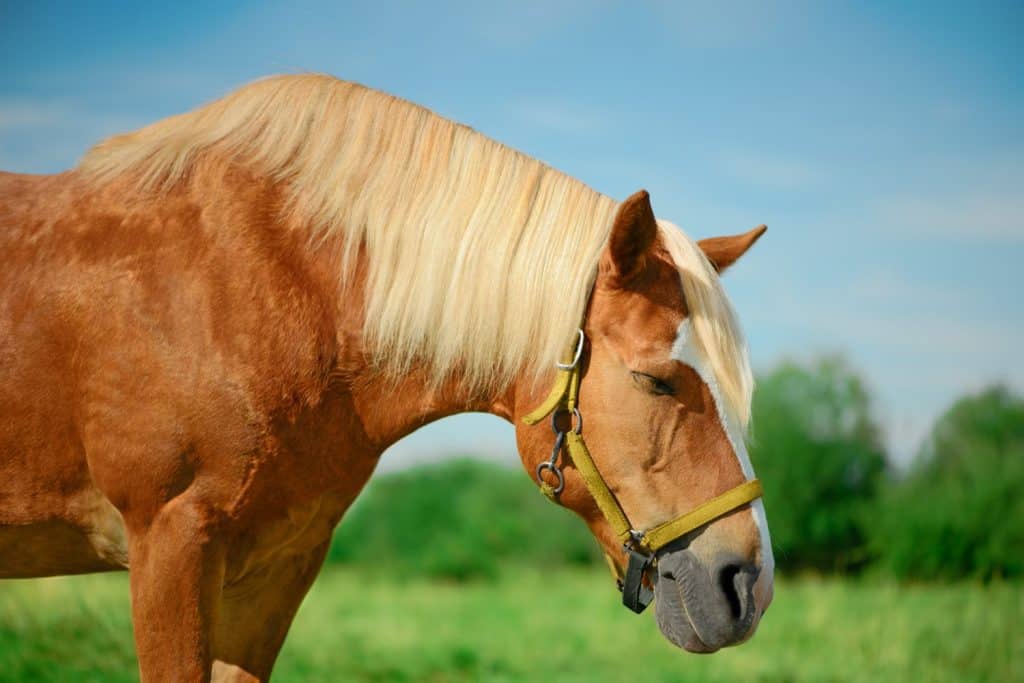
©IRINA ORLOVA/Shutterstock.com
Thanks to advances in veterinary medicine and nutrition, the lifespan of domestic horses has increased significantly over time. Well-cared for horses can live over 40 years. Some breeds naturally live longer than others, but most horses stay healthy, active, and fully functioning into old age. The oldest recorded horse reportedly lived into its 60s, which is extraordinary.