
Quick Take
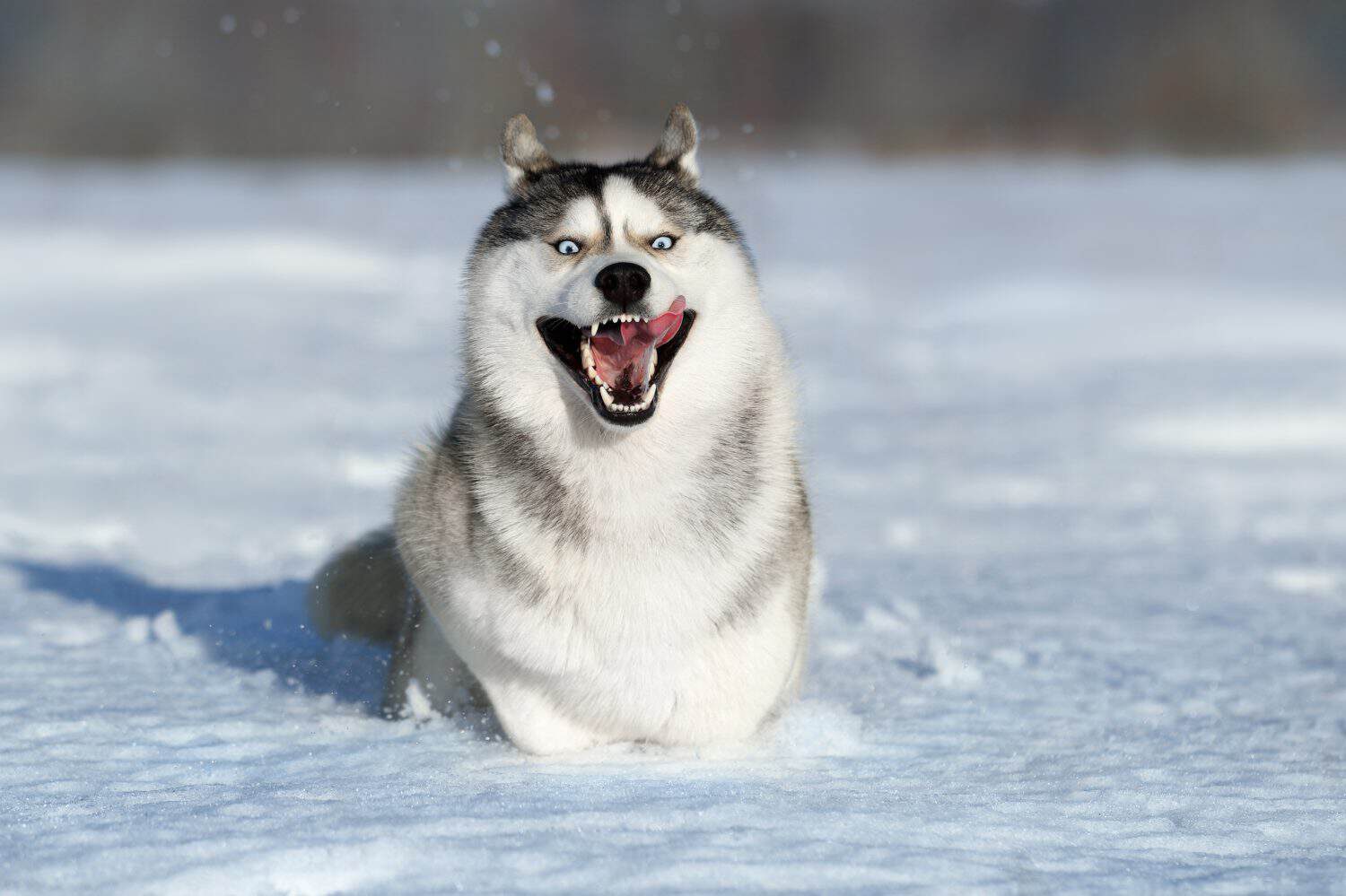
- Snow triggers Frenetic Random Activity Periods (FRAPs, also known as “zoomies”) in dogs, which are massive bursts of energy from sensory shifts.
- Fresh snow concentrates scents near the ground, prompting digging as dogs uncover odors trapped beneath the surface.
- Snow provides a 3D play substrate that lets dogs mimic predatory behaviors safely and cools thick-coated breeds.
Have you ever wondered why your dog acts like a total couch potato most of the year, only to transform into a furry rocket the second they hit the snow? One minute, they’re lounging like a dignified royal, and the next, they’ve been hit with the “zoomies,” becoming a blur of chaos, diving face-first into snowdrifts, and sprinting in circles like they’ve lost their minds.
Why does even a little powder turn our dogs into such snow-crazed creatures? Snow triggers a major shift in a dog’s world; it’s a total sensory overhaul that changes how they smell, feel, and interact with their environment. By understanding the science behind scent-trapping, the relief provided by the ‘cold embrace,’ and the primal thrill of a transformed landscape, we can see that our dogs aren’t really acting ‘weird’—they’re simply enjoying the unique sensory experience that snow provides.
The Science of “Snow Zoomies”
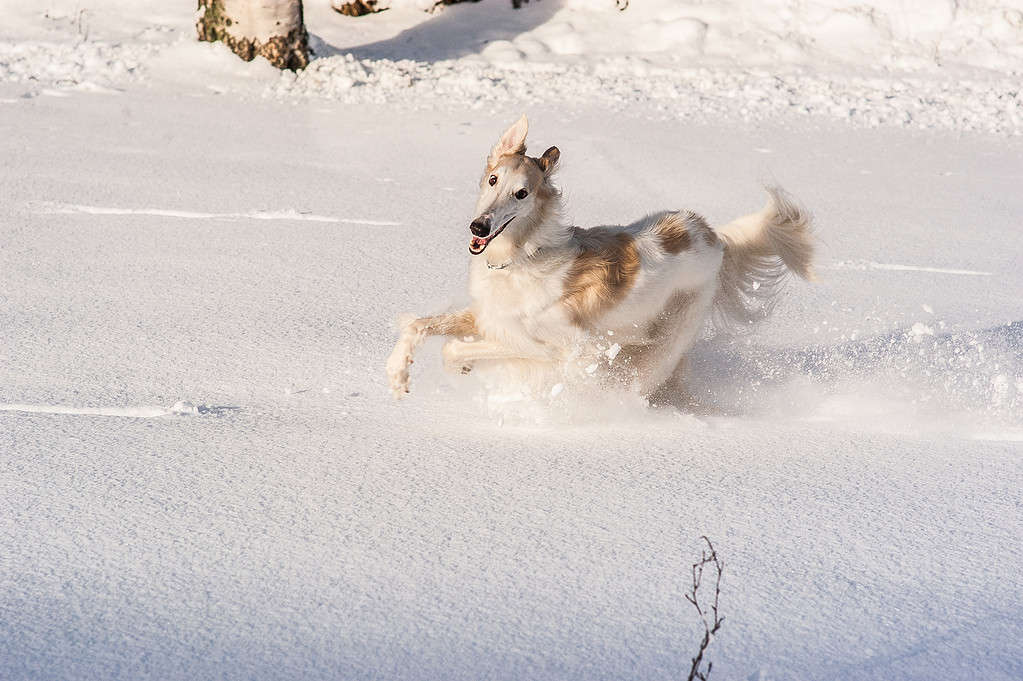
Winter is one of the most stimulating seasons for dogs.
©Trygve Finkelsen/iStock via Getty Images
When that first snowflake falls, many dogs come down with a serious case of the “zoomies.” Behaviorists officially call these seemingly random bursts of energy FRAPs (Frenetic Random Activity Periods), and they are triggered by more than just simple excitement.
To a dog, a blanket of snow isn’t just pretty — it’s a complete transformation of their world. When their familiar landscape suddenly turns white, it acts as a powerful neurological stimulant. It’s essentially a “visual reset” that creates a surge of adrenaline as their brain tries to process the massive environmental shift.
How Snow “Freezes” the Daily News
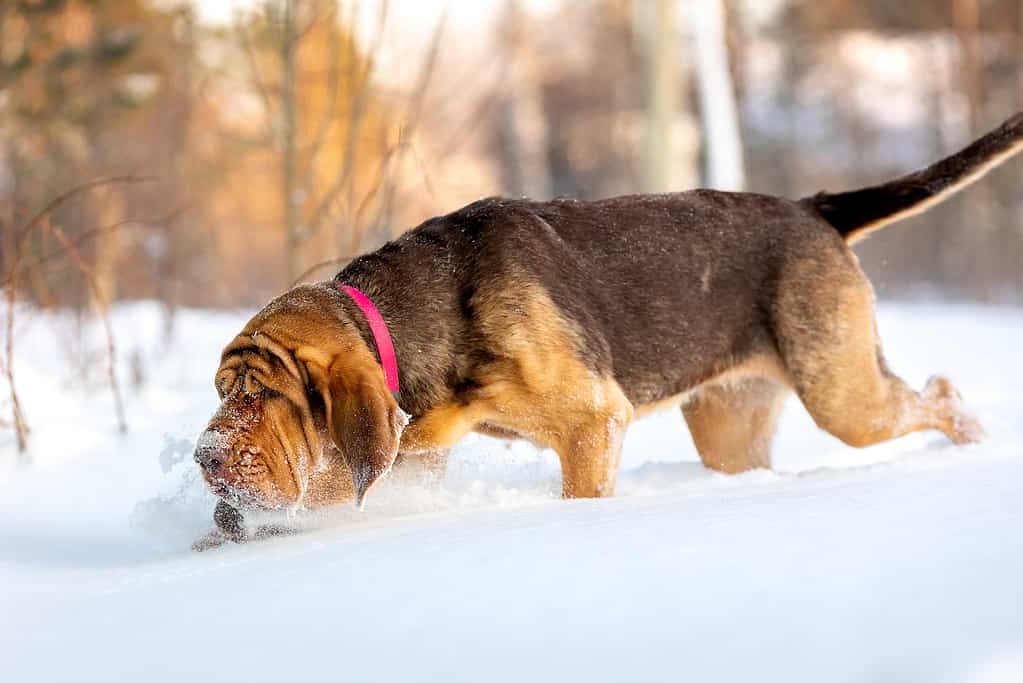
Snow drastically affects sensory input and scent detection.
©Evgenia Glinskaia/iStock via Getty Images
When your dog shoves their face into a snowbank and stays there, they aren’t just being silly — they’re gathering a lot of information very quickly, similar to a high-speed data download. To a dog, a fresh field of snow is like the morning newspaper. It keeps scents low to the ground and concentrated, which is why you may see dogs digging or rooting around frantically — they are trying to uncover layers of odors trapped under the surface. Moist snow holds scents best, while freezing, dry air can cause them to fade away. Essentially, snow provides a whole new way for dogs to “read” their environment.
Some dogs take this a step further and “root” around in the snow. The cold, powdery texture of snow is a completely different tactile experience compared to dry grass or dirt, and your dog enjoys investigating these new textures. Even just eating a few snowflakes allows them to use their mouth to feel and understand the new environment.
The Ultimate Sensory Playground
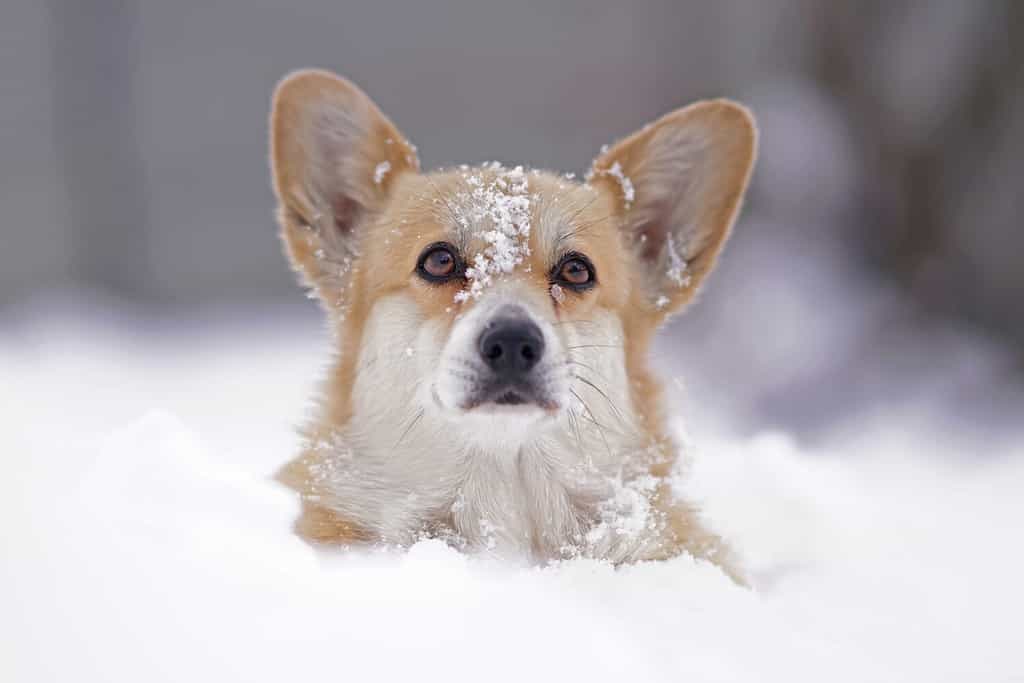
Dogs who dislike the rain and being wet often still love playing in the snow.
©Eudyptula/Shutterstock.com
Beyond the science of scent, snow is simply the ultimate “play substrate” for dogs. Unlike a flat lawn or a hard floor, snow is a 3D material that dogs can actually manipulate. Snow allows dogs to engage in predatory motor patterns in a safe and fun way. When they dig, pounce, or toss snow into the air, they are expressing their natural instincts, mimicking the behaviors their ancestors used for hunting.
For many dogs — especially those with thicker coats, like golden retrievers, spaniels, and huskies — rolling in the snow can also be physically therapeutic. The sensation of cold against their skin provides instant relief for dogs who tend to run hot. These thick-coated dogs can also run and play in the snow as much as they want without overheating. When they roll around and “make snow angels,” it acts like a refreshing, full-body cooling treatment, making the snow feel like a giant, outdoor spa.
Snow Changes How Dogs Move — and Think
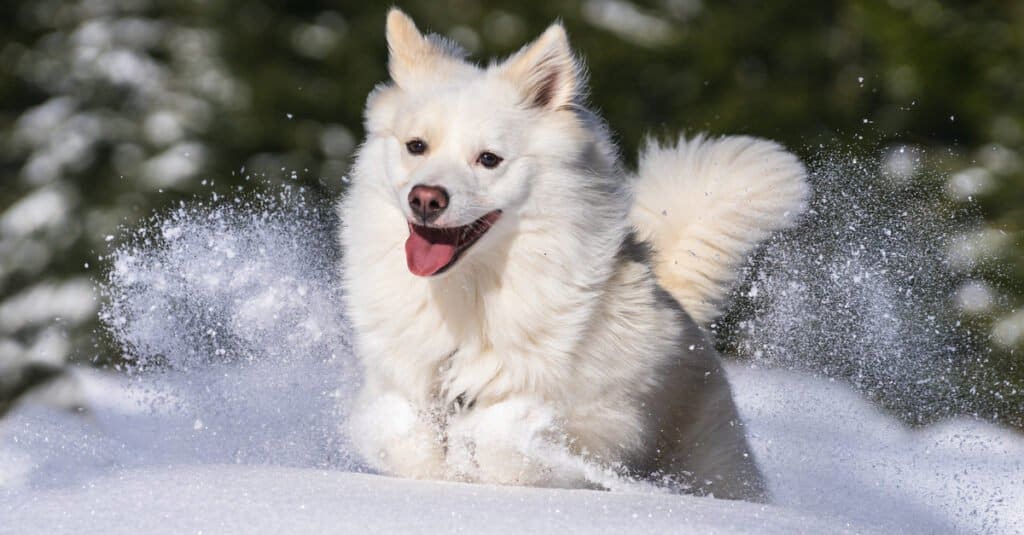
Playing in the snow can actually alter your dog’s brain chemistry.
©Bildagentur Zoonar GmbH/Shutterstock.com
Snow doesn’t just alter what dogs smell and feel; it also changes how they move through space. The uneven, shifting surface forces dogs to constantly adjust their footing and balance. This engages muscles they don’t normally use on flat pavement and challenges their proprioception (their brain’s awareness of where their bodies are in space). This extra mental and physical effort leads to greater stimulation, which can also trigger the “zoomies.”
Fresh snow also acts like a natural sound muffler, absorbing background noise and making the world unusually quiet. With fewer sounds to distract them, dogs become more alert and visually attentive. This heightened awareness makes them more likely to react to movement with sudden bursts of play or chasing.
The cold winter air can also cause a brief spike in dopamine and norepinephrine—chemicals in the brain linked to pleasure and motivation. When you combine this chemical boost with the novelty of a new, snowy landscape, the result isn’t just a happy dog, but an exhilarated one.
Is It Safe for Dogs to Play in the Snow?
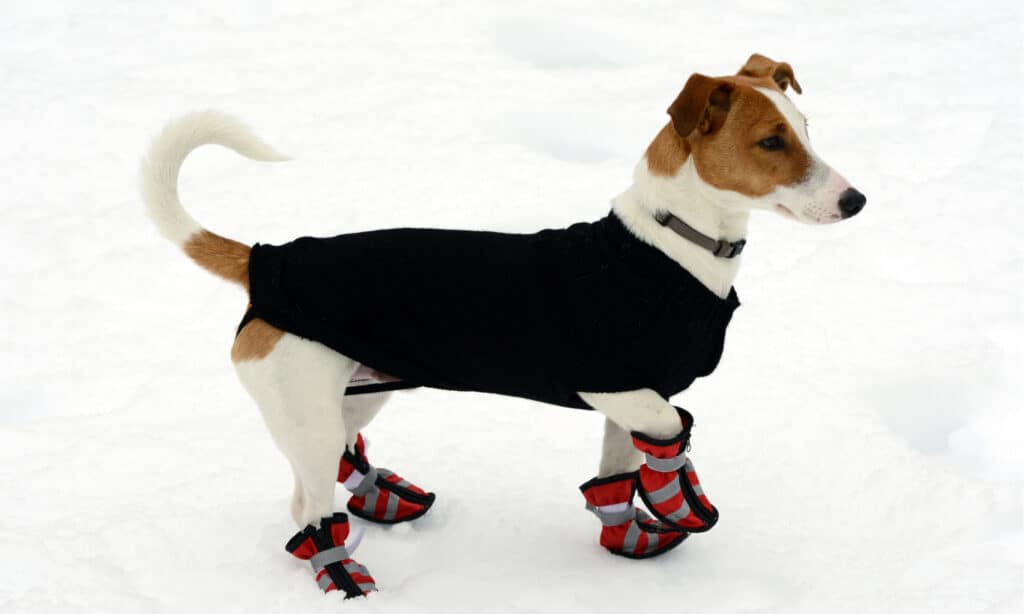
Dog shoes or booties can help protect your dog’s paws from ice melt and other hazards hidden in the snow.
©Photology1971/Shutterstock.com
Winter can be a wonderful shared experience, especially since dogs are incredibly social animals. However, the snow does come with a few winter-specific risks to watch out for.
For example, de-icers and rock salts can be harsh on dogs, causing painful chemical burns on sensitive paw pads. They are also toxic if your dog licks them off later. In addition, you might spot your dog trying to “drink” by eating snow. However, be aware that snow is never a substitute for fresh water. In fact, snow may contain hidden pollutants. It can even lower your dog’s core body temperature too quickly if they eat too much.
Decoding Your Dog’s Cold-Weather Tolerance
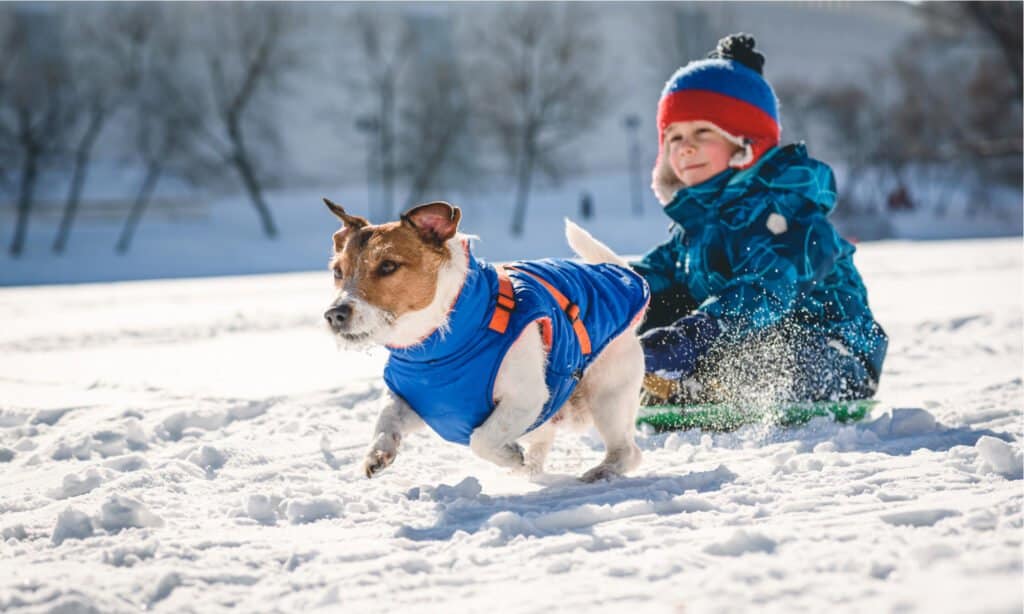
Many dog breeds need a warm coat or a water-resistant jacket for playing in the snow.
©alexei_tm/Shutterstock.com
Your dog’s breed is a good indicator of how to approach snow days. Not every dog is built for a blizzard, so it’s important to know which category your pup falls into and how they will handle the cold.
Snow pros, like Malamutes, huskies, and Samoyeds, were born for snow. They have thick, double coats and specialized paw pads. The challenge with these breeds is that they may never want to come back inside when there’s snow. Watch out for “ice balls” forming in their fur, particularly between their toes.
Breeds like springer spaniels, labrador retrievers, and golden retrievers are high-energy adventurers with water-resistant coats and a high athletic drive. They often love the snow so much that their enthusiasm may outlast their ability to stay warm. Be sure to keep an eye out for shivering. Even if your dog still seems to be having fun, shivering is a sure sign that it’s time to head indoors.
Dogs like boxers, poodles, and beagles have leaner builds or shorter coats. They often enjoy the snow, but they can’t regulate their body temperature for long periods. Stick to short bursts of play and consider a light jacket on especially cold days.
Small breeds with low body fat and thin coats, like French bulldogs, greyhounds, whippets, and Chihuahuas, lose body heat extremely fast. Winter ‘potty breaks’ should be kept short, and sweaters or parkas are essential.
Embracing the Seasonal Chaos
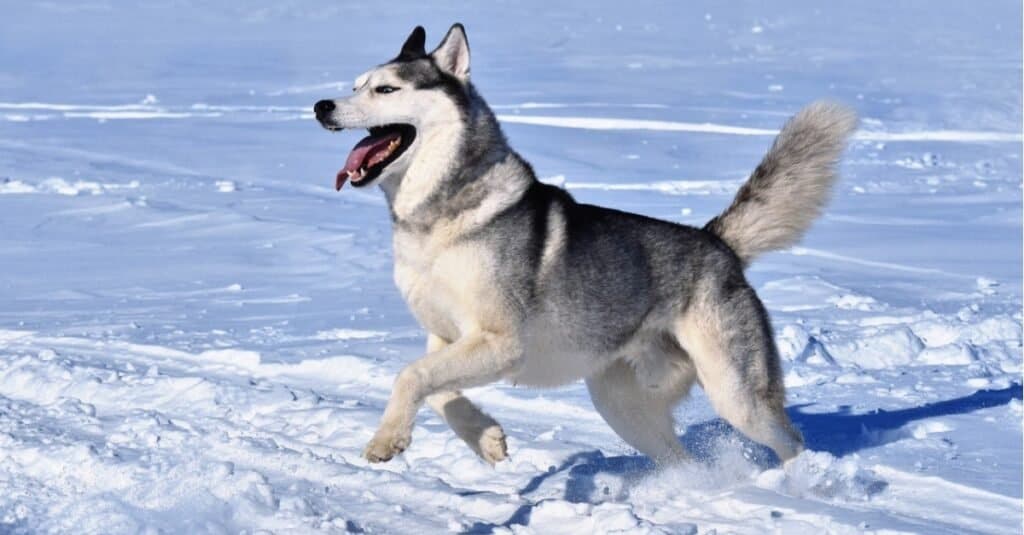
Siberian huskies were specifically bred to work in cold, snowy environments.
©iStock.com/ortlemma
Ultimately, those “weird” winter behaviors — the face-planting, the frantic digging and rooting through snow, and the high-speed sprints — are simply signs of a dog enjoying their world. Snow transforms the boring, familiar yard into a giant, sensory-rich playground. So the next time the flakes start to fall, grab your warmest coat and some fresh water, and let your dog explore and enjoy the experience.