Quick Take
- Operation Thunder 2025 is a multinational INTERPOL-WCO effort across 134 countries that seized nearly 30,000 animals in a month.
- Between Sept 15 and Oct 15, 2025, 4,640 seizures included birds, tortoises, reptiles, primates, pangolins, felines, and 19,415 other animals.
- In addition to live animals, 1,900 elephant ivory pieces, 7 tonnes of pangolin scales and meat, 3,640 turtle pieces, and 4,000 shark fins were seized.
An international operation tackling the illegal trafficking of wild animals and plants has just reported record-breaking seizures. Operation Thunder 2025 has seized nearly 30,000 animals in a month-long operation in 134 countries. Now in its ninth year, Operation Thunder is coordinated by INTERPOL and the World Customs Organization (WCO) with the support of the International Consortium on Combating Wildlife and Forestry Crime.
Operation Thunder 2025
Between September 15 and October 15, 2025, a combined operation involving police, customs, border security, forestry, and wildlife authorities resulted in 4,640 seizures. These included animals, plants, and tens of thousands of cubic meters of illegally logged timber. The operation aims to intercept and seize illegally traded wildlife and forestry commodities. Ultimately, authorities hope these operations will dismantle the criminal networks behind this trade. This year, record seizures were likely driven by the demand for exotic pets. Globally, the value of wildlife crime likely exceeds $20 billion USD.
What Animals Did Operation Thunder 2025 Seize?
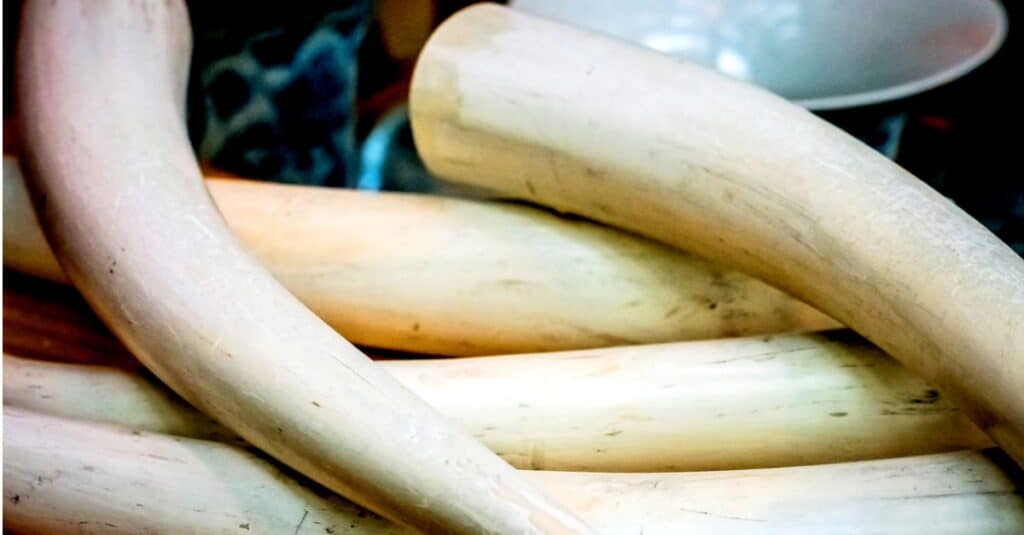
Ivory has been used to make piano keys, dominoes, and even false teeth.
©iStock.com/MagicColors
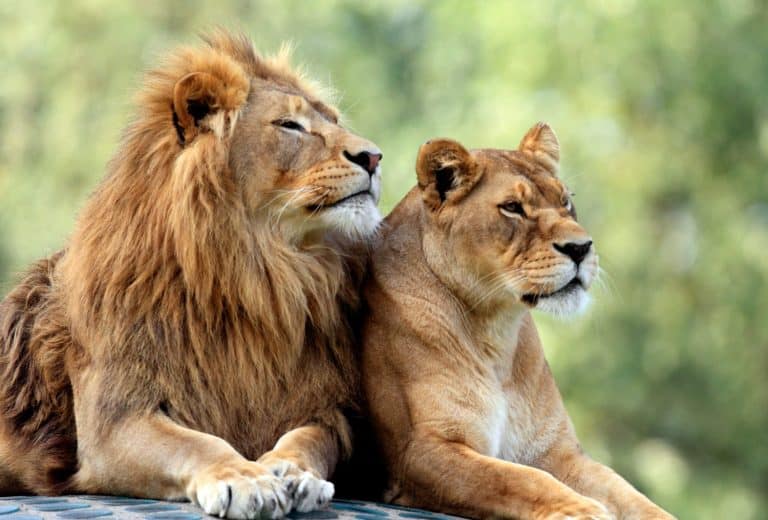
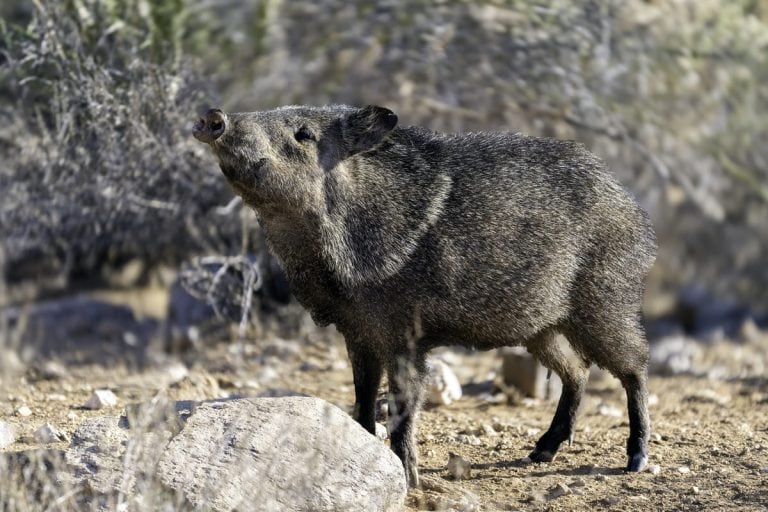
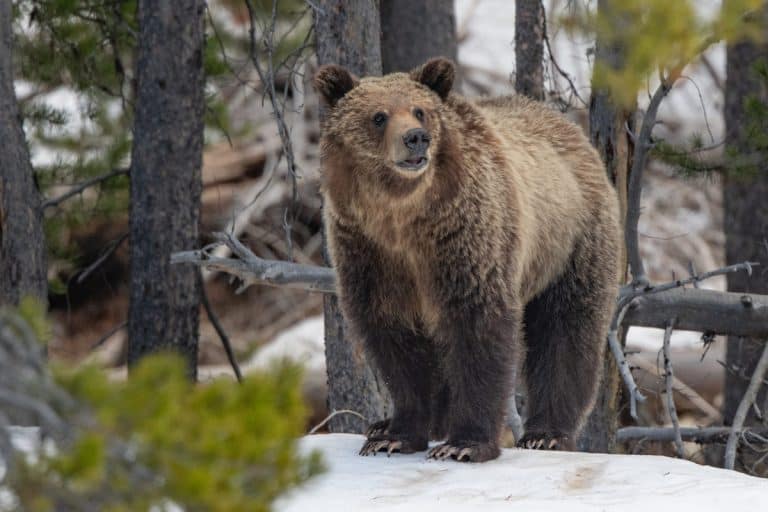
The statistics describing the seizures of Operation Thunder 2025 are staggering! In total, 6,160 birds, 2,040 tortoises, 1,150 reptiles, 208 primates, 46 pangolins, 10 felines, and 19,415 other animals were seized alive as they were being trafficked. However, live animals are just part of the story.
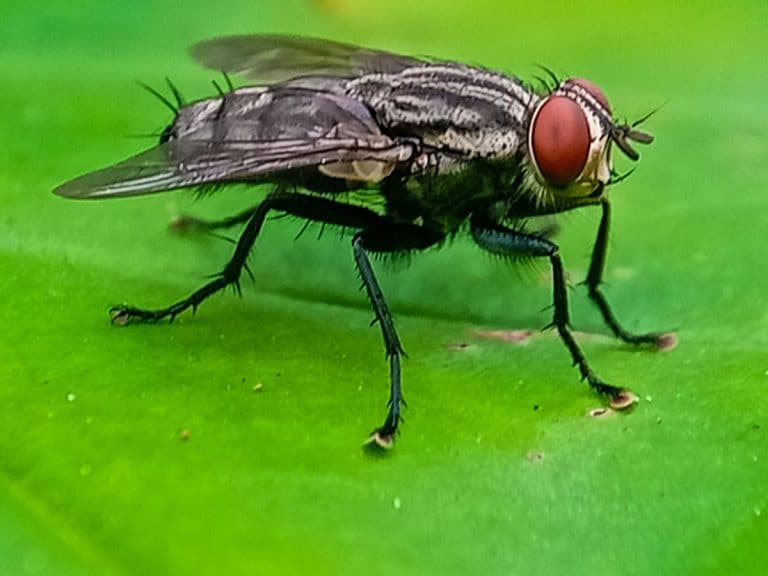
Operation Thunder also seized ‘pieces’ of other animals, defined as fragments of animal material and derivatives, ranging from complete remains to partial specimens. Amongst them were 1,900 pieces of elephant ivory, 7 tonnes of pangolin scales and meat, and 3,640 pieces of turtles/tortoises. The operation uncovered an increase in the trafficking of marine species, including 4,000 pieces of shark fins. There was also an increase in the export of exotic arthropods. These tiny creatures play a vital ecological role, and their removal can destabilize food chains. This disruption can also lead to the spread of invasive species and diseases, causing global ecological problems.
Bushmeat
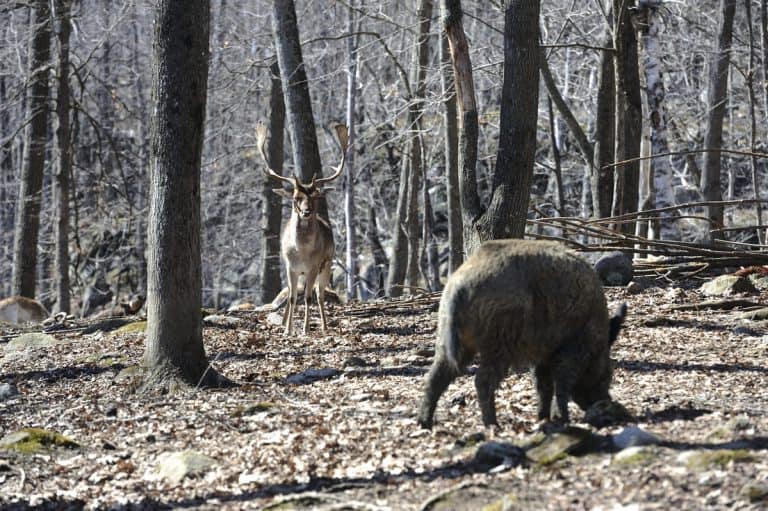
The escalating trade in bushmeat is a further worrying trend. Bushmeat is wild animal meat and is generally sourced from tropical regions. As part of Operation Thunder, Belgian officials intercepted primate meat, Kenyan authorities intercepted giraffe meat, and the Tanzanians recovered zebra meat. In total, 5.8 tonnes of bushmeat were seized, with the most significant increases coming from Africa and Europe.
Building a Lasting Defense
Importantly, Operation Thunder also served as an information-gathering exercise. In the future, the data collected will help map global criminal networks, enabling enforcement agencies to develop effective strategies and anticipate the tactics criminals may use next. The ultimate goal is to permanently disrupt the supply chain for these products, plants, and animals, and to protect precious wildlife around the world.