
Quick Take
- Fermented winter berries can intoxicate fruit-eating birds in spring, causing balance issues and impaired flight.
- Frugivores like cedar waxwings and Bohemian waxwings are most at risk due to high fruit intake.
- If you see a drunk bird, provide a safe, quiet place to sleep it off.
Imagine stepping out into your garden on a sunny spring morning, only to spot a little songbird stumbling through the grass like a confused toddler. While it may look like something out of a funny cartoon, this behavior is actually a sign of a serious problem.
As the seasons change, leftover berries from winter thaw and ferment, essentially turning into tiny shots of high-potency alcohol. For fruit-eating birds, a quick snack can accidentally turn into a dangerous “happy hour.” If you see a bird stumbling or leaning precariously on your porch, it’s not just being clumsy — it is actually drunk. It’s important to understand how and why birds may suddenly lose their balance in the spring and fall, and, more importantly, how we can help them recover safely.
The Science of the Berry “Buzz”
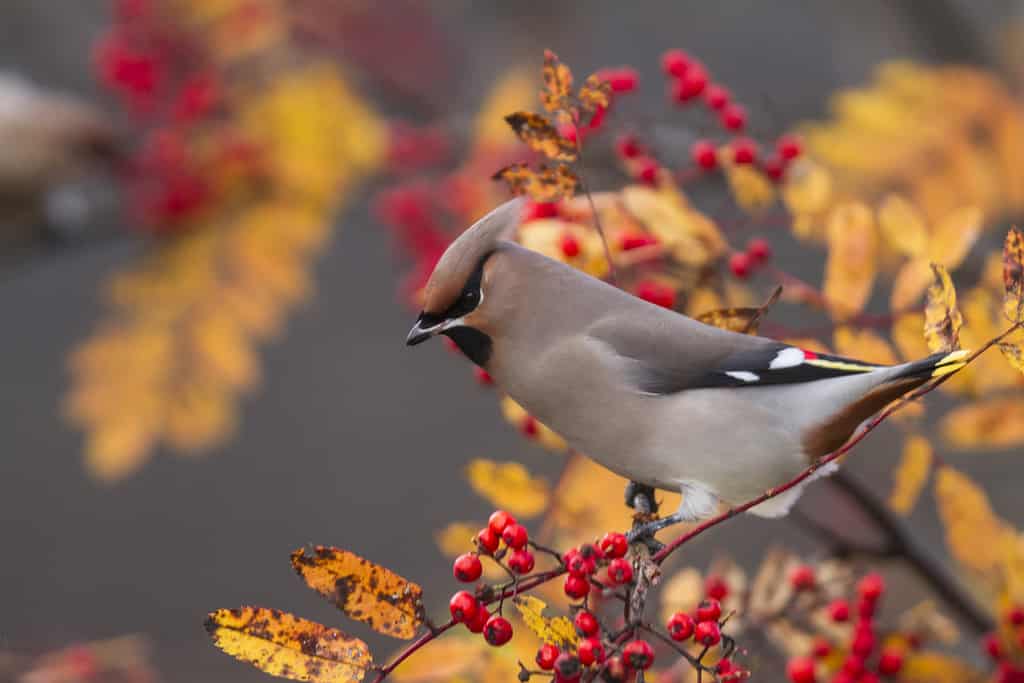
Birds like the cedar waxwing and Bohemian waxwing primarily eat fruit, including berries.
©Mats Lindberg/ via Getty Images
How does a healthy berry become a dangerous, tiny cocktail? When the first frost hits in late fall, it breaks down the berries’ cells and releases all those natural sugars. As the weather warms up in the spring, natural yeast enters the fruit and begins fermenting it, producing alcohol. With each freeze and thaw, the berries lose water through evaporation, leaving behind a thick, sugary syrup. When the sun warms this syrup, it ferments rapidly, resulting in a potent concentration of alcohol.
Because birds have such fast metabolisms, they are much more sensitive to toxins than mammals. Alcohol enters their bloodstream almost instantly, and even a small amount could be life-threatening. A bird’s liver might be able to process the mild alcohol in overripe summer fruit, but the alcohol content in these winter berries is much higher — more like a shot of hard liquor. And since birds are hungry after a long winter and these berries are often the only food around, they gorge themselves, quickly overwhelming their tiny internal systems.
Which Birds Are Most at Risk?
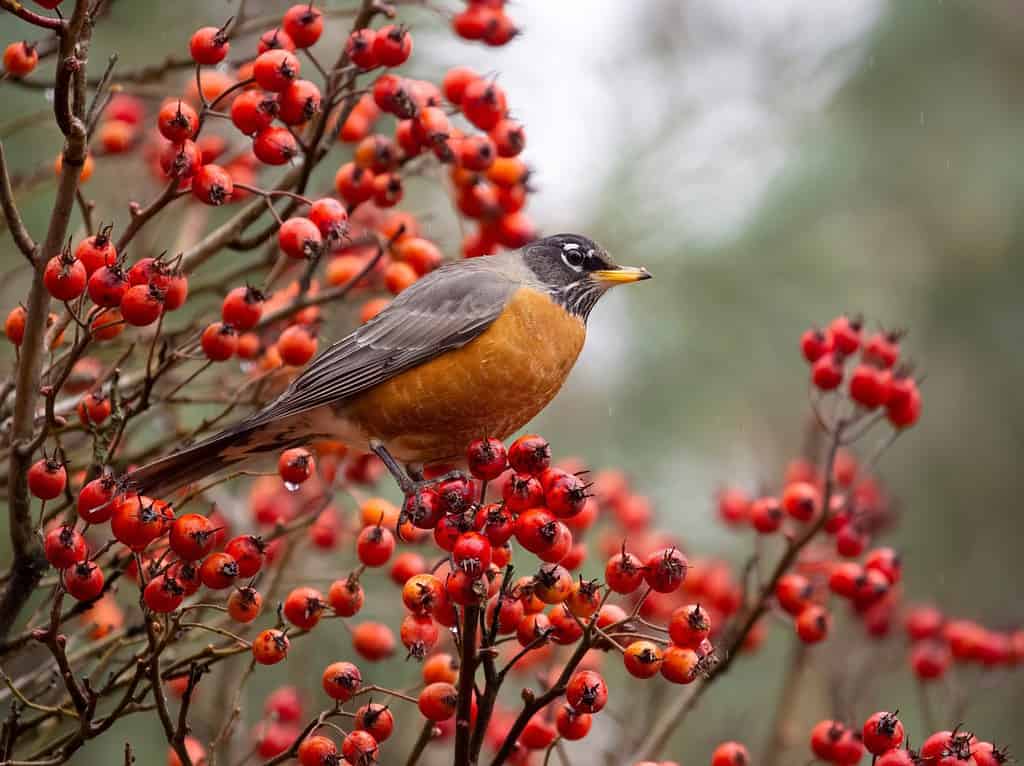
Common backyard birds like American robins are vulnerable to consuming too many “alcoholic” berries.
©Erni/Shutterstock.com
While any bird could accidentally grab a “boozy” berry, some species are much more likely to end up at a wildlife rehab center than others. The highest at-risk group is the frugivores — birds that eat mostly fruit, such as Bohemian and cedar waxwings. These birds eat massive amounts of fruit and berries so quickly that their systems are overwhelmed by the alcohol almost instantly.
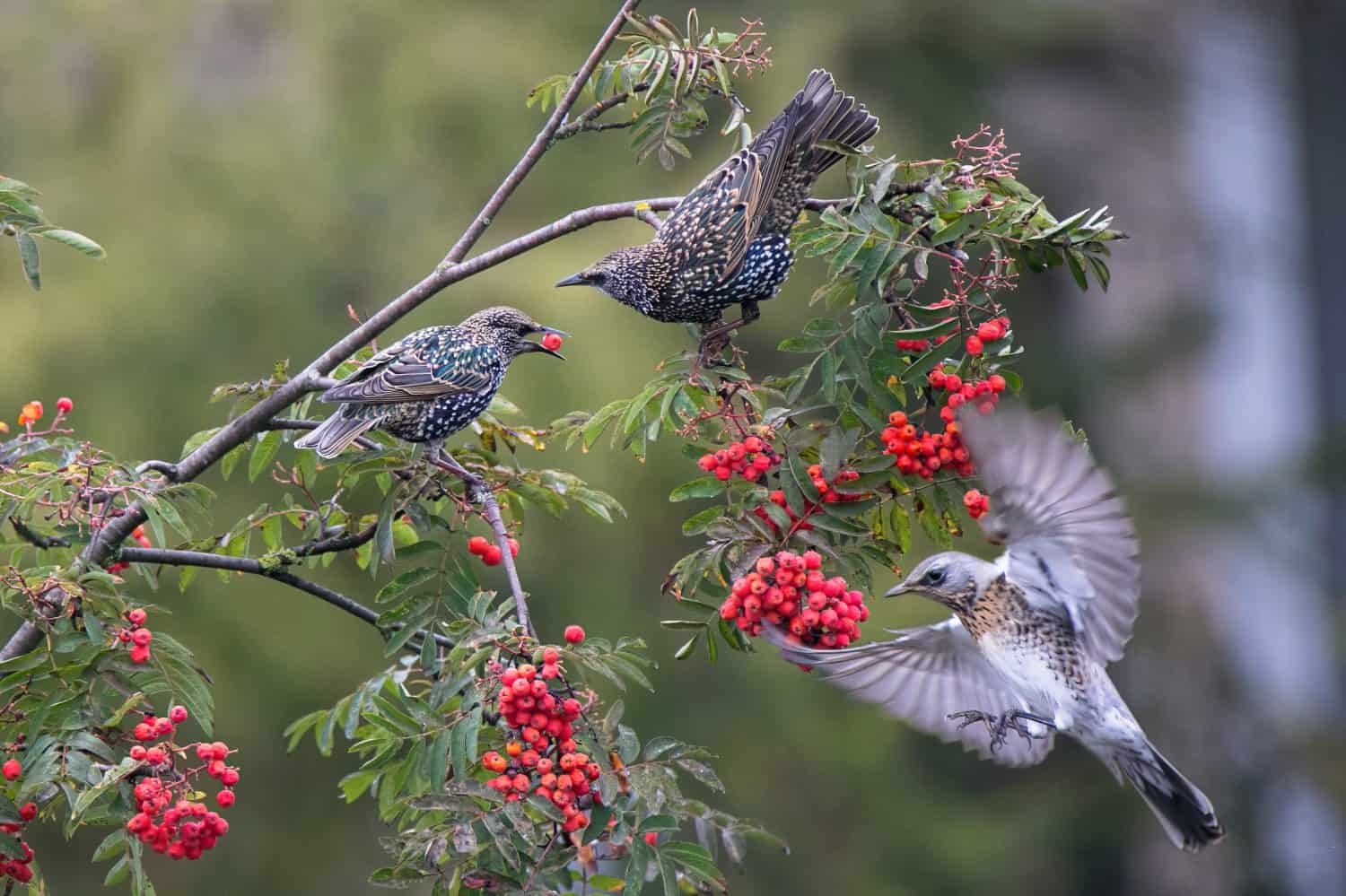
Then there are the backyard favorites like American robins, which are often social eaters. Because they forage in large flocks, you might see dozens of robins getting drunk around a single, fermented crabapple tree. Migratory birds are another common victim. These birds have often just flown hundreds of miles and are absolutely starving, so they will gorge on any berry they see without looking too closely.
How to Tell If a Bird Is “Drunk”
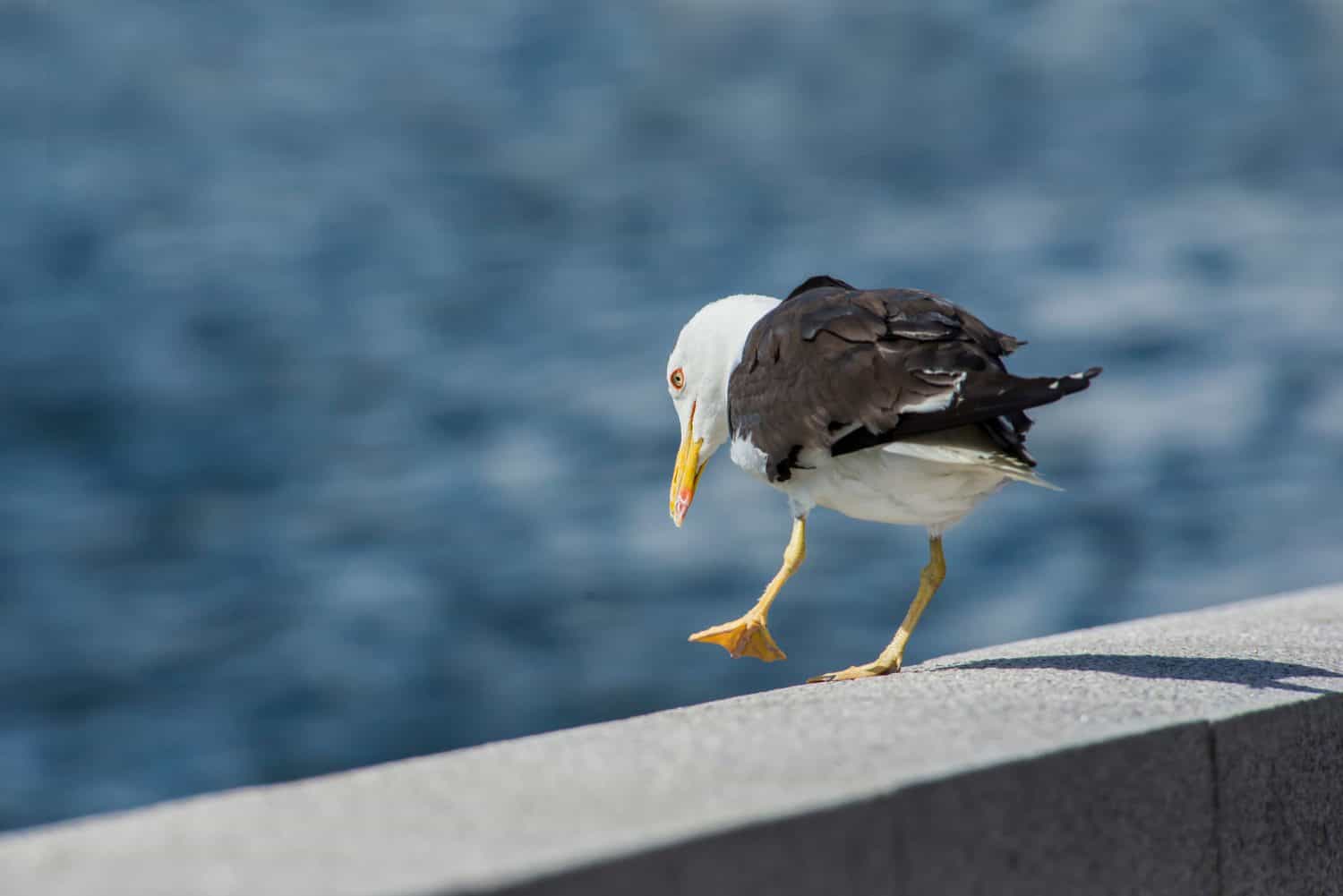
A drunk bird may trip over its own feet, struggle to fly, or pass out on the ground.
©trezordia/Shutterstock.com
How can you tell if a bird is intoxicated? First, watch their flight. They will try to take off but might bump into a branch or simply fail to gain any height, eventually fluttering back down to the ground. On the ground, they are even clumsier. Sometimes, they will even use the tips of their wings like little crutches just to stay upright.
When a bird consumes fermented berries, it can lose control of its coordination, vision, and internal temperature. This is particularly dangerous during the chilly early spring. A “drunk” bird often cannot fluff its feathers to trap heat or grip a branch for roosting. As a result, even a mildly cold day can cause fatal hypothermia.
Why Drunk Flying Is Deadly

Placing decals on windows can help prevent inebriated birds from flying into your windows.
©JDzacovsky/Shutterstock.com
While it may be easy to laugh at a tipsy bird clumsily making its way through your garden, in reality, it is quite dangerous. When a bird is “drunk,” it loses its most important survival tool: its reflexes. The biggest danger to an inebriated bird is collision. Because they can’t judge distances or see clearly, they often fly full-speed into windows or moving cars. They also become easy targets for predators. While a sober bird would fly away the moment a cat or hawk appears, a drunk bird might not notice the danger until it’s too late.
Beyond the risk of accidents, consuming fermented berries also physically harms birds. Sometimes, their tiny livers simply cannot keep up with the amount of fermented fruit they’ve eaten, leading to alcohol poisoning or even organ failure.
What to Do When Birds Have Had One Too Many
In places like the Yukon, this happens so often that animal rescuers have used “drunk tanks” — small, quiet, dark boxes or pet carriers — to help the birds recover. These provide the birds with a safe place to sleep off the effects. This way, the birds can stay safe from the cold and predators while their livers process the alcohol.
If you find a bird that appears intoxicated, don’t panic. You can help by providing a safe, quiet place for it to recover.
- Grab a cardboard shoebox and line the bottom with a paper towel so the bird doesn’t slide around. Be sure to poke some air holes in the box.
- Gently pick up the bird using gloves or a soft cloth and place it carefully into the box.
- Move the box to a warm, dark, and quiet room. The darkness is key because it helps keep the bird calm and prevents it from flapping around and hurting itself.
- Most birds need just two to four hours to recover. Do not try to feed them or drop water into their beak; their coordination is too poor to swallow properly, and liquid or food could enter their lungs.
- Once the bird is standing upright and appears alert, take the box outside and open it. Hopefully, the bird will be feeling much better and able to fly away on its own.
- However, if the bird still cannot fly after a few hours or still appears to be “out of it,” call a local wildlife rehab center. The bird might have a head injury from a crash that resting cannot fix.
How to Make Your Yard Safer for Birds
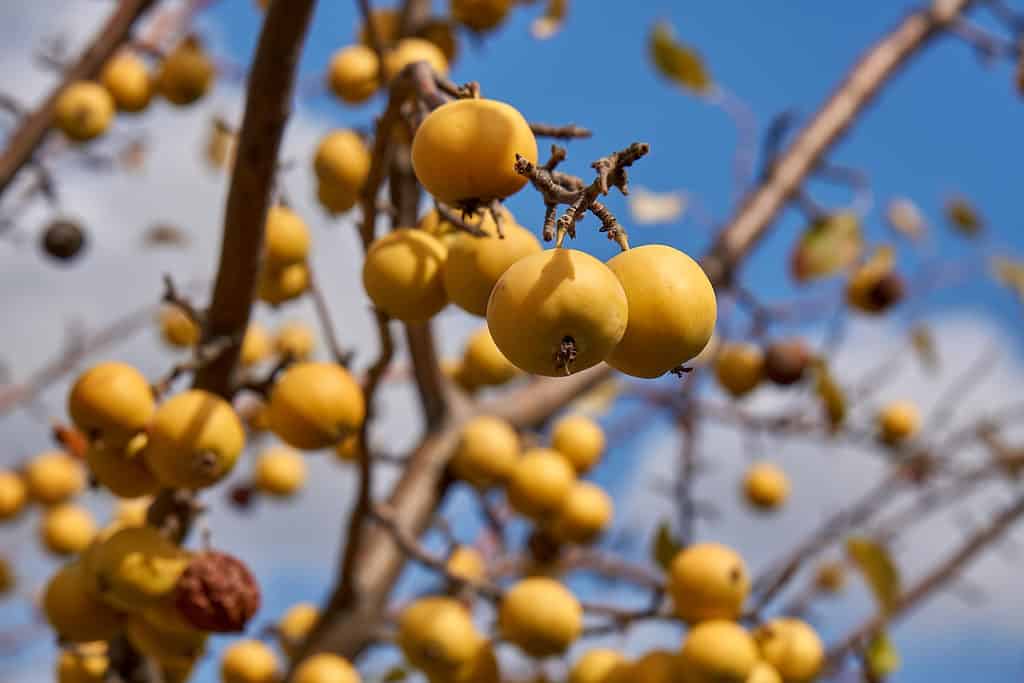
Crabapples are a common source of fermented fruit and can be dangerous to birds and mammals, including family pets.
©Igor Sirbu/Shutterstock.com
If you have fruit-bearing plants like crabapples, ornamental berries, or mountain ash, you can take a few simple steps to protect local birds from accidental “drunk” episodes.
- Clean up fallen fruit: In late winter and early spring, rake up and compost berries that have fallen to the ground. These are the most likely to ferment and be eaten by ground-feeding birds.
- Provide fresh water: Keep a birdbath clean and filled with fresh water. Access to water helps birds stay hydrated and can help dilute the alcohol they have consumed.
- Diversify your garden: Instead of planting only one type of berry, plant a variety of native shrubs that fruit at different times. This prevents birds from “binging” on a single source of fermented fruit and encourages a more balanced diet.
- Check windows: Since intoxicated birds are more likely to fly into glass, consider adding window decals or screens to your home during the spring thaw to prevent collisions.