

Quick Take
- France makes pet abandonment a criminal offense, with penalties of up to 3 years in prison and a €45,000 fine.
- The Netherlands bans consumer fireworks to protect pets, with effect from the 2026/2027 New Year.
- Spain recognizes animals as sentient beings and requires that dogs have basic necessities such as shelter, food, microchips, and training.
Pet owners argue their animals are family. Social media might frame “furbabies” as a trend, but it’s the truth. When an animal comes under your care, they become an intrinsic part of your life. Caring for a pet doesn’t end with ownership, and several countries enacted laws this year to enforce that fact.
France, the Netherlands, and Spain have all enacted laws ensuring fair and just treatment of pets. Each one addresses a unique need or issue among pet owners, promising harsh consequences if the law is broken. The strictness of these laws ensures a significantly better quality of life for adopted pets.
France Makes Pet Abandonment Illegal
One of the biggest tragedies of pet ownership is watching an owner outgrow their dog or cat. Whether it’s due to lack of time, space, or unforeseen circumstances, abandonment cuts deep. Our pets are intelligent animals who become familiar with their owners’ faces each day. To discard one is to take away their comfort, safety, and home. In an effort to end this, France has strengthened penalties and enforcement against the abandonment of domestic animals. This includes dogs and cats, as well as less common household pets.

France’s pet abandonment law applies to all domestic animals.
©VAKS-Stock Agency/Shutterstock.com
The legal ramifications of this law are severe. It defines pet abandonment as a criminal offense. It also places the responsibility on the pet owner, aiming to end “anonymous” reports of missing pets. By doing this, pet owners can no longer claim their pet wandered off, especially if evidence claims otherwise.
Pet Abandonment Now Includes Additional Offenses
Several preventative measures have also been taken with this law:
- Pet Shop Sales: The sale of dogs and cats in pet shops is illegal as of 2024, but sales by registered breeders and shelters are still permitted.
- Adoption Certificates: All adoptions must now include a certified document detailing the animal and its owner. This consists of a “commitment contract,” an agreement by the owner to care for the animal’s welfare.
- Online Traffic: Pet sales are also being better monitored online.
The law comes just in time for the holiday season. This is when, tragically, many pets are purchased and subsequently abandoned. It’s often due to time constraints or the novelty of a new pet wearing off, leaving many abandoned or sent back to shelters. Those who attempt this in France will now face up to three years in prison and a fine of up to €45,000. If the abandonment results in the death of an animal, the owner will face up to five years in jail and a €75,000 fine.
Netherlands Does Away With Fireworks
In the Netherlands, a ban on a popular New Year’s Eve purchase also benefits pet owners. The Senate recently passed a law banning the purchase of consumer fireworks. Doctors and other medical professionals supported the ban, with overwhelming evidence of the harm they cause each year. The ban was also backed by animal rights activists, who know how traumatic fireworks are to domestic pets. After much complaining about the issue, the nationwide ban is now slated to go into effect during the 2026/2027 New Year.

It’s estimated that more than half of the dogs in the U.S. have severe anxiety from fireworks.
©Billion Photos/Shutterstock.com
Polls reported that 57% of the Dutch population supported the ban. Each year, pets run away, go missing, or experience severe anxiety from the sights and sounds of fireworks. The U.S. has also seen its fair share of firework-induced pet anxiety. It’s estimated that anywhere from 40% to 80% of all dogs are affected. This results in repeat visits to the vet for anxiety medication, along with increased stress for owners struggling to calm their pets.
While the fireworks ban permits professional displays in some cities, it bans consumer fireworks nationwide. Dutch residents will be unable to purchase, sell, or use fireworks for personal use once the ban takes effect. While the ban is not slated to take effect until the following New Year, it’s a significant win for pet owners and animal rights activists.
Spain Says Dogs Are Legal Family Members
One country has taken a significant step toward humanizing dogs. In January 2022, Spain amended its legal code to recognize all animals as sentient beings rather than mere property. This has opened up an entire world of protection for pets, especially in legal battles. Under this new law, dogs:
- The court must provide protection and consider a dog’s well-being during custody battles.
- Visitation and payments must be worked out in the dog’s best interest, along with shared custody agreements.
- Dogs cannot be seized to collect debts or for late payments.
- Dog owners now face severe consequences for pet abandonment, including the loss of custody rights.

Spain’s new law declares dogs part of the family, but some pet owners feel they always were.
©lazyllama/Shutterstock.com
In addition, the law requires dog owners to provide their pets with the most basic needs. This includes shelter, food, registration, microchipping, and certified training classes. The shift from dogs being property to family members now puts the animal’s best interests in the forefront. The most significant changes are already evident in court, where issues such as attachment to a child, inheritance, and a dog’s emotional well-being are addressed.
What Inspired These Laws?
In some instances, these laws were spurred by cultural influences. For example, Spain’s bullfighting has sparked vicious debates among animal rights activists. For some, the country’s legal steps toward protecting domestic animals are a step in the right direction. Spain is increasingly recognizing that animals deserve similar rights to their human owners. This new law affirms that, signifying its commitment to protecting animals on a legal level.
For other countries, such as the Netherlands, the fireworks ban was part of a broader legal stroke. It was initiated for a variety of reasons, with animal welfare being just one of them. However, it’s still a significant win for pet owners. While fireworks are banned amid mounting annual injuries, the welfare of the country’s pets is also a concern.
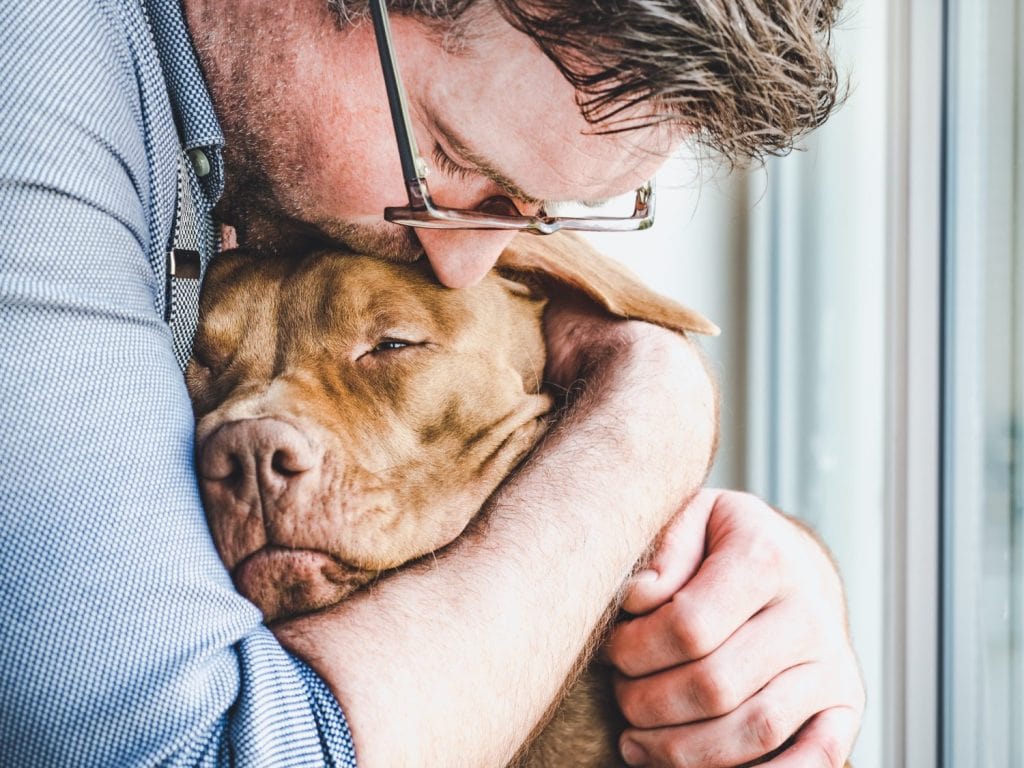
These laws are a much-needed change for animal welfare.
©SvetikovaV/Shutterstock.com
For France, the decision to punish an inhumane crime was a no-brainer. As this season continues to see stories of animal abandonment, taking action was the only right choice. This new law sends a message to all those who abuse pet ownership. It also imposes consequences on anyone who chooses to ignore that message.
Should the U.S. Take Similar Legal Action?
Creating animal welfare laws in the U.S. is slightly more complicated. Each state has its own anti-cruelty laws, which vary considerably. There are national laws, such as the Animal Welfare Act, the Endangered Species Act, the Preventing Animal Cruelty and Torture Act, and the Lacey Act. However, these don’t all apply to pets, nor do they have any specific domestic animal guidelines. This leaves a gray area in the U.S. when it comes to punishing acts of cruelty.

Pet laws in the U.S. vary significantly by state.
©KDdesign_photo_video/Shutterstock.com
Some states have restrictions on domestic pet sales and commercial breeding. They do not fully restrict them, and many states have varying guidelines on what’s legal vs. illegal. If anything, this creates a gray area regarding domestic pet protection. It would be a significant win if the U.S. took similar action to France, the Netherlands, and Spain. Currently, Pennsylvania is the only state that has passed its own bill classifying pets as family rather than property. A June ruling by New York State also held that pets can be considered family, particularly when emotional distress is high.