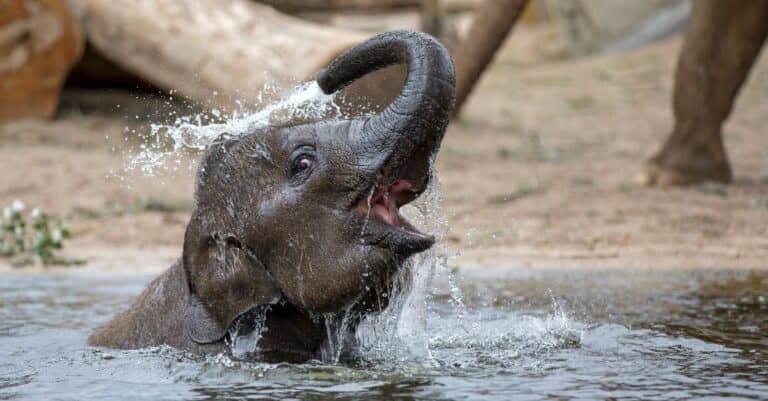
Is there anything quite so enticing as a mud puddle? For most kids, that’s true. Turns out, it’s also true for elephants!
In a now-viral Instagram video, two young elephant sisters at the Save Elephant Foundation in Chiang Mai, Thailand, have found their version of a perfect snow day: a slick, rain-soaked hillside. The pair, Pyi Mai and Chaba, gleefully take turns sliding down the muddy slope, trunks in the air, tails swishing, the pure embodiment of joy.
So, are elephants really known for this kind of playfulness, or are Pyi Mai and Chaba the exception? Let’s dig into what this muddy slide can teach us about their world.
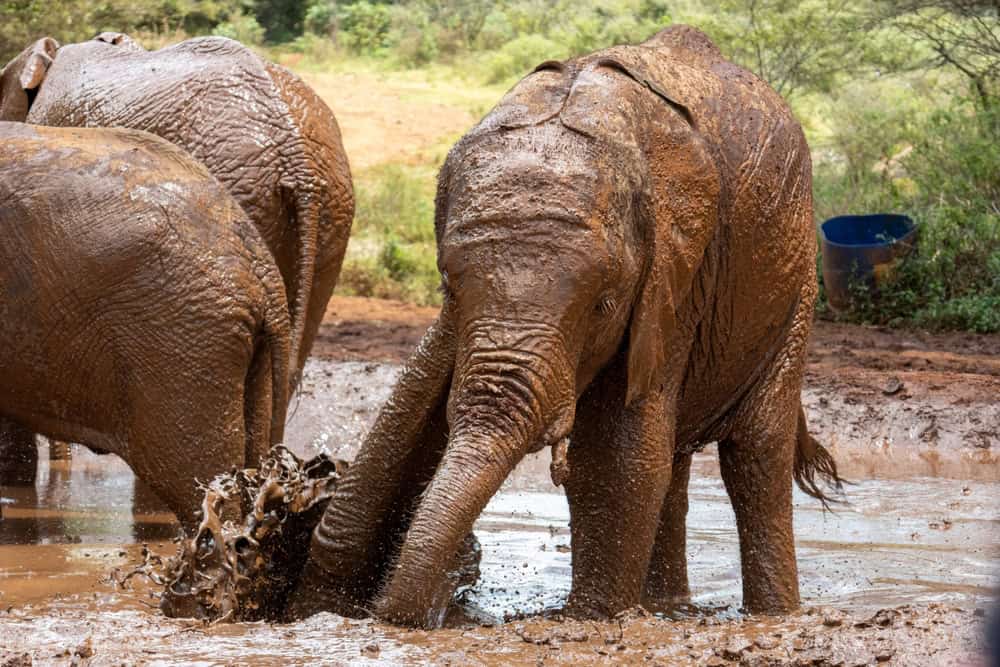
Elephants love a good mud bath, but it’s more than just fun and games. What’s really going on beneath all that splatter?
©Joao L. Vieira/Shutterstock.com
Mud Baths and Elephant Joy
Elephants may be known for their wisdom and size, but beneath all that grandeur lies a deep love of play, especially among the young. What appears to be a playful mudslide is actually a natural behavior that serves both practical and emotional purposes.
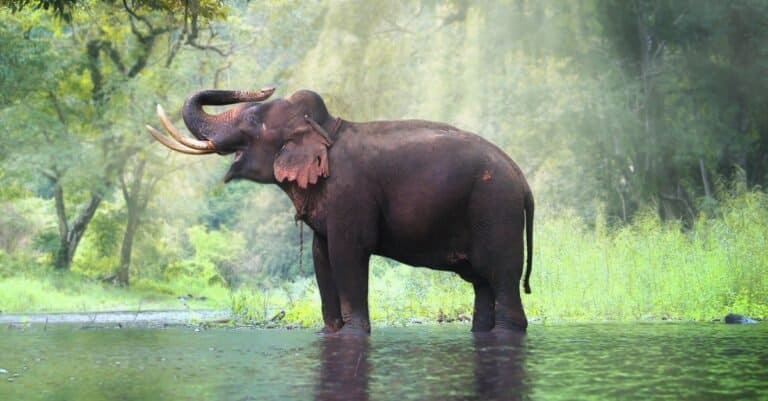
Mud serves as a built-in spa treatment, helping elephants regulate their body temperature, shielding their skin from the sun, and warding off pesky insects. But let’s be honest, rolling, flopping, and sliding through it also feels good! It’s a tactile, refreshing relief in hot, humid climates. When that soothing coat of mud is combined with the excitement of sliding down a slippery slope, you have nature’s version of recess: messy, magnificent, and completely irresistible.
Play Is Serious Business
Though their exact ages aren’t publicly verified, the sisters’ small frames and high-energy antics place them squarely in the “juvenile” category. In elephant terms, that means under ten years old — still plenty young to play, learn, and experiment without the weight (literally and figuratively) of adulthood.
Researchers have long noted that elephants (like dolphins, dogs, and primates) engage in play for reasons that go far beyond fun. It helps them build coordination, learn social cues, and reinforce bonds. Play can even reflect emotional intelligence and curiosity, traits that elephants are known for.
At sanctuaries and conservation parks, keepers regularly observe playful behaviors among calves, such as mock battles, trunk wrestling, splashing in rivers, and mud-rolling competitions. Sliding, while less common, isn’t unheard of, especially during Southeast Asia’s rainy season when hills turn slick. Young elephants are lighter and more flexible than adults, so they’re more likely to seize the opportunity.
One sanctuary in northern Thailand captured a similar scene, with calves turning a dirt ramp into a natural slide. In that video, you can almost imagine the sound of elephant giggles. It’s not hard to imagine that Pyi Mai and Chaba are feeling something similar.
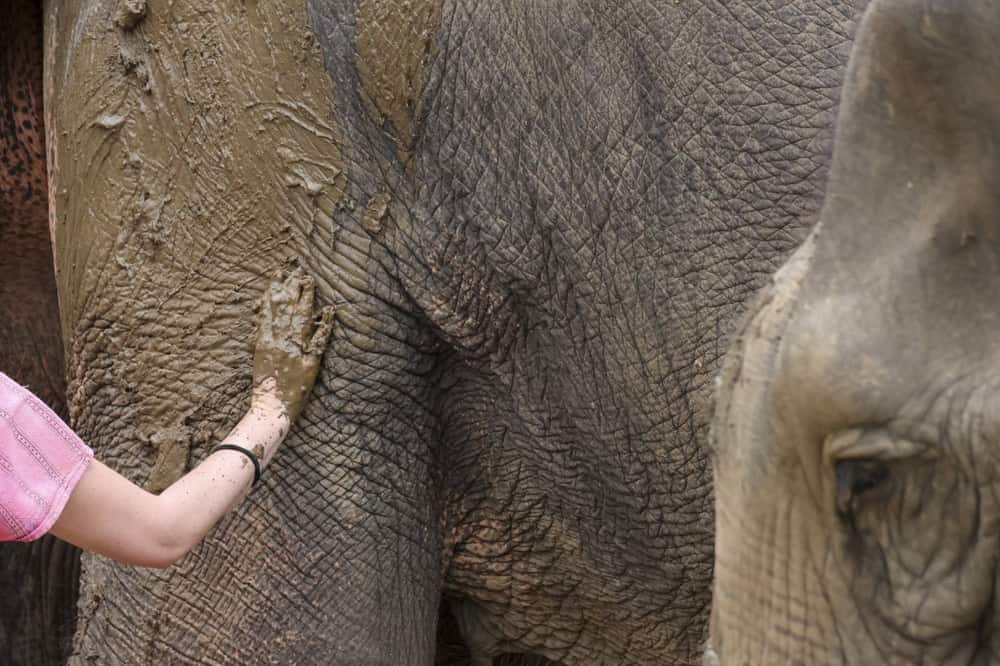
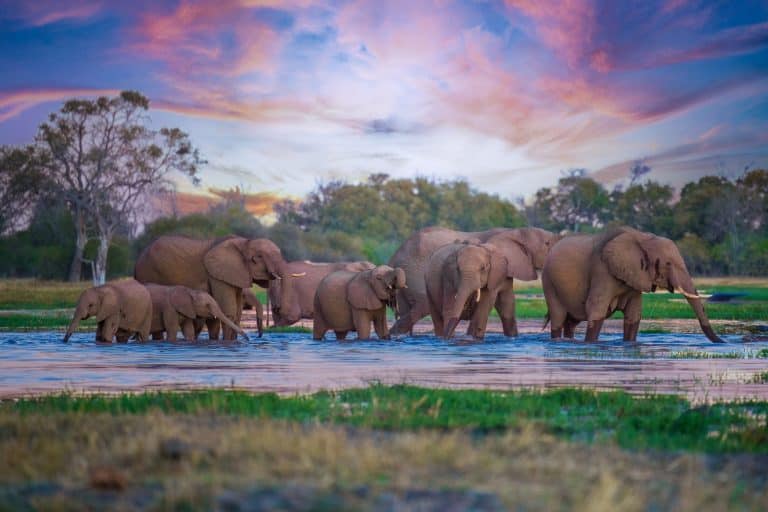
What looks like play doubles as protection: mud helps elephants regulate temperature and guard against the sun and insects.
©CoreRock/Shutterstock.com
The Science of the Slide
It may look spontaneous, but sliding down a muddy slope takes a surprising amount of coordination for a 500-pound youngster. Elephants bend their knees, shift their weight back, and use their trunks for balance; it’s a testament to just how flexible they are. Their bodies are built for movement, and despite their bulk, elephants can kneel, twist, and roll with remarkable agility.
This type of activity also stimulates muscles and joints in ways that support long-term physical health. It is enrichment disguised as play, allowing them to stretch, slip, and splash while remaining engaged.
Why This Moment Matters
It’s easy to scroll past a cute animal clip, smile, and move on. But this video, simple as it is, tells a bigger story about elephant welfare and emotion. Play like this doesn’t happen when animals are stressed, overworked, or deprived of natural outlets. It happens when they feel safe enough to let go.
That’s why sanctuaries across Asia put so much emphasis on enrichment and natural habitat. The ability to play, roam, and interact socially isn’t a luxury; it’s essential for elephants’ physical and psychological well-being. When you see Pyi Mai and Chaba sliding, you are witnessing trust in each other, in their environment, and in the people who care for them.
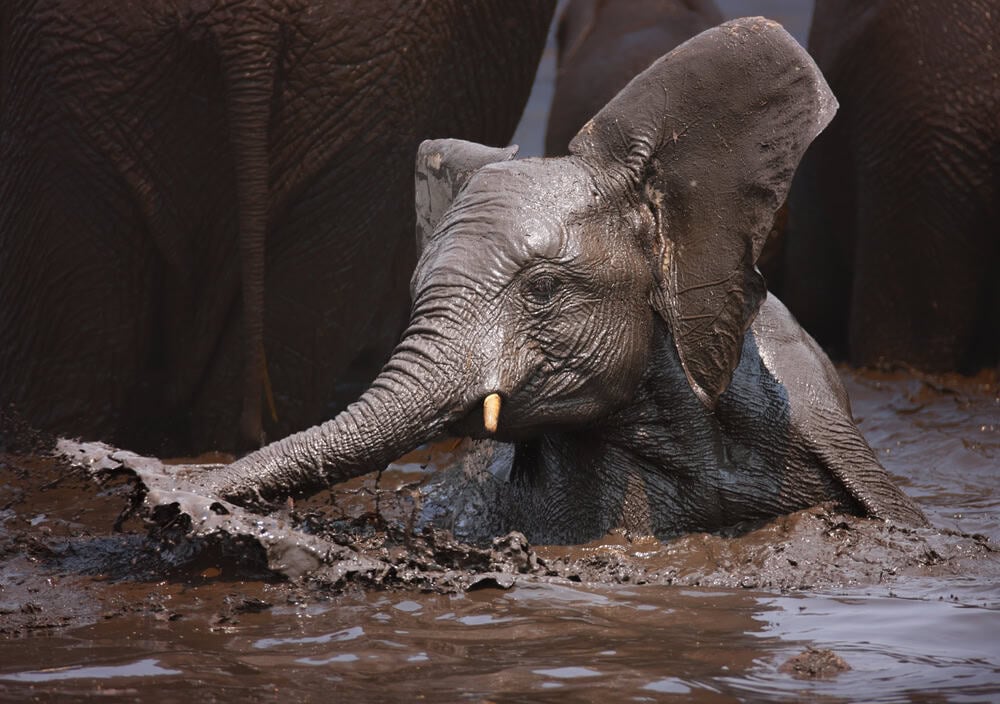
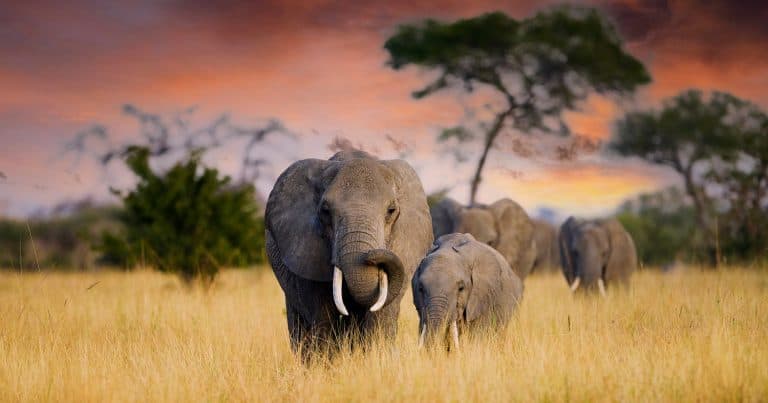
Built for movement and born to play, elephants enjoy agility and enrichment in one muddy package.
©Johan Swanepoel/Shutterstock.com
Mud, Memory, and Mindfulness
Elephants are famously emotional creatures. They form lifelong bonds, mourn their dead, and even comfort one another in distress. But they also celebrate. They find joy. They make time for fun. Watching two sisters embrace the chaos of a muddy hillside reminds us that intelligence and play aren’t opposites. They’re intertwined.
In this way, elephants aren’t so different from us. They take what nature gives — a rainy day or a muddy hill — and turn it into a playground. They find connection in the tumble and delight in the simplest of moments.
A Lesson from the Herd
For humans, rainy days can feel dreary — plans canceled, puddles forming, chores piling up. But for Pyi Mai and Chaba, it’s the perfect opportunity to slide into happiness. There’s something profoundly grounding about that perspective. Maybe joy doesn’t have to come from big moments or elaborate plans. Maybe it’s as simple as surrendering to the mud.
So, the next time life feels a little slippery, remember the elephants. Picture their gray trunks and carefree slides. Sometimes, the smartest thing you can do is stop overthinking and simply play.