
Quick Take
- Crocodiles rarely challenge elephants, so what made this mother react the split second one surfaced near her calf? Maternal instinct explained →
- A calf's playful dip in a watering hole can turn into a life-or-death situation faster than you'd think. Crocodile threat near water →
- Elephants have more than one way to fight off a predator, and some of those methods are surprisingly sophisticated. Elephant defense strategies →
- The elephant herd structure may explain exactly why this mama moved so fast, and the reason is not what most people assume. Herd structure and protection →
Mama bears are notorious for their protective instincts, but that doesn’t mean other animals don’t fiercely protect their young as well. Elephants are a good example, as they won’t let their young be in harm’s way if they can help it. A video on Instagram, shared by @beyond_the_wildlife, captured a moment when a mother elephant went above and beyond to protect her baby from a crocodile.
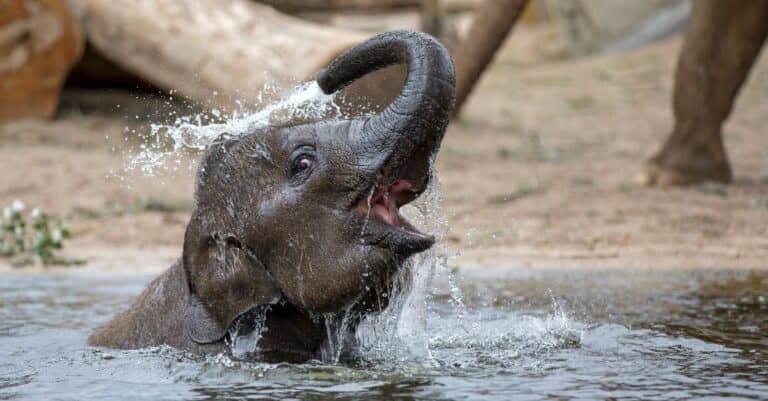
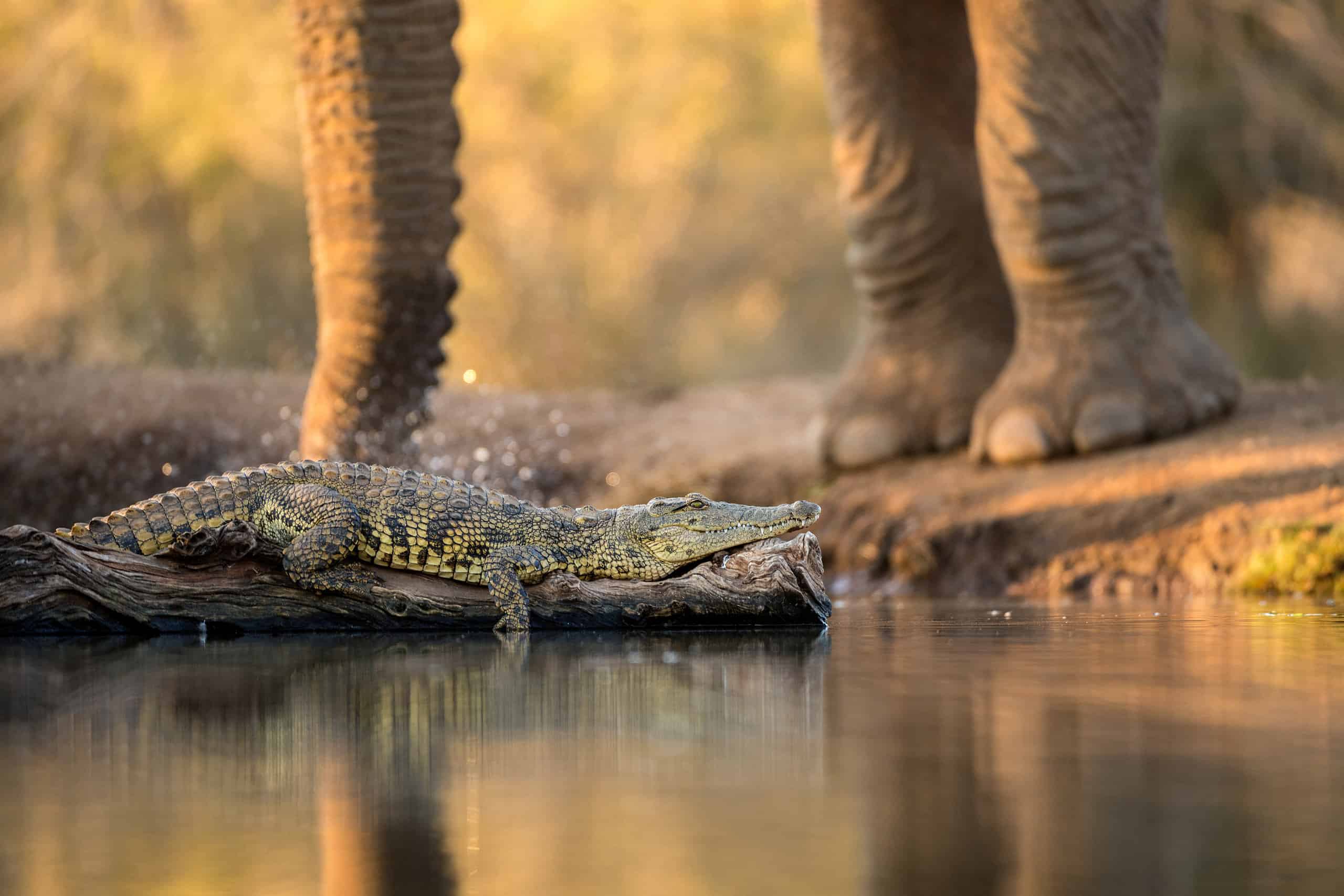
In the video, a mother elephant stands over her calf, which is rolling around in a watering hole. Suddenly, a crocodile surfaces from the shallow water, and the mother elephant storms in to kick the crocodile out and protect her baby inside. The elephant kicks and splashes the water, making loud trumpeting noises until the crocodile crawls out of the waterhole and disappears into the grass. Talk about an amazing save!
People praised the elephant’s amazing behavior in the comments. “Now that is adorable. She’s such a good mama.❤️,” one person commented. Another noticed, “She reacted the split second it poked its head out of the water too. Recognized it immediately.” Definitely impressive!
An Elephant’s Maternal Instinct
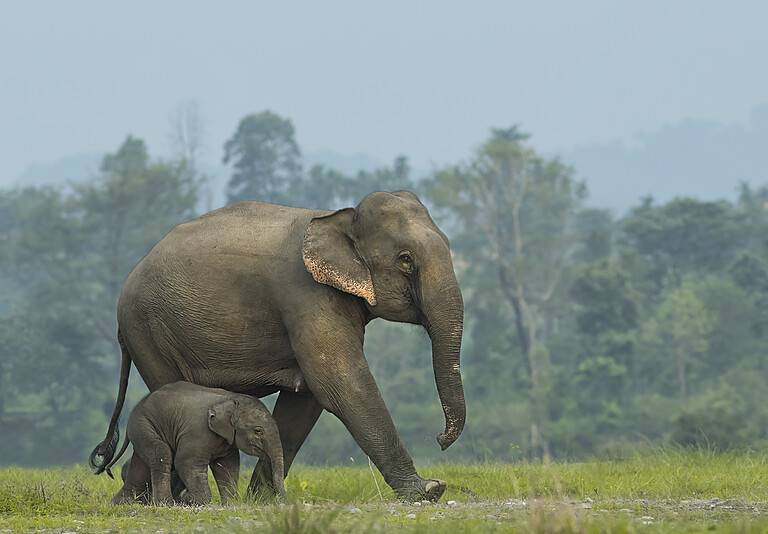
It’s no surprise that mother elephants are so caring and protective of their young, as elephants in general are a maternal-led species. In matriarchal elephant herds, mothers are often the leaders, and females frequently work together to protect and guide the young.

Mother elephants have naturally protective instincts, especially with their young.
©albertodelgadolopez/Shutterstock.com
Although crocodiles typically wouldn’t attack an adult elephant due to its sheer size, they can sometimes threaten young elephant calves—especially when the calves’ guard is down near water, according to Tsavo Trust. A crocodile could bite a young elephant’s trunk or legs and drag the calf into the water to drown it. This is likely what the mother elephant was trying to prevent when she scared off the crocodile near her young calf.
How Do Elephants Respond to Predators?
When it comes to protecting themselves and their young, elephants have a few methods of fending off predators. Some of these behaviors, such as loud trumpeting and stomping, were demonstrated in the video above. In addition, elephants may use their tusks to defend themselves. They will also roar, bark, and squeal to scare off predators and use low-frequency rumbles to communicate any imminent danger with the rest of the herd.
The sophisticated way elephants instinctively protect their young is impressive. Like in the video above, they will sometimes literally charge toward danger if it means fending off predators from their vulnerable babies, proving they truly are incredible moms.