Quick Take
- The world's greatest long-distance flier can barely launch itself off the ground, a fact whose reason is hiding in plain sight. See the awkward takeoff →
- For one animal on this list, being clumsy isn't a flaw at all. It's actually the driving force behind its worldwide fame. Why clumsiness made them famous →
- Several of these awkward-looking creatures can still outrun, outswim, or outfly most predators. Their clumsiness is a disguise. Clumsy on land, agile in water →
- One animal has to spread its legs wide apart just to take a drink of water, because without that bizarre pose it would topple over. Watch giraffes struggle to drink →
Some animals are famous for their speed, strength, or agility, but not every creature looks fully capable in all that it does. Plenty of species stumble, trip, crash into things, or simply have awkward body shapes that make them move strangely. In many cases, that clumsiness is just the tradeoff for other incredible abilities. Other times, it is only an illusion and the animal is actually quite capable. Simply put, nature doesn’t always prioritize grace. Here are eight animals that look rather clumsy.
Giraffes
©LindyCro/Shutterstock.com
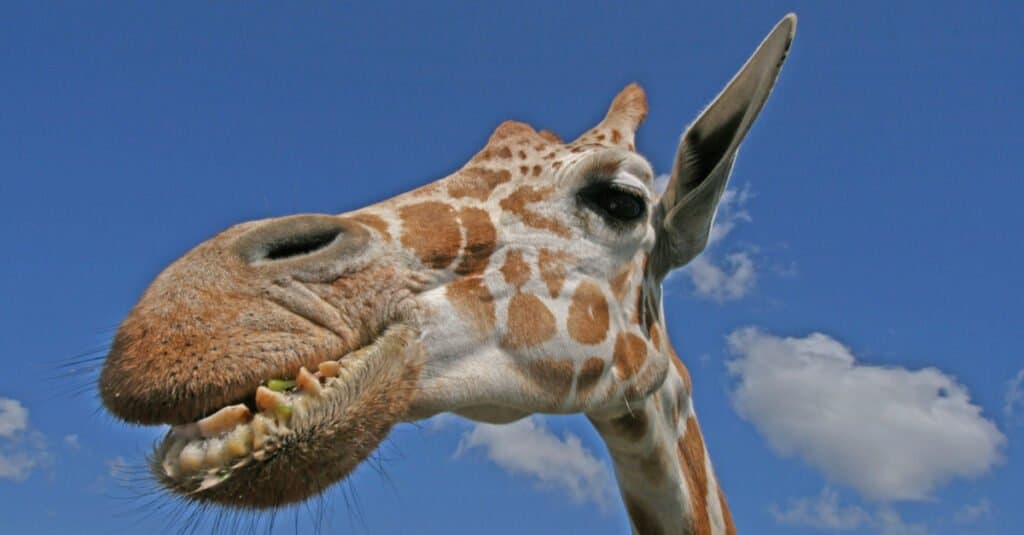
A giraffe’s extreme height gives it an excellent view of predators, but those incredibly long legs can also make simple movements look awkward. Young giraffes stumble while learning to walk, and adults spread their front legs wide apart just to reach water without falling over. Their unusual proportions make quick turns and fast movement difficult, and they occasionally trip while running. Despite their clumsiness, they can still sprint at speeds of around 35 miles per hour when necessary.
Giant Pandas
©V-yan/Shutterstock.com
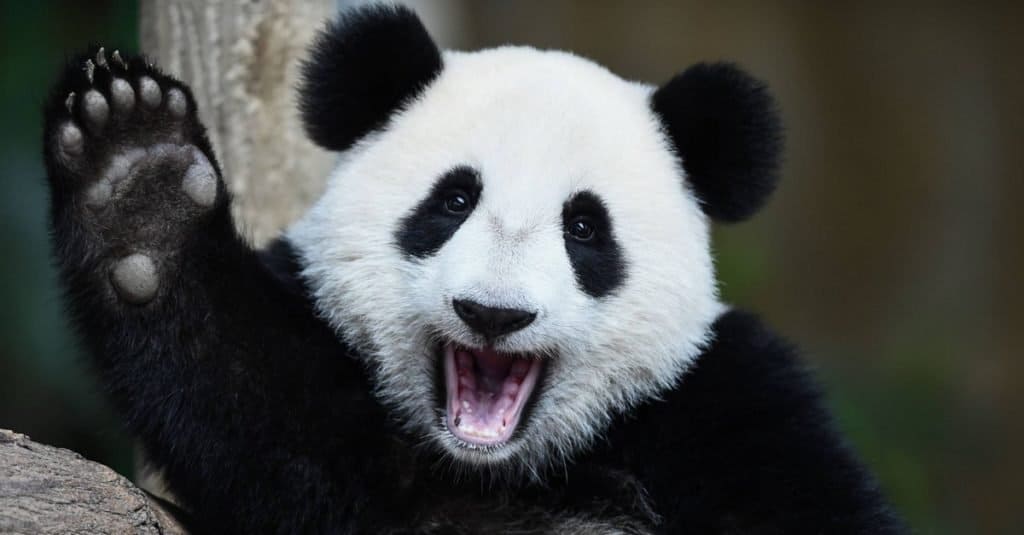
Giant pandas have a reputation for falling out of trees and rolling down hills, especially when they’re young. Their chunky bodies and short legs don’t exactly make them graceful climbers. Even adults sometimes lose their balance while playing or reaching for bamboo. Their endearing clumsiness is one of the main reasons they’re beloved by people around the world.
Puffins
©Jessica Lutz/iStock via Getty Images
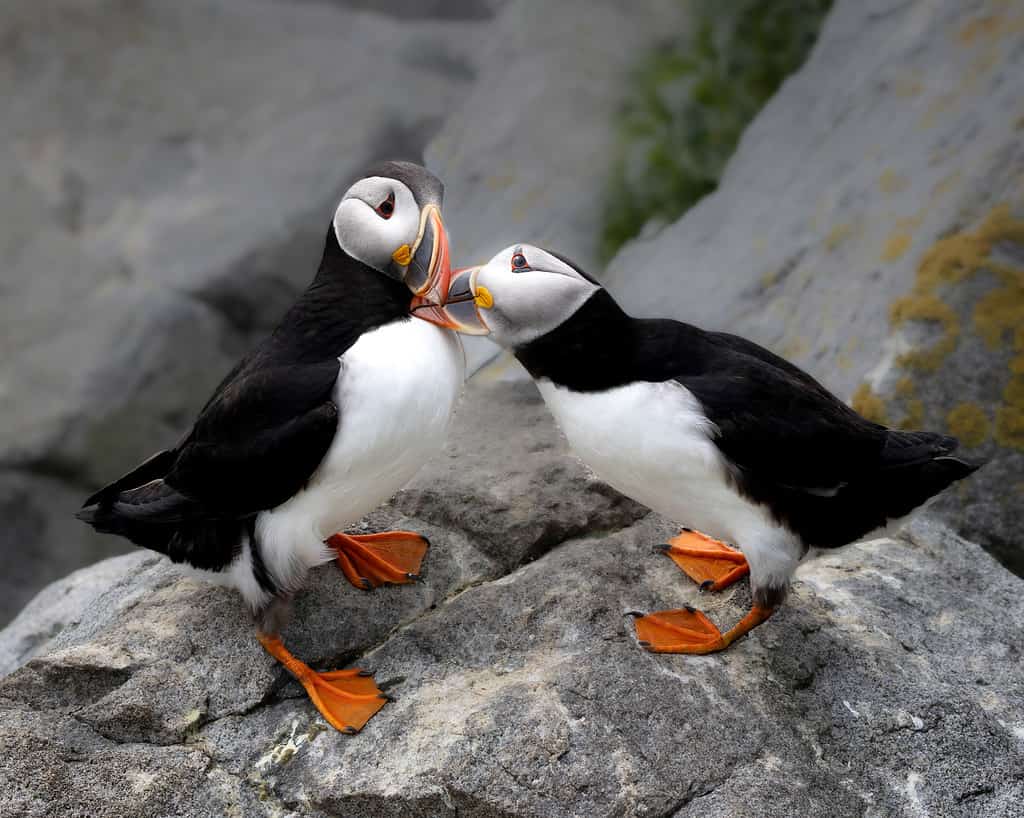
Puffins may be skilled swimmers and surprisingly fast underwater, but they’re much less graceful on land. Their short legs create an extreme waddle, and they appear to stumble over rocks while carrying fish back to their nests. Landing can be equally precarious, with some puffins crash-landing or skidding across the ground before regaining their footing. Fortunately, their flying and diving abilities make up for their instability on land.
Sea Otters

©2009fotofriends/Shutterstock.com
Sea otters are remarkably agile in the water, but they can look surprisingly unfit for land. Their bodies are designed for swimming instead of walking. They’ve been observed wobbling as they move across beaches or rocky shores. They sometimes lose their footing on uneven ground or roll back down while trying to climb. In the water, however, they’re extremely efficient and graceful hunters.
Koalas
©LIGHTITUP/Shutterstock.com
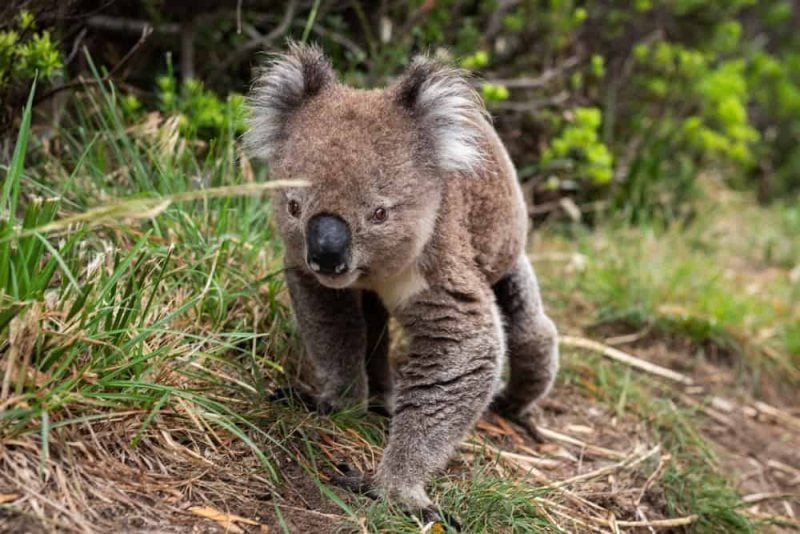
Even though koalas spend most of their lives in trees, they aren’t the smoothest of climbers. They sometimes misjudge the distance of branches or slip while moving between trunks. But they’re much better in the tree tops than on the ground. During the brief times they’re on land, their movements become slow and awkward, and they seem to lumber in an almost comical way.
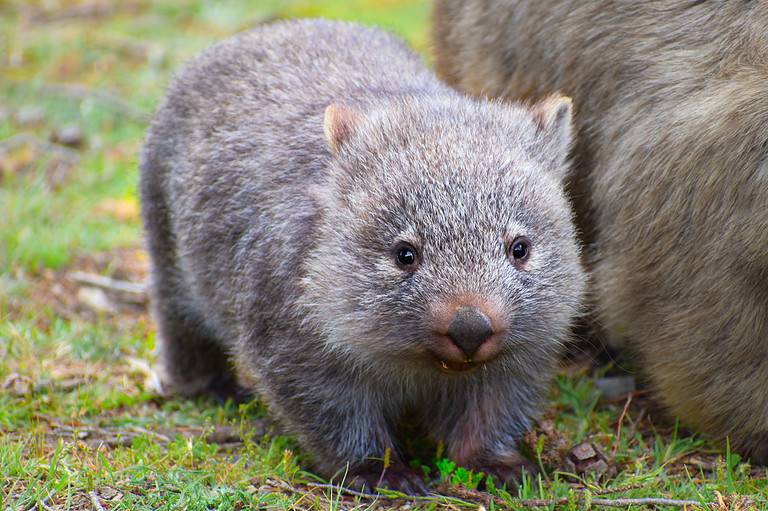
Wombats
©Bruyu/Shutterstock.com
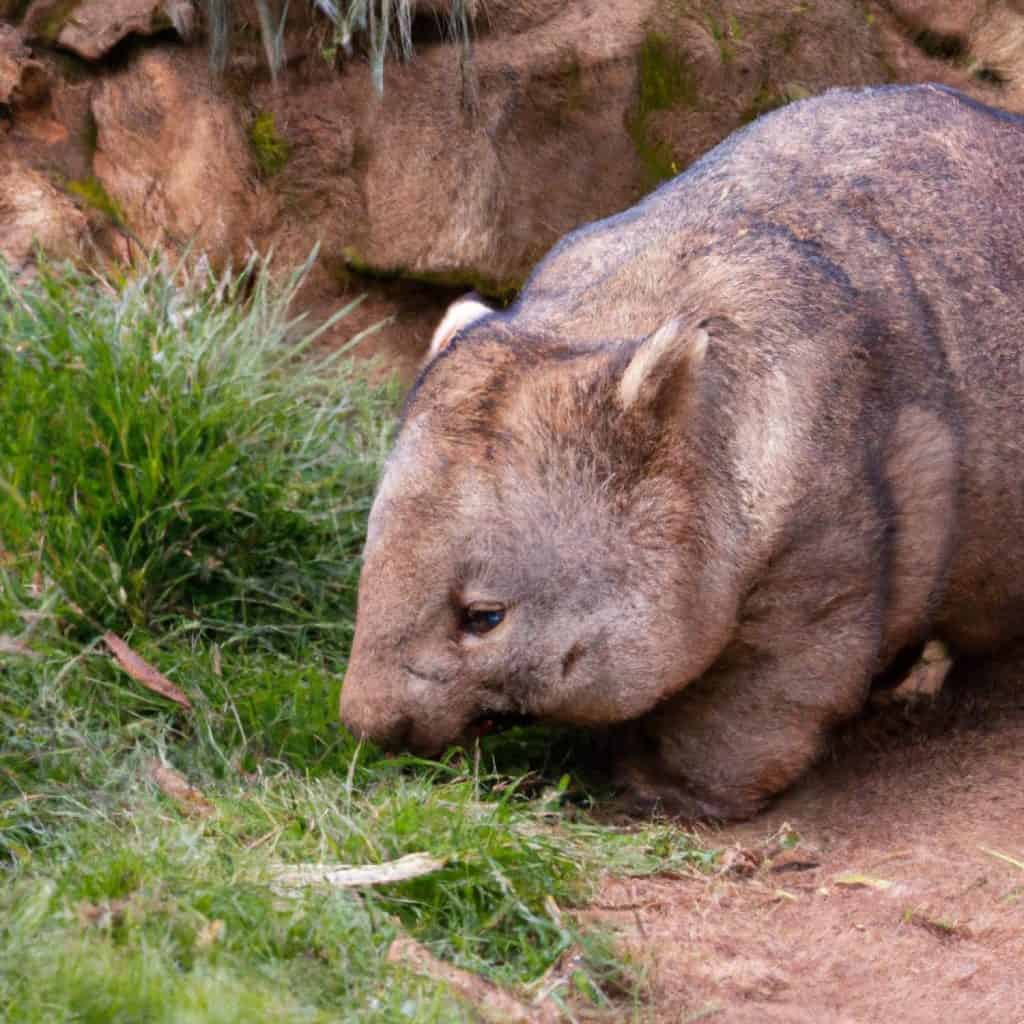
Wombats are sturdy diggers built like little tanks, but that stocky body comes with a tradeoff. They cannot run very well, and they aren’t especially skilled when navigating obstacles. Young wombats are particularly prone to tripping during play time with siblings. Their incredible strength and powerful legs make them excellent burrows, which is what matters most to these mammals, as they primarily stay underground.
Moose
©Ariel Celeste Photography/Shutterstock.com
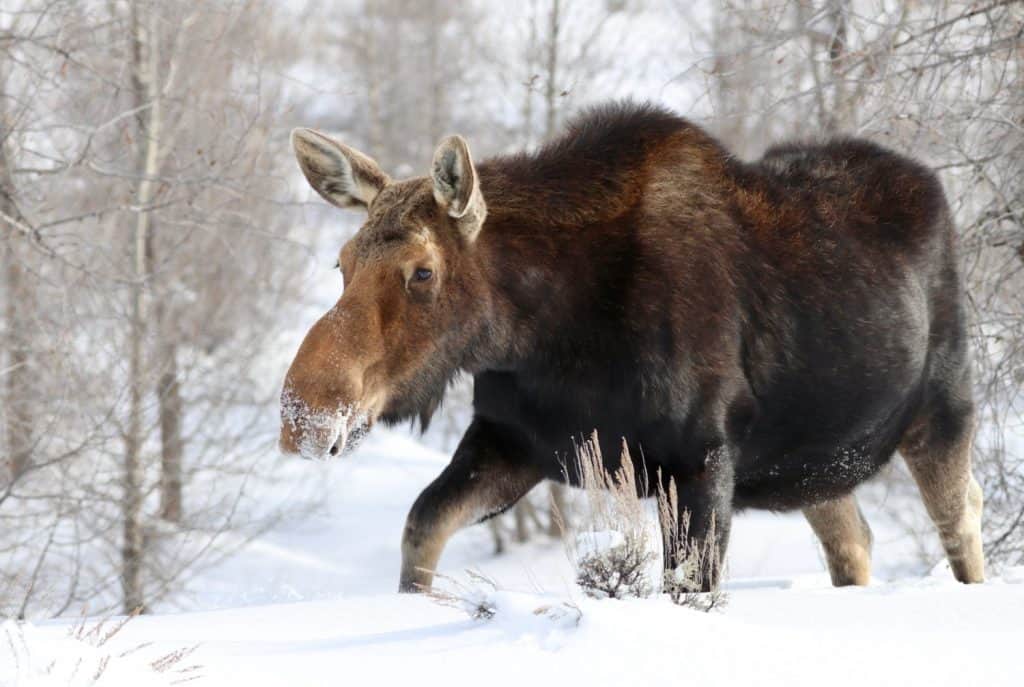
Moose are awkward due to their massive size and long legs. It doesn’t take much to cause them to slip. Deep snow, muddy ground, or icy surfaces are all challenging to these massive creatures. When first learning to walk, calves do a great deal of stumbling as they figure out how to coordinate their elongated limbs. Adults struggle too, particularly with steep inclines. Their clumsiness is related to their enormous bodies instead of being a sign of poor athletic ability.
Albatrosses
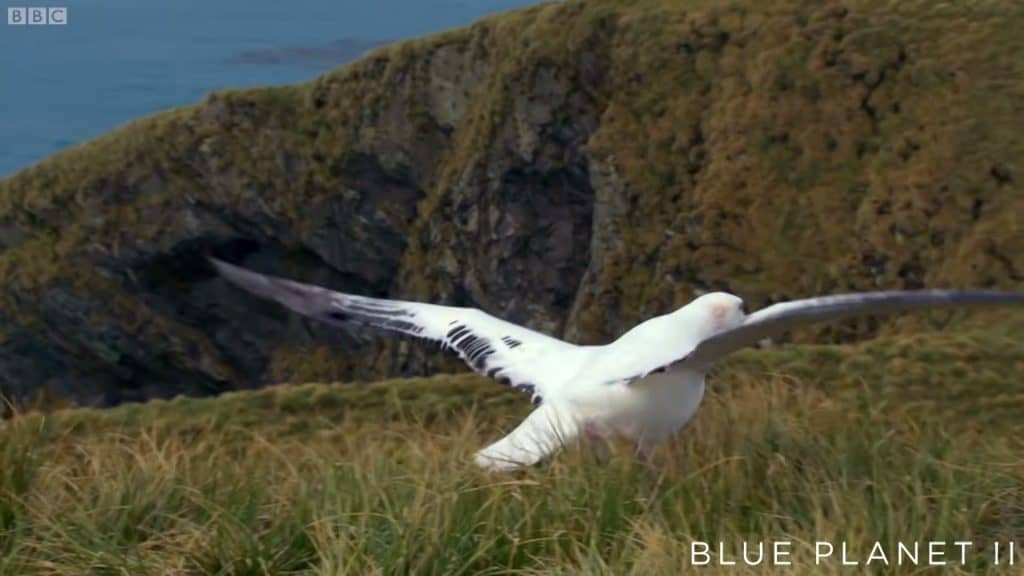
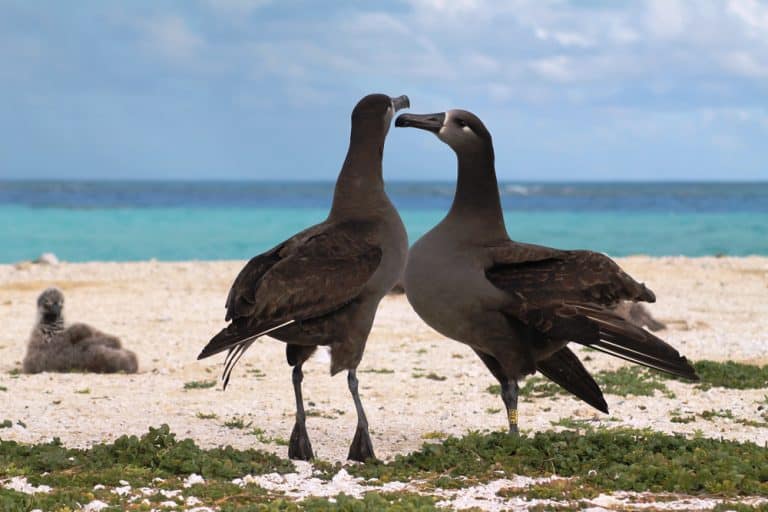
Albatrosses are one of the greatest long-distance fliers on Earth. The birds are capable of soaring over oceans for thousands of miles. When it comes to flying, they are experts at navigating the sky. On land, though, it’s a different story. Their long wings make takeoffs and landings difficult. They waddle frantically across the ground while flapping dramatically to gain enough speed for flight, a reality that was highlighted in the famous Disney film The Rescuers. Once airborne, that awkwardness completely disappears, and they are transformed into effortless gliders.