
Quick Take
- The bobcat didn't go for the head first, and that choice reveals a surprisingly calculated attack strategy. See the attack sequence →
- 38 camera frames captured something scientists almost never get to document: the actual appearance of a predator taking on the world's largest rattlesnake. How the footage was captured →
- The snake kept striking throughout and never once connected. The photos show exactly why. Watch the snake miss →
- This single encounter has implications that stretch far beyond one Florida field, and researchers say attacks like this may be reshaping entire reptile populations. Explore the broader implications →
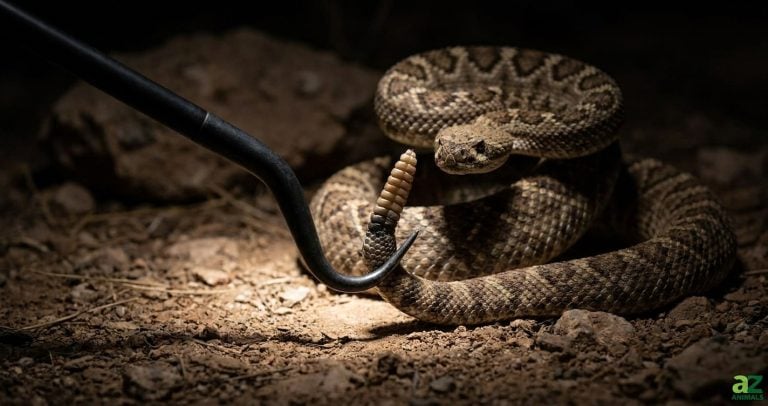
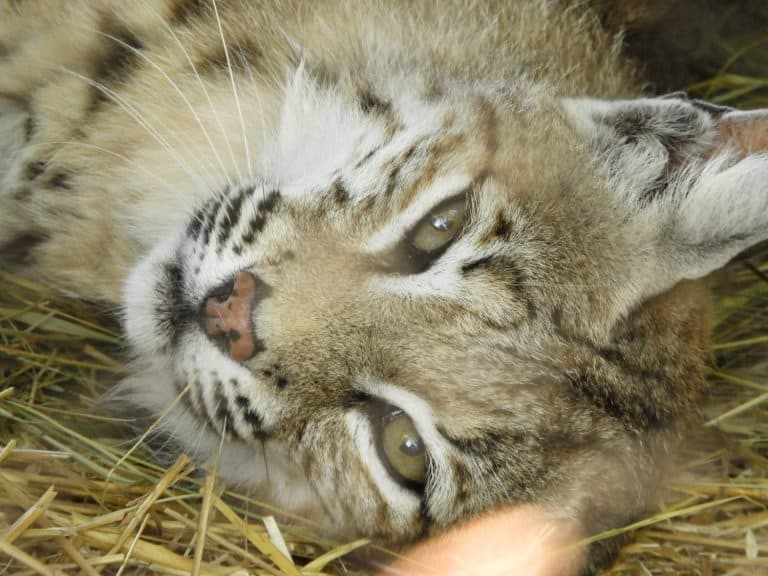
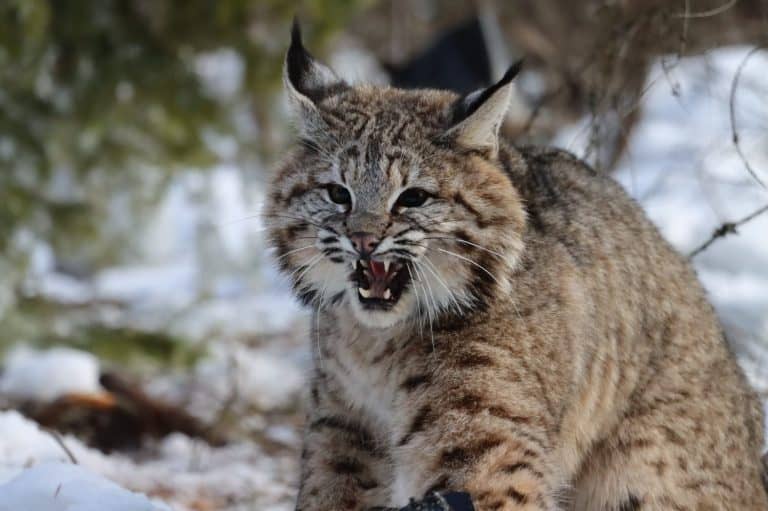
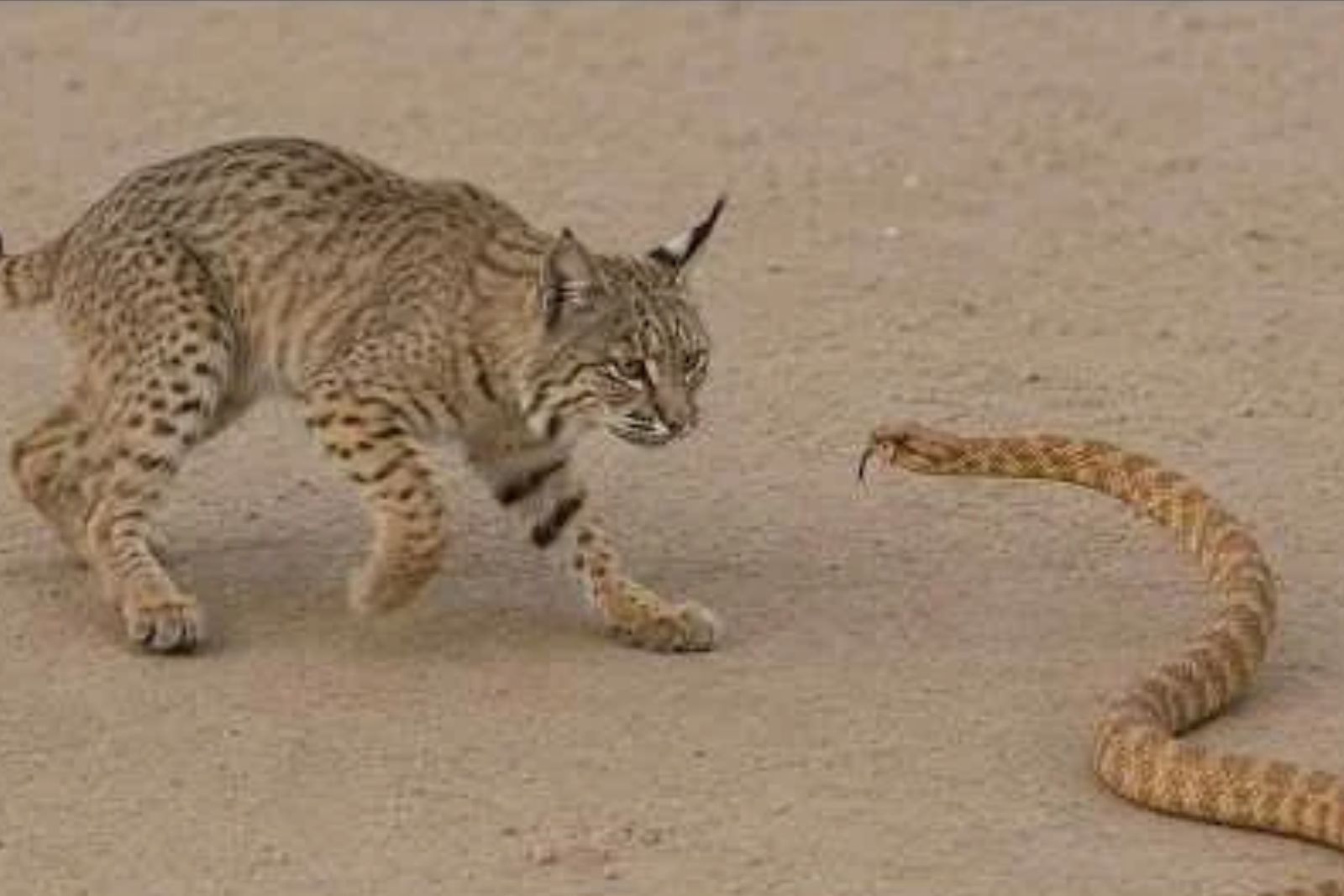
At 8:38 on an August morning, a camera trap at a University of Florida research center in Hardee County began taking pictures. Over the next hour and a half it captured 38 frames of a bobcat and an adult eastern diamondback rattlesnake, a species generally considered the largest rattlesnake in the world.
The photos were taken on August 20, 2022, and reached print only this August in the journal Southeastern Naturalist. The sequence shows something scientists say they rarely get to document: exactly how a bobcat takes on a snake that size.
A Rare Record From a Cattle Research Center
The camera stood at the University of Florida’s Range Cattle Research and Education Center, according to Discover Wildlife, and PetaPixel reported it was part of a larger wildlife-monitoring grid. The researchers who published the images note that adult rattlesnakes are rarely recorded as prey, and that direct evidence of mammals attacking large venomous snakes is scarce.
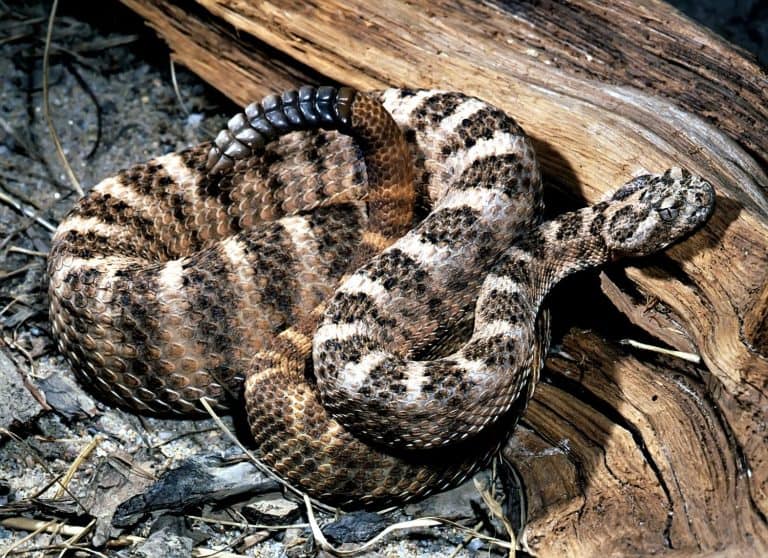
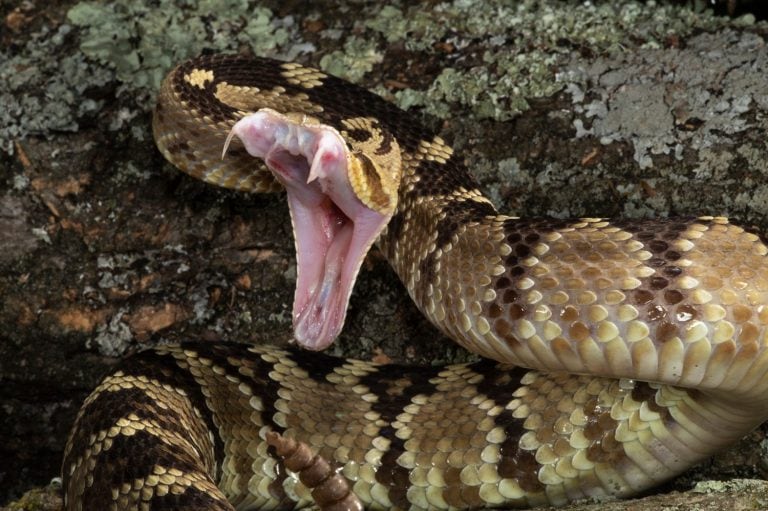
The eastern diamondback is heavy-bodied and venomous, and it is generally considered the largest rattlesnake species by both length and weight. A predator that takes one on is taking a real risk, and there had been little photographic proof that a bobcat would try.
What the 38 Frames Show
The sequence, described in the paper, starts with the bobcat approaching while carefully avoiding the rattling tail. It then bites the tail as it contracts, claws at the snake’s body and bites its head. Later frames show another bite to the tail and a deep wound on the snake’s body.
In the final images, the rattlesnake lies overturned with wounds to its head, midbody and tail. It keeps trying to strike at the bobcat and does not land a hit. Reports on the study describe a badly injured snake but do not say how the encounter ended, and the images do not show whether the bobcat ate it.
The order of the attack stands out: the bobcat did not go for the head first.
What It Adds to the Bobcat’s Record
The authors call the images direct photographic proof that bobcats can attack and badly hurt adult vipers. They say it also backs up earlier indirect evidence that bobcats kill Burmese pythons, and it adds to a growing list of cases showing bobcats can attack or eat fairly large reptiles, including dangerous or invasive ones.
The authors point to earlier research on a bobcat eating Burmese python eggs in the Everglades, where it is the only known nest predator of the species in the United States, and to a study of bobcats preying on young American alligators in coastal South Carolina.
They also suggest these encounters may happen more often than anyone has recorded. Because many large reptiles live a long time, the authors note, losing adults that would otherwise breed could affect a whole population, which is one reason they say these attacks are worth documenting.
This is a single encounter between one bobcat and one snake, so it cannot show how common the behavior is. What it does show is the bobcat’s method: avoid the rattle, go for the tail, then the head.