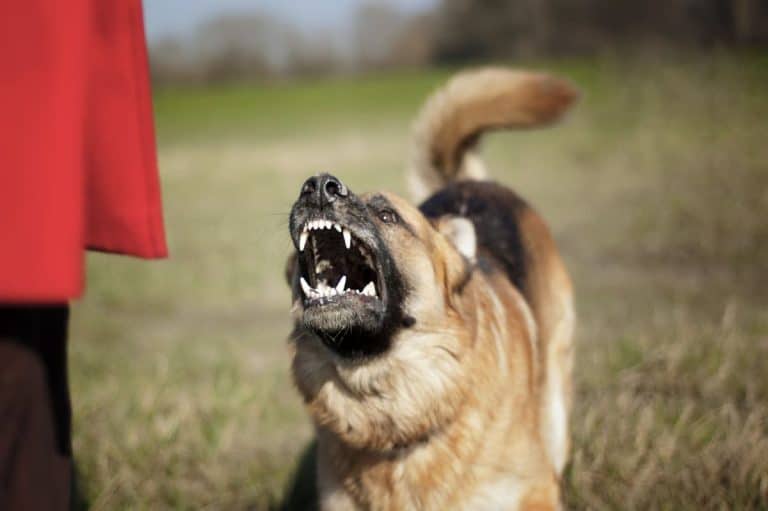

When dogs are in pain, it is not always easy to tell. Some will tuck themselves into a corner or prefer to be alone outside. Others will begin to have behavioral problems that never existed before. Because dogs cannot verbally communicate their discomfort, it is up to their pet parents to recognize behavioral and physical signs that indicate dogs are in pain. The sooner the signs are realized, the quicker veterinary attention can be sought, and hopefully, a road to recovery can be had by the beloved canine.
Shaking or Trembling
Sudden trembling or shaking in dogs may be a sign that they are in pain.
©Javier Brosch/Shutterstock.com
When temperatures drop and dogs spend some time outside, they may shiver after getting dragged in from the outdoor fun to get warm. Dogs may even shiver if the water they are washed in is too cold or if a noise scares them. But, if there is no reason why shivering or trembling suddenly starts, it could very well be that the dog is in pain. If dogs begin to shake or tremble, it is recommended to contact a veterinarian. The reasons behind the shakiness could have to do with pain, but also poisoning or kidney disease. Therefore, it is important to note when the change in behavior began, as well as any other symptoms that crop up with the trembling, so that veterinarians have all the information available to them when it is time for the appointment.
Panting
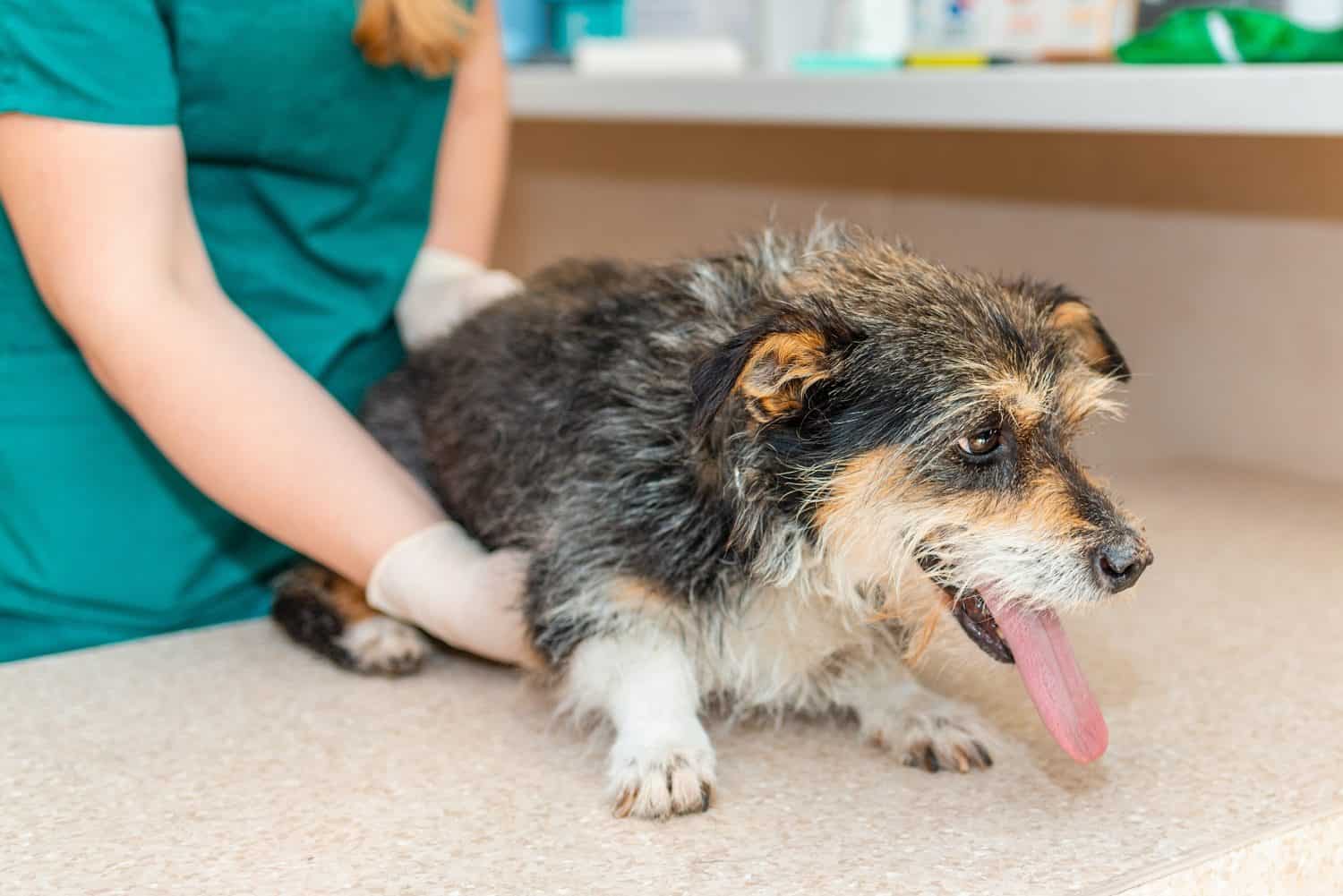
A dog excessively panting may be a sign they are in pain.
©ARVD73/Shutterstock.com
Panting is most often associated with a dog that is trying to cool themselves down after running around or during a hot day. However, panting can also be a sign of pain.
It is important to pay attention to when dogs pant. If it is clear that it is environmental, due to exercise, or even a specific breed that is more apt to pant than others, then there likely is no need to worry. It is when panting begins for no apparent reason and the dog looks to be in distress that panting can be associated with pain. Additionally, panting can be a sign of anxiety or stress. Any one of these things causing panting warrants a visit to a veterinarian so that the underlying cause can be determined and a plan can be put in place to alleviate the panting.
Holding Head Low
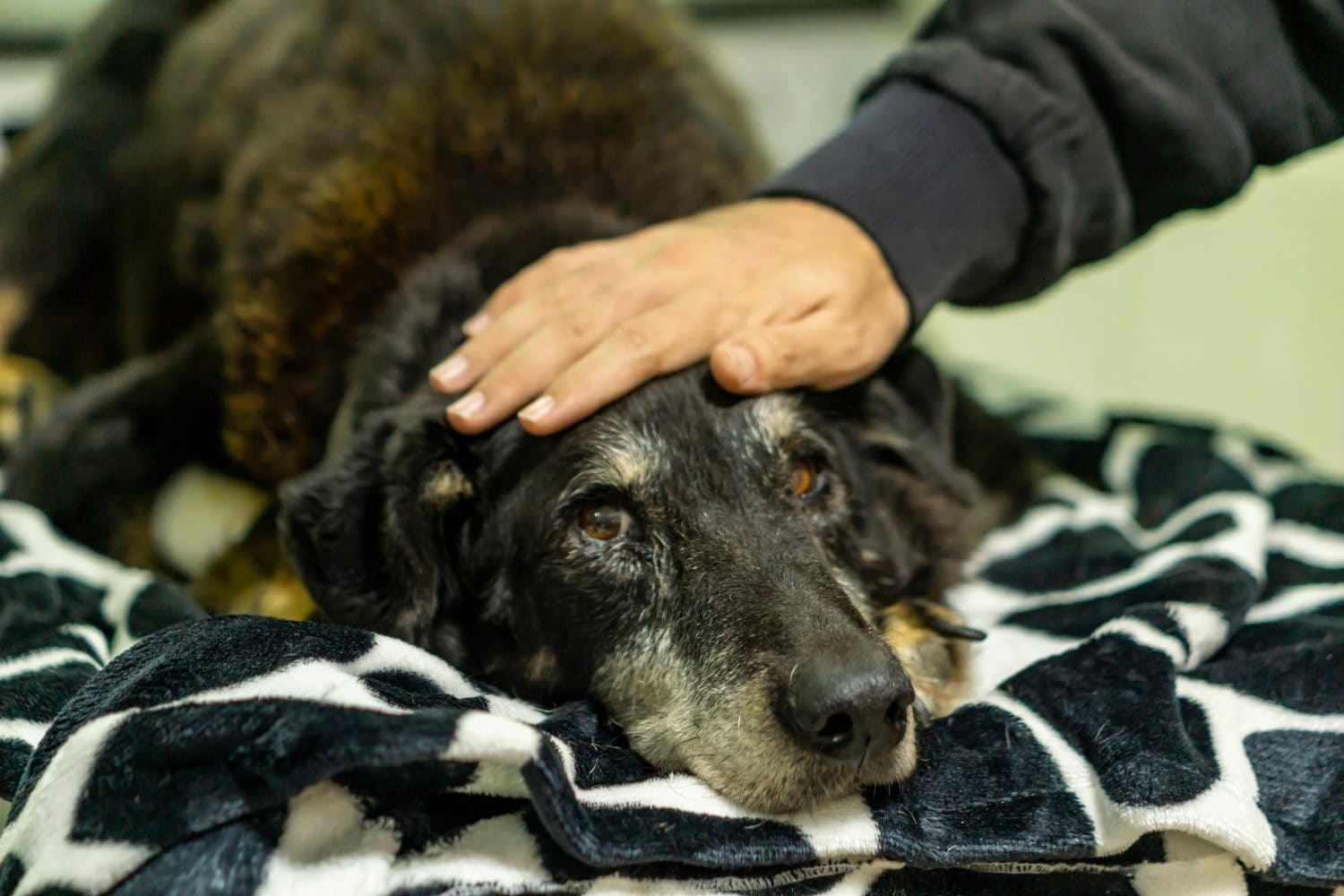
A dog’s inability to hold its head high can mean there is neck or arthritis pain.
©13ching13/Shutterstock.com
In general, dogs will hold their head high when they are confident and feel comfortable in their homes. If dogs have always exhibited the behavior of holding their head up, hanging their head low, or an inability to move it from side to side can be a sign that the dog is in pain. Neck pain can be the result of an acute injury or something more permanent, such as arthritis or degenerative disc disease. Holding the head lower can help dogs alleviate the pain they are in, which may be exacerbated by lifting their head up. Like all sudden changes in behavior, a trip to the veterinarian is recommended to determine why man’s best friend can no longer walk with their heads upright.
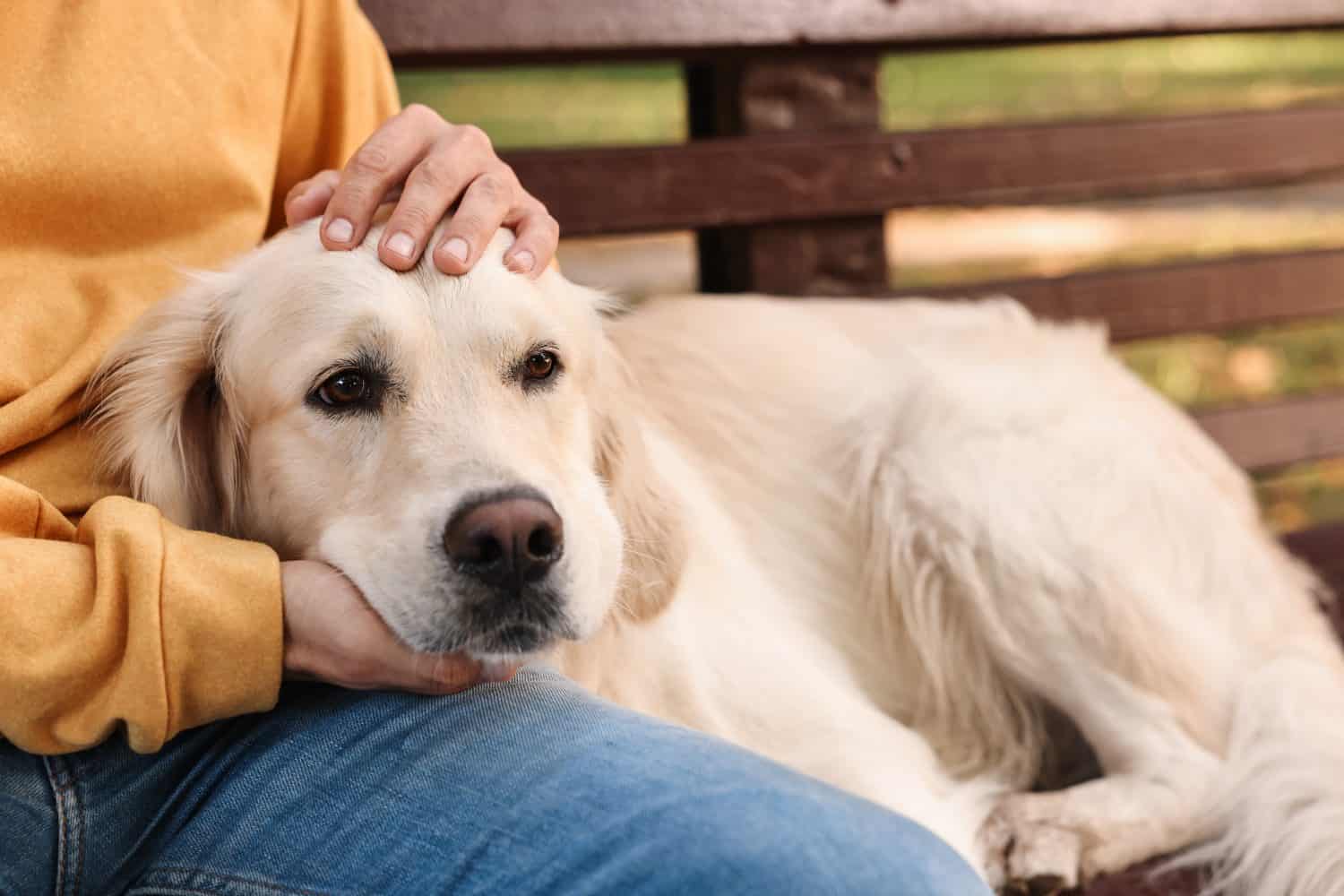
Not Wanting to Be Petted
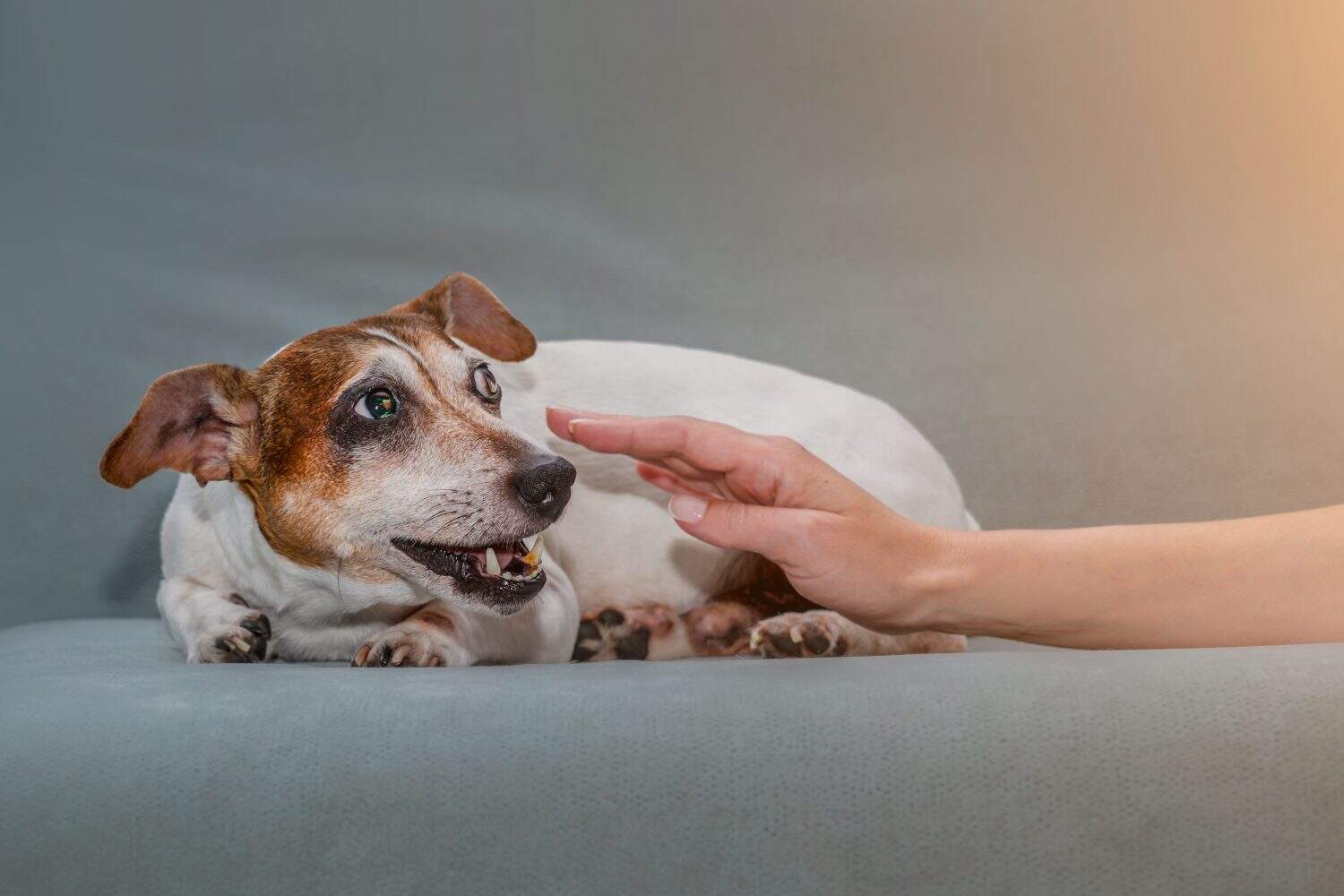
A dog that suddenly stops wanting to be petted may have a painful spot on its body.
©Bonsales/Shutterstock.com
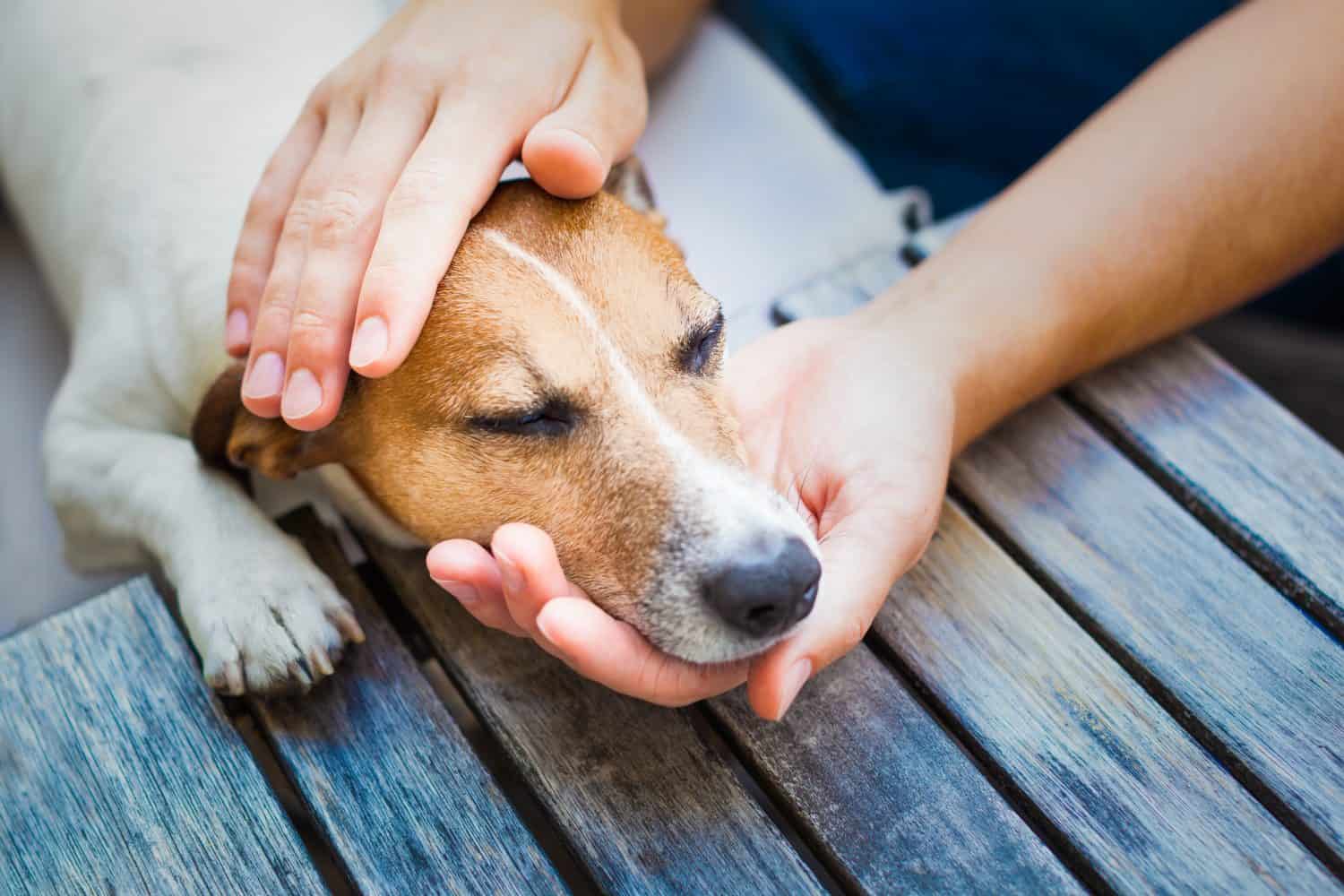
Dogs are animals that seek out and desire affection. One way their pet parents show affection is through petting. Therefore, it can be upsetting when a dog that once craved being next to their person and receiving attention suddenly no longer wants to be petted. The change in behavior is not one to be taken lightly, as it is potentially a sign that the dog is in pain.
The pain experienced by dogs that can make them run from being petted can range from a simple upset stomach to something tender to the touch. Regardless, this is the type of behavior that should be addressed by a veterinarian sooner rather than later so that the cause of the discomfort can be discovered and dealt with appropriately.
Excessive Licking
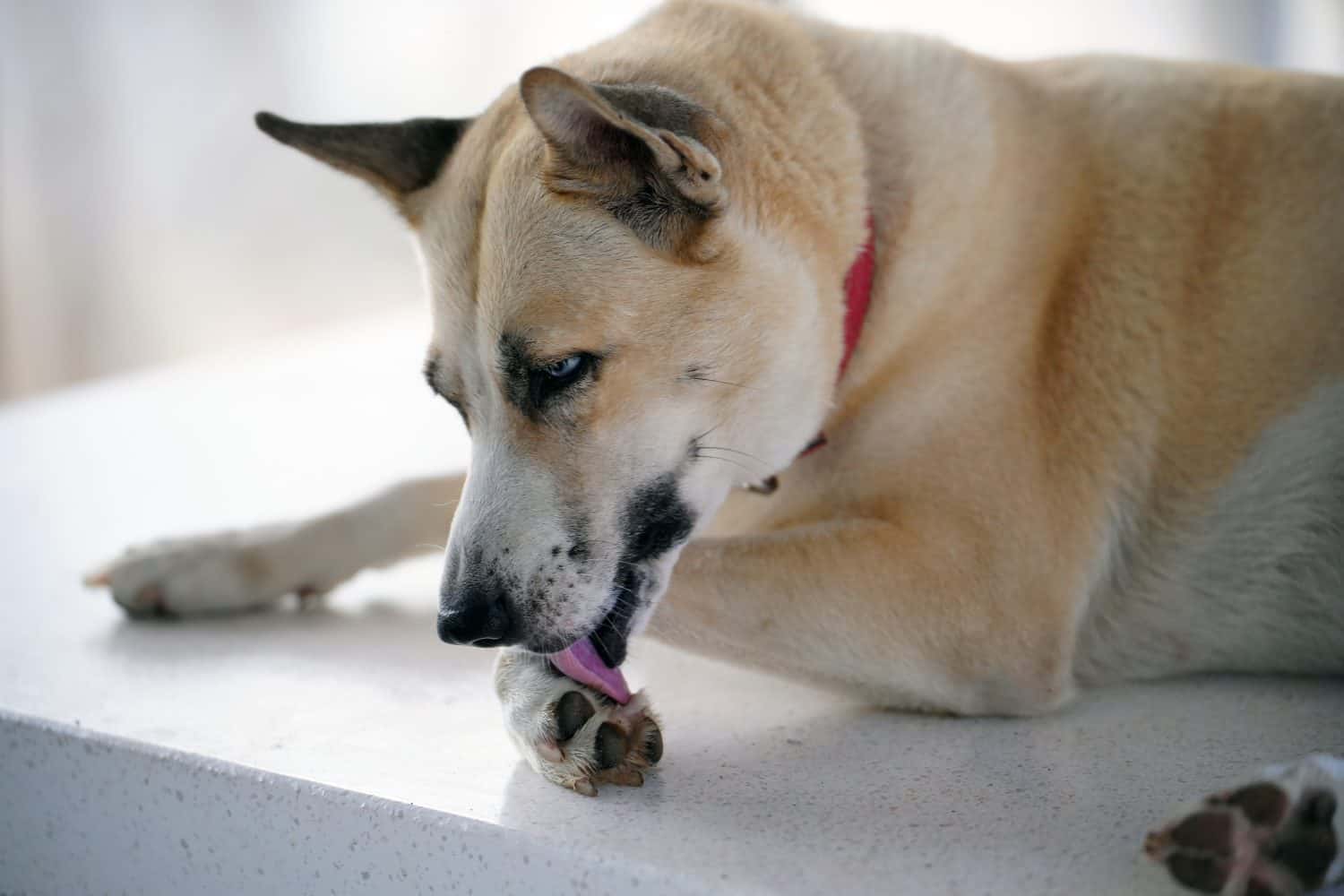
A dog compulsively licking itself may be trying to comfort itself while in pain.
©KPhrom/Shutterstock.com
When dogs begin to lick themselves excessively, there is generally some discomfort with the area being licked. It could be as simple as a hot spot or something more invasive. But, at the end of the day, dogs lick compulsively to soothe themselves.
An area that has become a hot spot from constant licking is licked to release endorphins, making a dog feel better. Whether it is a skin rash, a broken bone, or something similar, licking can help alleviate the pain. This is why a veterinarian should see dogs who compulsively lick to pinpoint the source of the licking so that it can be addressed and the site can begin to heal.
Vocalizing Pain When Touched
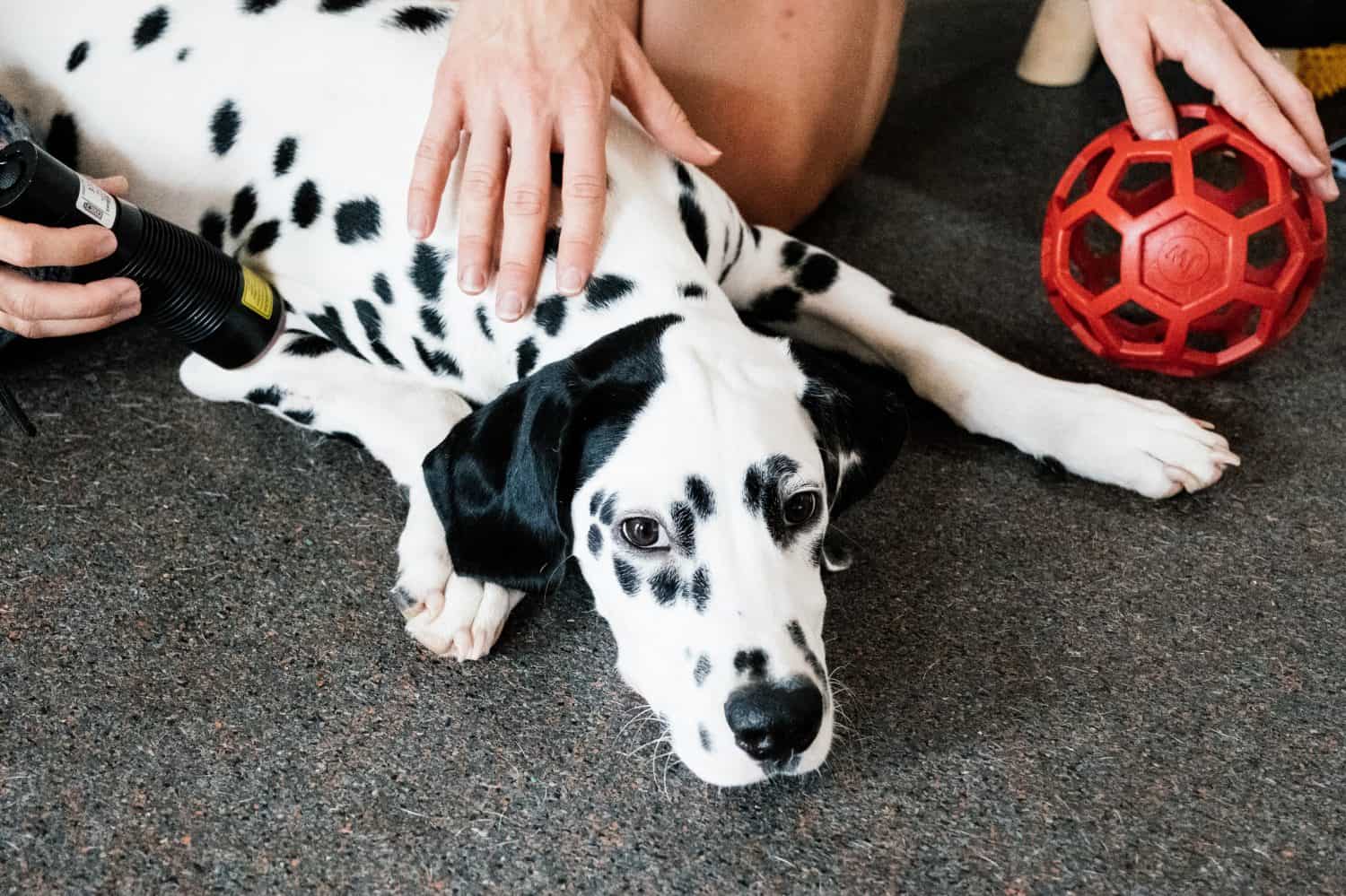
Dogs who whine when touched are likely in pain.
©Iringo Simon/Shutterstock.com
A clear indication that a dog is in pain is if they vocalize discomfort when touched. Dogs are not ones to complain, sometimes, even if they are in pain. It could be that the adrenaline is pumping and the pain is not yet felt to its fullest, or because dogs would prefer to curl themselves up and be left alone. Therefore, if a dog whines or yelps when touched in a particular area of their bodies, it is clear they are in pain, and veterinary help should be sought immediately.
Inability to Sleep
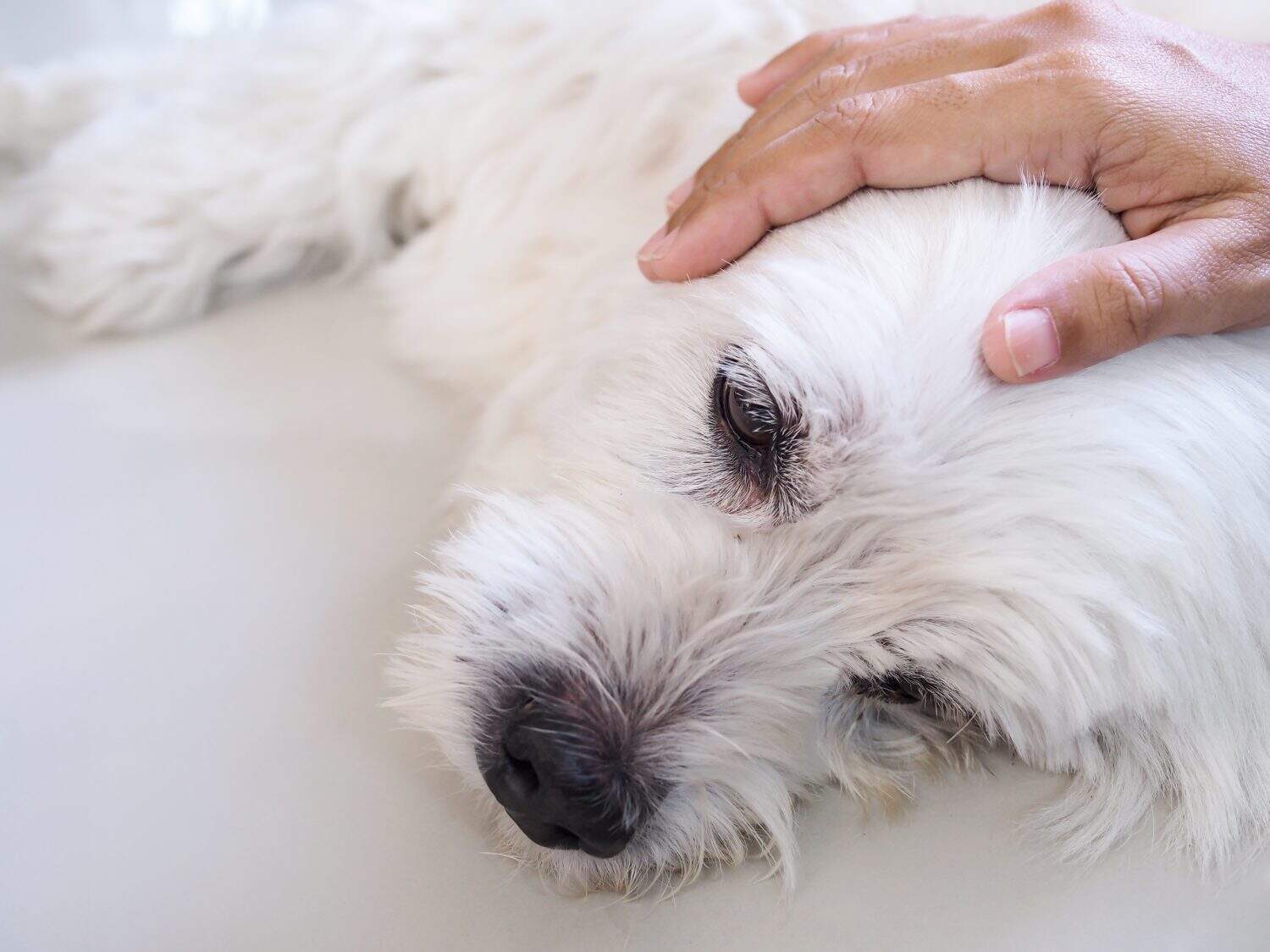
Dogs who are not able to sleep may be suffering from pain.
©Kittima05/Shutterstock.com
As pain courses through a dog’s body, the receptors in the brain that recognize pain can cause dogs to focus only on how uncomfortable they are. When this happens, the body cannot regulate itself to begin the process of sleep or maintain sleep throughout the day or night. Consequently, dogs in pain may not be able to get any quality sleep. This, as in people, can lead to changes in behavior that range from clumsiness to aggressiveness. Therefore, if sleep is not maintained consistently, veterinary intervention is recommended.
Unexplained Aggression
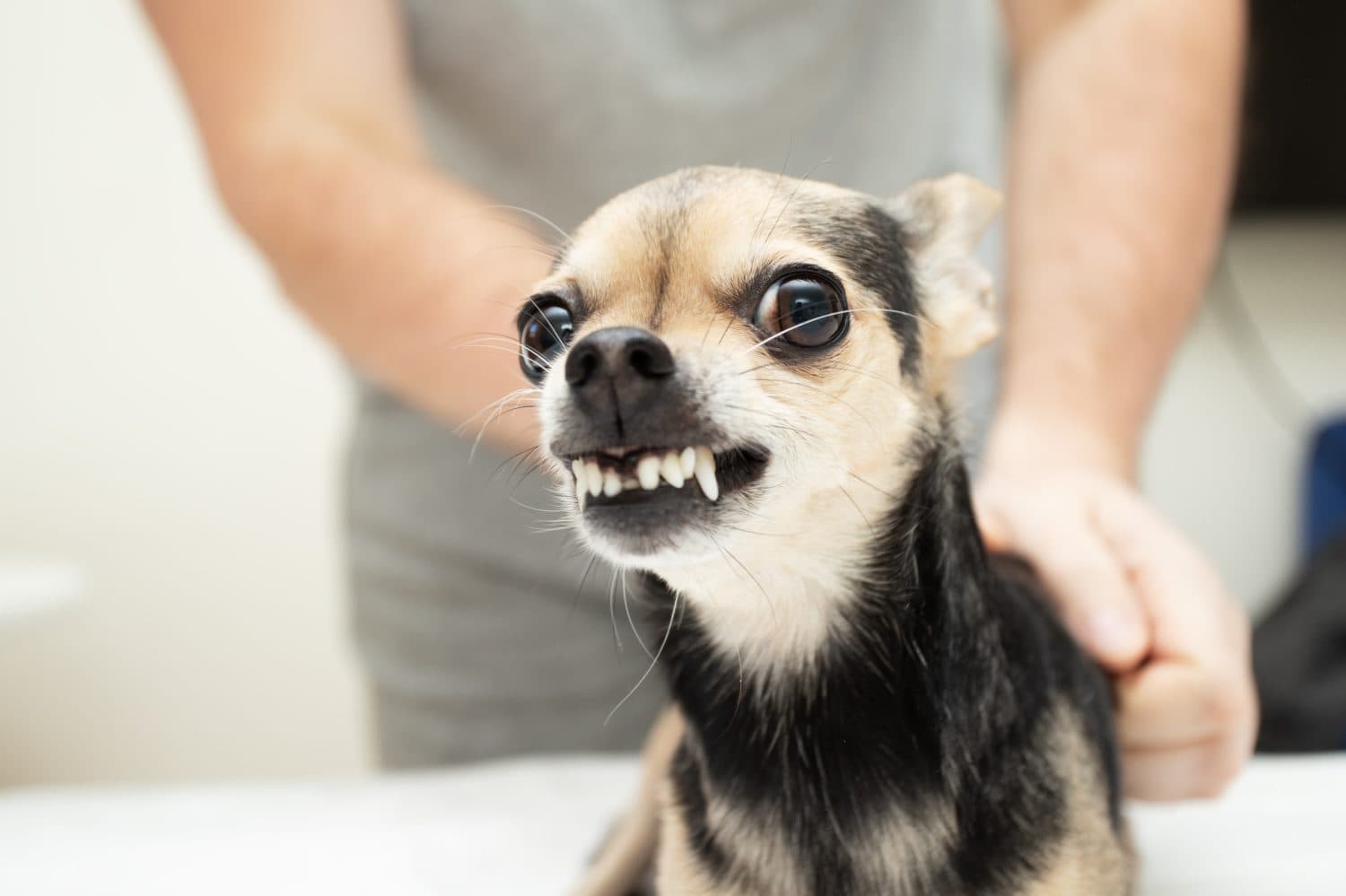
Dogs who suddenly become aggressive may be suffering from unknown pain.
©Yta23/Shutterstock.com
Dogs that suddenly become aggressive do not do so if nothing is wrong. If there have not been any changes to the dog’s environment and no apparent reasons for the dog to change its behavior, it is likely that the dog with the abrupt aggression is in pain.
Dogs will become aggressive when in pain to protect themselves. They are keeping other animals and even their humans at a distance so they are not further hurt. This is a defensive mechanism that can make it hard for pet parents to understand why there is a behavior change. Therefore, a visit to the veterinarian should be made before too much time lapses, to get the dog the treatment needed to return to their old selves.
Inability to Get Comfortable

Dogs who are unable to get comfortable and are restless may be suffering from pain.
©Javier Brosch/Shutterstock.com
Dogs generally have a preferred spot where they can lie down to rest. When this spot is no longer able to bring them comfort, and no other areas can either, it is likely because the dog is uncomfortable. When it is time to sleep, dogs are notorious for getting their beauty rest, even if the environment around them is a bit noisy. However, if dogs continue to get up, try multiple areas to lie down to no avail, and appear exhausted from trying to relax unsuccessfully, they are likely experiencing some source of pain that a professional should examine.
Limping
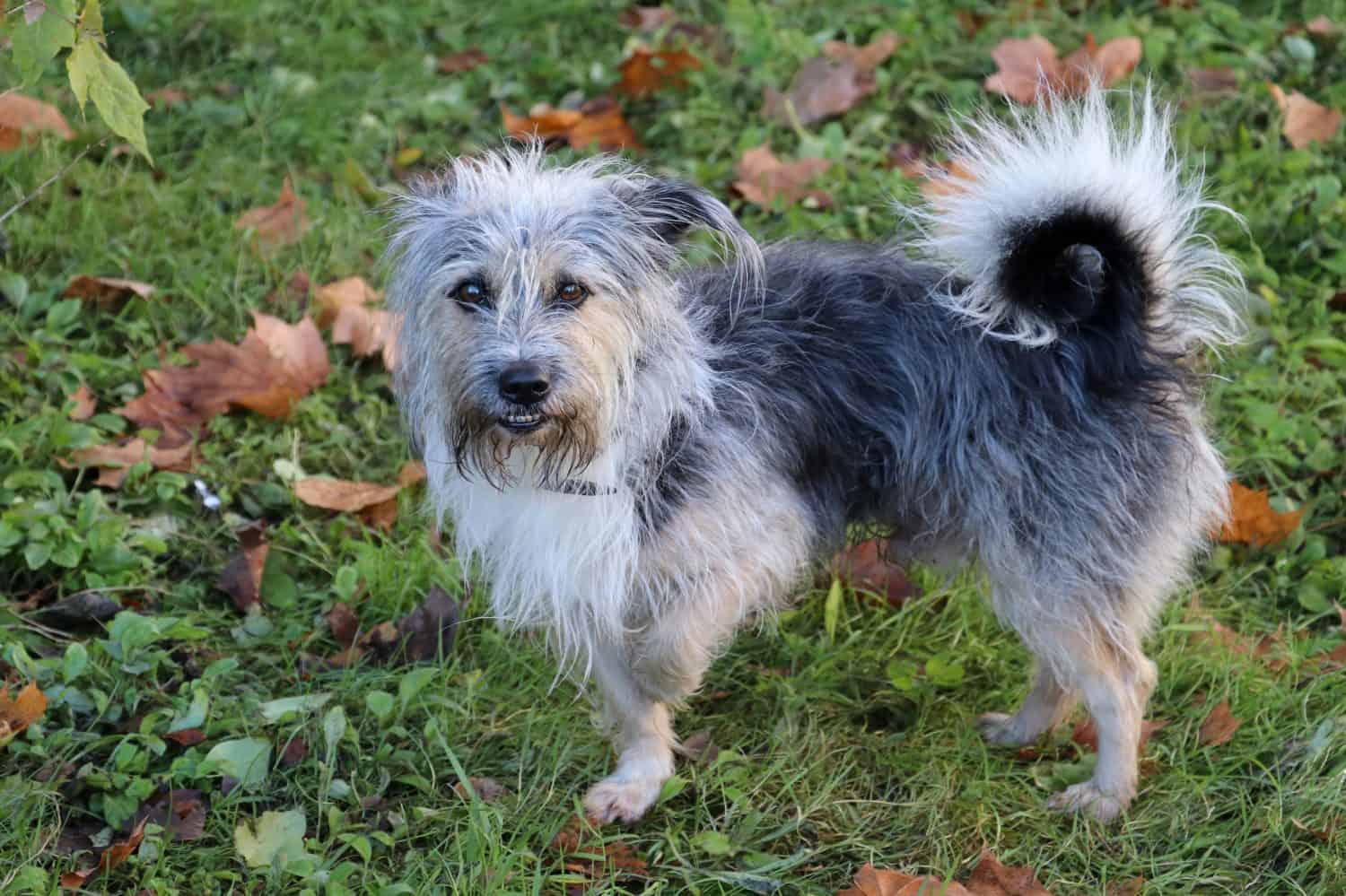
Dogs who are limping are showing signs of pain.
©Al Grey/Shutterstock.com
Dogs who limp may continue to wag their tails. This does not mean dogs are not in pain. Dogs who are limping are expressing that there is something wrong with them, and they need help to make the pain go away. When dogs limp, it could be due to an injury to an appendage, an infection, or even a joint problem. Dogs will take their weight off the area that hurts and compensate with their other legs to get around. However, this does not mean dogs have alleviated the pain. They have only made it more bearable. Therefore, a limping dog should be seen by a veterinarian so a proper course of action can be made to allow the dog to recover as pain-free as possible.
Inability to Walk Up or Down Stairs
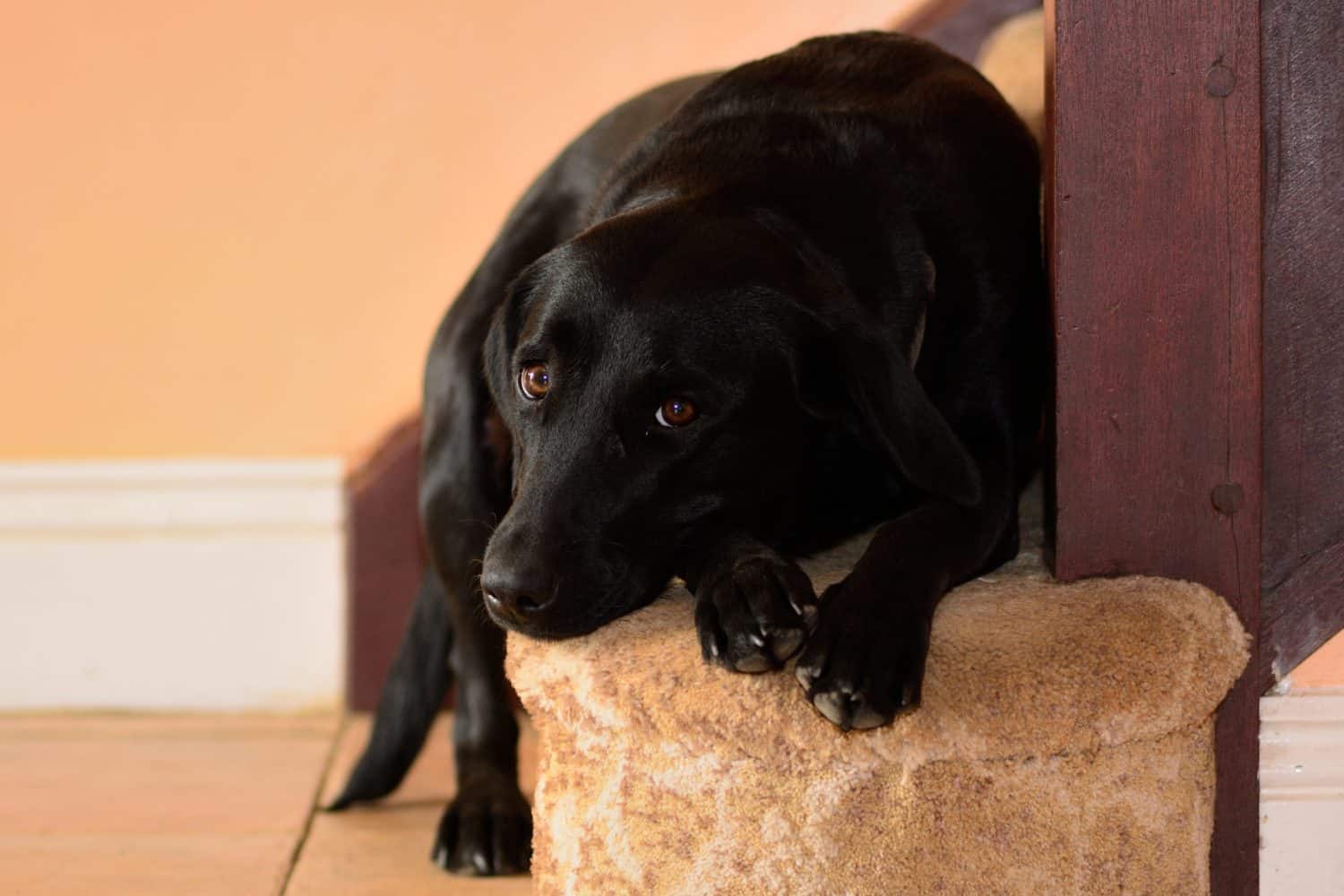
Dogs who do not want to climb or descend the stairs may have joint or hip pain.
©Tom Meaker/Shutterstock.com
When dogs are first introduced to the stairs, they may be hesitant to go up or down the steps. Many will eventually become accustomed to the stairs and race up and down them like pros. It is when dogs stop going up and down the stairs that it can signal a problem. This is especially true if the room they sleep in is at the top of the stairs with their favorite person. If dogs decide the stairs are something they cannot navigate, it is a sign they may be in pain. As dogs get older, they begin to experience things such as hip dysplasia or joint pain. This can make going up or down the stairs unbearable. Therefore, if a dog suddenly stops climbing or descending stairs, a veterinarian check is warranted, and it may be time to find alternative places for the beloved dog to sleep at night.