
Quick Take
- Connecticut has far fewer bears than Massachusetts, yet its home-entry numbers aren't even close, and the gap comes down to one thing bears have quietly learned. See the entry trend →
- A single bird feeder can outcompete an entire day of foraging in the wild, and that favorable math is reshaping how bears behave in neighborhoods. See the calorie math →
- Most residents trying to coexist with bears are making one mistake that actually makes their yard more attractive to bears rather than less. Check the DEEP checklist →
- When a bear shows up in your yard, the instinct most people follow is exactly the wrong move. See how to respond safely →
On September 21, Connecticut wildlife officials released numbers that reflect what residents have been seeing all year: black bears have entered more than 60 homes in 20 cities and towns in 2026, according to the state’s Department of Energy and Environmental Protection (DEEP). Bears have now been reported in all 169 of Connecticut’s cities and towns.
The comparison with Massachusetts is striking. DEEP says that state has a much larger black bear population, but it recorded only five home entries in all of 2025. So why are Connecticut’s bears coming inside?
A Trend That Started Small
A decade ago, bears entered Connecticut homes fewer than 10 times a year, DEEP said in a release reported by the Connecticut Post. In 2025, the total was 40 across 18 municipalities. This year’s count is already well above that, with weeks of fall still to come.
DEEP says home entries have risen significantly over the past seven years, and that they remain far higher than in neighboring states. The reason, the agency says, is not how many bears there are, but what they have learned to expect from people.
The 20,000-Calorie Shortcut
In the fall, bears go through a seasonal feeding binge, called hyperphagia, eating up to 20,000 calories a day to bulk up for winter. Connecticut’s woods offer plenty of natural food, including acorns at about 2,100 calories per pound and blueberries at just 256. Reaching the daily goal that way takes many hours of foraging.
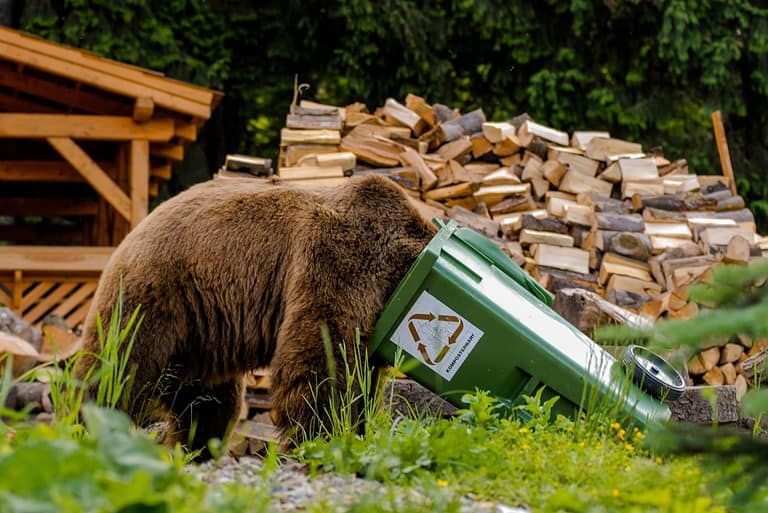
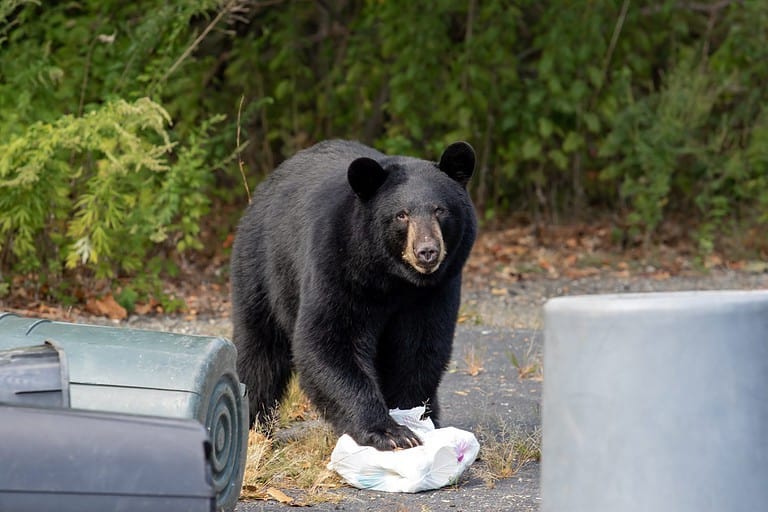
Human food is a shortcut. DEEP says a single bird feeder or unsecured garbage bin can deliver as many calories in under an hour as a bear might find in a full day of natural foraging. Bears that keep getting those easy meals can become “habituated,” meaning comfortable around people, and “food-conditioned,” meaning they associate people and developed areas with food. DEEP Wildlife Division Director Jenny Dickson says bears that eat from trash, feeders or grills lose their natural fear of people, spend more time in neighborhoods, and are more likely to be hit by vehicles.
What DEEP Wants Residents To Do
The first rule is simple: never feed bears. Doing so on purpose is illegal in Connecticut. Beyond that, DEEP’s fall checklist includes:
- Using a bear-resistant trash can, or keeping garbage in airtight containers in a garage or shed and putting it out the morning of collection, not the night before.
- Skipping birdfeeders entirely, including hummingbird and suet feeders. DEEP says they attract bears at any time of day and year, and even empty feeders can draw them in.
- Keeping birdseed, suet cakes and recyclables out of porches and screened sunrooms, because bears can smell them and will rip screens to get at them.
- Cleaning grills and storing them in a garage or shed, and never leaving pet food outside.
- Protecting beehives, chickens and berry bushes with electric fencing.
If a bear shows up in your yard, DEEP says not to approach it or stay for a photo. Go inside, bring children and pets with you, and try to scare the bear off from a safe place by yelling, clapping, banging pots and pans, or using a whistle or air horn, making sure the bear has an escape route. DEEP wildlife biologist Jason Hawley put it simply at a public forum in August, as reported by WSHU: “If you care, scare the bear.” Bear aggression toward people is exceptionally rare, according to DEEP, but a bear that seems aggressive should be reported right away to the agency’s 24-hour Dispatch Center at 860-424-3333.
DEEP is clear that these steps will reduce the chance of a bear entering a home, not eliminate it. Food is what draws bears in, and it’s the one part residents can control.