
Quick Take
- Baby sea turtles are born with a built-in navigation system, but one simple feature of modern coastlines completely breaks it. See how lighting disorients them →
- Chlorine isn't the only danger a pool poses to a hatchling. Rescuers had to clear one more hurdle before any of the 64 turtles could go free. See the swim test hurdle →
- The fix that could protect thousands of hatchlings each season costs coastal homeowners almost nothing to implement. Find the simple lighting fix →
- Seasoned wildlife rescuers called this particular pool rescue unusual, and the reason why says a lot about how fast the problem is growing. Discover what made this unusual →
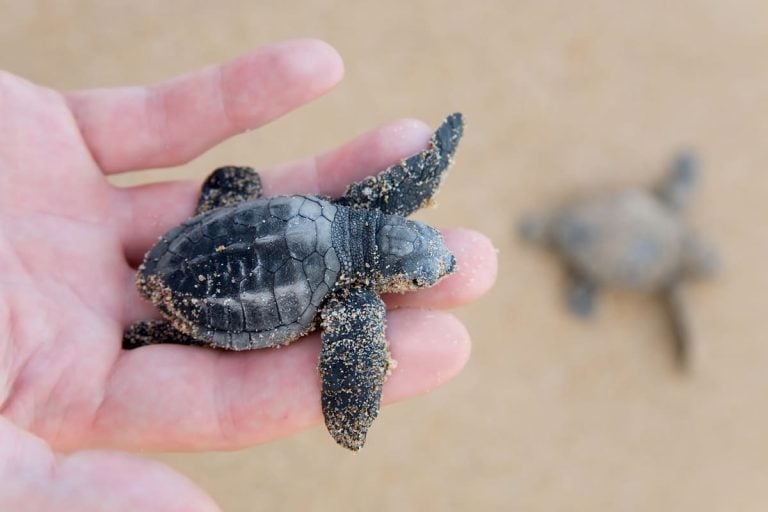
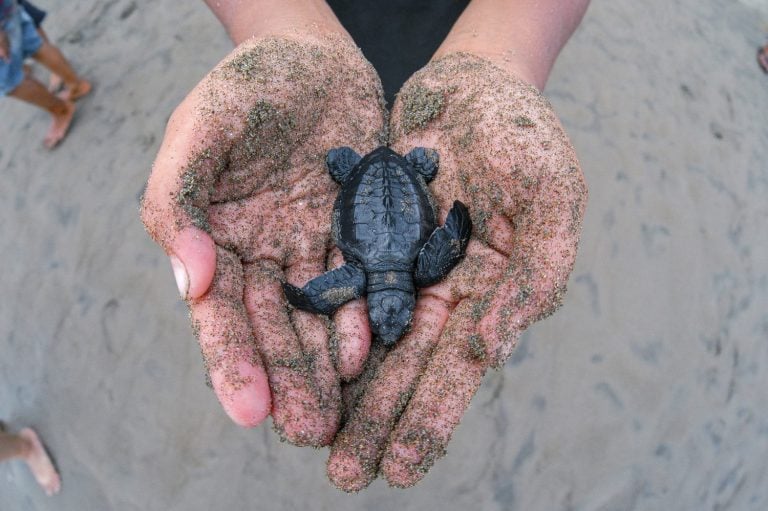
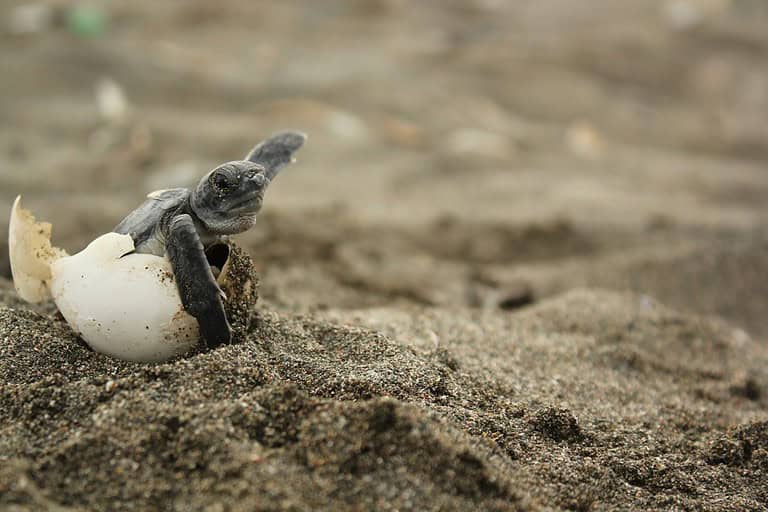
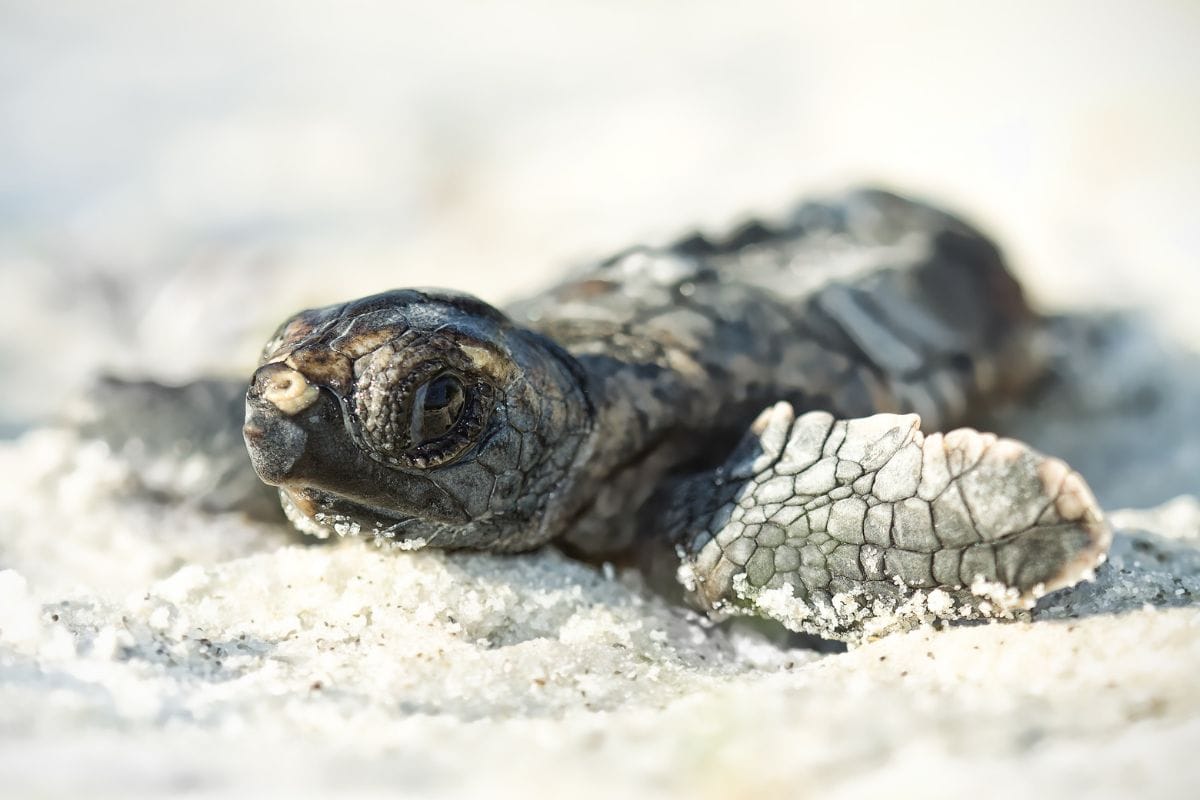
Early one morning in Islamorada, Florida, a family inspected their backyard pool and discovered a sight few ever witness. Dozens of fragile creatures paddled across the chlorine-blue water. The movement wasn’t from frogs or fish. As the family moved closer, they quickly realized the pool was overrun with baby sea turtles, each measuring just a few inches in length.
Recognizing the urgency, the family acted fast. A chlorinated pool is no home for a newly-hatched turtle. Help was only a call away, the Turtle Hospital, a well-known rescue facility in the Keys, received their anxious request.
When Nature Runs Into Modern Obstacles
During certain months, the Turtle Hospital expects to get calls about stranded hatchlings almost daily. Sea turtle babies are programmed by nature to find the ocean after digging out of their sandy nests. They do this by following the natural patterns of light on the horizon. In a perfect world, that guiding light leads them to the Atlantic or the Gulf.
But coastal development has changed the landscape. Lights from homes, resorts, and rental properties now line the shore, often brighter and closer than the glimmer of the open sea. According to experts at the Turtle Hospital, this kind of artificial lighting is behind a steady rise in misdirected hatchlings. Some end up in swimming pools; others get trapped inside storm drains or wander onto busy roadways, places evolution never prepared them for.
An Unusual Pool Party
Even for seasoned rescuers, the Islamorada call stood out. Inside the backyard pool, they tallied 64 baby turtles. Each one had started life with a struggle, disoriented by nighttime lights and blocked from the ocean by human barriers.
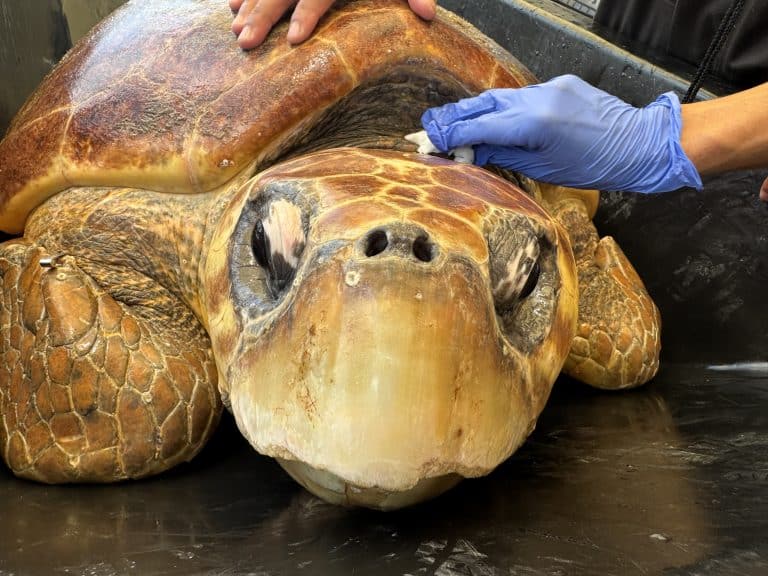
The team from the Turtle Hospital carefully gathered all the hatchlings and brought them to their facility. The babies were rinsed clean, chlorine is not gentle on delicate reptilian skin, and given fluids to help them regain strength. Despite their ordeal, the turtles soon demonstrated just how ready they were for ocean life: all passed their swim tests without hesitation.
Back to the Wild
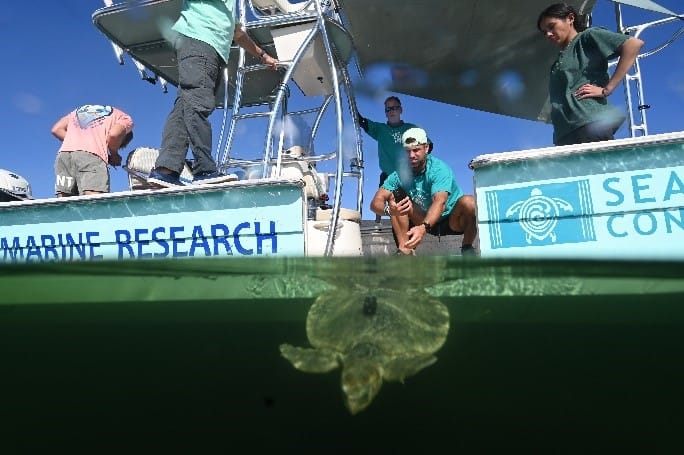
Within days, the hatchlings were healthy enough to attempt freedom again. This time, there was no more confusion. The Turtle Hospital’s general manager released the young turtles straight into the Gulf Stream. As soon as they hit the open water, the babies paddled with a purpose, fitting naturally into the rhythms of their wild home.
The release was a victory. But hospital staff admit these rescues are bittersweet. Saving hatchlings from pools, drains, and roads means confronting the unintended consequences of coastal life, a problem that grows each year as development expands.
What the Lights Reveal About Our Coasts
The story of 64 baby turtles isn’t just about a lucky rescue. It highlights a dilemma facing wildlife and people everywhere: as human territory grows, the ancient behaviors of animals come into conflict with concrete, glass, and electric light. In places like the Florida Keys, the simple act of turning off outdoor lights or switching to turtle-safe wavelengths can make a world of difference for these ancient mariners.
For those who live or vacation by the ocean, awareness is the first step. Each season brings a new generation of hatchlings. What happens next depends on the choices made in the houses and hotels lining the shore.