
Quick Take
- Canine hearing loss often progresses with age, starting with high-pitched sounds and gradually reducing a dog’s ability to hear voices from background noise.
- Some deafness is congenital, but most cases arise from ear problems, allergies, infections, or aging, making ear care and early treatment important.
- Deaf dogs rely on hand signals, body language, and vibration cues; safety-focused management like fences and leashes helps keep them confident.
It’s widely understood that dogs rely heavily on sound to navigate the world. But did you know that many lose some or all of their hearing over their lifetime? An older dog may suddenly start sleeping through the sound of the doorbell, or perhaps your new puppy isn’t as aware of sounds as your last dog. How can you tell if your dog is born deaf or going deaf, and how can you help them over the duration of their life?
Using expert knowledge and scientific sources, we’ll explain how canine hearing loss works, what causes deafness in dogs, and the signs that your dog might actually be hard of hearing, not simply ignoring you. We’ll also lay out what to do if you suspect deafness and how to adapt training and daily life so your dog stays safe and confident in a world built on sound.
We interviewed certified veterinarian technician and dog trainer, Teagan Coleman of NLR Explore Dog Training, for details on deaf dogs and their training. She shared with us what signs might point to deafness in your new pup, as well as how she coaches clients to communicate with deaf and hard-of-hearing dogs. Let’s dive into the details!
Do Dogs Lose Their Hearing As They Age?

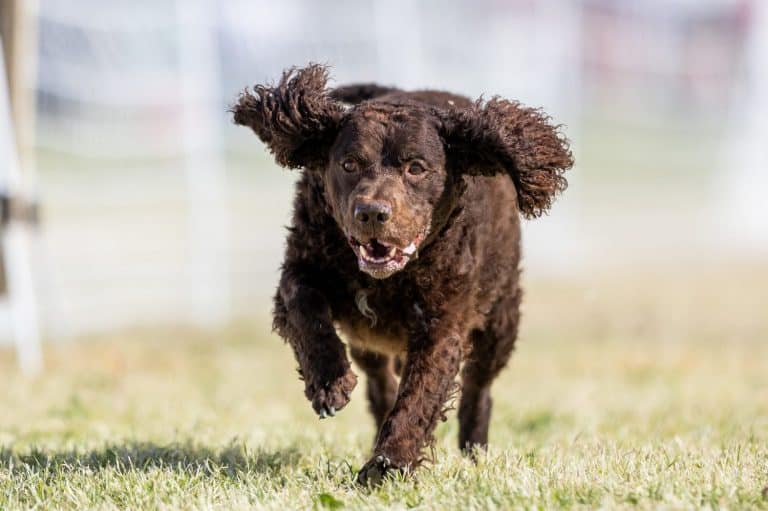
It’s possible for dogs to lose hearing as they age, which is why your senior pup should be examined for hearing loss regularly.
©Yobab/Shutterstock.com
Just like humans, many dogs lose hearing gradually as they get older. Age-related hearing loss is usually a slow, progressive change in a dog’s inner ear. High-pitched sounds tend to go first, then lower frequencies, and owners may not notice this change until the dog is missing important cues, making their hearing issues far more obvious.
Common patterns of hearing loss in dogs include:
- A senior dog who no longer responds to their name unless you’re close.
- A dog that sleeps through loud noises that were once used to wake them.
- You need to clap or raise your voice to get a response from your dog.
Coleman explains it to us this way: “For a lot of senior dogs, hearing loss happens like a volume knob being turned down over time, and every dog will experience decline at different rates. They’re really not ignoring you, and it’s important to remember this possibility. They literally can’t pick out your voice from the background noise anymore.”
Age-related hearing loss is usually permanent. However, many dogs adapt well if their humans switch to visual and tactile cues and make some practical safety changes. This is the case for anyone adopting a deaf puppy as well; training usually occurs through solely visual cues. But more on this topic later; for now, let’s go over what can potentially cause deafness in dogs.
What Causes Deafness in Dogs?

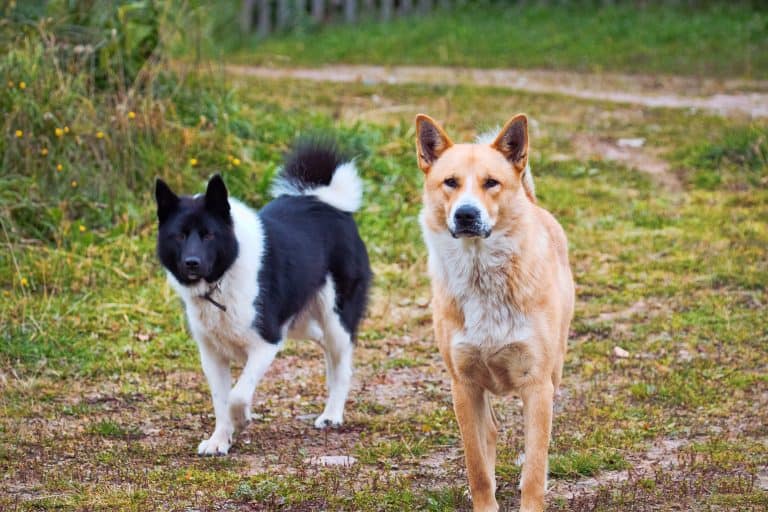
Certain coat patterns can actually point to deafness in dogs.
©Santos Roman/Shutterstock.com
Deafness in dogs can be congenital or present at birth, or acquired, which means symptoms develop later in life. Understanding the cause helps you and your vet decide what’s reversible and what’s not; let’s go over those causes now. Major categories of what causes deafness in dogs include:
- They’re born deaf.
Some dogs are born deaf because of very particular genetic factors, often linked to coat or eye color patterns (for example, certain merle or piebald dogs). These dogs usually adapt quickly because they’ve never known anything else and are generally unafraid of being deaf. - Chronic ear disease.
Long-term ear infections, untreated allergies, or chronic inflammation can actually damage the structures of the ear over time. In severe or repeated cases, this can lead to partial or total deafness in one or both ears, which is why dog ear infections should be treated seriously. - Age-related hearing loss.
As dogs age, the minute hair cells in their inner ears can deteriorate, reducing their ability to convert sound into signals the brain understands. This is common in seniors and is usually irreversible. - Injury, noise, or toxins.
Loud noises, such as explosions, repeated gunfire, or very loud music, certain medications, head trauma, or severe systemic illness can also damage hearing. In some cases, this damage is permanent, just like it can be in humans.
“People tend to think deaf dogs are all born that way,” Coleman reports. “In reality, I see far more dogs who have become deaf over time, from many different sources. From chronic ear problems, consistently loud environments, allergies, or just plain aging, there are multiple potential causes for deafness in our dogs.”
Signs Your Dog May Be Deaf or Hard of Hearing

There are a number of red flags to keep an eye out for if you’re worried your dog is losing their hearing.
©Kaitlin Kelly/Shutterstock.com
Some signs of deafness in dogs are obvious, but others can look like behavior problems or stubborness. Red flags for hearing issues in pups can include:
- Not responding to their name unless you’re very close or they can see you.
- Startling easily when touched from behind or woken up.
- Sleeping through loud noises like the doorbell, vacuum, or thunderstorms; anything that would’ve been a potential trigger in the past.
- Barking more loudly or with a different tone, because they can’t hear themselves.
- Failure to react to squeaky toys, treat bags, or car doors closing.
- Needing visual cues, like watching other dogs or people, to decide what to do.
Coleman notes, “One of my big tells for a deaf dog is what I call the ‘lost dog look.’ You call them, nothing happens, but the second they catch your eye or see another person or dog move, they react. They’re waiting for visual information because sound just isn’t reliable anymore, and it can be heartbreaking.”
Quick Tests to Determine If Your Dog Is Losing Their Hearing
At home, you can attempt this simple, gentle test to determine your dog’s hearing loss:
- Wait until your dog is facing away and not watching you.
- Make a non-vibrational noise out of their line of sight; something simple, like clapping.
- See if there’s any ear twitch, head turn, or orientation toward the sound.
Never shout directly into the dog’s ears or create extremely loud noises, as this can cause more trauma than is necessary. Your goal is to observe, not potentially scare them. And remember: these informal checks are not a replacement for a veterinary exam. That should be your very next step after confirming the state of your dog’s hearing.
For a lot of senior dogs, hearing loss happens like a volume knob being turned down over time, and every dog will experience decline at different rates.
Teagan Coleman of NLR Explore Dog Training
What to Do If You Suspect Your Dog Is Deaf
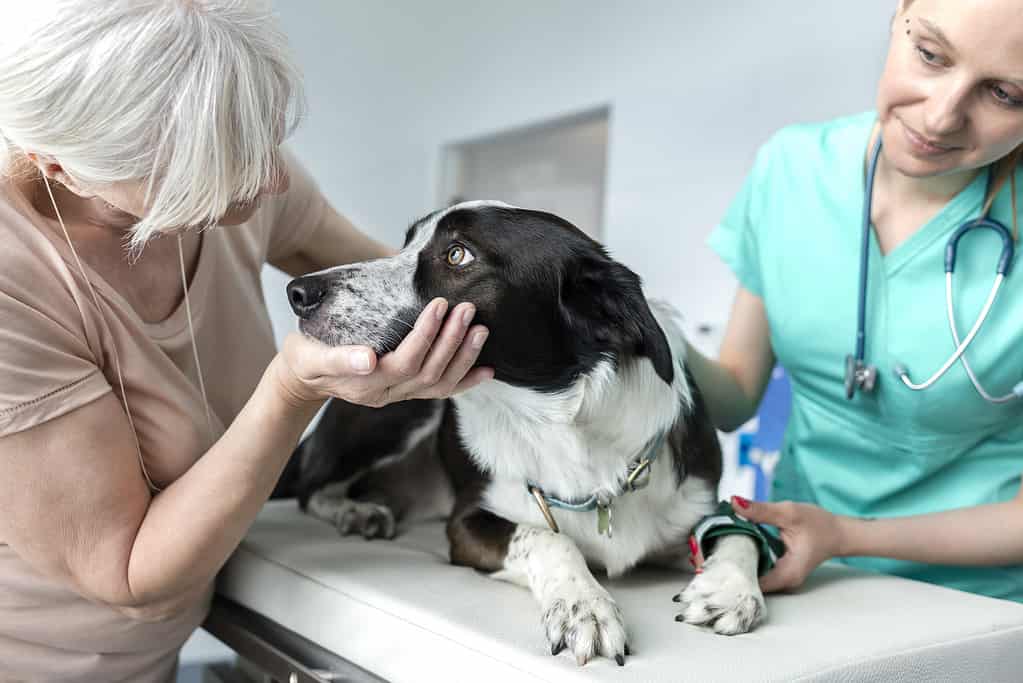
Your vet should be the one to diagnose deafness in your dog.
©iStock.com/IPGGutenbergUKLtd
If you notice signs of hearing loss in your pup, the first step is and always should be a veterinary visit. At the appointment, your vet will:
- Examine the ear canals for wax, debris, foreign bodies, or infection.
- Check the eardrum and middle ear for potential damage.
- Review your dog’s medical history, medications, and noise exposure.
- Decide whether advanced testing, such as a BAER test, a method that measures brain responses to sound, is appropriate or available in your area; it can be difficult to obtain this test, depending on your region.
Some causes of deafness are completely treatable. For example, heavy wax build-up, certain infections, or reversible medication effects have solutions. Others are unfortunately permanent, but your vet will be able to determine a way forward. The focus will likely shift from fixing the cause of deafness to helping your dog live safely and comfortably with this new diagnosis.
“I always tell clients that step one is ruling out the fixable stuff, in tandem with your vet,” Coleman tells us. “If it’s as simple as clearing a nasty ear infection, great. If it’s permanent, we switch gears to management and training, things that can seem difficult at first, but will ensure your dog can lead a fulfilling life in the long run.”
When a Vet Visit Should Happen Immediately
Signs that warrant a prompt vet visit and shouldn’t be ignored for any length of time include:
- Sudden hearing loss over mere hours or days.
- Head tilting, a loss of balance, or rapid eye movements.
- Pain/yelping when the ears are touched or a strong ear odor.
Any of these symptoms can indicate an infection, inflammation, or neurologic disease and shouldn’t be managed at home. Your vet will have the answers, and your pup will thank you for it.
How to Adapt Training for a Deaf or Hard-of-Hearing Dog
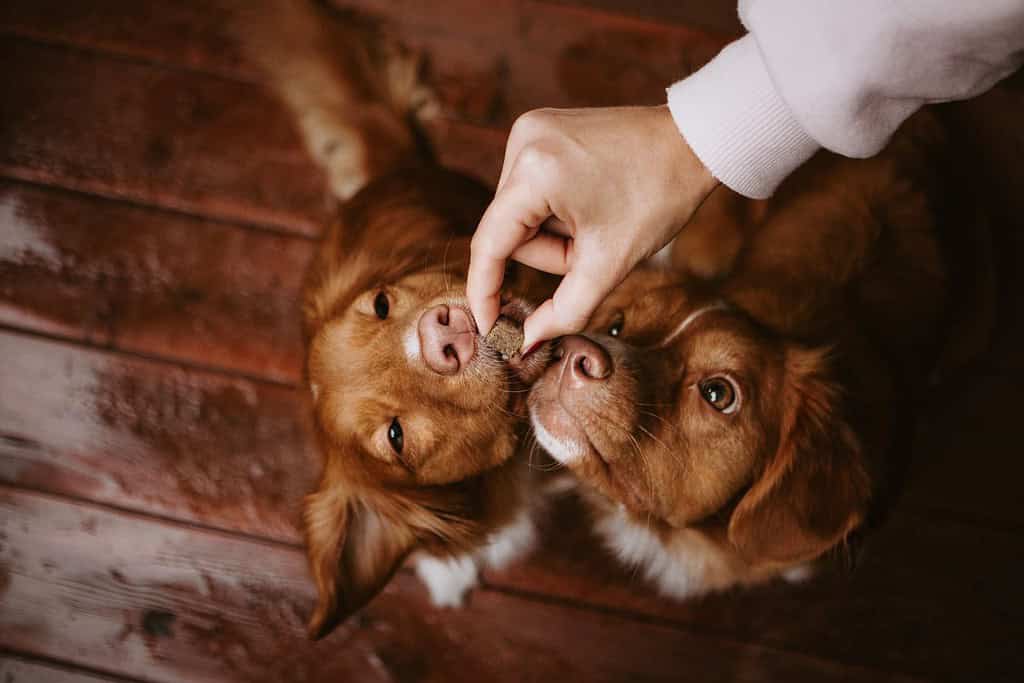
Training a deaf dog requires visual cues and, of course, plenty of positive reinforcement.
©Zuzanna Paluch/Shutterstock.com
The good news is, deaf dogs can learn and are just as capable of adapting to new training as dogs that can hear. They’ll just need a different communication channel and your patience. Instead of relying on voice cues, you’ll use hand signals, body language, and even vibration to get their attention and give them instructions.
According to Coleman, key training adjustments for deaf dogs include:
- Teach a visual name recall.
Choose a clear hand signal like an arm motion or a distinct wave that means “look at me.” Pair it with treats every time your dog looks up. Over time, this becomes your visual name for your pup. - Use consistent hand signals for cues.
Assign a signal for sit, down, stay, come, and all other basics. Keep them simple, obvious in their motion, and consistent so anyone in the household can use them. - Build a positive startle response.
Gently touch your dog in a predictable place and immediately follow with a treat, so being touched from behind means they’re safe rather than startled. - Use light and vibration.
To avoid startling their pup, some owners flick a light on and off when they come into a room or lightly stomp on the floor to create a vibration. Others use vibration-only collars without shocking capabilities to get attention, always paired with positive rewards.
Coleman explained, “With deaf dogs, we’re teaching them to watch, which can be a wonderful way of training any dog, deaf or otherwise. To be successful at this, it’s all about big, clear gestures, lots of eye contact, and tons of positive reinforcement. E-collars are also an option, but these can be used incorrectly, so make sure it never becomes a punishment.”
Keeping a Deaf Dog Safe and Confident
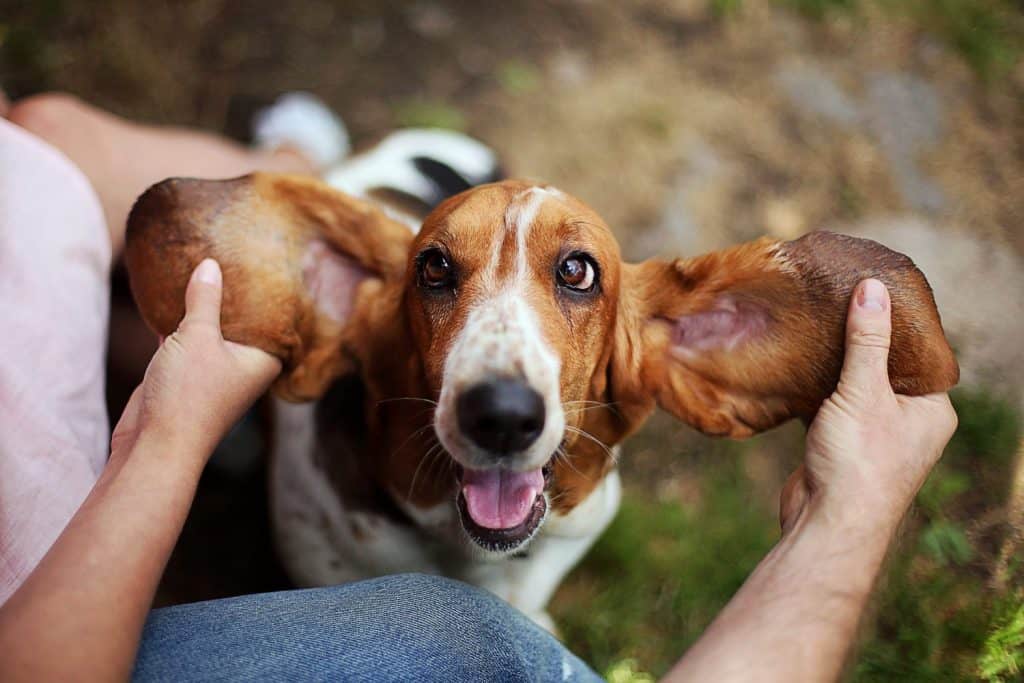
You can take certain steps to keep your deaf dog safe and happy, including ensuring they can see you before touching them.
©Siberian spring/Shutterstock.com
Safety is the biggest lifestyle consideration for deaf and hard-of-hearing dogs, because they can’t hear dangers like cars, bikes, or strangers approaching from behind. This is especially true for puppies that have been deaf from birth; they are rarely frightened by dangers, as they can’t hear them coming.
Practical accommodations make a huge difference in the life of a deaf dog, such as:
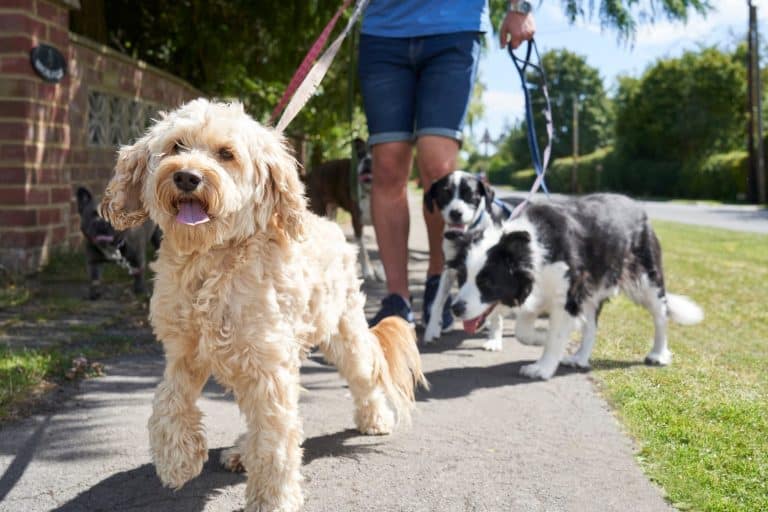
- No off-leash roaming in unfenced areas.
Deaf dogs can’t hear you call them away from traffic or hazards. Stick to leashed walks and secure, fully fenced spaces for any off-leash exercise. - Use IDs and gear to notify others of deafness.
Consider a tag or collar that says “I am deaf” so other people understand why your dog doesn’t respond to voice cues. Harnesses can also offer better control and clearer communication through touch. - Create predictable routines.
Regular feeding, walking, and training times help deaf dogs anticipate what comes next, reducing their anxiety. If your dog has recently become deaf, this is a must; try to maintain their typical routine as much as possible. - Always approach without surprise.
Avoid touching your dog from behind or in a way that doesn’t allow them to see you first. Step into your dog’s field of vision, tap near them, or use a soft vibration on the floor to let them know you’re there before touching them. - Enrich their other senses.
Scent games, food puzzles, tactile toys, and any type of visual play all help keep a deaf dog mentally stimulated.
Deaf Dogs Are Happy Dogs, Too

The bond between you and your deaf dog will only deepen over time.
©PeopleImages.com – Yuri A/Shutterstock.com
“Safety should be a non-negotiable for all dogs, but especially deaf dogs,” Coleman says. “They can have just as rich and joyful a life as any hearing dog, but you have to be willing to accommodate them. If your dog is deaf, the goal isn’t to fix them or have unrealistic expectations. The goal is to meet them where they are, change how you communicate, and build a world where they feel included.”
While it may happen unexpectedly, deafness in dogs isn’t something to fear. Recognizing the signs of hearing loss early, getting a proper diagnosis, and adjusting your training and lifestyle can help your deaf or hard-of-hearing dog stay connected to you and to the life you share.
“The bonds I see between deaf dogs and their humans are beautiful,” Coleman adds, “because they both learn to trust each other in a new, different way. That only brings them closer together for the rest of that dog’s lifetime.”