
Quick Take
- Some of the most irresistibly cute breeds on this list are actually some of the hardest to own, and one of them could land a first-time dog owner in serious trouble.
- One breed starts life as an adorable ball of fluff but grows into something that more closely resembles a lion or a bear. See the lion-like breed →
- A bloodhound quirk sounds almost unbelievable, and it is a deal-breaker for some potential owners. Discover the Bloodhound quirk →
- Cute looks don't always mean low-maintenance, and several breeds on this list hide demanding care requirements beneath their adorable exteriors. Meet a deceptively demanding breed →
Finding the cutest canine can be a tough task because there are so many adorable dog breeds. Of course, it’s a matter of personal preference: some people like small dogs, while others are devoted big dog lovers. Some folks like a slick-coated dog, while others like a shaggy dog. Although cute is a subjective term, and beauty is in the eye of the beholder, the 12 adorable breeds on our list are sure to melt your heart with their undeniable good looks. Continue reading to find out more about the 12 cutest dog breeds.
Old English Sheepdog
Old English sheepdogs are just plain adorable. However, they can be stubborn and independent, making it a challenge to train them. Therefore, this is not the best breed for first-time dog owners.
These dogs aren’t known for their guarding abilities but can be protective. They are active dogs and need a fair amount of exercise. If they do not get enough physical and mental stimulation, they can act out by chewing, digging, or barking.
Old English sheepdogs put on weight easily, which may go unnoticed because of their fluffy coats. Therefore, they should be kept on a strict diet.
Old English sheepdogs need frequent baths, daily grooming, and coat treatments to keep their fur shiny and healthy. As Old English sheepdogs were bred for herding, they do best on farms or ranches where they can work.
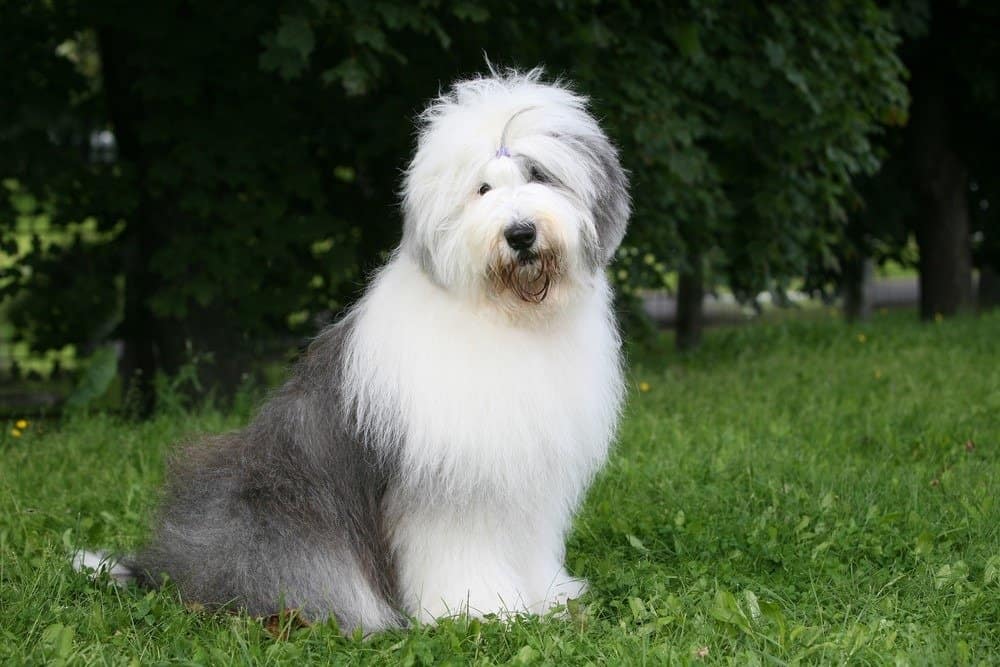
Old English sheepdogs were bred for herding livestock and are incredibly intelligent.
©Svetlana Valoueva/Shutterstock.com
English Cocker Spaniel
English cocker spaniels can rival cats in their bird-catching abilities, which is why they were used as hunting dogs. However, this cute dog breed is also a fantastic companion. English cocker spaniels are loyal, upbeat, sensitive, and playful, traits that make them excellent family pets.
While these pouty-eyed canines make good watchdogs, they are not the best protectors due to their friendly nature. These dogs were originally bred to hunt, search, flush, and retrieve upland game birds, and this instinct is so strong it never leaves them. So, expect lots of presents if you own an English cocker spaniel.
Cocker spaniels have a lot of energy; walking them once a day won’t cut it. So instead, they need a large fenced-in backyard for play and plenty of daily exercise. They also require routine grooming. For example, they need to be brushed two to three times a week, and their coats must be clipped every few months, especially around the ears, face, and tail. Their ears can be problematic if moisture is trapped inside, as this can lead to infections.
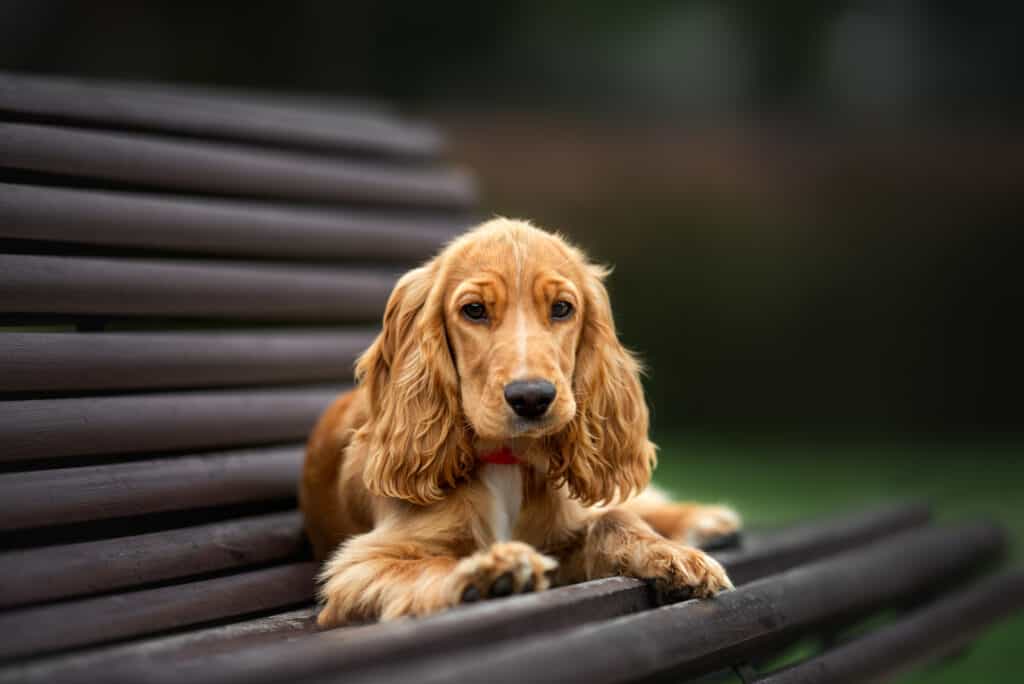
English cocker spaniels are balls of energy and need a lot of exercise to stay healthy and happy.
©otsphoto/Shutterstock.com
Dachshund
Dachshunds might be small, but they have the courage of a lion. Their feisty nature can make them aggressive toward other dogs and strangers. However, this trait also makes them fantastic watchdogs and loyal companions.
Owners of this spirited breed say there are differences in personality among the various types of dachshunds. The long-coated variety is said to be less exuberant than the smooth-coated variety, while the wire-coated variety tends to be the silliest and most outgoing of all.
These cute dogs were initially bred as badger hunters, using their slender bodies to dive into burrows to catch their prey, so they like to dig. In addition, they are known for barking and can be very destructive when bored or lonely.
Their slender bodies are prone to disc problems, and these sausage-like dogs shouldn’t be kept in a home with lots of stairs. Furthermore, jumping on and off furniture can harm their backs, so either build a step-stool or don’t let them on the couch or bed.
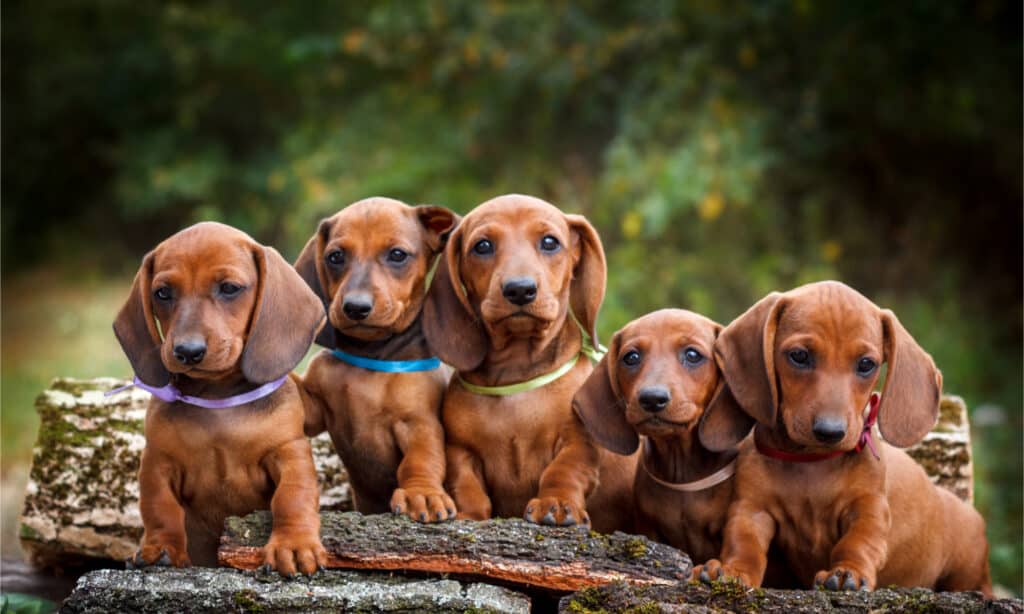
Due to selective breeding, today’s dachshunds have even shorter legs than their ancestors did.
©Shedara Weinsberg/Shutterstock.com
English Bulldog
The English bulldog has a personality to match its sweet face. They are one of the cutest types of dog breeds in the world, and their gentle, dependable, and predictable nature make them great companions for the entire family. English bulldogs crave human attention and will seek it out.
English bulldogs were originally bred for bullbaiting, but today they are known for their gentle and affectionate nature as family companions. They get along well with other pets if socialized from a young age. However, they can be aggressive if they are not exposed to other dogs.
English bulldogs do well in apartments as they only require moderate exercise, so two short walks a day will suffice. However, English bulldogs don’t do well in hot climates because they are a brachycephalic breed, meaning they have shortened skull bones giving their face a pushed-in appearance. This condition makes it easy for them to overheat and causes difficulty breathing in hot temperatures.
As English bulldogs have short coats, they don’t require a lot of grooming. However, a good brush once a week keeps the shedding at bay. However, owners should wipe their facial folds regularly to prevent debris and dirt from building up and causing infections.
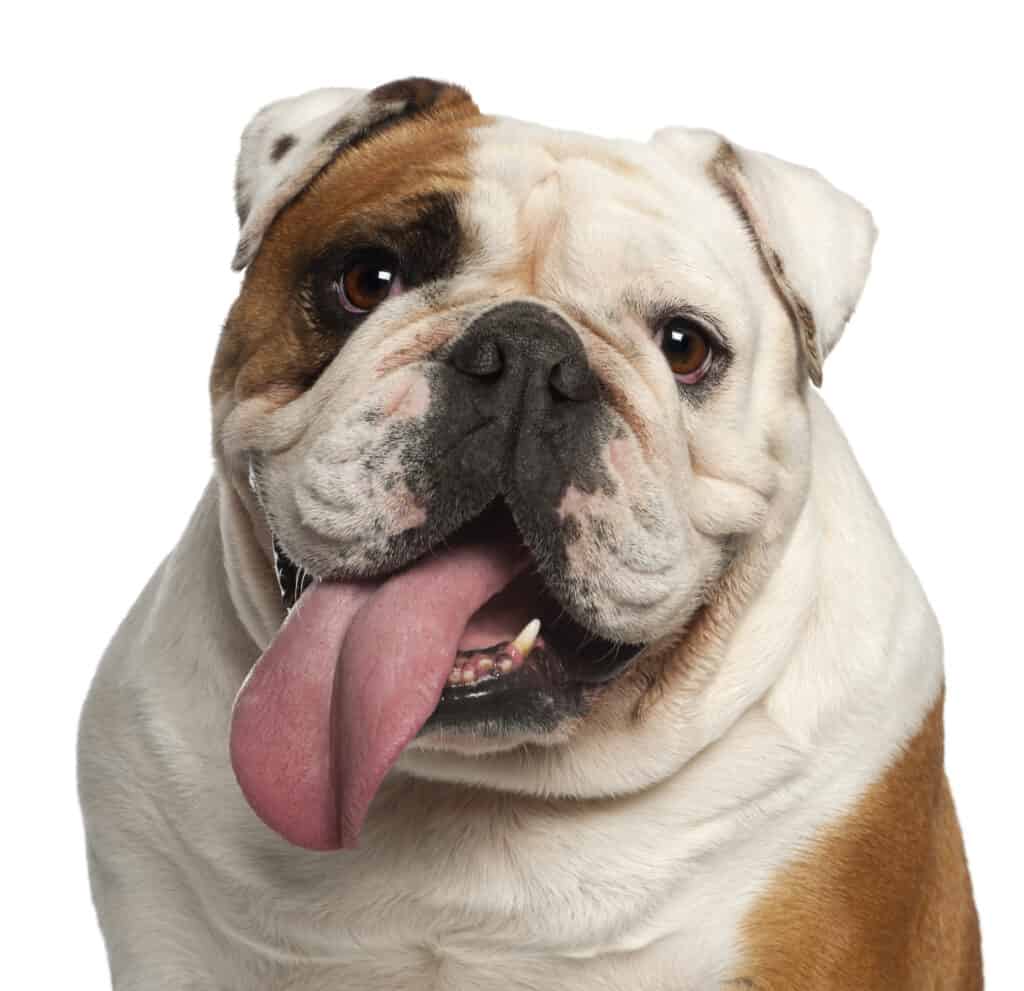
English bulldogs are a great breed for apartment living because they don’t require a lot of exercise.
©Eric Isselee/Shutterstock.com
French Bulldog
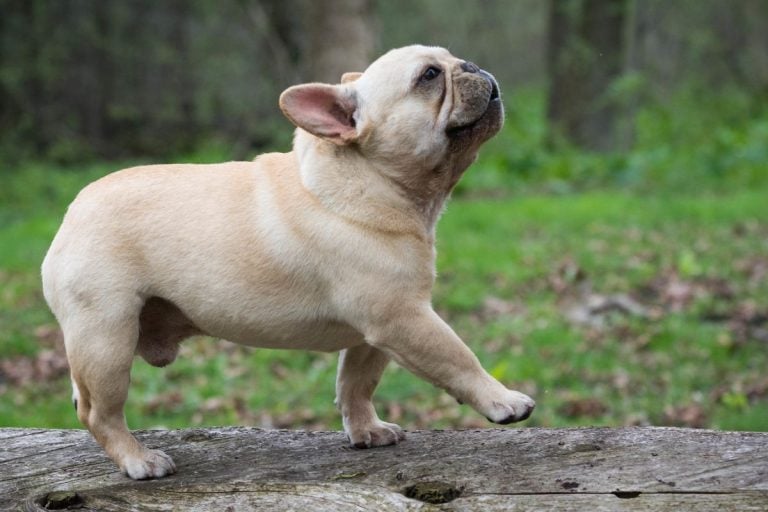
The French bulldog is an in-demand breed because of its even-tempered nature and adorable appearance. However, they need a lot of attention, and if they don’t get it, they can be destructive, such as chewing or digging. These dogs are best suited to a single-person home because they do not like to share attention with anyone, human or animal.
The French bulldog does well in any housing: city, rural, or suburban environment. They do not need a lot of exercise and aren’t meant to be jogging partners because they are a brachycephalic breed, prone to breathing problems if they overexert themselves.
Grooming requirements are minimal due to their short coats, but like the English bulldog, Frenchies need their facial folds cleaned regularly.
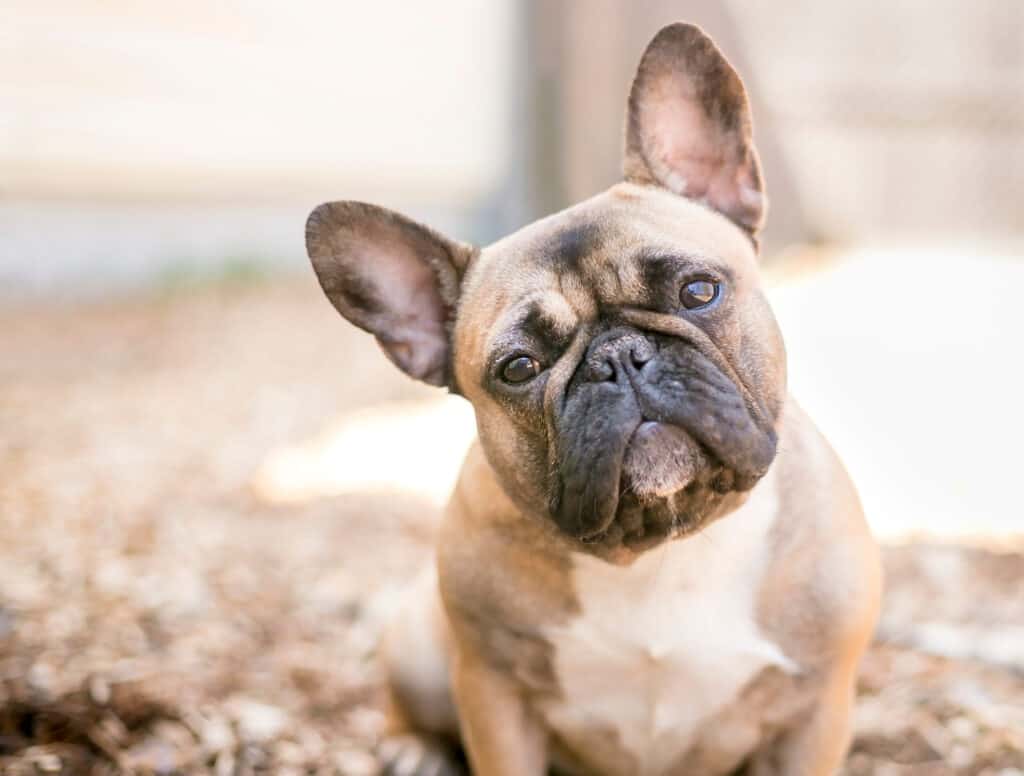
French bulldogs can’t swim because of their round heads and squat frames.
©Mary Swift/Shutterstock.com
Siberian Husky
Siberian huskies are silly, fun-loving dogs with a stubborn streak, making them challenging to train. Therefore, they need a firm but gentle hand when it comes to training. Because they were bred as sledding dogs, huskies love to run and require a lot of space to run and burn off energy.
These wacky pooches are incredibly friendly but don’t make good watchdogs, as they will likely welcome strangers into the home. However, this trait makes them great with children.
Siberian huskies are social animals and thrive around other dogs, especially when raised together. However, their prey drive is really high, and they might have difficulty getting along with other pets like cats.
In addition, these lovable fluff balls may dig, particularly in the summer to keep themselves cool. But luckily, they are not barkers; instead, they prefer to howl.
These dogs should always stick to a strict diet as they are prone to obesity if overfed or when they don’t receive enough exercise.
Siberian huskies need a lot of attention, as they love human companionship, but they may start to dig or chew if they are understimulated. Therefore, they need a home in which they will receive adequate exercise, and where someone is usually around to give them love.
Their long coats need weekly grooming, but to avoid hair on everything during shedding season, Siberian huskies should be brushed at least three times a week.
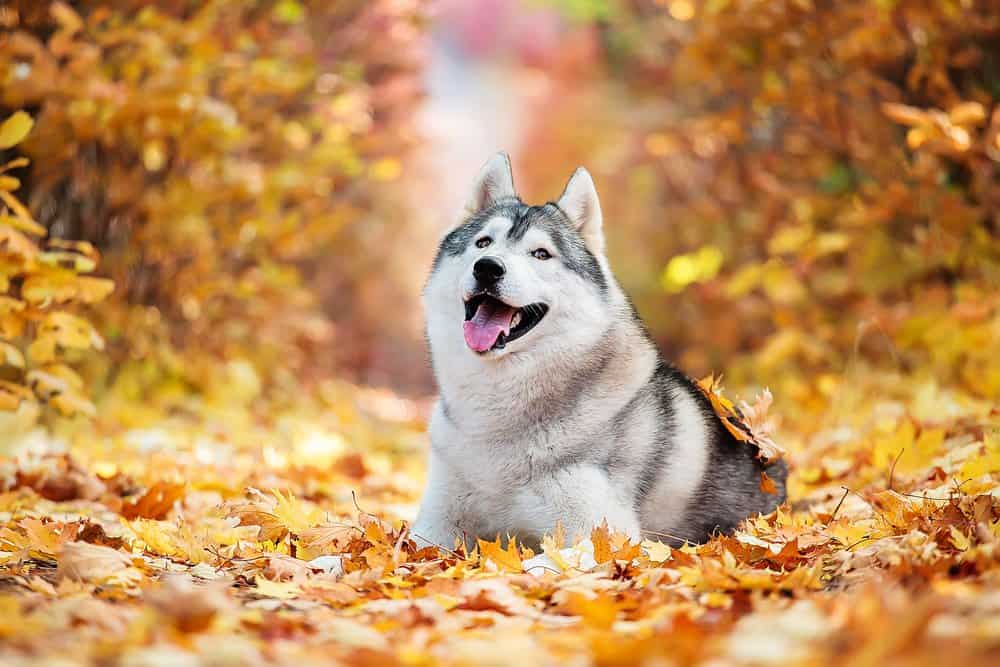
Siberian huskies are escape artists, and should never walk off-lead.
©Sergey Bessudov/Shutterstock.com
Pomeranian
Pomeranians are friendly, cheeky, and energetic little dogs. This adorable breed is often shaved to look like a tiny bear. They are oblivious to their small stature and will challenge any opponent, no matter their size. These feisty pups need short daily walks, after which they will be happy to curl up in your lap.
Pomeranians are intelligent, and the breed excels in obedience competitions despite their independent streak. They are excellent watchdogs, but your neighbors might dislike them because they are typically excessive barkers.
Pomeranians are great companions, but are not the best dog for younger children. They may snap if the kids are too rough or try to pick them up the wrong way. But they are fantastic pets for older children who know how to handle them.
These fluffy pups can be picky eaters and are not prone to obesity, due to their energetic nature. Their double coats need regular brushing at least twice a week. However, during shedding season, they require daily grooming.
Pomeranians enjoy training and are very intelligent dogs; they love learning new tricks and performing for their owners.
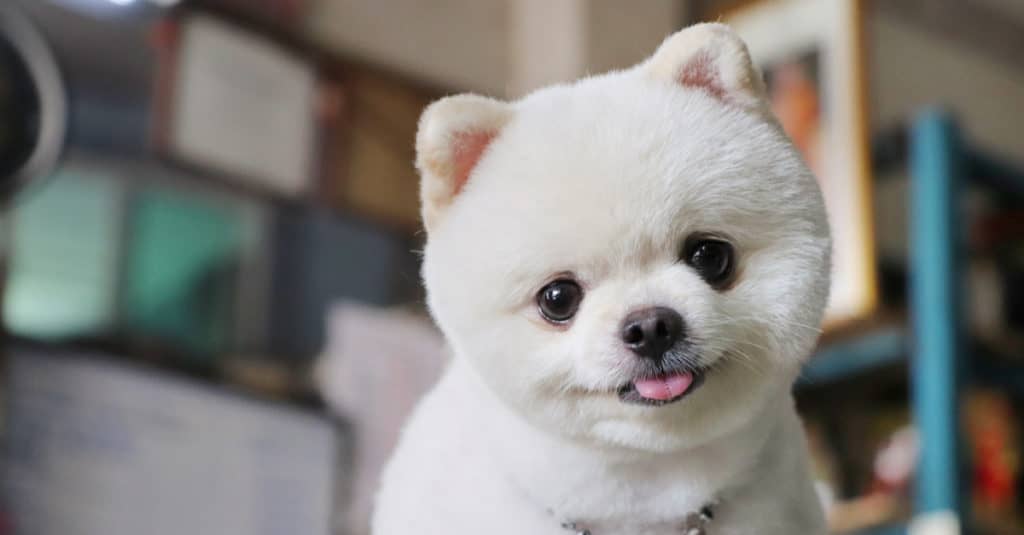
Pomeranians don’t typically get sick, thanks to their impeccable breeding.
©Shawei26/Shutterstock.com
German Shepherd
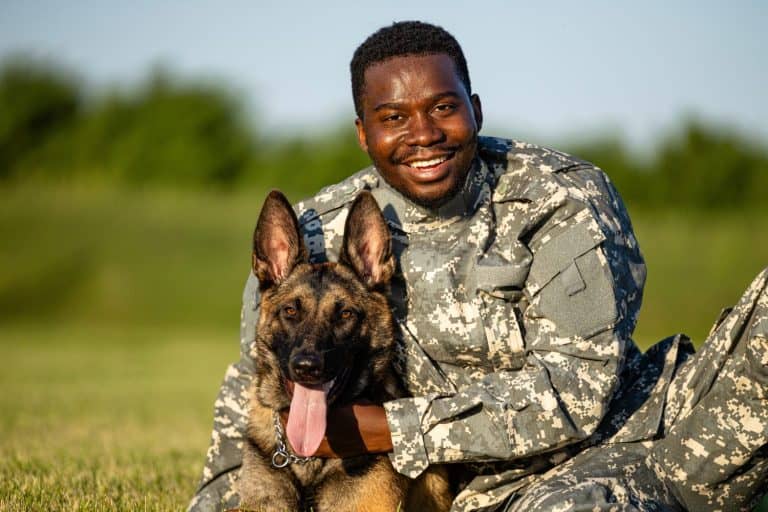
German shepherds make this list because of their adorable, large ears and expressive eyes, and their personalities rank them among some of the cutest dogs on the planet.
This breed is good with children and other pets, but they are natural protectors and may be wary of strangers. German shepherds are intelligent and easy to train.
These endearing dogs need a lot of exercise, and without daily walks and toys, they can become mischievous or overly energetic. German shepherds are shedders and need daily grooming to keep their fur under control.
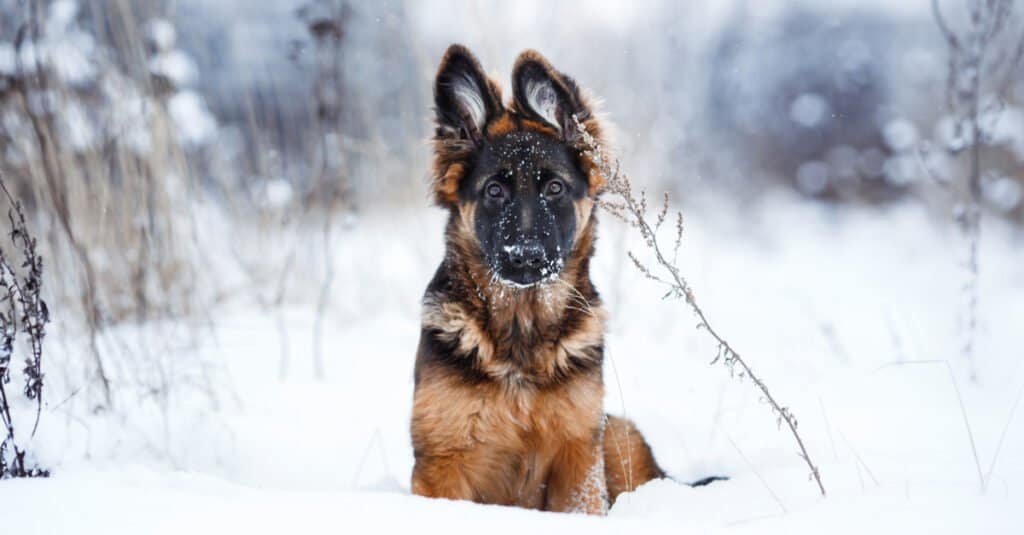
German Shepherds can run as fast as 30 miles per hour.
©dezy/Shutterstock.com
Samoyed
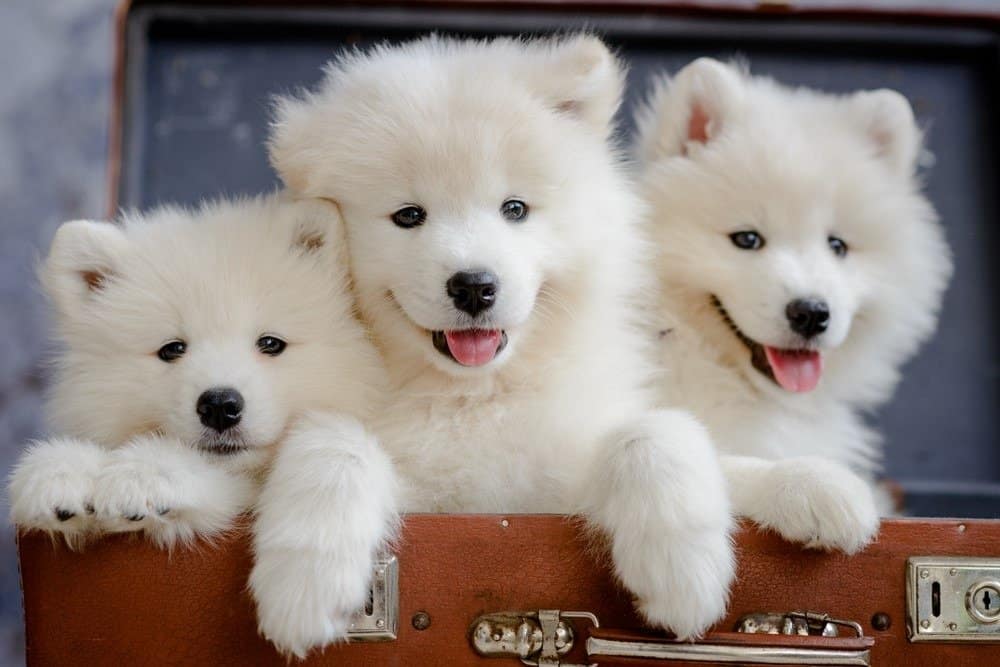
Samoyeds are an ancient breed of dog bred by the nomadic tribes in Siberia to protect and herd reindeer, and as sled dogs. Now, they make incredible canine companions because of their friendly and affectionate nature.
The Samoyed is intelligent and notorious for being easy to train. However, they have a touch of independence. But, mostly, they thrive on human companionship.
These dogs need a lot of attention, and if left on their own for long periods of time, they can become nuisance barkers.
While Samoyeds are friendly, their herding instincts make them prone to chasing and nipping, so they aren’t the best breed for young children, and they require early socialization to get along with other pets.
This breed has a lot of energy to burn, so exercise is vital. A great way to keep Samoyeds entertained is by enrolling them in activities such as herding, agility, weight pulling, or sledding classes.
These fluffy dogs might sound the alarm when a stranger is near, but they won’t protect you. Instead, they will likely run up to the intruder with their tails wagging.
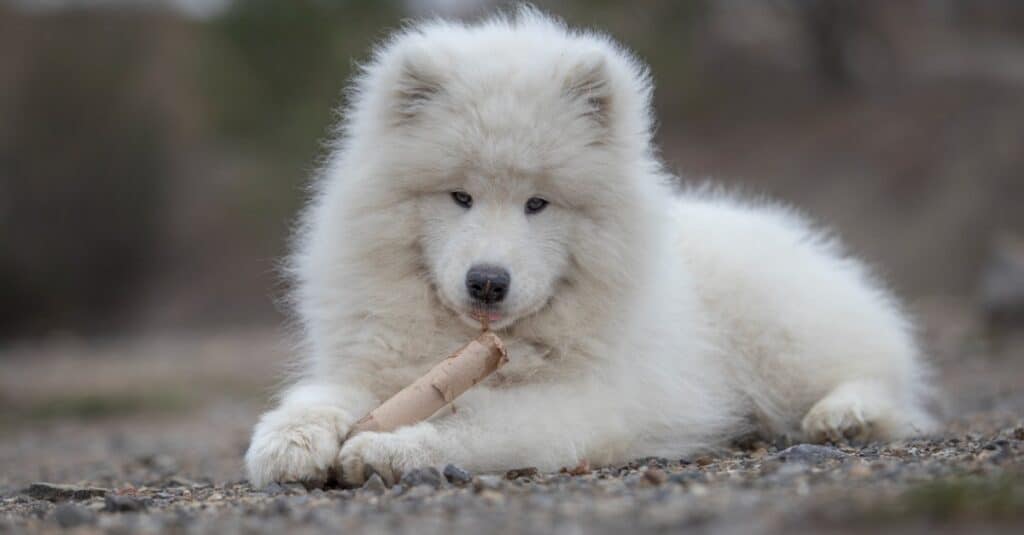
This soft dog breed, the Samoyed, is a big-time snuggler.
©iStock.com/Roman Bjuty
Tibetan Mastiff
As puppies, Tibetan mastiffs are adorable balls of fluff, but they soon grow into massive, determined, and strong dogs that resemble lions or even bears. These gigantic dogs were bred to guard monasteries, defend herds, and protect palaces in the Himalayas.
Tibetan mastiffs are the result of years of selective breeding, which has altered some of their original features and introduced new colors and larger body sizes.ies.
This breed is willful and intelligent, and while they are easy to train, they have to be in the mood. Therefore, they are not the best dog for first-time owners. Tibetan mastiffs do best with someone with dog-training experience and patience.
While aloof, these dogs take their guarding responsibilities very seriously, so strangers beware! Tibetan mastiffs are not very affectionate animals and shy away from excessive attention. TThey get along well with kids and other pets, but it is best to have another large dog to keep them company.
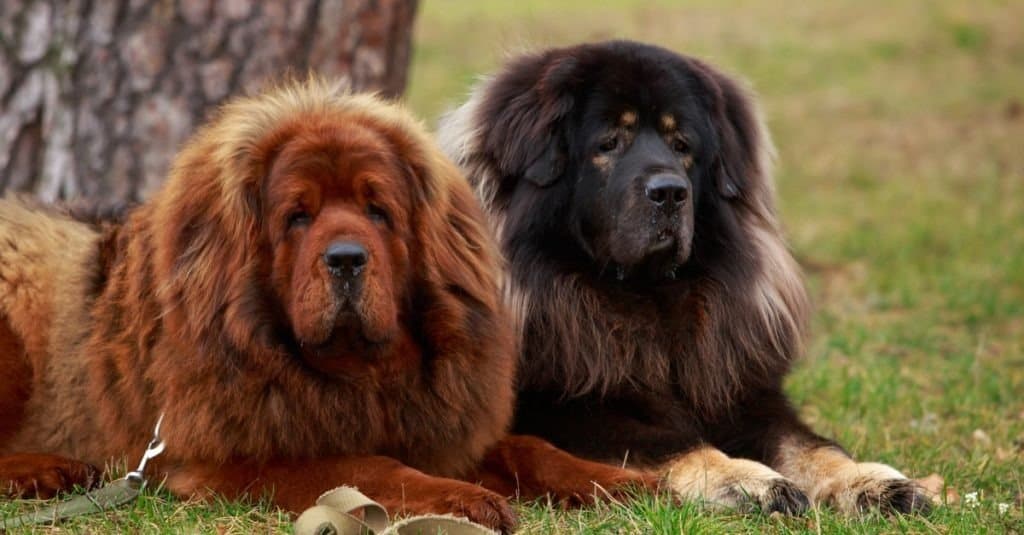
Tibetan mastiffs are fiercely protective of their families; they will sleep during the day to patrol at night.
©Olga Aniven/Shutterstock.com
Bloodhound
Bloodhounds are the perfect breed for families with children because of their patient, gentle, and mild-mannered nature. They have no problem with excited kids climbing all over them, and they get along well with other pets.
However, they also have a lot of determination and are quite independent. These noble dogs are tough to train because they are willful and want to make their own decisions. This is especially true when they pick up a scent they want to follow, so it’s best to keep them on a leash or inside a secure fence.
Bloodhounds take a long time to fully mature, and while they are in their puppy phase, they can be clumsy, boisterous, and curious. Unfortunately, this mischievous behavior leads to chewing everything from TV remotes to car seats. Therefore, they are best suited to experienced and patient owners.
And if drool freaks you out, stay far away from this breed. A quick turn of their heads can hurl saliva as far as twenty feet!
Bloodhounds are extremely energetic, so they need an active family that will provide them with a lot of exercise, or a working farm.
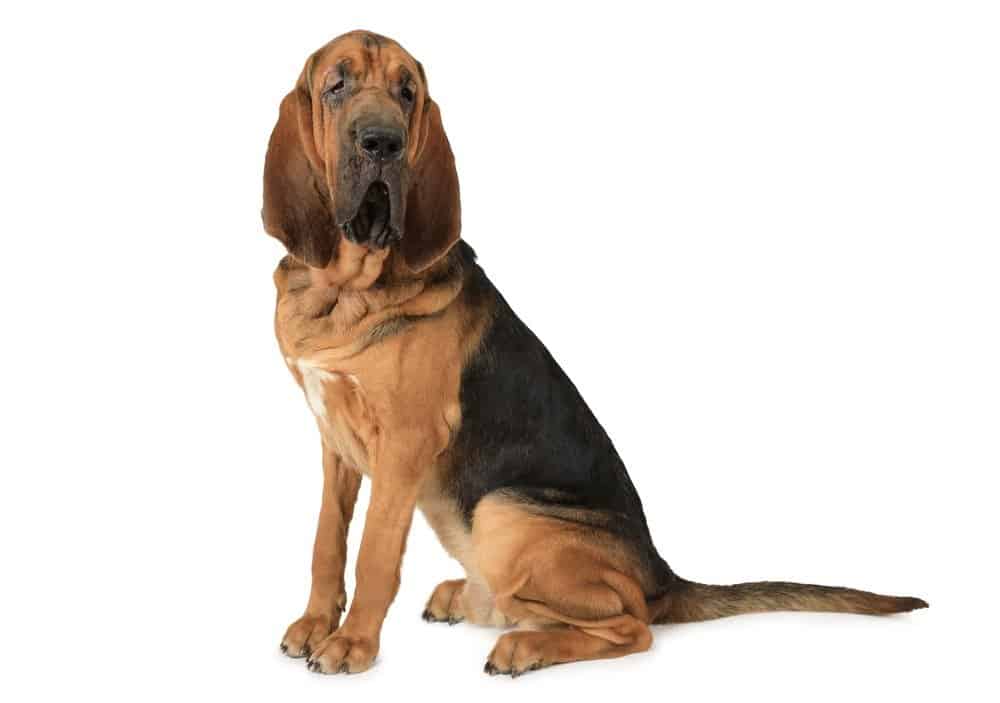
Bloodhounds aren’t fully mature until the age of two.
©Kuznetsov Alexey/Shutterstock.com
Dalmatian
Dalmatians have a lot of energy and love to play. They are a sensitive breed but also incredibly loyal. Dalmatians are not the best breed for small children, as they can be jealous of the attention given to the children.
This spotty breed is highly intelligent, and they make fantastic watchdogs. They can be naughty but are easy to train and eager to please.
These dogs aren’t very friendly towards strangers and can be dog aggressive, so it’s best to socialize them from pups.
Dalmatians are extremely destructive if left alone for too long, as they thrive on human companionship. If they do not get the attention they need, they can become depressed.
Dalmatians are not suited to apartment living. They are much happier in homes with big yards because they need regular exercise to stay mentally and physically fit.
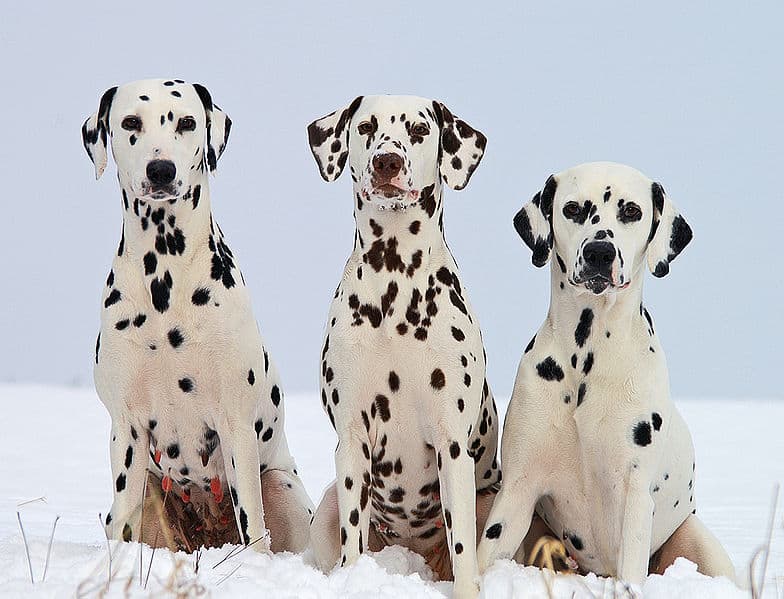
Dalmatians aren’t born with spots; they develop spots as they grow.
©Dalmatiner24.eu – Public Domain